
Working Safely with Hypermobility: Evidence-Informed Bodywork for Connective Tissue Disorders
Course Options
In Person (coming soon)
The course emphasizes the real-world clinical challenges of hypermobility, including joint instability, connective tissue fragility, fascial dysfunction, compensatory neuromuscular patterns, chronic pain states, and autonomic involvement. Demonstrating that Hypermobility is not always a ‘stretchy joint’ problem—it can be a visible sign of a multisystem connective tissue picture that may involve the nervous system, cardiovascular function, GI function, skin, and pain processing.
Online (coming soon)
From the comfort of home, The course emphasizes the real-world clinical challenges of hypermobility, including joint instability, connective tissue fragility, fascial dysfunction, compensatory neuromuscular patterns, chronic pain states, and autonomic involvement. Demonstrating that Hypermobility is not always a ‘stretchy joint’ problem—it can be a visible sign of a multisystem connective tissue picture that may involve the nervous system, cardiovascular function, GI function, skin, and pain processing.
Textbook
Just want to read the book at home: The book emphasizes the real-world clinical challenges of hypermobility, including joint instability, connective tissue fragility, fascial dysfunction, compensatory neuromuscular patterns, chronic pain states, and autonomic involvement. Demonstrating that Hypermobility is not always a ‘stretchy joint’ problem—it can be a visible sign of a multisystem connective tissue picture that may involve the nervous system, cardiovascular function, GI function, skin, and pain processing.
Mentorship
I can work one-on-one to help you figure out your client’s needs.
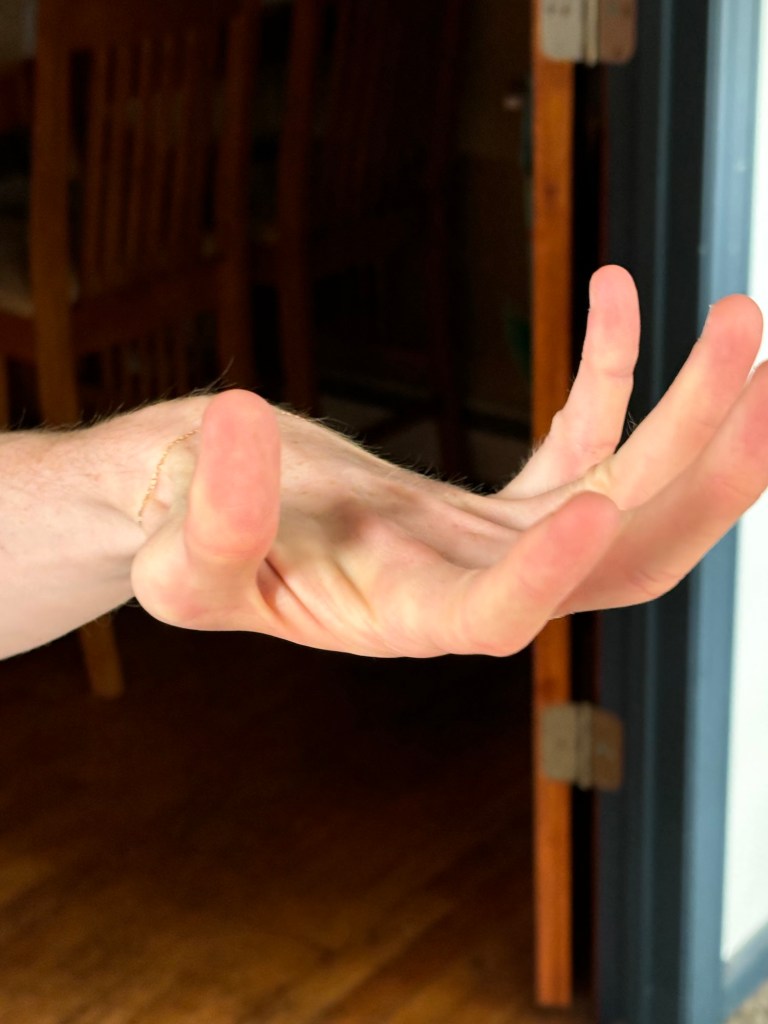
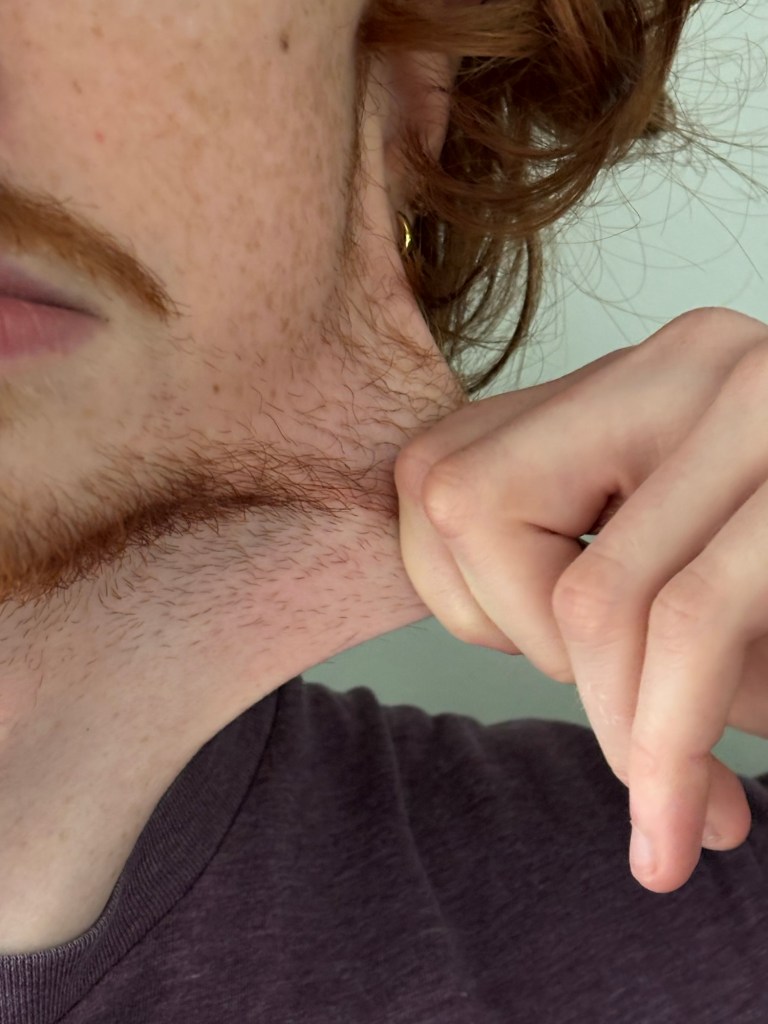
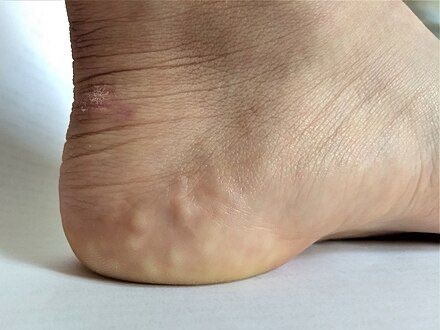

Case Study A
When you hyperextend your elbow, the joint straightens past neutral, so instead of the bones stacking safely, the elbow “hangs” on the soft tissues for support.
What can get injured (and why it matters)
Joint capsule (front of the elbow): gets stretched/irritated, causing aching or tenderness. Ligaments (especially the UCL/MCL on the inside): can become overstretched, leading to instability (common with pushing, yoga, weight-bearing). Tendons & muscles: the biceps, brachialis, forearm flexors/extensors may strain or tighten to protect the joint → soreness, tendonitis-like pain. Nerves (ulnar nerve): irritation can cause tingling/numbness into the ring and pinky finger.
What it can lead to over time
Repeated elbow hyperextension can cause chronic pain, weakness, clicking, inflammation, and “giving out,” especially in hypermobility/EDS where the ligaments don’t hold the joint as firmly.
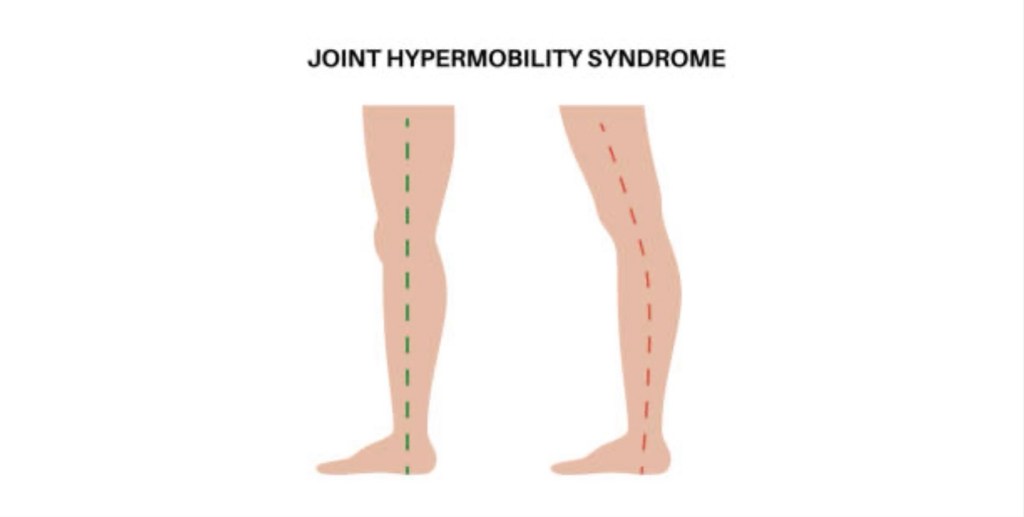
Case Study B
When you hyperextend your knee, the joint goes past its normal “stop point,” which stretches and strains tissues that aren’t meant to be pulled that far.
Here’s what gets damaged (and why it hurts later):
Ligaments (like the ACL/PCL): they can get overstretched or torn, which reduces stability. Joint capsule & connective tissue: repeated hyperextension makes them lax, so the knee becomes easier to “lock back” again. Meniscus & cartilage: the abnormal pressure can cause wear and irritation, contributing to grinding, swelling, or catching. Muscles/tendons: your hamstrings and surrounding muscles may tighten or spasm trying to protect the joint, leading to soreness and imbalance.
Over time, frequent hyperextension can lead to chronic pain, instability, inflammation, and early joint degeneration—especially in hypermobile bodies where the ligaments don’t “bounce back” as easily.
Testimonials
I was skeptical at first. She really understands the pain I am going through, and was the only massage therapist to not hurt me. I’ll only see her now!
Jackie
Jennifer explained why I couldn’t get the Deep Tissue I thought I needed. When I realized I was getting hurt more, I began to trust her and I’ve never felt better.
Melissa
 Tranquil Touch Wellness: Jennifer Richards, LMT