By Jennifer A. Richards 2025
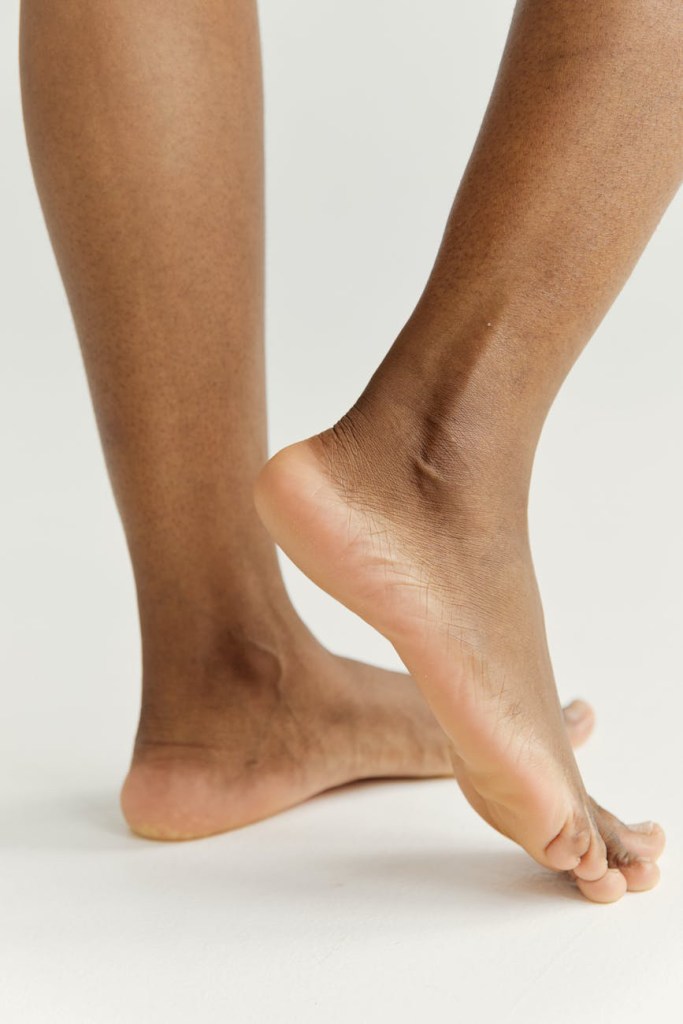
Plantar fasciitis is one of the most common causes of heel pain, affecting approximately 1 in 10 people at some point in their lives. It occurs when the plantar fascia, a thick band of connective tissue running along the bottom of the foot, becomes inflamed due to overuse, poor foot mechanics, or excessive strain. The pain is often worst in the morning or after periods of inactivity, making daily activities challenging.
How Massage Can Help
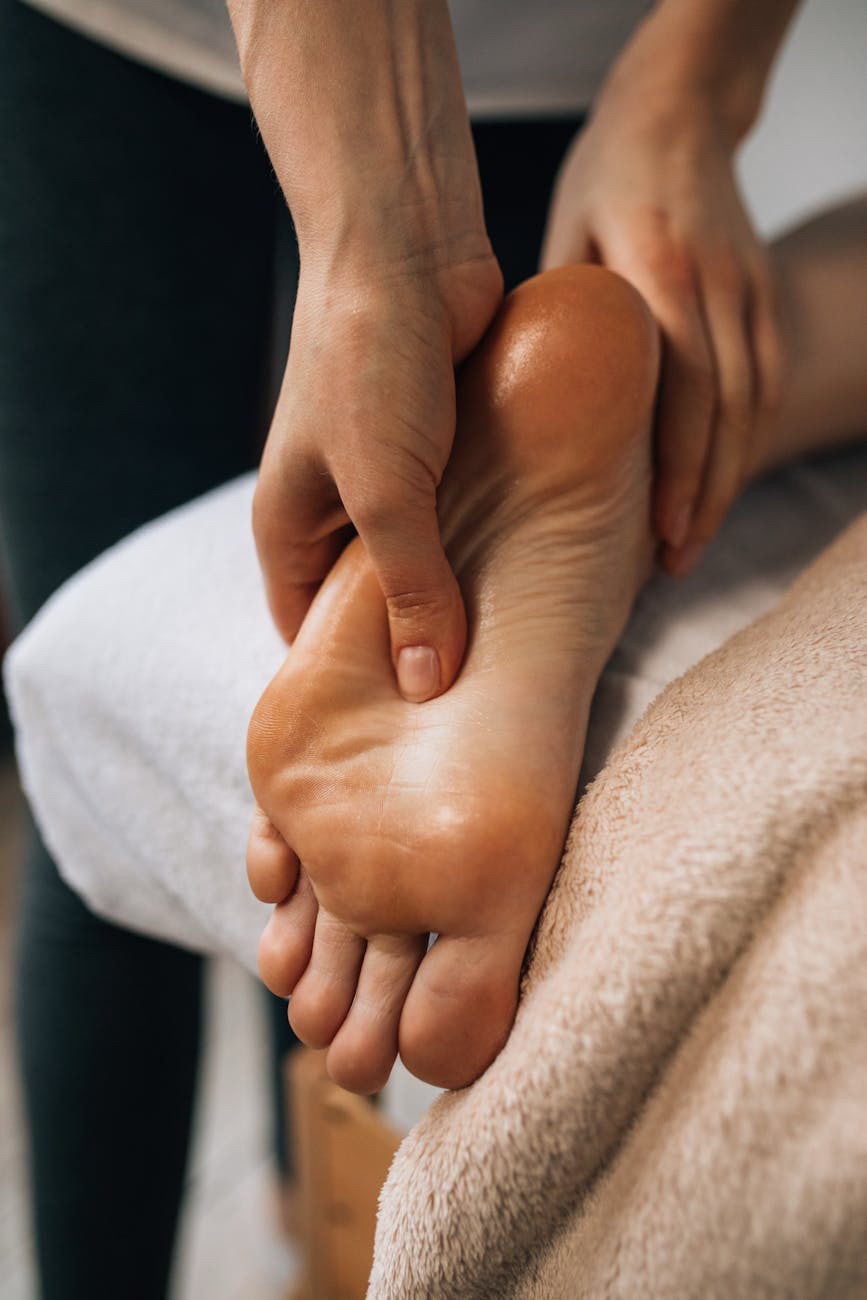
Massage therapy can be an effective, non-invasive approach to managing plantar fasciitis pain. While results vary from client to client, research supports that massage helps by increasing blood flow, breaking up adhesions, and releasing trigger points that contribute to pain and stiffness.
• A 2013 study published in The Journal of Orthopaedic & Sports Physical Therapy found that manual therapy combined with stretching was more effective than stretching alone in reducing pain and improving function in plantar fasciitis patients.
• Another 2014 study in The Journal of Physical Therapy Science showed that deep tissue massage and myofascial release significantly reduced pain levels in people with plantar fasciitis.
Real Results: A Client’s Success Story
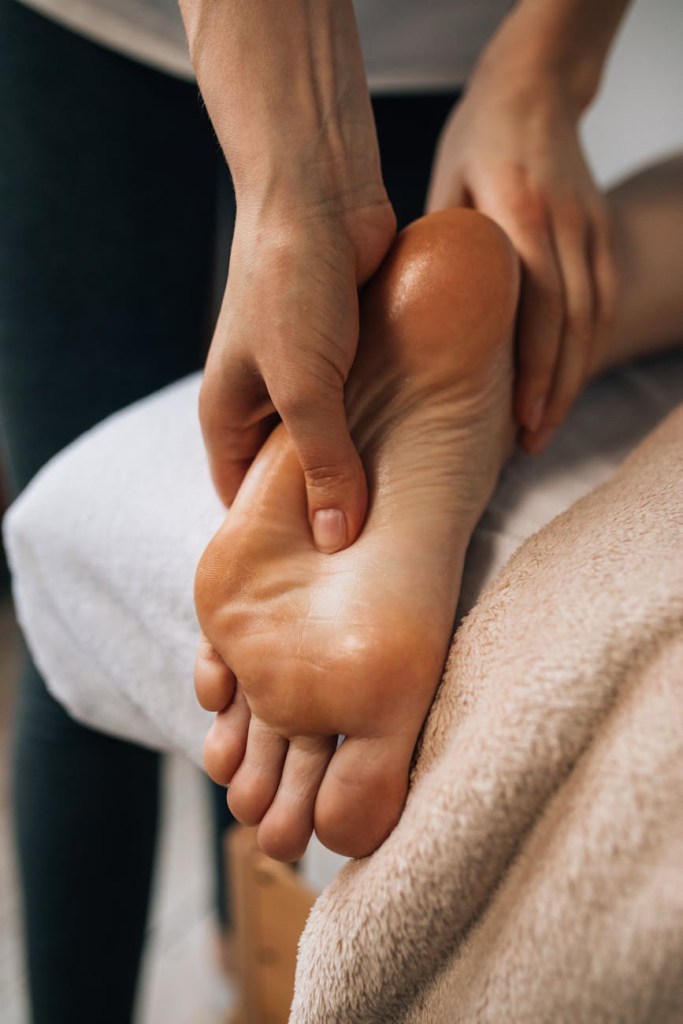
One of my clients was told she needed surgery to relieve her chronic plantar fasciitis pain. However, upon assessing her, I detected numerous trigger points on the sole of her foot—tiny knots in the muscle that were contributing to her pain.
Over two massage sessions, I systematically released each trigger point. Additionally, she committed to stretching at home, specifically targeting the plantar fascia and calf muscles. By the end of the second session, her pain was completely gone. Now, she feels great and is able to move without discomfort.
Active Participation Is Key
It’s important to remember that nothing changes passively. Massage can facilitate healing, but if you want lasting results, you need to do your part. This includes:
✅ Stretching and strengthening exercises to maintain flexibility and prevent recurrence.
✅ Wearing supportive footwear to reduce strain on the plantar fascia.
✅ Managing activity levels to avoid overuse.
Final Thoughts
While massage has been highly effective for many people with plantar fasciitis, results vary from client to client. Some may find relief quickly, while others may need ongoing treatment and self-care. If you’re struggling with heel pain, a combination of massage therapy, stretching, and lifestyle adjustments may provide the relief you’re looking for—without the need for surgery.
Would you like to schedule a session and see if massage can help you? Let’s get started!
The information provided is for general wellness and educational purposes only. It is not a substitute for professional medical advice, diagnosis, or treatment. If you have a medical condition, injury, or chronic pain, consult a healthcare professional before beginning any new stretching routine.

 Tranquil Touch Wellness: Jennifer Richards, LMT