By Jennifer A. Richards 2025
What Is Cupping Therapy?
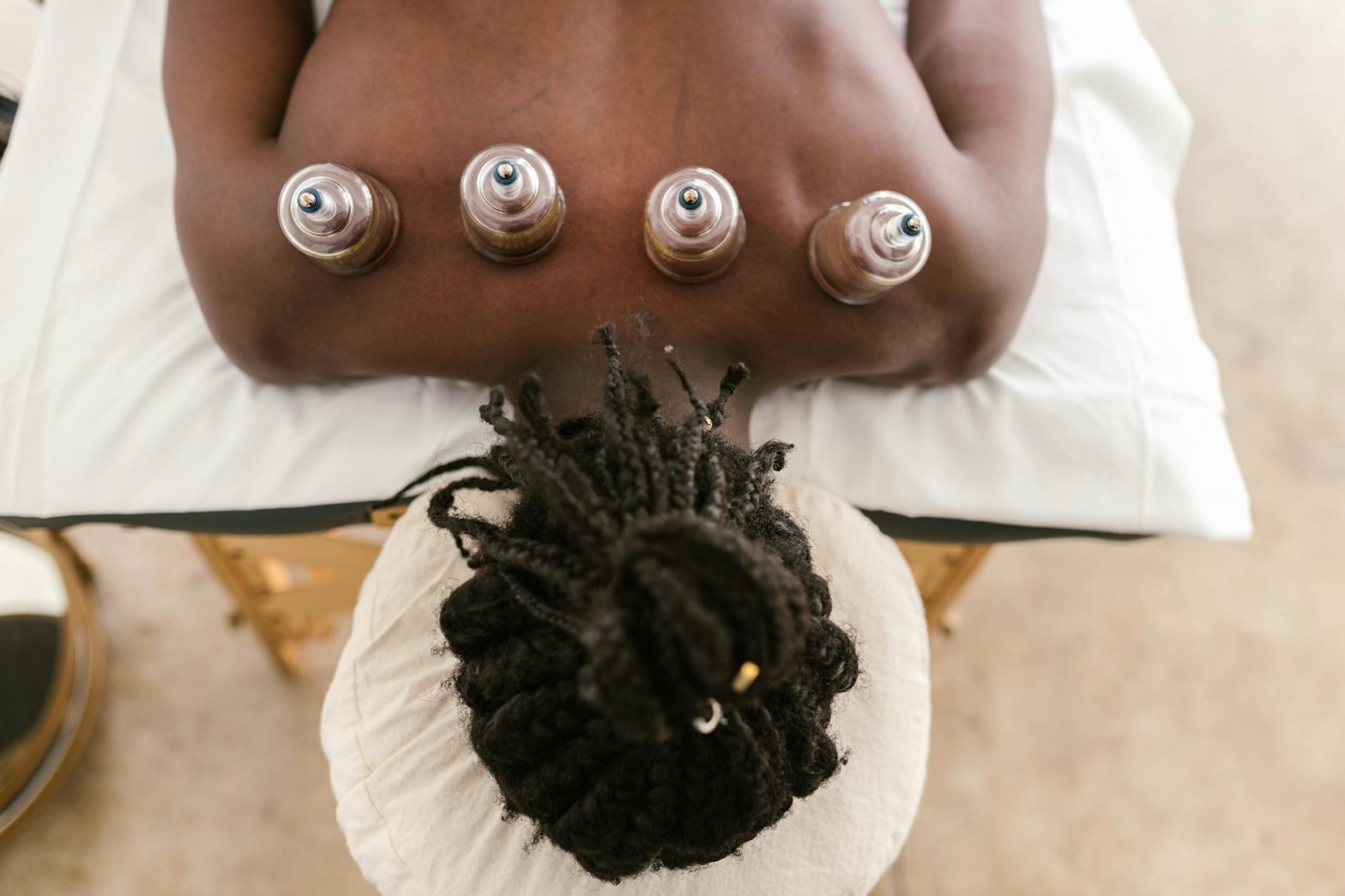
Cupping therapy is a form of decompression therapy that uses suction to create negative pressure on the skin. Unlike traditional massage, which applies compression to muscles and fascia, cupping lifts the tissue, increasing blood flow, lymphatic drainage, and relaxation.
A Brief History of Cupping
Cupping has been used for thousands of years in various cultures, including ancient Egypt, China, and the Middle East. The earliest recorded use dates back to the Ebers Papyrus (circa 1550 BCE), an ancient Egyptian medical text. In Traditional Chinese Medicine (TCM), cupping has been a staple for balancing energy (Qi) and promoting healing for centuries.
Benefits of Cupping Therapy
Cupping is commonly used to:
• Reduce muscle tension and pain
• Improve circulation and lymphatic flow
• Support recovery from injuries
• Relieve headaches and migraines
• Alleviate symptoms of respiratory conditions like asthma and bronchitis
• Enhance athletic performance and recovery
• Aid in detoxification and relaxation
Who Can Benefit from Cupping?
Cupping can be helpful for individuals experiencing:
• Chronic muscle pain or stiffness
• Poor circulation
• Stress and tension
• Inflammatory conditions such as arthritis
• Sports injuries and recovery needs
Who Should Avoid Cupping? (Contraindications)
While cupping is generally safe, it is contraindicated for:
• Individuals with bleeding disorders or those taking blood thinners
• Pregnant individuals (especially on the abdomen or lower back)
• People with severe varicose veins or deep vein thrombosis
• Those with skin conditions like eczema, psoriasis, or open wounds
• Individuals with high fever or active infections
What to Expect During a Cupping Session
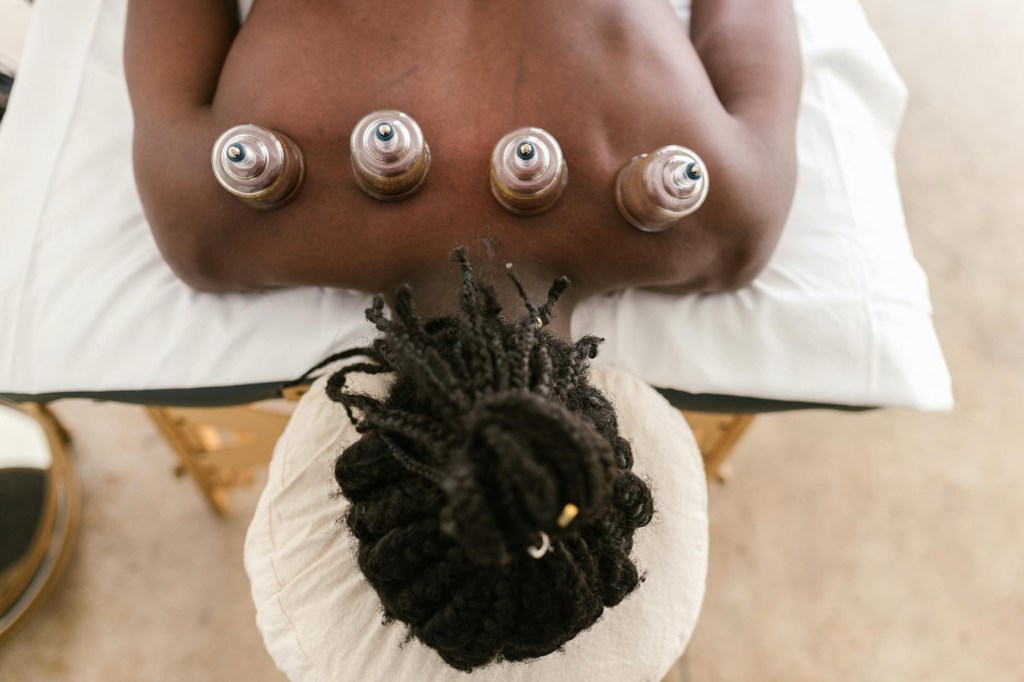
During a session, your therapist will apply cups—either made of glass, silicone, or plastic—to the skin. Suction is created using a pump or heat. You may feel a pulling sensation, but it should not be painful.
Cupping can leave circular marks on the skin, which fade within a few days to a week. These marks are not bruises but rather a sign of increased circulation.
Static Cupping vs. Gliding Cupping
• Static Cupping: Cups remain in one place for a few minutes to target specific areas of tension or stagnation.
• Gliding Cupping: The therapist applies oil and moves the cups along muscle groups to release fascia, improve circulation, and break up adhesions.
Disclaimer
This article is for educational purposes only and is not a substitute for medical advice. If you have a medical condition or are unsure if cupping is right for you, consult a healthcare professional before receiving treatment.

 Tranquil Touch Wellness: Jennifer Richards, LMT