By Jennifer A Richards 2025
In today’s world, many of us spend hours sitting at a desk, staring at a screen, and unknowingly putting our bodies under constant strain. While it may seem harmless, prolonged sitting can lead to muscular imbalances, pain, stiffness, and even long-term injuries. Understanding how sitting affects the body and learning ways to counteract its effects can make a world of difference in your overall well-being.
How Sitting Affects Your Body
1. Tight Glutes and Lower Back Issues
When you sit for long periods, your glute muscles become weak and inactive, leading to instability in the lower body. At the same time, the hip flexors (like the psoas and rectus femoris) remain in a shortened position, pulling on the lower back and increasing the risk of pain and stiffness. Anterior pelvic tilt—where the pelvis tips forward—can result, leading to further strain on the lumbar spine.
2. Forward-Leaning Posture and Neck Strain
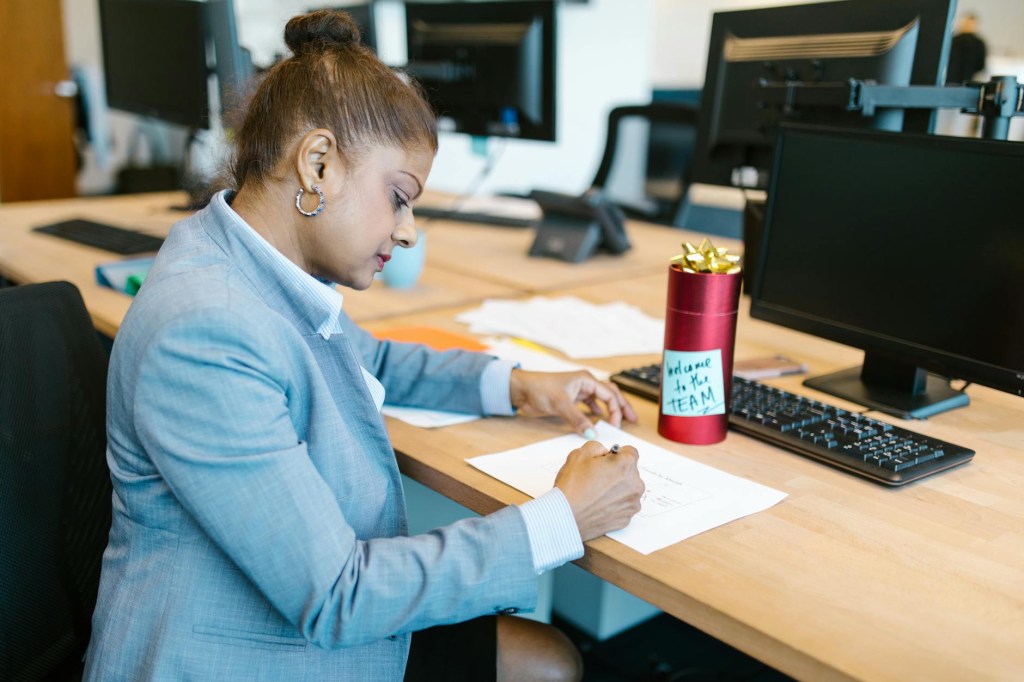
Most people lean forward when working at a desk, tilting their heads downward to look at a computer screen or phone. This posture significantly increases the weight load on the neck. For every inch the head moves forward, its effective weight on the spine increases. Over time, this strain can cause tension headaches, neck pain, and even conditions like “tech neck.”
3. Rounded Shoulders and Upper Body Tightness
Leaning forward also causes the shoulders to round, tightening the pectoral muscles while overstretching and weakening the upper back. This imbalance places strain on the upper trapezius, often leading to pain, stiffness, and the formation of adhesions. Over time, this posture can contribute to a hunched upper back and limited range of motion in the shoulders.
4. Adhesions and Muscular Stiffness
When muscles remain tight and under stress, adhesions (knots) form in the muscle tissue, limiting movement and causing discomfort. These adhesions can also trap nerves, restricting circulation and increasing the likelihood of chronic pain.
5. Circulation Issues and Nerve Compression
Sitting for extended periods slows blood circulation, particularly in the lower body. This can lead to swelling in the legs and feet, increasing the risk of varicose veins and deep vein thrombosis (DVT). Additionally, prolonged pressure on the sciatic nerve can cause numbness, tingling, or pain radiating down the legs.
6. Breathing Restrictions
Slouching forward compresses the ribcage and restricts the movement of the diaphragm, leading to shallow breathing. Over time, this can decrease oxygen intake and contribute to feelings of fatigue, brain fog, and increased stress levels.
How Massage Can Help
Massage therapy is one of the most effective ways to address the negative effects of prolonged sitting. It works by:
• Releasing muscle tension and adhesions in the upper traps, pecs, and lower back, helping restore range of motion.
• Encouraging circulation to reduce swelling and improve oxygen and nutrient delivery to tissues.
• Relaxing tight hip flexors and glute muscles, restoring balance and reducing strain on the lower back.
• Promoting better posture by helping to realign tight and weak muscles.
• Reducing stress and tension headaches caused by neck and shoulder strain.
Other Ways to Counteract the Effects of Sitting
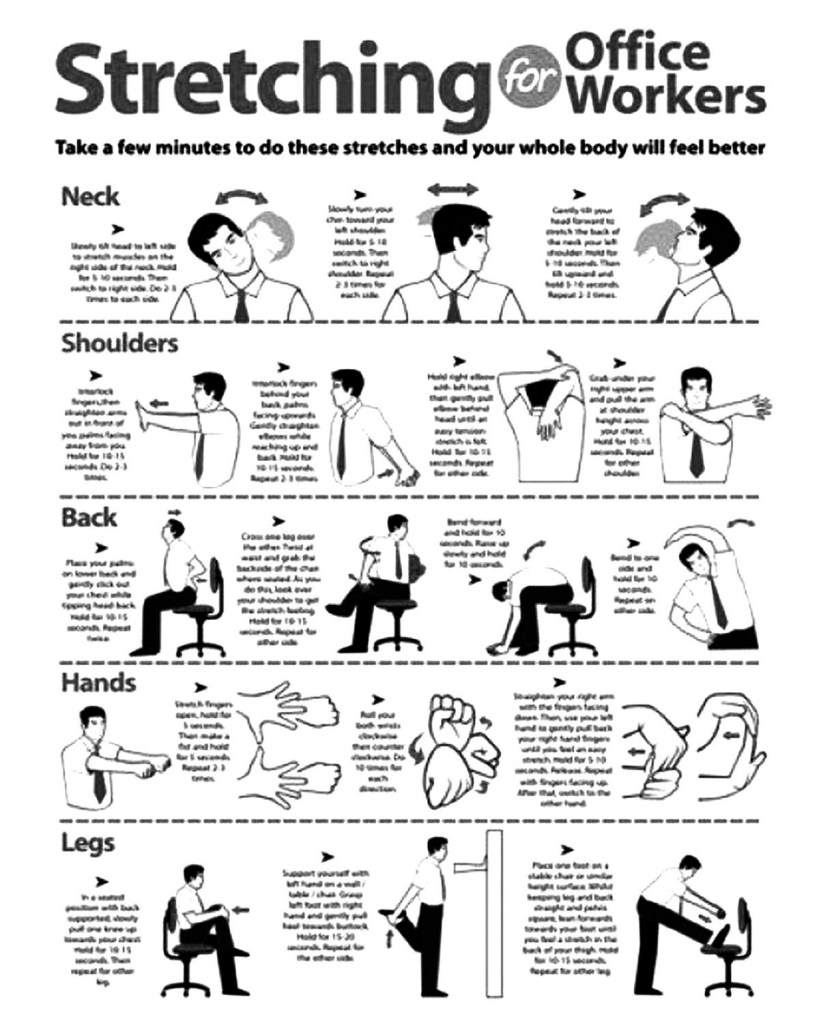
1. Stretching & Mobility Work
Regular stretching helps counteract tightness and restore muscle balance. Focus on:
• Hip flexor stretches to lengthen shortened muscles.
• Chest openers to counteract rounded shoulders.
• Neck and upper back stretches to relieve tension.
• Glute activation exercises to strengthen weakened muscles.

2. Proper Body Mechanics & Posture
• Keep your computer screen at eye level to avoid tilting your head forward.
• Sit with feet flat on the floor, knees at a 90-degree angle.
• Use lumbar support to maintain a neutral spine.
• Avoid crossing your legs for long periods to prevent hip imbalances.
3. Increase Movement Throughout the Day
• Stand up and walk for a few minutes every 30–60 minutes.
• Use a standing desk if possible.
• Take the stairs instead of the elevator.
• Incorporate light exercises or movement breaks throughout the day.
Final Thoughts
Sitting may be unavoidable for many people, but you don’t have to let it take a toll on your body. By incorporating massage therapy, stretching, proper posture, and movement into your routine, you can counteract the negative effects and keep your body feeling its best.
Disclaimer:
This article is for informational purposes only and is not a substitute for professional medical advice, diagnosis, or treatment. Always seek the advice of a qualified healthcare provider before making any changes to your health or wellness routine.

 Tranquil Touch Wellness: Jennifer Richards, LMT