By Jennifer A. Richards 2025
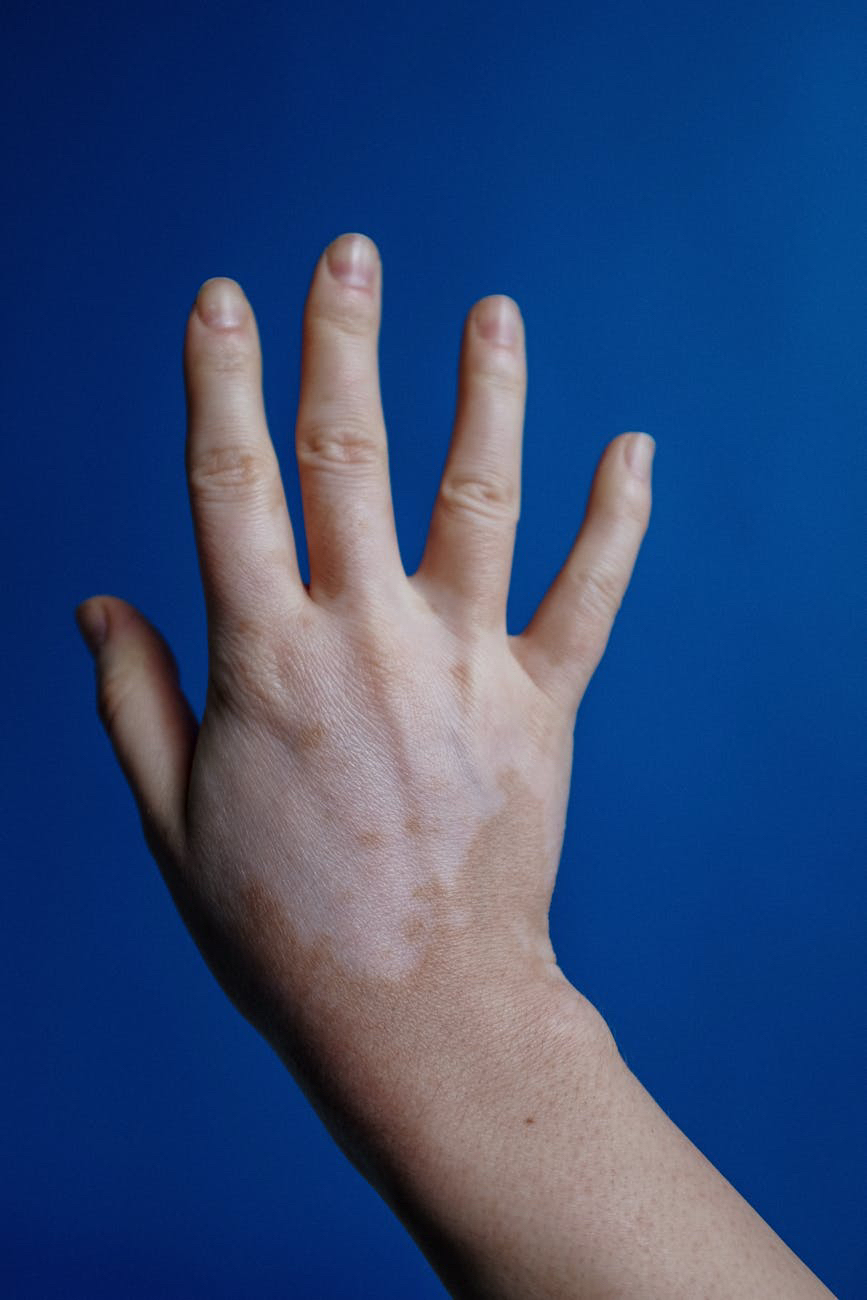
Autoimmune disorders occur when the body’s immune system mistakenly attacks its own tissues, leading to chronic inflammation, pain, fatigue, and a variety of other symptoms. Conditions such as rheumatoid arthritis, lupus, multiple sclerosis, Hashimoto’s thyroiditis, and fibromyalgia (which shares many autoimmune-like features) can significantly impact daily life. While massage therapy is not a cure, it can be a powerful complementary tool to support symptom management and overall well-being.
How Massage Can Help
Massage therapy supports individuals with autoimmune disorders by addressing symptoms like pain, stiffness, fatigue, and stress. It promotes relaxation, improves circulation, and can help with mobility and inflammation-related discomfort. By working with a knowledgeable massage therapist, clients can find ways to incorporate bodywork into their wellness routines without overstimulating their already sensitive systems.
Benefits of Massage for Autoimmune Disorders
✔ Pain Relief – Massage can help ease muscle tension and joint stiffness, making movement easier and reducing chronic discomfort.
✔ Stress Reduction – Autoimmune diseases often worsen with stress. Massage activates the parasympathetic nervous system, lowering cortisol levels and promoting relaxation.
✔ Improved Circulation & Lymphatic Drainage – Certain massage techniques encourage better blood flow and lymphatic movement, which may support the immune system and reduce swelling.
✔ Better Sleep – Many individuals with autoimmune conditions struggle with sleep disturbances. Massage can help regulate sleep patterns and improve rest quality.
✔ Emotional & Mental Well-being – Living with a chronic condition can be isolating and emotionally draining. Massage offers a nurturing experience that can help with anxiety, depression, and overall mood.
✔ Support for Mobility & Flexibility – Regular bodywork can prevent muscles from becoming overly tight, improve range of motion, and make daily activities less painful.
Potential Downsides & Considerations
➖ Sensitivity to Touch – Many autoimmune conditions cause heightened sensitivity or pain responses. A skilled therapist will adjust pressure accordingly.
➖ Flare-Ups & Immune Responses – Some individuals experience symptom flare-ups after massage, particularly if deep work is done too aggressively. Gentle techniques are usually best.
➖ Contraindications – If a client has active inflammation, infections, or severe fatigue, certain types of massage may not be appropriate. Open wounds, rashes, or clotting issues may also limit treatment.
➖ Not a Replacement for Medical Treatment – Massage should be an addition to—not a replacement for—medical care. Always consult with a healthcare provider before starting massage therapy, especially for conditions that involve medications, joint instability, or immune suppression.
Choosing the Right Massage for Autoimmune Conditions
A tailored approach is key. Here are some techniques that may be beneficial:
• Gentle Swedish Massage – Promotes relaxation and circulation without excessive pressure.
• Lymphatic Drainage Massage – Helps reduce swelling and supports the immune system.
• Myofascial Release – A gentle approach to easing tightness in connective tissues.
• Craniosacral Therapy – May help regulate the nervous system and reduce stress-related symptoms.
• Energy Work (Reiki, Jin Shin Jyutsu, Reflexology) – Non-invasive techniques that support relaxation and holistic well-being.
Incorporating Massage into Your Life
• Listen to Your Body – If you’re feeling exhausted or experiencing a flare-up, opt for a shorter or gentler session.
• Communicate with Your Therapist – Let them know about your diagnosis, symptoms, and any changes in your condition.
• Stay Consistent – Regular massage sessions may offer more benefits over time.
• Pair Massage with Other Self-Care Practices – Hydration, balanced nutrition, stress management, and gentle movement complement massage therapy.
Final Thoughts
Living with an autoimmune disorder presents unique challenges, but massage can be an excellent tool for symptom relief and improved quality of life. It’s important to work with a therapist who understands the complexities of autoimmune conditions and to always prioritize what feels right for your body.
Disclaimer
This article is for informational purposes only and is not a substitute for medical advice. Always consult with your healthcare provider before beginning any new treatment, including massage therapy.
Let’s Discuss!
Have you used massage to help manage an autoimmune condition? What worked for you? Let’s talk in the comments or reach out with any questions!

 Tranquil Touch Wellness: Jennifer Richards, LMT