By Jennifer Richards 2025
The lymphatic system is one of the body’s unsung heroes, quietly working to remove toxins, support immune function, and regulate fluid balance. When this system becomes sluggish or compromised, swelling, fatigue, and a weakened immune response can result. Lymphatic massage is a specialized technique designed to help keep the lymphatic system flowing efficiently.
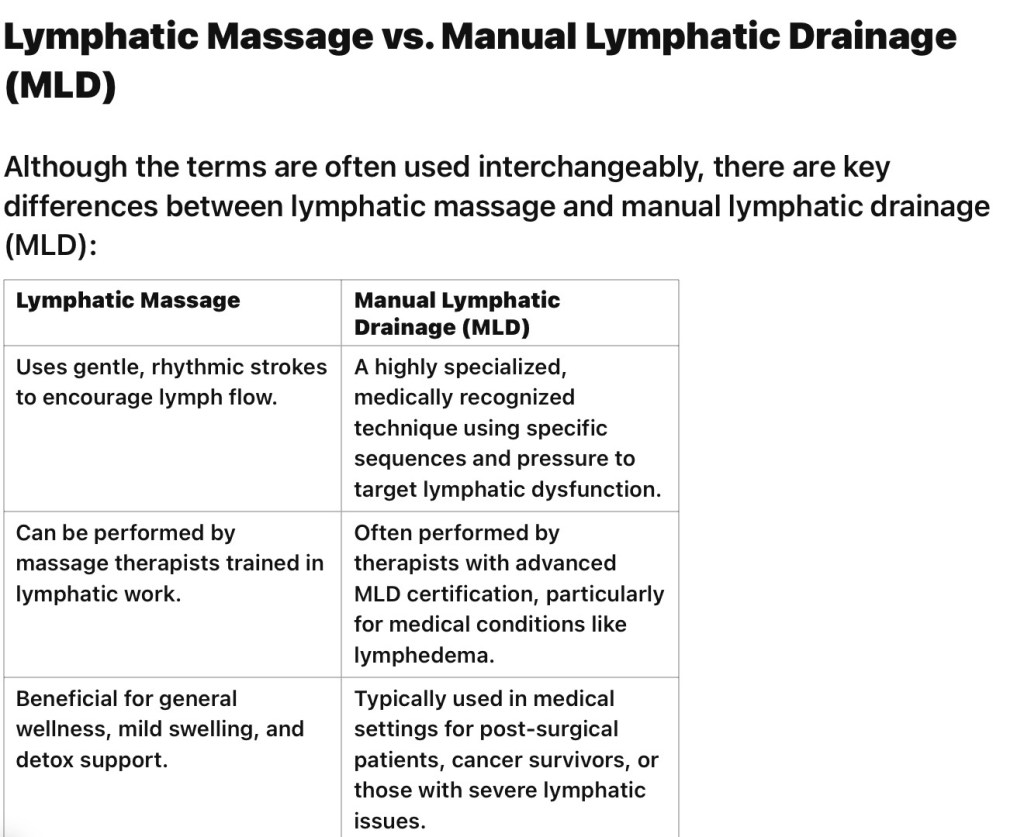
In this post, we’ll explore what lymphatic massage is, who benefits from it, the difference between lymphatic massage and manual lymphatic drainage (MLD), how often you need it, what to expect during a session, and how to support your lymphatic health between treatments.
What Is Lymphatic Massage?
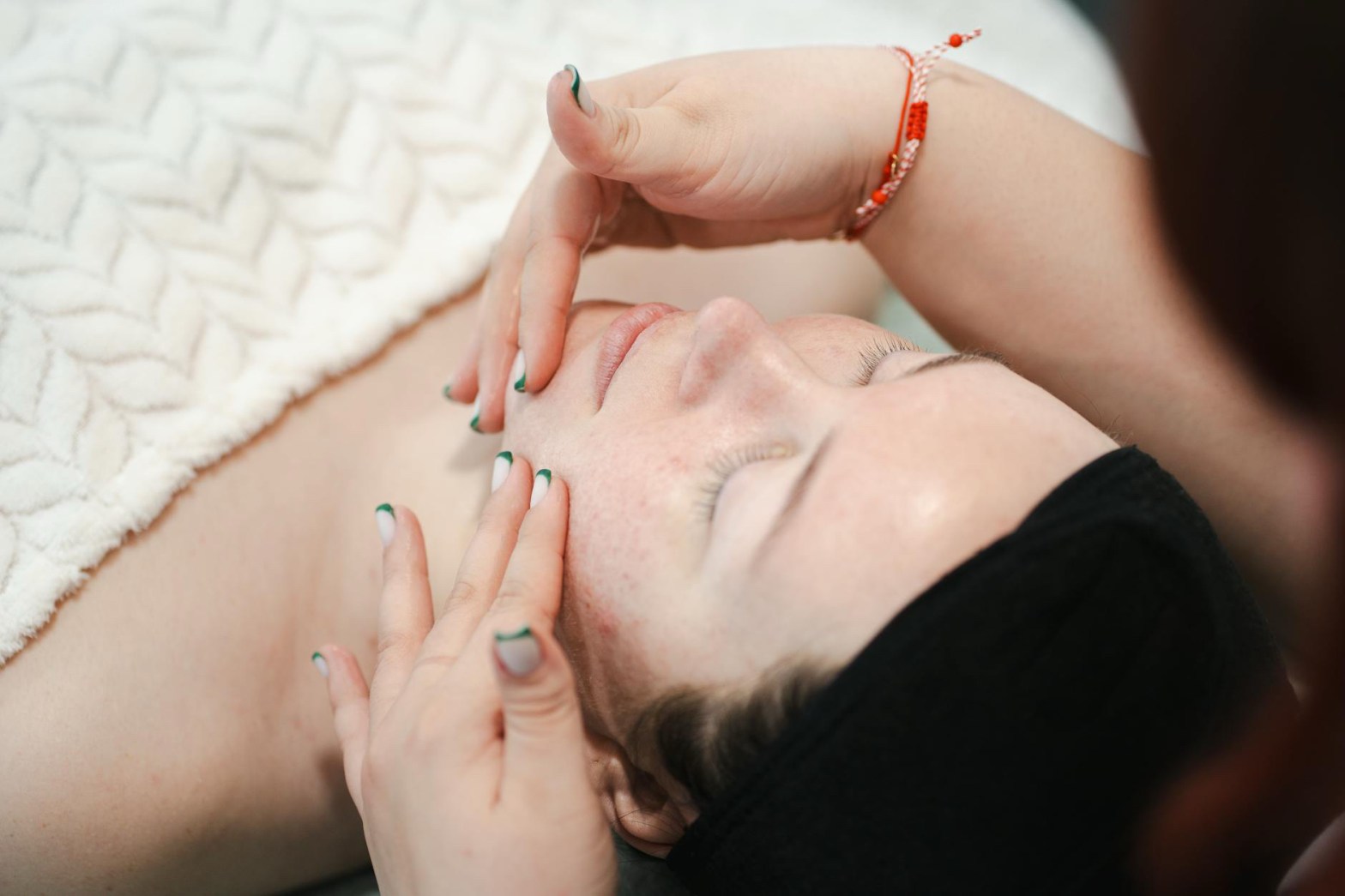
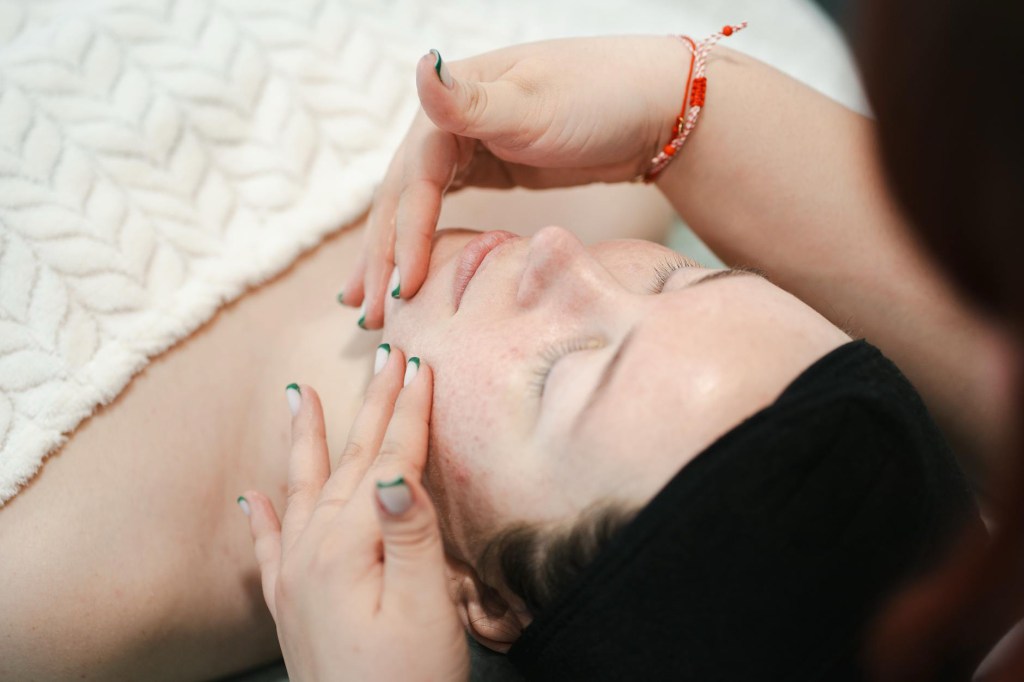
Lymphatic massage is a gentle, rhythmic form of bodywork that encourages the movement of lymph—a clear fluid that carries waste, toxins, and immune cells throughout the body. Unlike blood, which is pumped by the heart, lymph relies on muscle movement and external stimulation to circulate properly.
By using light, sweeping motions in the direction of lymph flow, lymphatic massage helps to:
✔ Reduce fluid retention and swelling
✔ Support immune function
✔ Improve circulation
✔ Aid in detoxification
✔ Promote relaxation
Who Needs Lymphatic Massage?
While lymphatic massage is beneficial for almost everyone, it is particularly helpful for people dealing with:
Post-Surgical Recovery
• Helps reduce swelling and speeds up healing after cosmetic or medical procedures, such as liposuction, tummy tucks, or mastectomies.
Lymphedema & Swelling
• People with lymph node removal or damage (often due to cancer treatments) may experience fluid buildup. Lymphatic massage helps manage this condition.
Autoimmune Conditions
• Those with fibromyalgia, rheumatoid arthritis, or lupus may benefit from lymphatic massage’s ability to reduce inflammation and support detoxification.
Chronic Fatigue & Fibromyalgia
• Lymphatic massage can help boost circulation, improve energy levels, and ease pain.
Poor Circulation & Fluid Retention
• If you experience puffy ankles, bloating, or sluggish circulation, lymphatic massage can encourage better fluid balance.
Detox & Wellness Support
• People looking to support their body’s natural detox pathways may incorporate lymphatic massage into their self-care routine.
How Often Do You Need Lymphatic Massage?
The frequency depends on your goals:
• Post-Surgical Healing: Often recommended 2-3 times per week initially, then tapering off as swelling reduces.
• Lymphedema Management: Regular sessions as advised by a medical professional.
• Detox & Wellness: Monthly or seasonal sessions can help maintain a healthy lymphatic system.
• Chronic Conditions: Weekly or biweekly sessions may provide relief for those with autoimmune disorders or chronic fatigue.
What to Expect During and After a Lymphatic Massage
During the Massage
• The therapist will use light, rhythmic strokes that follow the natural flow of your lymphatic system.
• Pressure is much lighter than a typical deep tissue massage—there should be no pain or discomfort.
• You may feel a sense of relaxation or even light tingling as circulation improves.
After the Massage
• Increased urination – As waste products are flushed out, you may need to use the bathroom more often.
• Mild fatigue or relaxation – Your body is processing toxins, so rest and hydration are key.
• Temporary swelling shifts – Some areas may feel more swollen before drainage takes full effect.
• Feeling refreshed – Many people report feeling lighter and more energized within a day or two.
Self-Care Between Sessions
To maximize the benefits of your lymphatic massage, try these simple habits:
✔ Stay Hydrated – Drinking plenty of water helps flush out toxins.
✔ Move Your Body – Gentle exercise, walking, or rebounding (mini-trampoline) stimulates lymph flow.
✔ Practice Deep Breathing – The diaphragm acts as a lymphatic pump, so deep belly breathing is highly effective.
✔ Dry Brushing – A soft-bristled brush used in upward strokes before showering helps stimulate circulation.
✔ Eat Anti-Inflammatory Foods – Leafy greens, berries, turmeric, and ginger support lymphatic function.
When to Avoid Lymphatic Massage
Lymphatic massage is generally safe, but it’s not recommended for people with:
✘ Active infections – Can spread bacteria throughout the body.
✘ Congestive heart failure – Can overload the heart if excess fluid is moved too quickly.
✘ Blood clots (DVT) – Could dislodge a clot, leading to serious complications.
✘ Kidney disease – The body may struggle to process extra fluids.
✘ Untreated cancer – While lymphatic massage is used post-cancer treatment, it’s not advised if cancer is still active.
Final Thoughts
Lymphatic massage is a powerful yet gentle therapy that supports detoxification, immune health, and healing. Whether you’re recovering from surgery, managing chronic conditions, or simply looking for a wellness boost, this specialized massage can help your body function at its best.
Let’s Keep the Conversation Going
Have you tried lymphatic massage? What was your experience like? Share your thoughts in the comments below!
Disclaimer
This article is for educational purposes only and does not replace medical advice. If you have a medical condition, consult your doctor before beginning any new treatment.

 Tranquil Touch Wellness: Jennifer Richards, LMT