By Jennifer Richards 2025
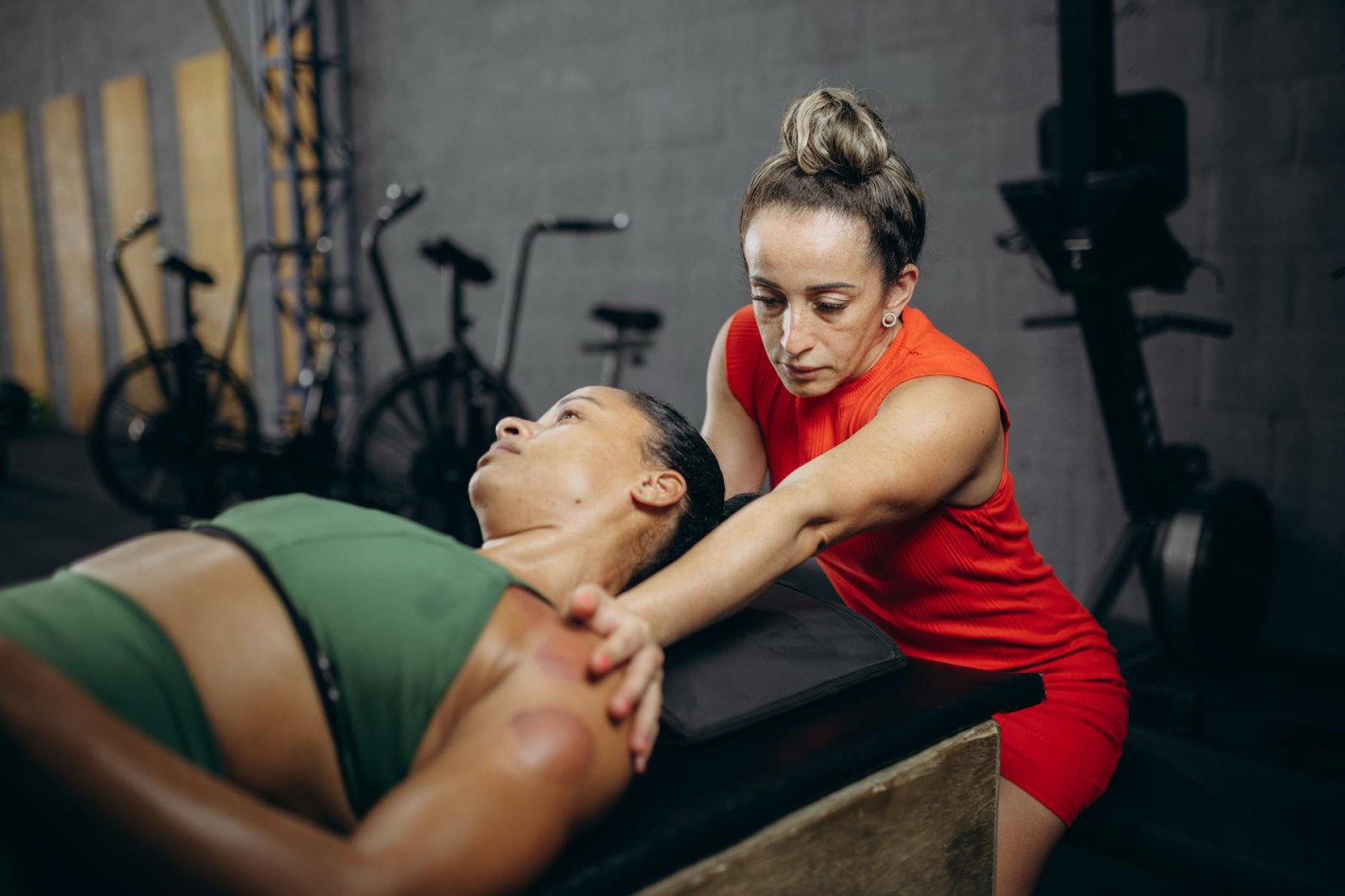
Sports massage is a specialized form of massage therapy designed to help athletes and physically active individuals prevent injuries, enhance performance, and speed up recovery. Whether you’re a professional athlete, weekend warrior, or just someone who exercises regularly, sports massage can be a game-changer in your routine.
What Is Sports Massage?
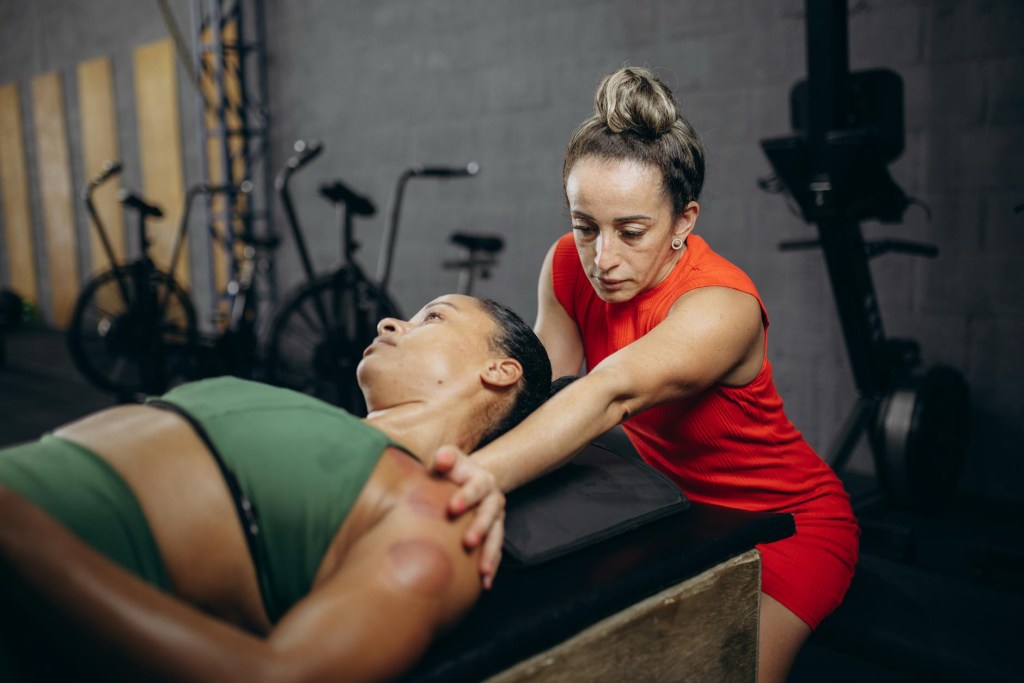
Sports massage combines techniques from Swedish massage, deep tissue massage, trigger point therapy, and stretching to improve muscle function, flexibility, and circulation. It focuses on areas of the body that experience repetitive stress or strain due to sports and physical activity.
Unlike relaxation massage, sports massage is goal-oriented—whether that goal is preparing for an event, recovering from an injury, or improving overall performance.
Who Needs Sports Massage?
Sports massage is beneficial for:
✔ Athletes of all levels – from casual runners to professional competitors
✔ People with physically demanding jobs – such as construction workers, dancers, and personal trainers
✔ Those recovering from sports injuries – to help speed up healing and reduce scar tissue formation
✔ Anyone with muscle tension or imbalances – even if they’re not actively engaged in sports
If you experience muscle stiffness, joint pain, decreased flexibility, or chronic tension, sports massage can help restore balance and movement.
The Benefits of Sports Massage
1. Injury Prevention
• Identifies tight, overused muscles before they become injuries
• Increases flexibility and range of motion to reduce strain
• Breaks down adhesions and scar tissue
2. Faster Recovery
• Improves circulation, delivering nutrients and oxygen to tired muscles
• Reduces muscle soreness and inflammation after workouts
• Speeds up the removal of metabolic waste like lactic acid
3. Enhanced Performance
• Improves muscle efficiency and endurance
• Helps with neuromuscular coordination
• Allows athletes to train harder and recover quicker
4. Stress and Pain Relief
• Reduces muscle tension and trigger points
• Helps relieve headaches, joint pain, and nerve compression
• Lowers cortisol levels, improving mental focus
Types of Sports Massage Techniques
Depending on your needs, a sports massage session may include:
Pre-Event Massage
• Given before a competition or workout
• Uses quick, stimulating strokes to warm up muscles
• Improves blood flow and reduces the risk of injury
Post-Event Massage
• Given after an event to help muscles recover
• Uses slower, soothing strokes to reduce soreness and swelling
Maintenance Massage
• Regular sessions to keep muscles in top condition
• Addresses muscle imbalances, tension, and overuse injuries
Rehabilitation Massage
• Used when recovering from an injury
• Focuses on scar tissue breakdown, range of motion, and pain relief
How Often Do You Need Sports Massage?
The frequency of sports massage depends on your activity level and goals. Here are general guidelines:
🏋️ Active athletes: 1–2 times per week for maintenance
🏃 Regular exercisers: Every 2–4 weeks for injury prevention
🛌 Injury recovery: Weekly or as needed until healed
💆 General wellness: As needed for tension relief and flexibility
What to Expect During a Sports Massage
• Your therapist will assess your muscles and movement patterns to determine problem areas.
• The massage may involve deep pressure, stretching, and trigger point work.
• You might feel some discomfort, but it should never be unbearable.
• Afterward, you may experience temporary soreness, but this fades within a day or two.
Pro Tip: Stay hydrated after your session to flush out toxins and prevent soreness.
Final Thoughts
Sports massage isn’t just for athletes—it’s for anyone who wants to move better, recover faster, and feel their best. Whether you’re training for a marathon, recovering from an injury, or just want to stay pain-free, sports massage can help you reach your goals.
Let’s Keep the Conversation Going
Have you tried sports massage? How has it helped you? Share your experience in the comments!
Disclaimer
This article is for educational purposes only and is not a substitute for professional medical advice. If you have a serious injury or medical condition, consult with a healthcare provider before receiving sports massage.

 Tranquil Touch Wellness: Jennifer Richards, LMT