By Jennifer Richards 2025
What Is Reiki?
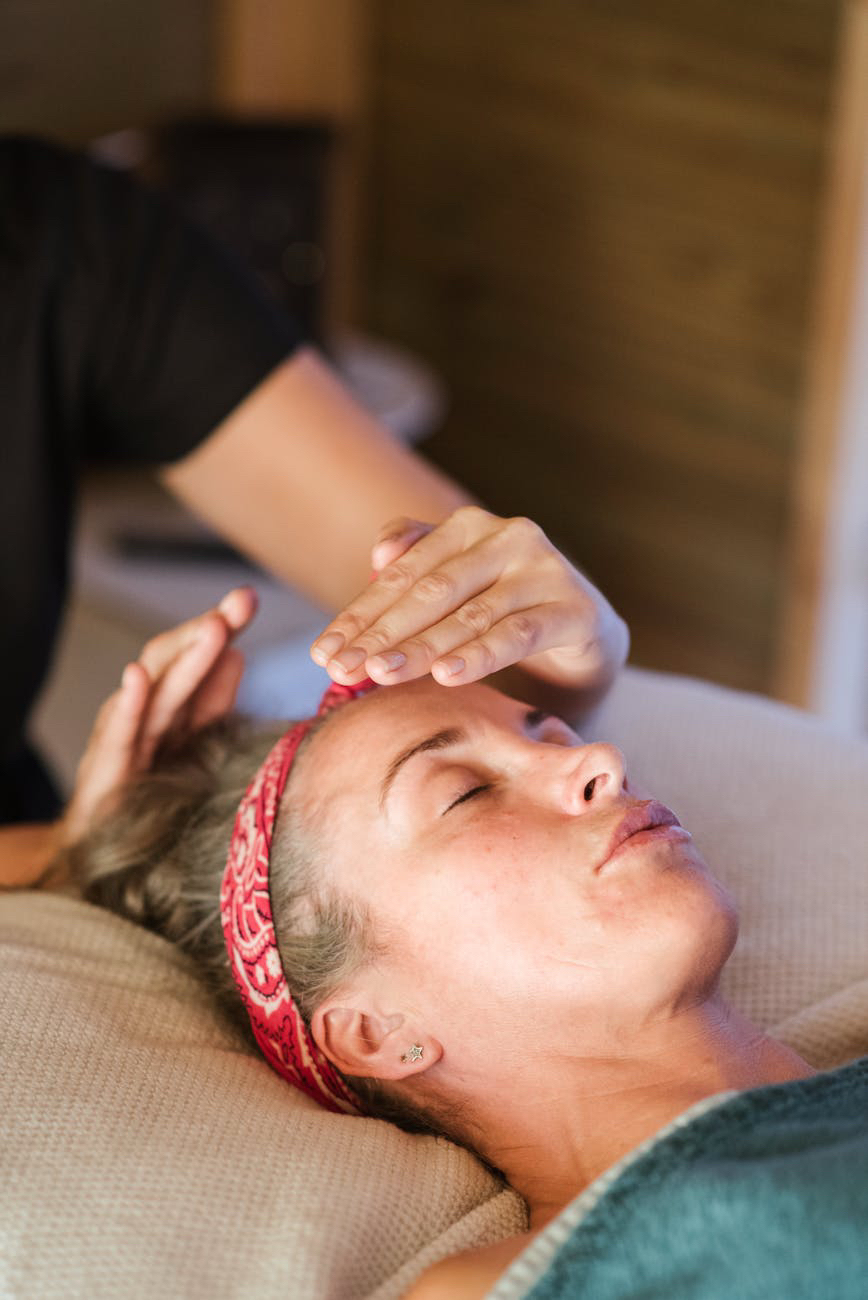
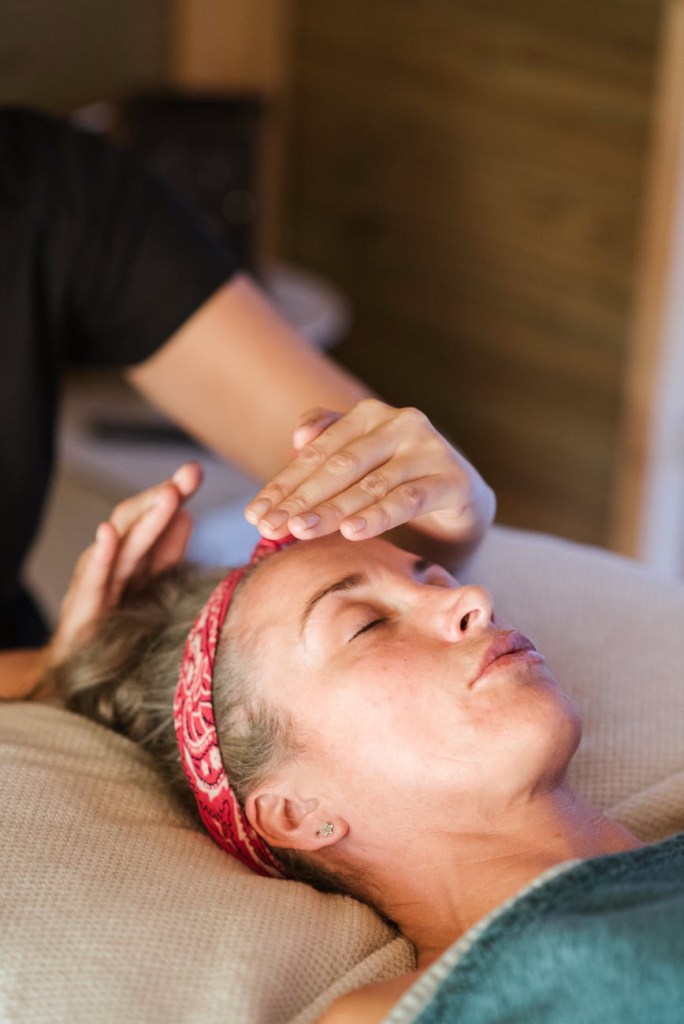
Reiki is a Japanese energy healing technique that promotes relaxation, stress reduction, and overall well-being. The word “Reiki” comes from Rei (universal) and Ki (life energy). Practitioners channel this universal life force energy through their hands to help balance the recipient’s energy. It’s typically performed with the client fully clothed, lying on a massage table or seated in a chair.
What Reiki Is Not
Reiki is not a religion, massage, or a replacement for medical treatment. It’s also not about diagnosing or curing disease. There are no manipulations of muscles or joints, and practitioners do not control or direct the client’s energy—Reiki is believed to flow where it’s needed.
What Reiki Can Do
Promote deep relaxation Help reduce stress and anxiety Support emotional healing Encourage better sleep Complement traditional medical or therapeutic treatments Provide a sense of spiritual or energetic renewal.
What Reiki Doesn’t Do
It doesn’t cure diseases or replace medical care It doesn’t guarantee specific outcomes It doesn’t require belief to “work,” but being open can enhance the experience It doesn’t interfere with other modalities—in fact, it often pairs well with them
Does Reiki Work?
Many people report feeling calmer, lighter, or more balanced after Reiki. Scientific studies are limited but growing—some suggest benefits in pain management, stress reduction, and emotional regulation. Like many holistic practices, its effectiveness can be subjective and depends on the individual’s receptivity and goals.
How Does It Work?
The mechanism behind Reiki isn’t fully understood from a scientific standpoint. It’s often explained through the lens of energy fields, subtle bodies, and vibrational frequency. From a practical standpoint, even if you view Reiki as a deeply intentional and quiet space for rest, that alone has value.
Other Energy Healing Modalities
Reflexology: Focuses on pressure points in the feet, hands, or ears to affect the whole body’s energy. Therapeutic Touch: A nurse-developed modality that involves moving hands just above the body to balance energy. Healing Touch: A heart-centered energy therapy used in clinical and hospital settings. Qi Gong: A Chinese system of movement, breathing, and meditation to cultivate and balance life energy. Crystal Healing: Uses the energetic properties of crystals to influence the body’s energy field. Polarity Therapy: Combines touch, movement, and awareness to align energy flow. Reconnection or Reconnective Healing: A newer modality focused on accessing a broader spectrum of energy frequencies.
What Else Should You Know?
Reiki can be used on people, animals, and even plants. Sessions can be done in person or from a distance. Many people incorporate Reiki into self-care or spiritual practice. It’s gentle, non-invasive, and doesn’t require disrobing. Some massage therapists (like me!) incorporate Reiki into bodywork if the client is open to it.
Disclaimer:
This blog is for educational and informational purposes only. Reiki is not a substitute for medical advice, diagnosis, or treatment. Always consult with a qualified healthcare provider about any health concerns or medical conditions. Reiki can be a supportive complement, but it is not a cure.
Curious or Have Questions?
I’d love to hear your thoughts or experiences with Reiki. Whether you’re skeptical, curious, or already a believer, let’s talk. Holistic wellness is about exploration, and every journey is personal.

 Tranquil Touch Wellness: Jennifer Richards, LMT