By Jennifer Richards 2025
What is Prenatal Massage?
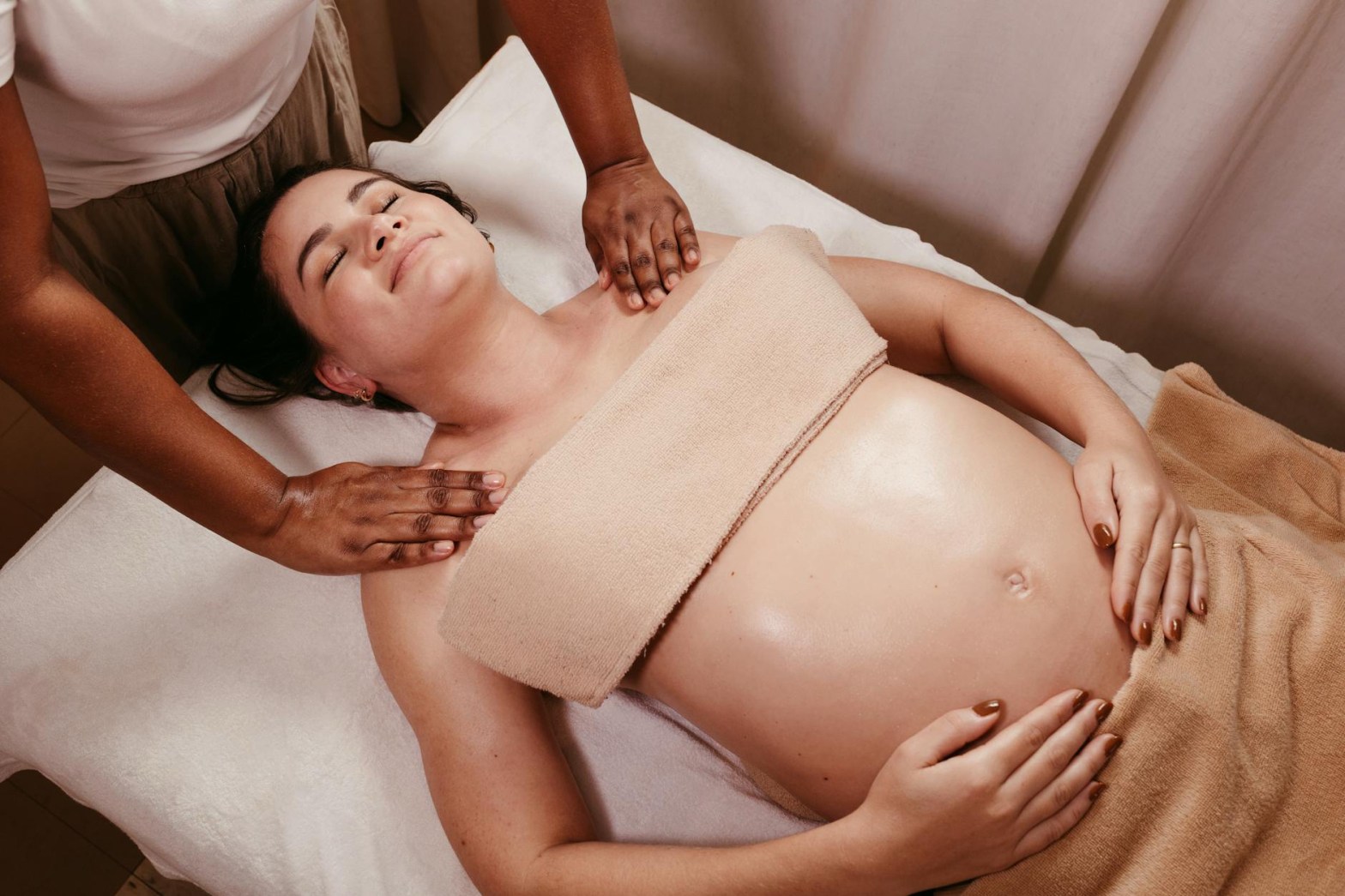
Prenatal massage is a specialized form of therapeutic bodywork tailored to support the changing needs of pregnant individuals. It helps relieve common pregnancy discomforts like back pain, hip tension, swelling, and fatigue, while also promoting relaxation, circulation, and overall well-being.
Who Should Perform a Prenatal Massage—and Why
Only a licensed massage therapist (LMT) with specific training in prenatal massage should provide this service. Pregnancy brings unique physiological changes that require knowledgeable, safe positioning and pressure techniques. A trained professional understands how to adapt each session depending on the stage of pregnancy and individual needs.
How Important is Doctor Approval?
It’s best to get your doctor’s (or midwife’s) OK before booking a prenatal massage—especially in high-risk pregnancies or if you have underlying medical conditions. Some practices or therapists may require a written release depending on how far along you are or if there are any complications. Your provider can help determine whether massage is a safe option for you.
What Does the Massage Therapist Need to Know?
To provide a safe and effective massage, your therapist needs to know:
How far along you are Any complications or risk factors (e.g., preeclampsia, placenta previa, gestational diabetes) If you’re carrying multiples Your comfort level and preferences Doctor or midwife recommendations Any current discomforts or symptoms
How Can the Therapist Help During Your Journey?
Prenatal massage can:
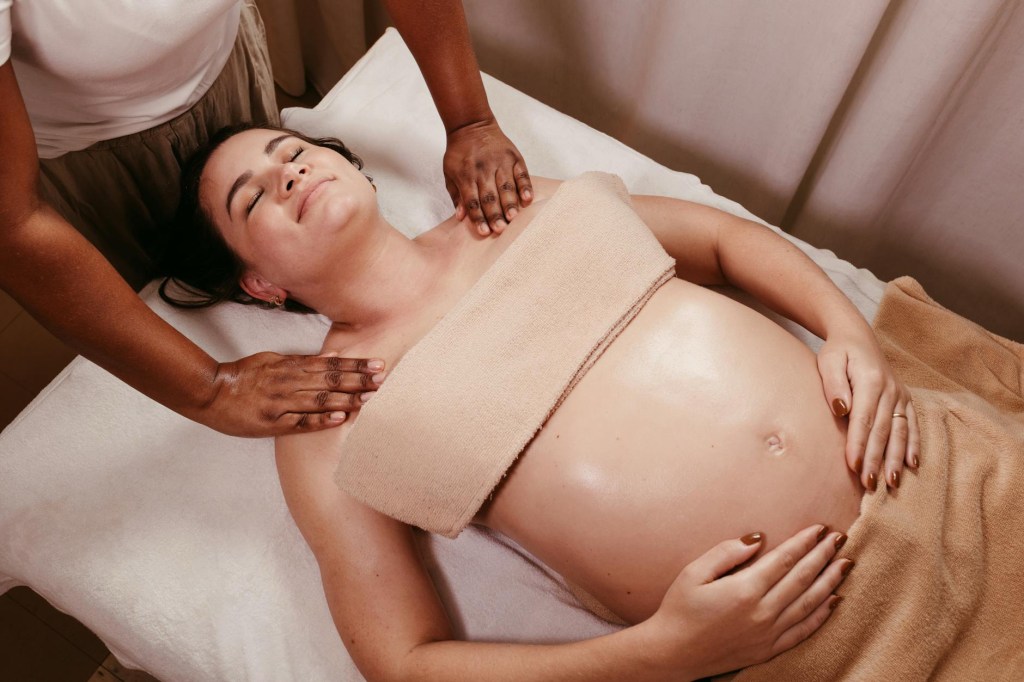
Ease muscle tension and joint pain Reduce stress, anxiety, and insomnia Improve circulation and reduce swelling Support posture changes as your body adapts Help prepare you mentally and physically for labor Offer a calm, nurturing space for relaxation and body awareness
Massage Positions During Pregnancy
After the first trimester, lying flat on your back can reduce circulation to both you and your baby. That’s why prenatal massage typically uses side-lying or semi-reclined positions supported by pillows or bolsters to ensure safety and comfort. A trained therapist knows how to adjust your position to relieve pressure on sensitive areas and keep you fully supported.
When Massage May Not Be Appropriate
While prenatal massage is generally safe, there are times it may need to be postponed or avoided. These include:
Signs of preterm labor or bleeding Severe swelling, especially in the face or hands High blood pressure or preeclampsia Deep vein thrombosis (DVT) or unexplained leg pain Recent trauma or illness Placenta previa (in later pregnancy) In these cases, massage could aggravate symptoms or mask a serious issue. Always inform your therapist of any new developments.
Why It’s Crucial to Share Health Changes During Pregnancy
Pregnancy can shift quickly—what was safe and comfortable one week may not be the next. Be sure to notify your massage therapist about:
Changes in fetal movement New pain, discomfort, or swelling Dizziness or headaches Spotting or unusual discharge Recent medical visits or diagnoses
Your therapist will adjust their techniques and may even refer you back to your provider if needed. Clear communication helps ensure both safety and effectiveness.
Disclaimer:
This content is for educational purposes only and should not be used as a substitute for medical advice, diagnosis, or treatment. Always consult with your doctor, midwife, or healthcare provider before receiving prenatal massage. Licensed massage therapists are not medical professionals and cannot diagnose medical conditions or provide treatment for complications. If you have concerns about your pregnancy or experience any unusual symptoms, seek medical attention promptly.

 Tranquil Touch Wellness: Jennifer Richards, LMT