By Jennifer Richards 2025
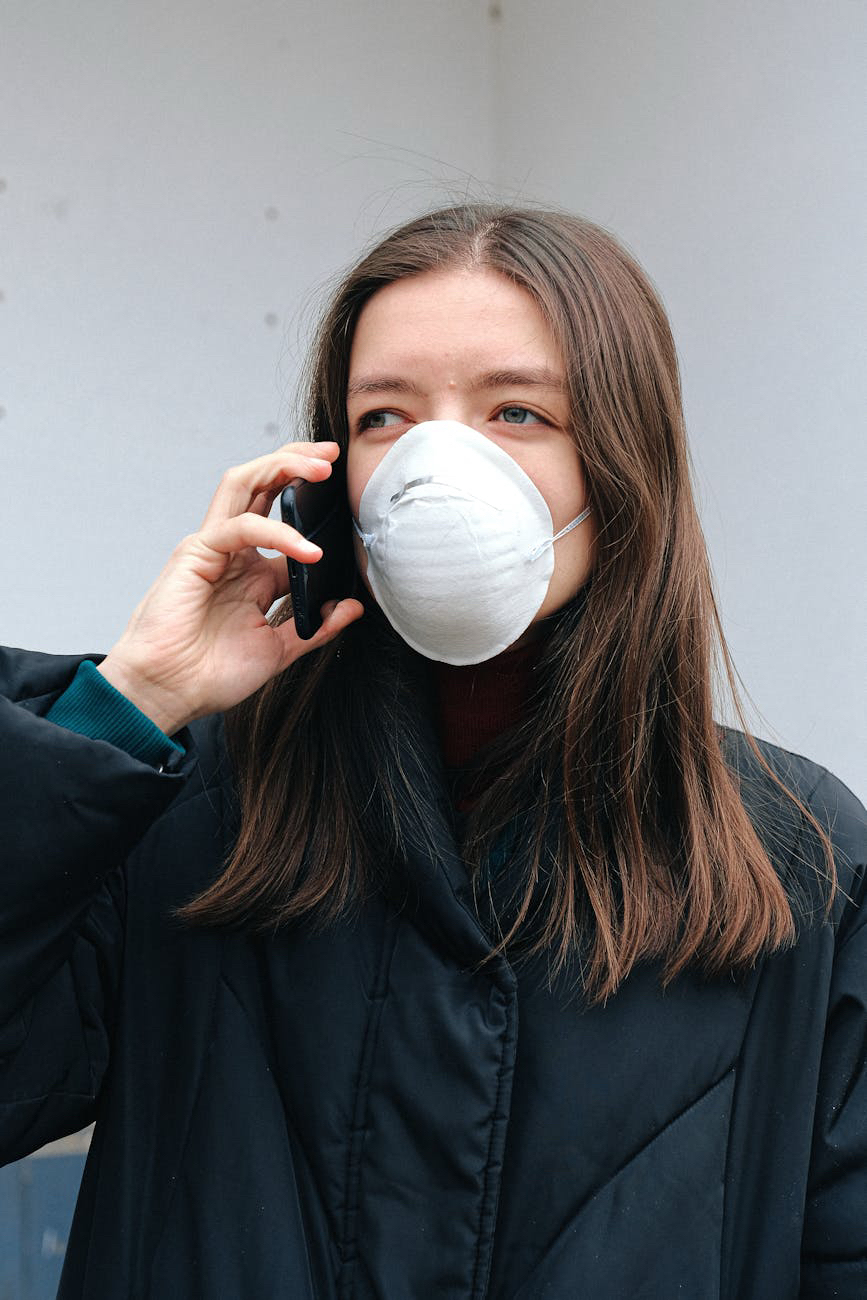
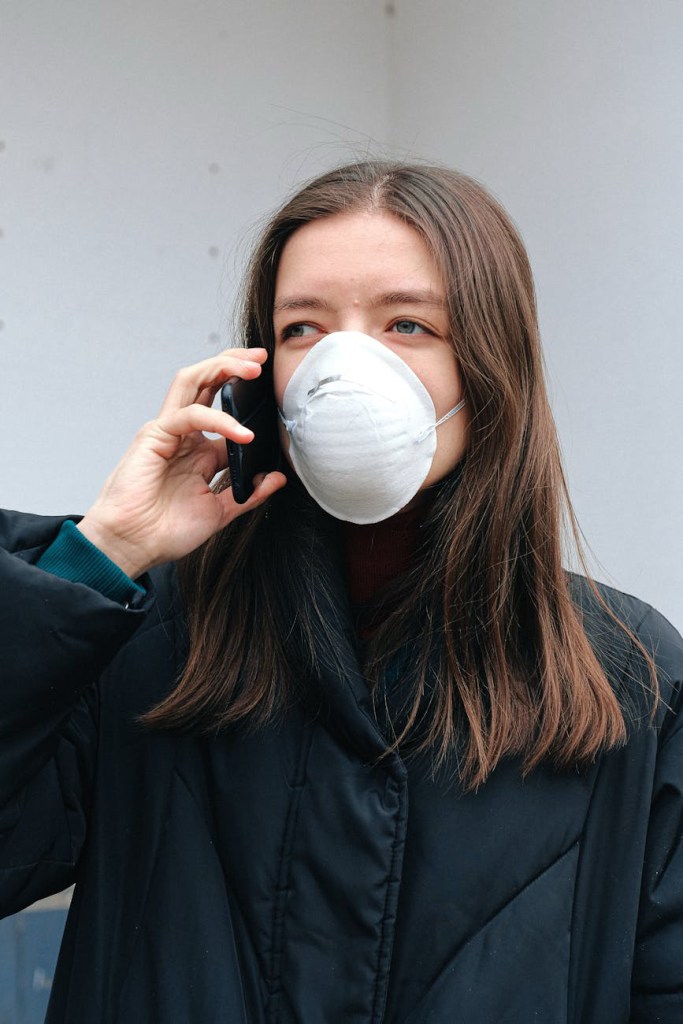
Long COVID can bring a wide range of lingering symptoms that affect daily life—fatigue, body pain, brain fog, anxiety, sleep disturbances, and more. While there is no single solution, massage therapy may offer gentle, supportive care as part of a broader wellness plan.
Potential Benefits of Massage for Long COVID
Relieving Muscle and Joint Discomfort
Persistent muscle soreness, joint pain, or tension is common among those recovering from COVID-19. Gentle massage techniques like Swedish or myofascial release may help ease this discomfort and promote mobility.
Encouraging Lymph Flow
A sluggish lymphatic system can contribute to fatigue, brain fog, and inflammation. Manual Lymphatic Drainage (MLD) is a light-touch technique that can support detoxification and immune function without overstimulating the body.
Calming the Nervous System
Anxiety, depression, and emotional overwhelm are often part of the Long COVID experience. Massage helps activate the parasympathetic (rest-and-digest) system, encouraging a sense of safety, relaxation, and emotional ease.
Supporting Restorative Sleep
Many clients report improved sleep quality after massage sessions—a key piece of healing for those struggling with insomnia or non-restorative sleep.
Promoting Body Awareness
Long COVID can leave people feeling disconnected from their bodies. Gentle massage helps bring attention to subtle shifts, fostering mindfulness and hope during recovery.
Special Considerations
Start Gently: Pressure and session length should be tailored to your energy levels and symptom sensitivity.
Watch for Post-Exertional Malaise (PEM): Some people experience delayed flares after activity—even massage. Communicate openly about how you feel during and after sessions.
Autonomic Challenges: Conditions like POTS may require extra care with positioning and pacing. Emotional Safety: Touch can stir up unexpected feelings. You are always in control—massage should never feel overwhelming or invasive.
Collaborative Care: Massage is one supportive tool. It works best when integrated with medical guidance, rest, nutrition, and other forms of self-care.
Recommended Techniques
Manual Lymphatic Drainage (MLD)
Craniosacral Therapy
Gentle Swedish Massage
Myofascial Release
Reiki or Energy Work
Reflexology
Disclaimer:
This information is for educational purposes only and is not intended to diagnose, treat, or replace medical care. Always consult with your healthcare provider before beginning any new bodywork or wellness practice—especially if you are living with Long COVID or any complex condition. If you have questions or need support finding a safe approach to massage, I’m here to help.

 Tranquil Touch Wellness: Jennifer Richards, LMT