By Jennifer Richards 2025
When people think of massage therapy, they often imagine a quiet room, soft music, and soothing scents—and yes, that’s part of it. But for the person giving the massage, it’s a full-body, full-mind effort that takes real energy, training, and endurance.
In fact, 1 hour of massage can feel like 2 hours at a regular job. Why? Because we’re not just rubbing backs—we’re engaging our whole body and mind in a precise, repetitive, and deeply attentive process.
Let’s break it down:
Calories burned per session: On average, a massage therapist burns 200–400 calories per hour, depending on the pressure, pace, and techniques used.
That’s about the same as:
Practicing Tai Chi or slow-flow yoga
Going for a brisk walk
Doing moderate gardening or light construction work
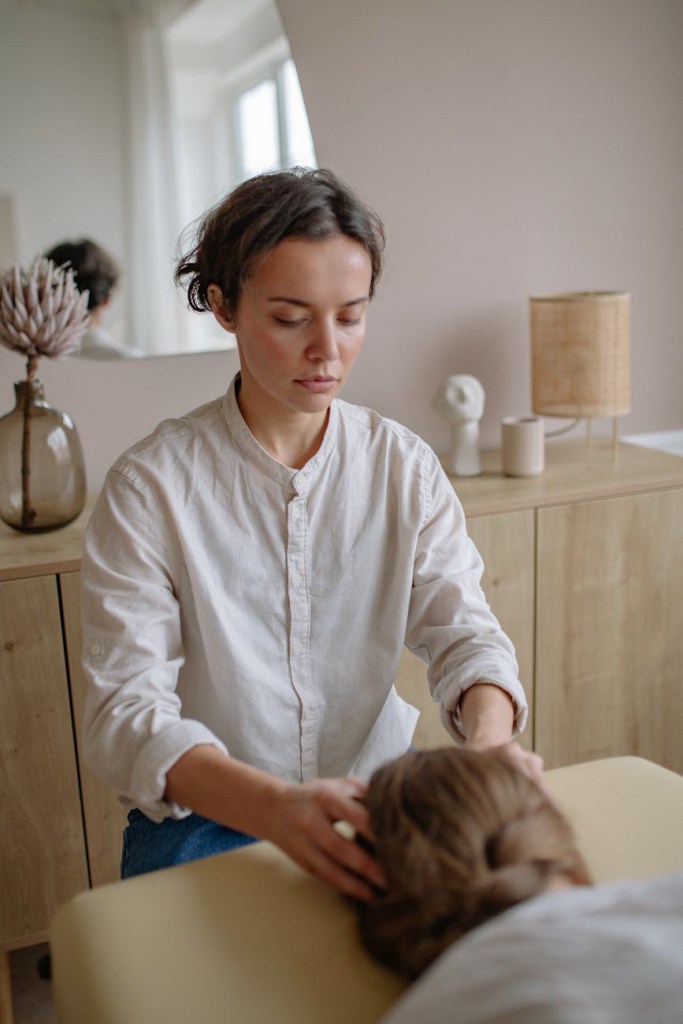
Muscle engagement: Every massage uses our legs, core, shoulders, arms, and hands—not just for applying pressure, but for balance, posture, and long-term injury prevention. We move like dancers, but with resistance training built into every motion.
Mental focus: We’re trained to notice things most people miss—like the subtle shift of a muscle, a change in breath, a twitch or flinch. Each moment requires focus and presence, adjusting pressure, pace, and technique as the body responds.
Emotional holding: Massage releases more than knots. Clients bring in stress, anxiety, grief, pain, or trauma—and we hold space for all of it with calm, compassion, and healthy boundaries. That emotional labor is invisible, but very real.
What does it feel like to give a massage?
“Imagine doing slow, intentional Tai Chi for an hour—while also carrying groceries, listening to someone vent about their bad day, and solving a 3D puzzle with your hands. Then, take a short break… and do it again 4–6 times in a row.”
That’s a day in the life for many massage therapists.
So next time you’re on the table…
Know that we love what we do—but it’s not easy. Massage therapy is physically demanding, emotionally present work. The calm you feel is the result of training, strength, and deep intention.
We’re not just working on your body—we’re working with it.
And that’s why we stretch, hydrate, and rest too.

 Tranquil Touch Wellness: Jennifer Richards, LMT