By Jennifer Richards 2025
Gua Sha (pronounced gwah-shah) is an ancient healing technique that has gained renewed popularity in recent years—and for good reason. Rooted in Traditional Chinese Medicine (TCM), this hands-on practice is used to release muscle tension, improve circulation, and support the immune system. But behind the jade tools and viral beauty trends is a centuries-old tradition that goes far beyond the surface.
The History of Gua Sha
Gua Sha dates back over 2,000 years and is mentioned in classical Chinese medical texts. The name comes from two words: “gua,” meaning to scrape or rub, and “sha,” which refers to the red, raised marks that often appear on the skin after treatment. Traditionally, Gua Sha was used to move stagnant qi (energy), encourage blood flow, and stimulate the body’s natural healing processes.
Originally, practitioners used whatever tools were available—spoons, coins, animal horns, or pieces of ceramic—to scrape the skin. Today, modern Gua Sha tools are usually made from smooth materials like jade, rose quartz, or stainless steel.
What Is Gua Sha?
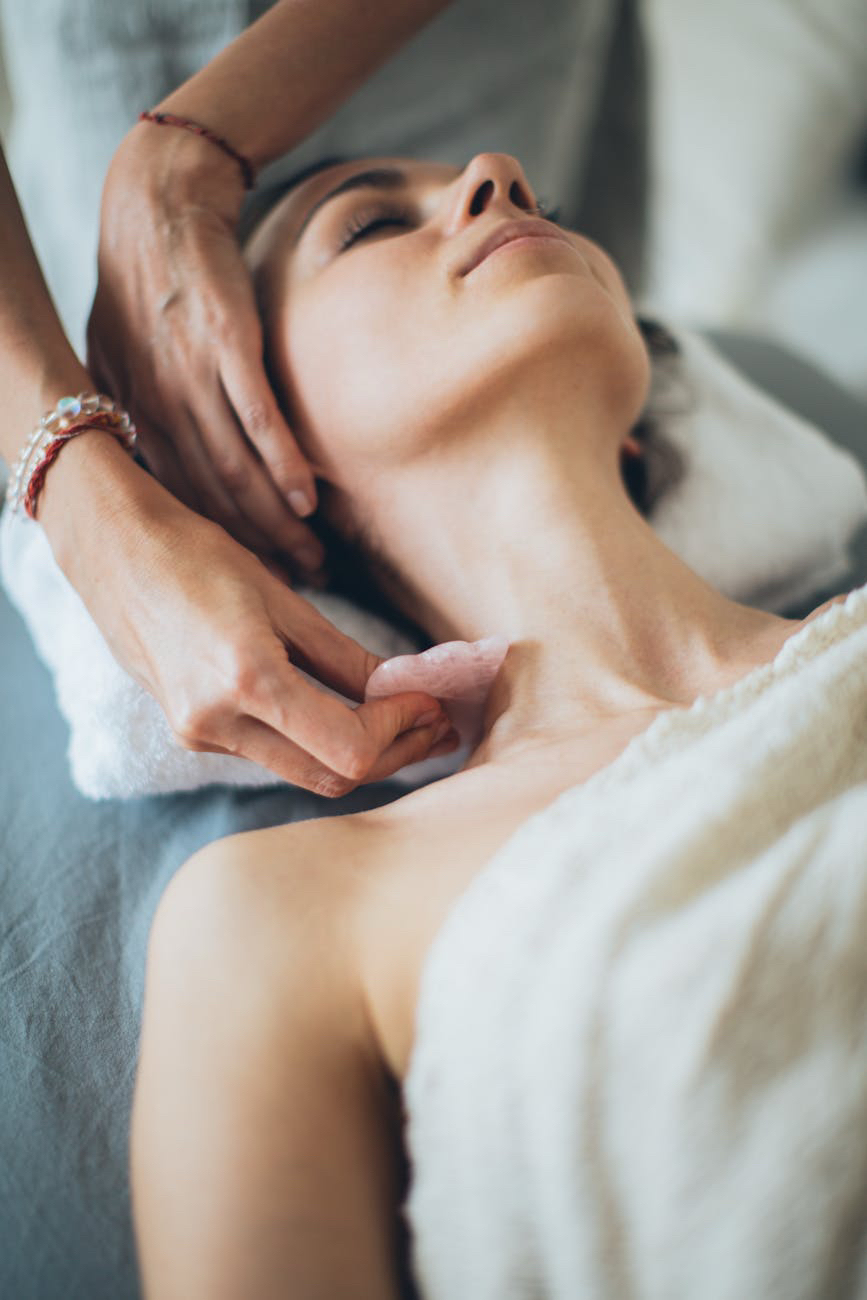
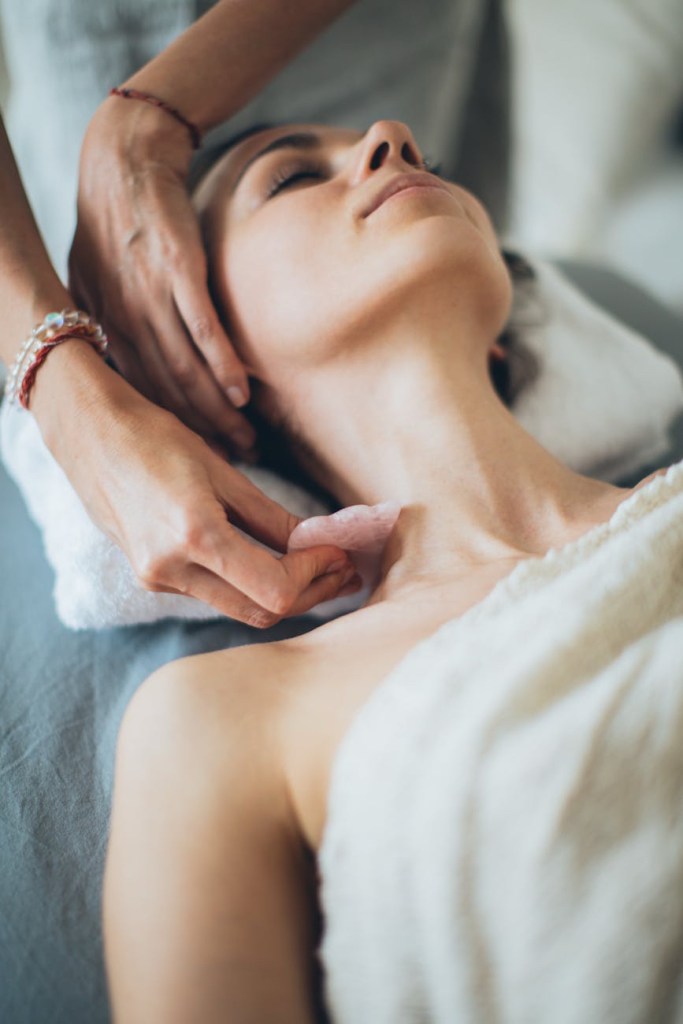
Gua Sha involves using a smooth-edged tool to apply repeated strokes to the skin, often along the muscles or meridian lines. Depending on the intention, the pressure can be light or deep. It’s most commonly performed on the back, neck, shoulders, or limbs, but facial Gua Sha (using gentler techniques) has also become popular for aesthetic purposes.
Unlike a typical massage, Gua Sha may leave visible red or purple marks known as petechiae or sha. These marks are not bruises but indicate increased blood flow to the area and usually fade within a few days.
Why Is Gua Sha Used?
Gua Sha is often used to:
Reduce muscle pain and tension Improve lymphatic flow Relieve symptoms of colds, flu, or respiratory conditions Stimulate circulation Address stagnation and inflammation Promote detoxification Support the immune system Enhance skin tone and reduce puffiness (especially in facial Gua Sha)
It’s a powerful technique that bridges muscular, energetic, and lymphatic systems—making it a valuable tool in both therapeutic massage and holistic wellness sessions.
Contraindications and Cautions
While Gua Sha is generally safe, there are times when it is not recommended or should be modified. Some contraindications include:
Broken, sunburned, or inflamed skin Recent surgeries, injections, or filler in the area being treated Blood-thinning medications or bleeding disorders Active infections, fever, or illness Pregnancy (certain areas should be avoided) Severe varicose veins or deep vein thrombosis (DVT) Fragile skin or connective tissue disorders (use lighter pressure and professional guidance)
It’s important to communicate with your massage therapist about your health history and current conditions to ensure Gua Sha is appropriate for you.
Gua Sha in Modern Massage
In the hands of a skilled practitioner, Gua Sha can be integrated into a massage therapy session to address chronic tension, support lymphatic drainage, and enhance overall well-being. At Tranquil Touch Wellness, I often use Gua Sha in combination with other massage techniques, customizing each session to support your specific goals—whether it’s deep relaxation, pain relief, or boosting immune health.
What to Expect After a Session
Post-treatment, you may feel sore (like after a good workout), but most people experience a sense of relief, lightness, and clarity. It’s important to drink water, rest, and allow the body to process the increased circulation and lymphatic flow.
The marks that appear will fade, but their presence shows the body is responding—moving stagnation and releasing tension that may have been stored for a long time.
Disclaimer: This blog is for educational purposes only and does not replace professional medical advice. Always consult with your healthcare provider before beginning any new bodywork or wellness practices, especially if you have underlying conditions or take medication.
Curious if Gua Sha is right for you?
Let’s talk! Whether you’re new to this ancient practice or looking to deepen your self-care routine, I’m here to help you explore the best options for your unique body and wellness goals.

 Tranquil Touch Wellness: Jennifer Richards, LMT