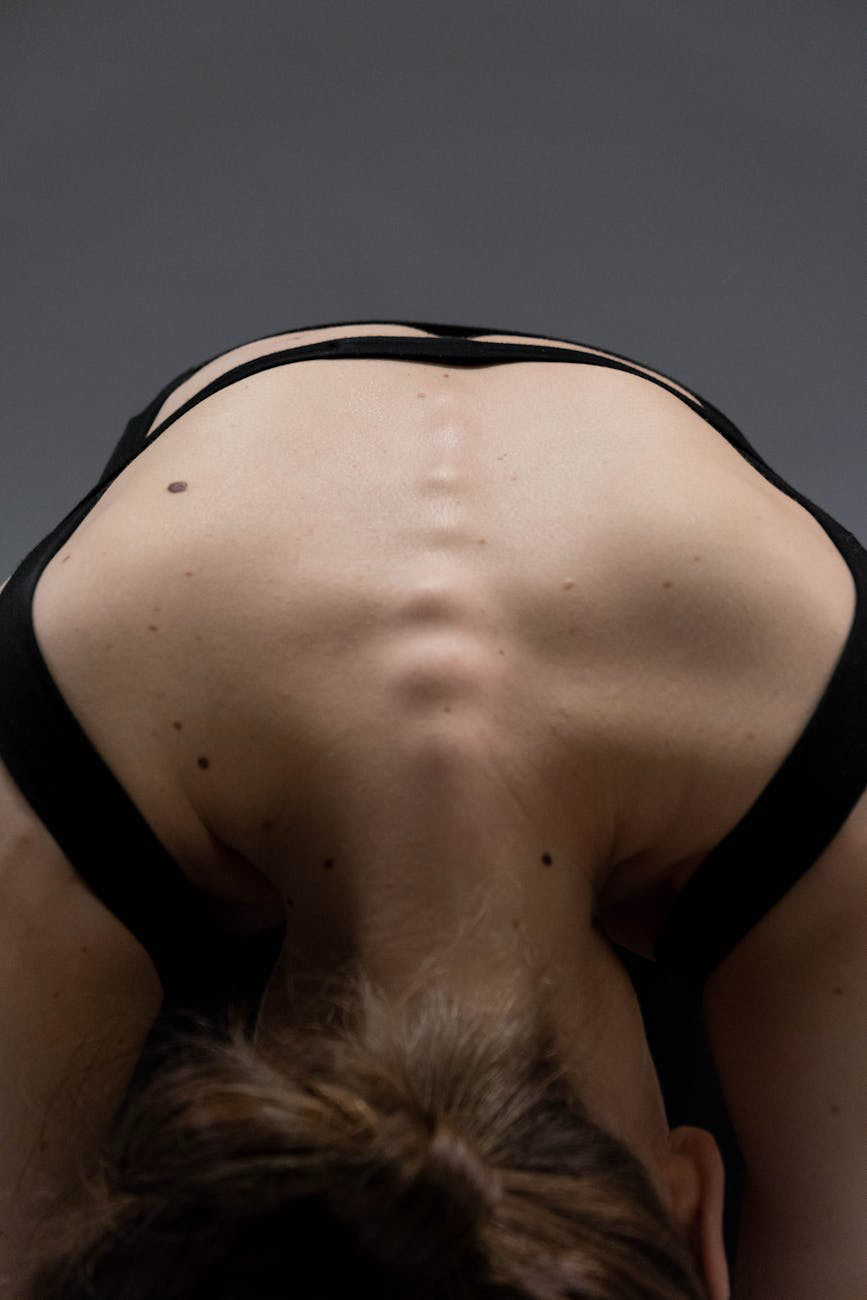
(And How Massage and Stretching Can Help)
By Jennifer Richards 2025
Ever find yourself slouching at your desk, leaning to one side while scrolling your phone, or waking up with a stiff neck and sore lower back? These little habits are part of something called body mechanics—the way you use your body every day to sit, stand, walk, lift, and move.
Over time, poor body mechanics can lead to pain, tension, and even internal strain on your organs. That’s where massage, stretching, and mindful movement come in.
What Are Body Mechanics?
Body mechanics are simply how we hold and move our bodies. Think of it as your personal movement blueprint. Good body mechanics mean:
Standing with balanced posture Moving from your hips rather than twisting your spine Using your legs instead of your lower back when lifting Keeping your neck and shoulders relaxed instead of hunched
When your body is aligned and moving well, your muscles don’t have to work as hard, your organs have more room to function, and your joints last longer. It’s like keeping your car tires aligned—everything runs more smoothly with less wear and tear.
Why It Matters
Many common aches and pains—especially in the neck, shoulders, back, and hips—are caused or made worse by poor posture and movement habits. But the effects go deeper than that:
Slouching compresses your internal organs, reducing space for your lungs to expand and your digestive organs to work efficiently. Over time, this can lead to discomfort, shallow breathing, and sluggish digestion. Leaning the head forward (like when looking down at your phone) significantly increases the strain on your neck and spine. While your head weighs about 10–12 pounds when upright, tilting it forward by just a few inches increases the effective weight to up to 40 pounds—imagine holding a heavy bowling ball for hours every day! Similarly, bending from your lower back instead of your hips puts excessive stress on the spine. This poor movement pattern can lead to fatigue, muscle spasms, and long-term injury.
How Massage and Stretching Can Help
Massage isn’t just for relaxation—it’s an important tool for restoring balance and supporting good body mechanics.
Massage therapy helps release tight muscles, reduce pain, and bring awareness to areas of tension. When muscles are relaxed and circulation is improved, your body can move more freely and naturally. Stretching (whether on your own or as part of your session) improves flexibility and posture, making it easier to maintain healthy movement habits. Body awareness is a hidden benefit of regular massage—you start noticing how you carry yourself and how small changes make a big difference.
Together, massage and stretching help “reset” your body so you can move with more ease and less effort.
Small Shifts, Big Results
You don’t need to be perfect. Even small changes in how you sit, stand, and move throughout your day can reduce strain and improve how you feel. Here are a few tips you can start with:
Check in with your posture during the day Take stretch breaks (especially if you sit a lot) Get regular massage to support your muscles and alignment Stay active in gentle ways—walking, swimming, yoga, etc. Ask your massage therapist about self-care tips between sessions
Invest in Your Body’s Future
Your body is with you for life—treating it with care now means fewer aches, more energy, and greater freedom down the road. Massage and stretching aren’t just luxuries—they’re tools to help you live better, longer, and with less pain.
If you’re feeling stiff, sore, or out of balance, let’s work together to help restore movement, comfort, and alignment in your body. Your future self will thank you!
Disclaimer:
This post is for general educational purposes and is not a substitute for professional medical advice. Always consult with your healthcare provider before beginning any new bodywork, stretching, or exercise program—especially if you have existing health conditions or chronic pain.

 Tranquil Touch Wellness: Jennifer Richards, LMT