By Jennifer Richards 2025
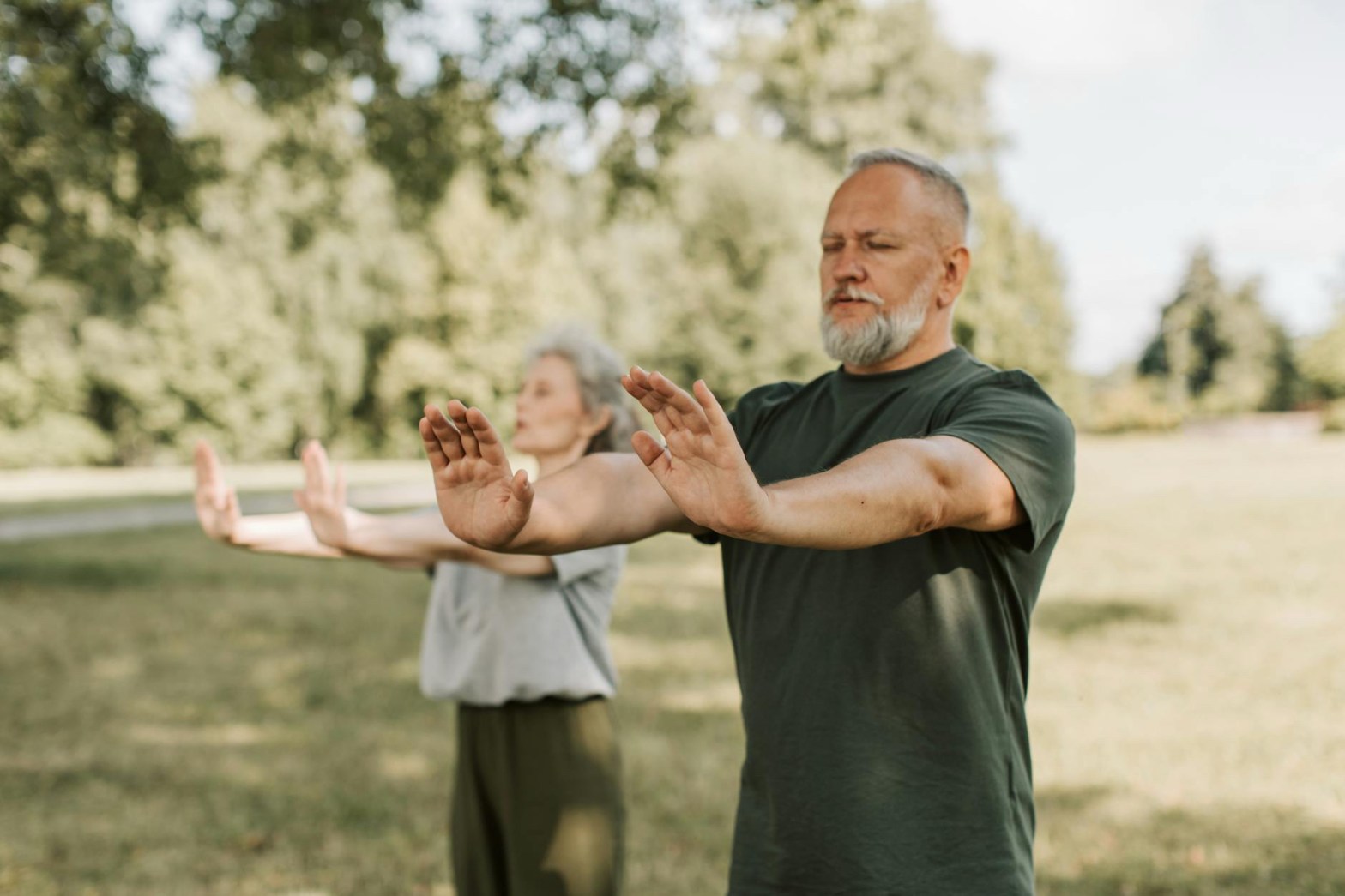
In a world where everything moves fast, Qi Gong and Tai Chi invite us to slow down—not just to rest, but to reconnect. These two practices, rooted in Traditional Chinese Medicine (TCM) and Taoist philosophy, use gentle, intentional movement to harmonize the body, breath, and mind.
They aren’t just “exercise.” They’re healing arts—tools for moving Qi (vital energy), relieving stress, and cultivating deep inner resilience.
If you’re looking for something that’s gentle yet powerful, these ancient practices might be the missing piece in your wellness puzzle.
🌿 What Are Qi Gong and Tai Chi?
💫 Qi Gong (氣功)
“Qi” means energy. “Gong” means work or cultivation.
So Qi Gong is the practice of cultivating energy through slow movement, controlled breath, and focused intention.
There are thousands of styles, but most include:
Repetitive movements or postures Breath regulation Visualizations or meditative focus Flowing transitions between forms
Qi Gong is often used in:
Medical settings for pain, cancer recovery, fatigue Martial arts as foundational training Taoist spiritual cultivation
🥋 Tai Chi (太極拳)
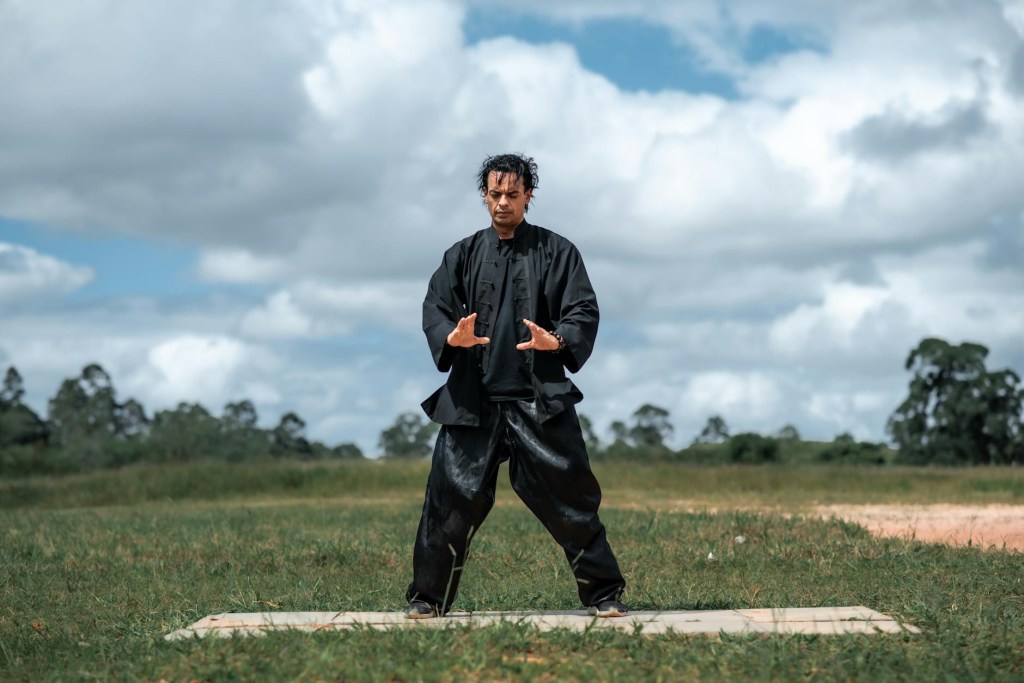
Originally a martial art, Tai Chi is a flowing series of movements done in a set sequence (called a form). It’s sometimes described as “shadowboxing” with grace.” It incorporates all of Qi Gong’s principles—but with structured, defensive movements.
Tai Chi includes:
Standing postures and movement sequences Coordinated breath and motion Strong emphasis on grounding and body awareness
🧠 Benefits of Both Practices
✅ Physical:
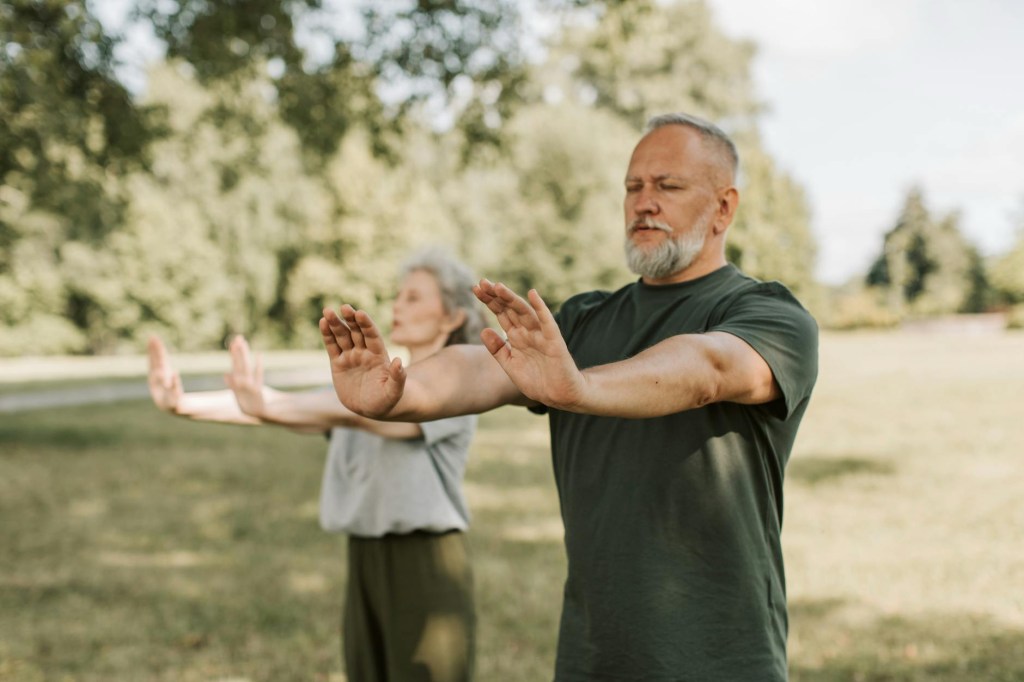
Improves balance, posture, coordination Increases flexibility and strength Supports joint health and fall prevention Reduces chronic pain and fatigue
✅ Mental/Emotional:
Calms the nervous system Enhances focus and mental clarity Regulates mood and sleep Increases mind-body connection
✅ Energetic:
Stimulates and balances Qi flow Clears energetic stagnation Supports organ systems (especially lungs, liver, kidneys)
🧭 Where Can I Find It?
You can access Qi Gong and Tai Chi:
At martial arts studios or TCM clinics Through hospital wellness programs (especially for cancer or heart recovery) In community centers, senior centers, or local parks Online (YouTube, courses, Zoom classes) With certified instructors in Eastern medicine or bodywork centers
🔍 Tips for Finding a Class:
Look for certified instructors with training in medical Qi Gong, Yang-style Tai Chi, or Taoist lineage practices Ask if they adapt movements for mobility or chronic illness Try a class that aligns with your goal: relaxation, strength, healing, etc.
🤔 Do I Need It?
These practices may be right for you if:
You’re tired of intense workouts and want something gentler You live with chronic pain, anxiety, or fatigue You feel disconnected from your body or breath You’re recovering from illness or burnout You want to move your Qi but aren’t ready for acupuncture
You don’t need coordination or flexibility to start—you’ll gain those with time.
Not ideal if: You’re looking for a fast-paced cardio or weight-training experience, or you want something hands-on like massage.
🧘♀️ Final Thoughts
Qi Gong and Tai Chi are gifts from a tradition that sees health as flow, not force. Whether you’re dealing with stress, stiffness, or emotional overwhelm, these moving meditations meet you with grace.
Next up in this series: Reiki & Polarity Therapy – Energetic healing through light touch and balance.

 Tranquil Touch Wellness: Jennifer Richards, LMT