By Jennifer Richards 2025
Touch doesn’t always need pressure to be powerful. In fact, some of the deepest healing happens when we go quiet—when we shift from muscle to energy, from doing to being.
Reiki and Polarity Therapy are two gentle, non-invasive practices that work on the body’s subtle energy systems. They aren’t massage in the traditional sense, but they are hands-on modalities that can restore balance, reduce stress, and reconnect you to your inner calm.
If you’ve ever felt “off,” overwhelmed, or energetically drained, these modalities may offer a different kind of reset.
🌿 What Are Reiki and Polarity Therapy?
✋ Reiki (pronounced RAY-kee)
Origin: Japan, early 20th century Meaning: “Rei” = universal, “Ki” = life energy Based on the idea that universal life force flows through us and can be guided for healing
How it works:
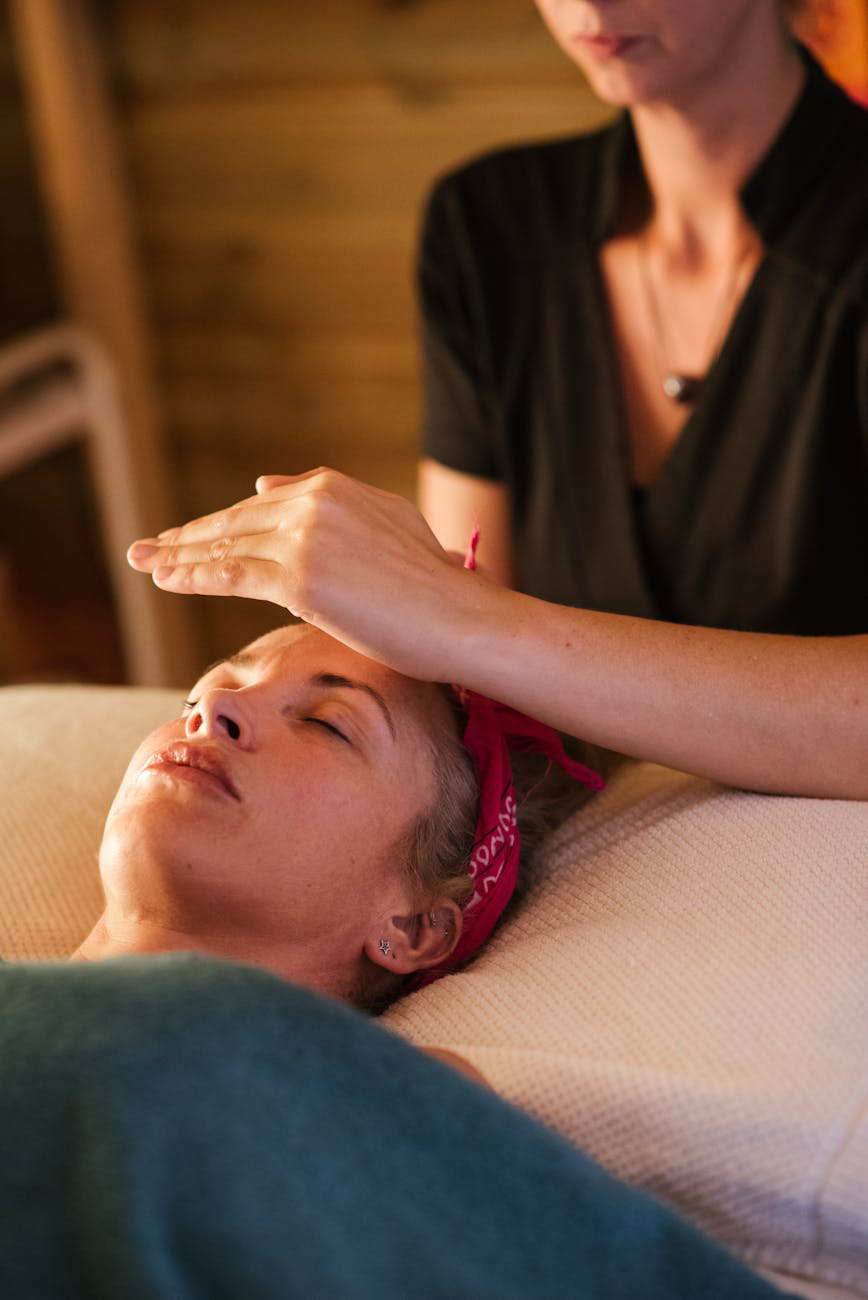
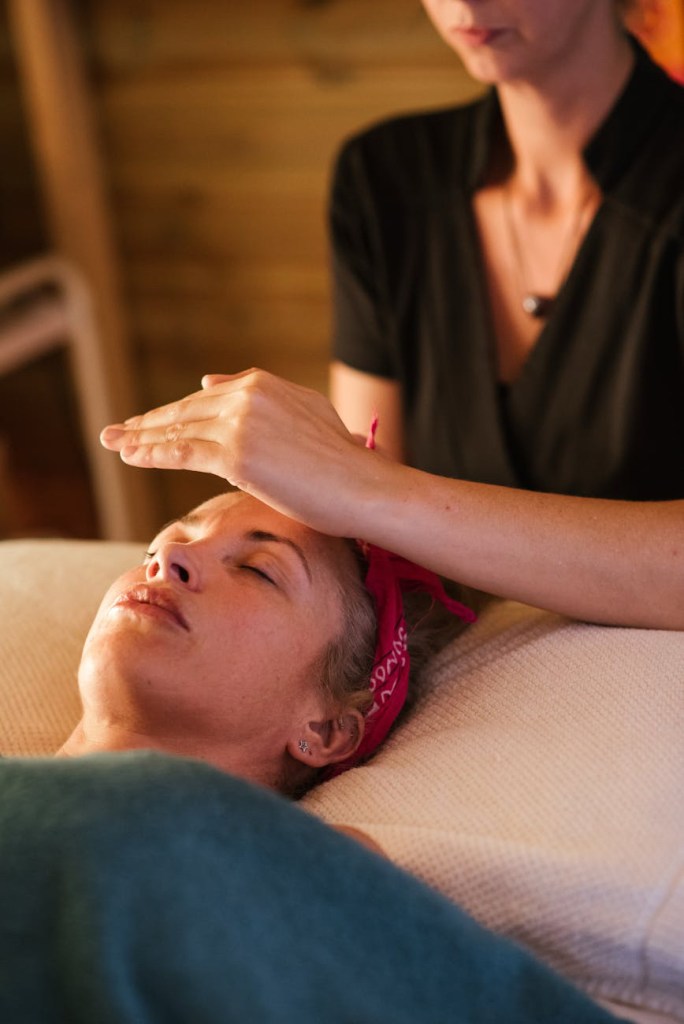
A Reiki practitioner gently places hands on or just above your body in a series of positions. There’s no manipulation—just calm, focused presence. The energy is said to flow where it’s needed, helping release tension and support healing.
🌀 Polarity Therapy
Origin: 20th-century blend of Ayurveda, Chinese medicine, and Western science Based on the principle that positive, negative, and neutral energy currents run through the body, influencing health and mood.
How it works:
A Polarity practitioner uses light touch, energetic awareness, and sometimes stretching or movement to balance energy flows across specific zones (similar to meridians or chakras).
✨ Benefits of Energy Healing Modalities
✅ Physical
Lowers heart rate and blood pressure Eases chronic pain, fatigue, and insomnia Supports immune and nervous system regulation
✅ Emotional & Energetic
Promotes deep relaxation Clears emotional and energetic blocks Supports mental clarity and resilience May help during grief, trauma, or life transitions
✅ Spiritual
Enhances inner peace and mindfulness Helps restore a sense of purpose and connection Encourages trust in the body’s ability to heal
🧭 Where Can I Find Reiki or Polarity Therapy?
You’ll find these services at:
Holistic wellness clinics Massage therapy or acupuncture offices Reiki circles or meditation centers Some yoga studios or metaphysical shops
You can also find distance Reiki offered via Zoom or phone sessions.
🔍 What to Look For:
Reiki practitioners may be certified at levels I, II, or Master Teacher Polarity practitioners often study under a Registered Polarity Educator (RPE) or through APP/CAP programs Ask about their background—many are also licensed massage therapists, nurses, or bodyworkers
🤔 Do I Need It?
Reiki or Polarity Therapy may be perfect if:
You’re emotionally drained or burnt out You’re sensitive to deep pressure massage You’re dealing with chronic illness or trauma You want to explore healing beyond just physical symptoms You want support during a transition (grief, surgery, big life changes)
Not ideal if: You’re looking for structural work like trigger point therapy or specific physical pain relief through manipulation—though these can work well in combination with those.
🌸 Final Thoughts
Reiki and Polarity Therapy remind us that not all healing is loud or linear. Sometimes, it’s the gentle, unseen shifts that ripple through us and create the most change. These practices create space—energetic and emotional—for your body to remember what balance feels like.
Next up in the series: Ayurvedic Massage & Yoga – Indian bodywork and movement to balance your doshas and restore vitality.

 Tranquil Touch Wellness: Jennifer Richards, LMT