By Jennifer Richards 2025
If you’ve ever felt like modern wellness is missing something—like it’s just treating symptoms and not the whole person—you’re not alone. In Ayurveda, the ancient medical system of India, health is about balance, rhythm, and nourishment for the body, mind, and spirit.
Ayurvedic massage and yoga are two powerful tools from this system. They aren’t just about relaxing your muscles or improving your flexibility. They’re about reconnecting you with your natural constitution and helping you thrive, not just survive.
🌿 What Are Ayurvedic Massage & Yoga?
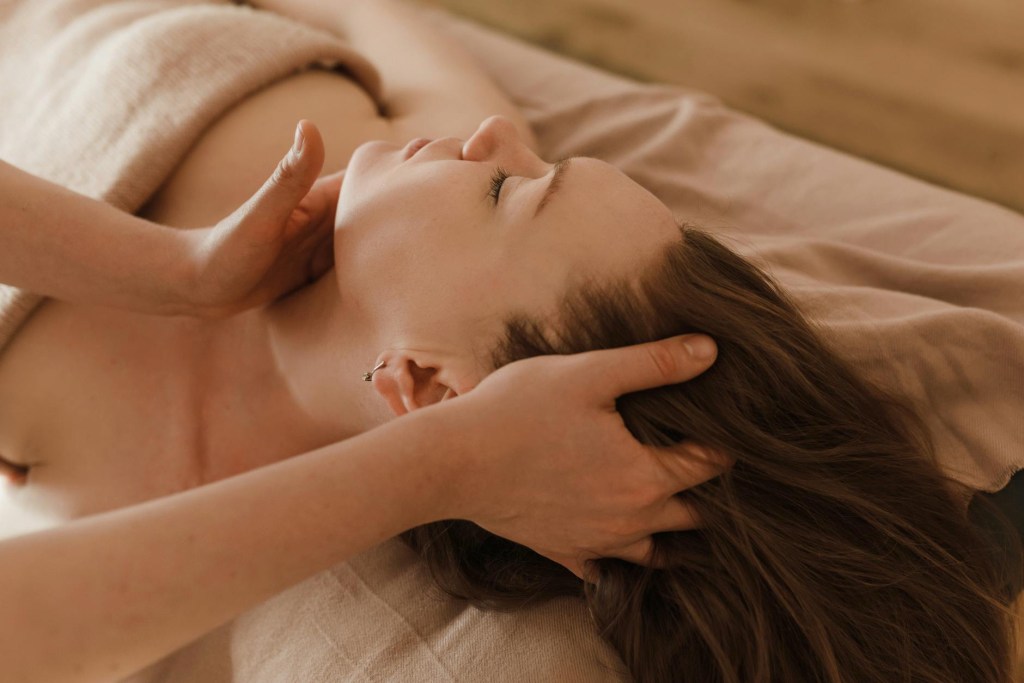
👐 Ayurvedic Massage (Abhyanga)
Ayurvedic massage isn’t “deep tissue” or “Swedish.” It’s an oil-rich, flowing treatment customized to your dosha—your unique mind-body type (Vata, Pitta, or Kapha).
Features of Abhyanga:
Warm herbal oils selected for your dosha or imbalance Long, rhythmic strokes to enhance lymphatic flow and calm the nervous system Marma point stimulation (vital energy points, similar to acupressure) Often part of a detox (Panchakarma) or wellness protocol
Other types of Ayurvedic bodywork include:
Shirodhara – a stream of warm oil poured on the forehead (deeply calming)
Garshana – dry silk glove massage to stimulate circulation
Pinda Sweda – massage with warm herbal poultices
🧘 Yoga (as part of Ayurveda)
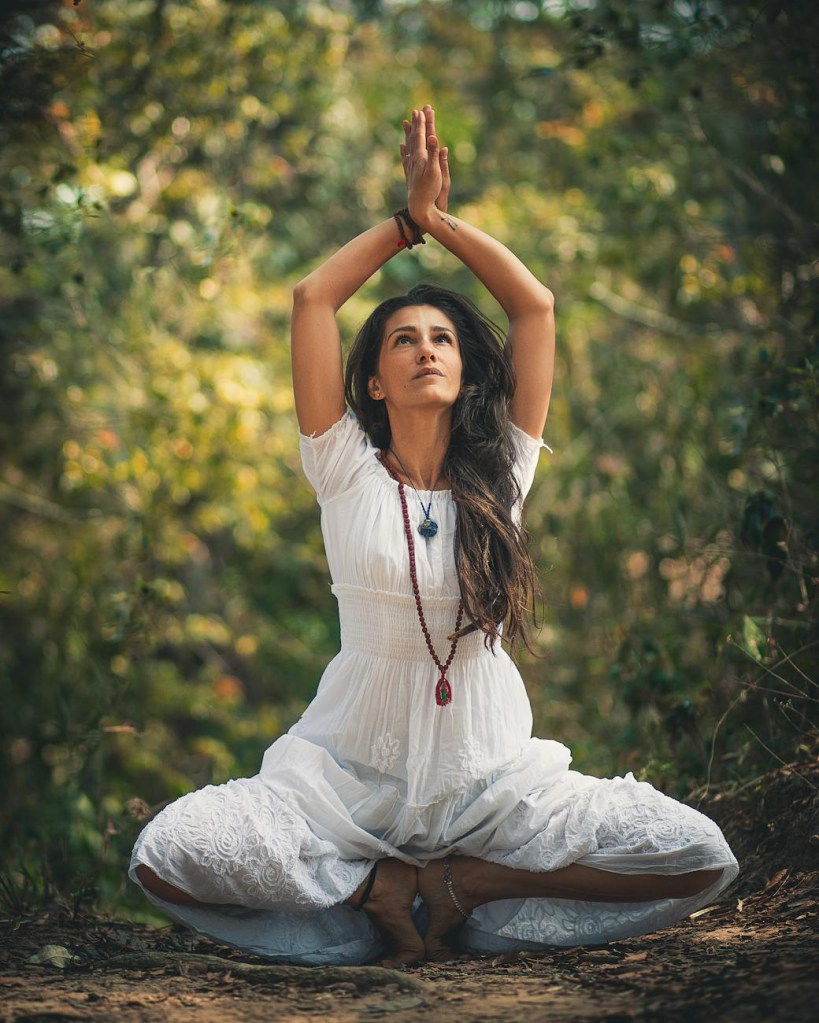
Yoga is more than stretching. In Ayurveda, yoga is prescribed like medicine—specific postures (asanas), breathing (pranayama), and meditation tailored to your dosha.
Vata types need grounding, warming, stabilizing poses Pitta types benefit from cooling, calming, and non-competitive practice Kapha types thrive with energizing, stimulating movement
✨ Benefits of These Practices
✅ Physical
Improves lymphatic flow and immunity Relieves muscle tension without “force” Balances oil production, skin tone, and digestion Supports hormone and nervous system function
✅ Mental/Emotional
Reduces anxiety, anger, and mental fog Enhances sense of groundedness and clarity Calms emotional imbalances based on dosha tendencies
✅ Spiritual & Energetic
Encourages inner awareness and compassion Connects you to your unique nature Clears energetic stagnation and enhances ojas (vitality)
🧭 Where Can I Find It?
You can explore these through:
Ayurvedic spas or wellness centers
Certified Ayurvedic practitioners (look for NAMA or AAPNA accreditation)
Yoga therapists with Ayurvedic training
Some massage therapists trained in Eastern modalities
Yoga studios offering dosha-based classes or Ayurvedic workshops
You can also start at home with self-massage (daily abhyanga), simple dosha quizzes, or guided dosha yoga videos.
🤔 Do I Need It?
Ayurvedic massage or yoga may be right for you if:
You’re overwhelmed, exhausted, or burnt out You want a more nurturing, rhythmic style of bodywork You’re curious about natural, holistic medicine You want to create balance through food, movement, and daily rhythm You’re open to learning your dosha and living more in sync with it
Not ideal if: You want a Western-style massage with deep trigger point work—or prefer fitness-style yoga without the holistic context. But these can complement one another beautifully!
🌸 Final Thoughts
Ayurvedic massage and yoga aren’t just about how you feel on the table or mat. They’re about transforming your relationship with your body—tuning into what it needs, season to season, moment to moment.
This is healing as lifestyle, not just an appointment.
Series Wrap-Up: Ready to explore one of these modalities for yourself? Let’s chat about which one fits your needs—and how to integrate these practices into your healing journey.

 Tranquil Touch Wellness: Jennifer Richards, LMT