By Jennifer Richards 2025
By now, you’ve explored a range of bodywork traditions from Asia—each one rooted in the belief that the body holds wisdom, and that healing comes through movement, stillness, energy, and intention.
If you’ve read my previous articles on cupping, gua sha, Tui Na, and Jin Qi, you already know there’s more to massage than Swedish or deep tissue. But the world of Asian bodywork goes even deeper. These lesser-known (but highly effective) modalities may not be as mainstream, but they deserve a place in any wellness seeker’s toolkit.
👣 Ashiatsu: Deep Tissue from the Heavens (and Feet)
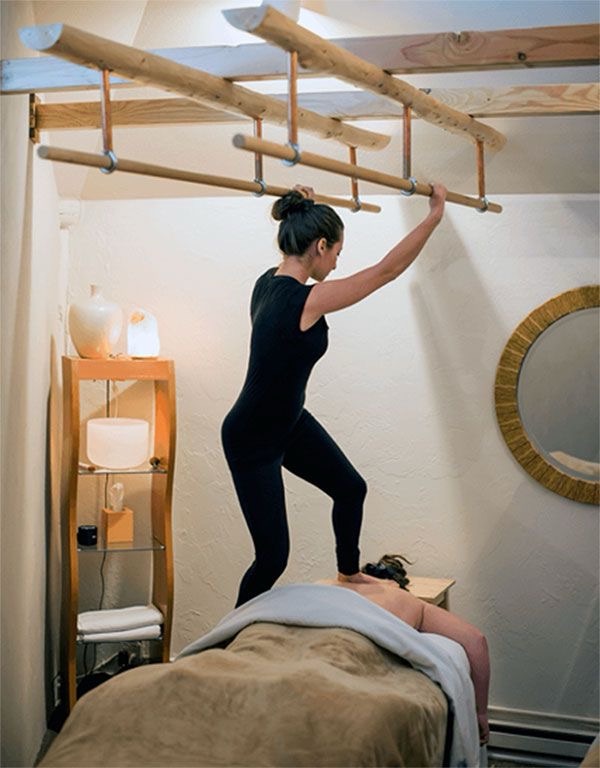
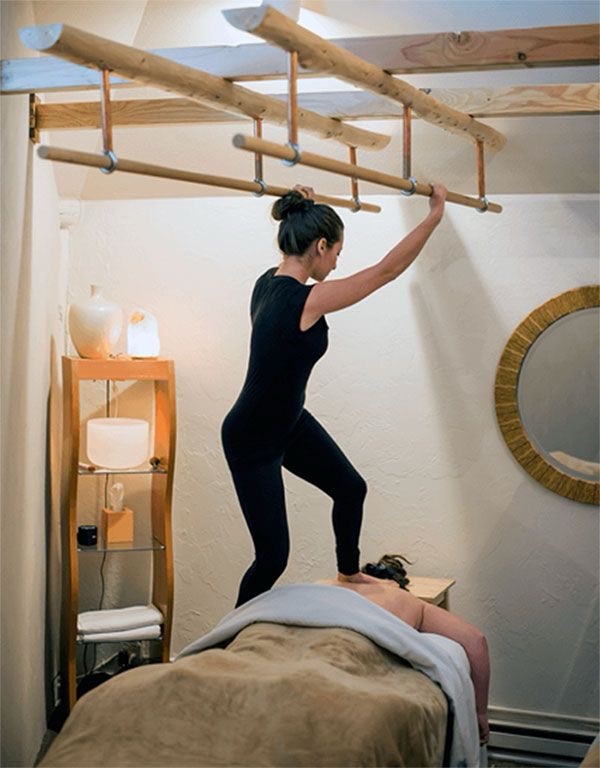
Origin: Japan, later modernized in the West What it is: “Ashi” means foot, and “atsu” means pressure. Ashiatsu is a form of deep tissue massage where the practitioner uses their feet—not hands—to deliver long, gliding strokes and deep, broad pressure.
The therapist supports themselves using bars on the ceiling while applying weight with their feet, allowing for:
Smooth, compressive pressure Little to no discomfort (thanks to broader surface area) Ideal for large muscle groups like back, hips, and legs
Best for: Clients who love deep work, athletes, and those who want effective pressure without the pointy elbows or soreness.
👐 Shiatsu: Japanese Acupressure for Modern Life
Origin: Japan, influenced by Chinese medicine What it is: A fully clothed treatment that uses finger pressure, stretching, and rhythmic sequences to balance Qi (life force) along the meridians (energy channels).
Shiatsu combines diagnostic intuition with deeply grounding touch. Sessions often feel like a combination of massage, acupressure, and assisted yoga.
Best for: Fatigue, anxiety, digestive issues, and restoring emotional equilibrium. Also great if you prefer clothed sessions and structured touch.
⚡ Other Modalities You May Encounter
💡 Jin Shin Jyutsu
Origin: Japan What it is: A light-touch energy modality that uses specific hand placements on energy “locks” to harmonize body, mind, and spirit. Best for: Stress, chronic illness, and those sensitive to touch
🌀 Amma Therapy
Origin: Traditional Chinese Medicine What it is: Combines deep tissue massage, acupressure, and energy balancing Best for: Integrating muscle work with meridian balancing
🔄 Anma
Origin: Ancient Japan What it is: A predecessor to Shiatsu using rhythmic kneading, percussion, and tapping—often seen in martial arts recovery Best for: Tension relief, circulation, and quick recovery
🧭 How to Find a Practitioner
Most of these modalities require specific, often intensive training, so always seek someone with certifications or licensing relevant to your region. Good places to start:
Massage therapy directories (like AMTA or ABMP)
Licensed acupuncturists or TCM practitioners
Yoga or martial arts studios with holistic wellness offerings
Local Asian medicine schools with student clinics
Ask if they’ve trained in these specific styles—many practitioners incorporate elements of them even if they don’t advertise the full system.
🌿 Final Thoughts
Asian bodywork is not one technique—it’s a philosophy of healing rooted in balance, energy, and the wisdom of the body. Whether you’re receiving foot pressure from above in Ashiatsu, gentle palm placements in Jin Shin Jyutsu, or structured pressure in Shiatsu, each modality offers a new pathway back to center.

 Tranquil Touch Wellness: Jennifer Richards, LMT