By Jennifer Richards
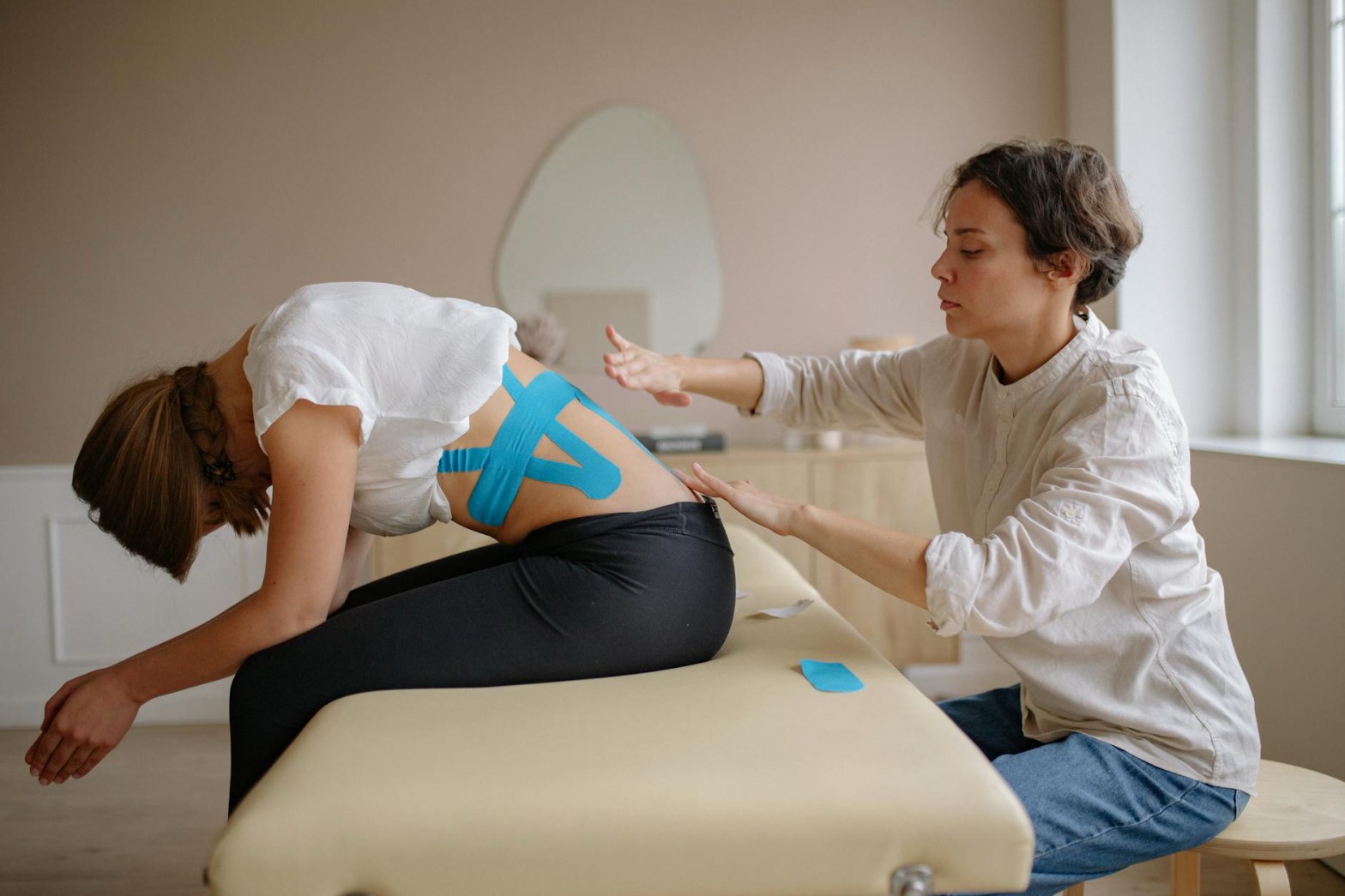
When most people think of massage, they picture a relaxing spa environment, soothing music, and gentle pressure that helps melt stress away. While this type of massage is wonderful for calming the nervous system, there is a very different type of massage that goes beyond relaxation: medical massage.
What is Medical Massage?
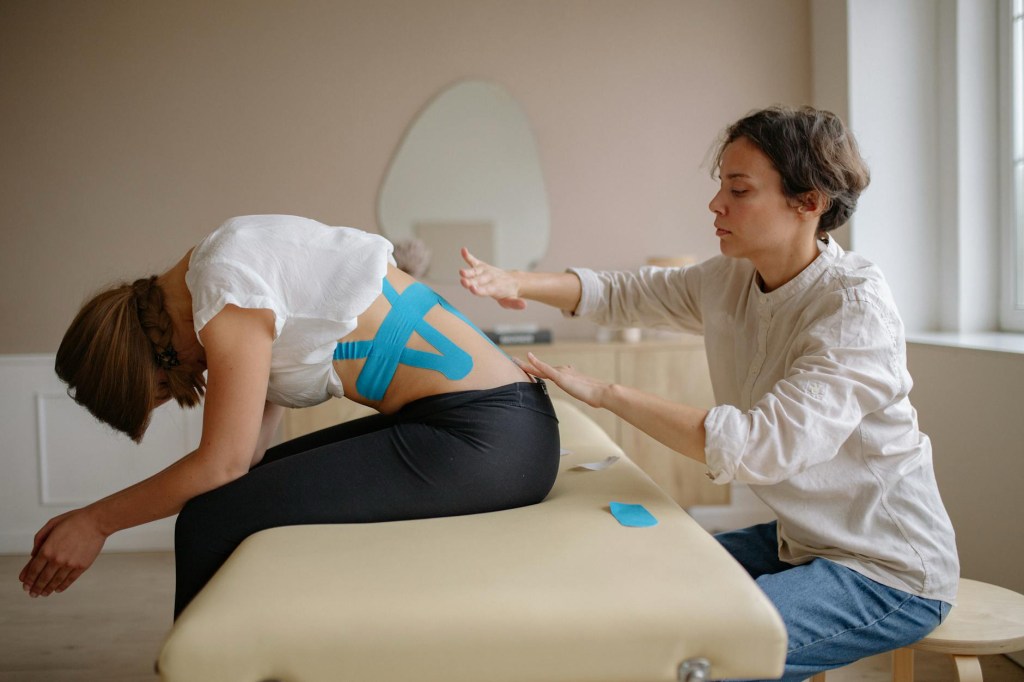
Medical massage is a targeted, therapeutic approach designed to address specific health conditions, injuries, or chronic pain. It isn’t a single “style” of massage, but rather the application of various techniques based on a client’s medical needs. This might include:
Trigger point therapy for muscle knots and referred pain
Myofascial release to ease tension in connective tissue
Neuromuscular therapy to address postural imbalances or nerve compression
Lymphatic drainage to reduce swelling and improve immune function
Unlike a general relaxation massage, medical massage sessions are often goal-oriented. The therapist works closely with you (and sometimes your healthcare providers) to create a plan that supports recovery, pain management, and overall function.
How Do You Find a Skilled Medical Massage Therapist?
Finding the right massage therapist takes a bit of research, but the effort pays off. Here’s what to look for:
Training and Credentials – Ask if the therapist has advanced certifications or continuing education in medical massage, orthopedic massage, or specialized modalities related to your condition.
Experience – A skilled therapist should have hands-on experience working with clients who have similar conditions to yours. Don’t be afraid to ask about their background.
Collaboration – Medical massage therapists often work in tandem with doctors, physical therapists, or chiropractors. A therapist who is comfortable communicating with your healthcare team is a good sign.
Assessment Skills – Before laying hands on you, a qualified therapist should ask questions, observe your posture, and listen carefully to your concerns. Each session should be tailored—not a one-size-fits-all approach.
Client-Centered Approach – The best therapists create a safe space where you feel heard, respected, and supported in your healing process.
How Much Experience Should They Have?
While every therapist has to start somewhere, medical massage requires more than just basic training. Ideally, you want someone who:
Has at least 2–3 years of hands-on practice as a licensed massage therapist (LMT).
Has taken continuing education in modalities such as medical/orthopedic massage, myofascial release, lymphatic drainage, or neuromuscular therapy.
Can share examples of working with clients who have conditions similar to yours.
That doesn’t mean newer therapists can’t be excellent—but experience gives a therapist the ability to quickly recognize patterns in the body, adapt techniques, and know when to refer you to another healthcare professional.
Why Choose Medical Massage?
Choosing a massage therapist skilled in medical massage can be life-changing if you’re dealing with:
Chronic pain (such as fibromyalgia, arthritis, or Ehlers-Danlos Syndrome)
Injury recovery (sprains, strains, or post-surgical support with physician approval)
Postural issues from sitting, standing, or repetitive movements
Stress that is manifesting in the body as tension, migraines, or digestive problems
In short, while a relaxation massage is wonderful for the soul, a medical massage can be just as nourishing while also helping restore your body’s ability to function at its best.
Disclaimer
This article is for informational and educational purposes only and is not a substitute for professional medical advice, diagnosis, or treatment. Always seek the guidance of a qualified healthcare provider with any questions you may have regarding a medical condition.
💬 If you’re curious about whether medical massage could help you, I’d love to hear your story. Feel free to share your questions or experiences in the comments or reach out directly—sometimes a simple conversation is the first step toward relief.

 Tranquil Touch Wellness: Jennifer Richards, LMT