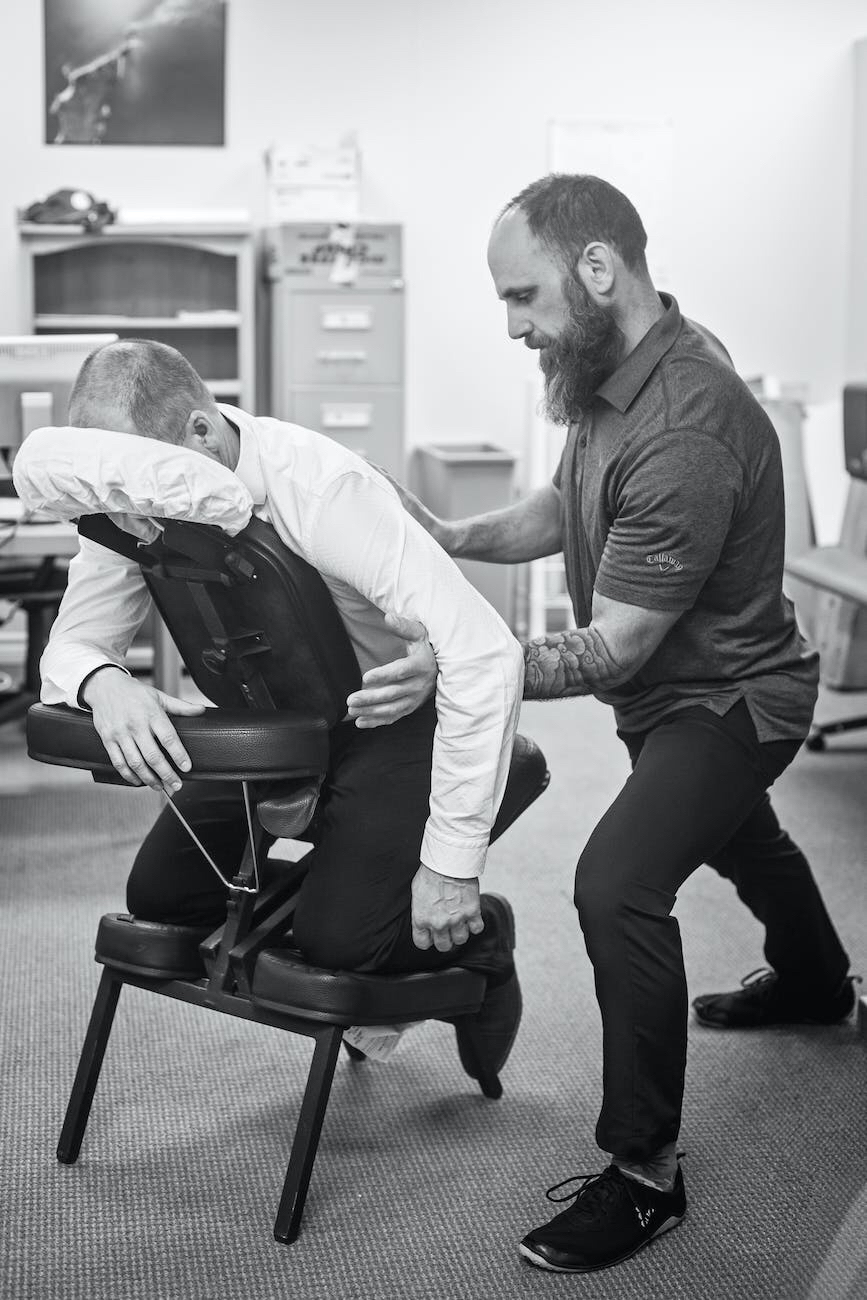
By Jennifer Richards 2026
(A Friendly Guide for First-Time Clients)
If you’ve ever thought about getting a massage but weren’t sure where to start—a student massage clinic can be an amazing option. It’s affordable, professional, and a great way to support future massage therapists as they learn and grow.
Whether you’re coming in for relaxation, tension relief, or curiosity, here’s a clear breakdown of what a student clinic is and what you can expect during your visit.
What Is a Student Massage Clinic?
A student massage clinic is a supervised learning environment where massage therapy students provide massage sessions to the public as part of their education.
These sessions take place in a clinic setting (often inside a massage school), and students work with real clients to build skills such as:
Professional communication
Client intake and health history review
Proper draping and privacy
Hands-on massage techniques
Time management during sessions
Documentation (SOAP notes)
Ethics and professionalism
Most importantly: student massage sessions are typically closely supervised by licensed massage therapists or instructors.
So while the student is doing the hands-on work, the clinic is not “unsupervised practice.” It’s a structured learning experience designed to protect both the client and the student.
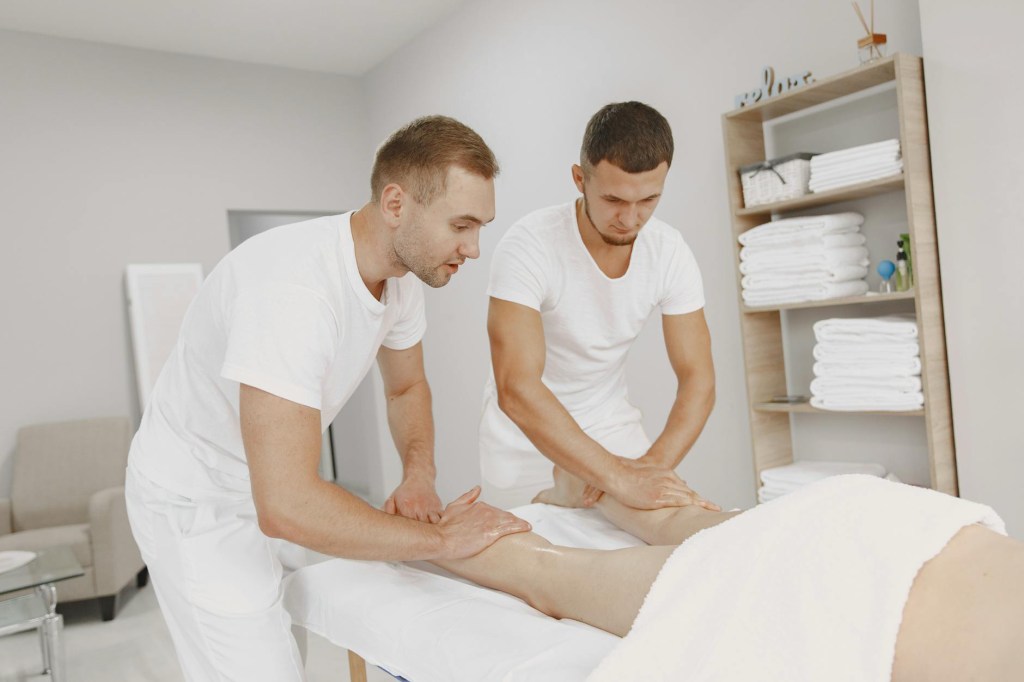
Why Would Someone Choose a Student Massage Clinic?
A student clinic can be a great choice if you want:
More Affordable Massage
Student clinic pricing is usually significantly lower than spas or private practices, and they can possibly be free.
A Relaxed, Low-Pressure Environment
Many clients feel more comfortable in a clinic setting—especially if they’re new to massage.
To Support Future Massage Therapists
You’re helping students build confidence and real-world experience.
To Try Massage for the First Time
A student clinic is an easy entry point into learning what you like and what your body responds to.
What to Expect at Your Appointment
Here’s what a typical visit looks like:
1) Check-In & Paperwork
When you arrive, you’ll likely complete an intake form that includes:
Your contact information
Health history
Areas of pain/tension
Previous injuries or surgeries
Massage preferences (pressure, areas to avoid, etc.)
This isn’t “just paperwork.” It helps your student therapist understand how to work safely and appropriately with your body.
2) The Intake Conversation
Before the massage begins, the student therapist will talk with you about:
Why you’re coming in
What you’re hoping to get out of the session
Any medical concerns or limitations
Your comfort level with pressure and communication
You can always say things like:
“I’m nervous—this is my first massage.” “I don’t want deep pressure.” “Please avoid my feet.” “I’d like extra focus on my shoulders.”
A good student therapist will be happy to accommodate and will appreciate clear communication.
3) Privacy & Professional Draping
Once the plan is clear, the student will give you privacy so you can get on the table in private.
You’ll be covered with a sheet/blanket using professional draping, meaning:
✅ Only the area being worked on is exposed
✅ Your privacy is protected at all times
✅ You can request adjustments if you feel uncomfortable
If you ever feel unsure, speak up. Comfort and boundaries matter.
4) The Massage Session
Student clinic massages are often Swedish-based (relaxation style), and may include:
Light to moderate pressure
Slow, careful technique
Focus on basic flow, safe body mechanics, and good draping
Some deeper work if appropriate and within the student’s level
Because students are still learning, you might notice:
They may move more slowly
They may “check in” more often
They may be more cautious around areas of pain
That’s not a bad thing—it often means they’re working thoughtfully and safely.
5) Instructor Supervision
In many student clinics, instructors may:
Step in briefly to observe technique
Offer quiet guidance
Answer questions
Ensure safety and professionalism
This supervision is there to support the student and protect the client experience.
6) After the Massage
At the end of the session, you’ll be given time to get dressed privately.
Your student therapist may also:
Offer water (depending on the clinic)
Ask how you’re feeling
Share gentle recommendations (stretching, hydration, self-care)
Remind you of any normal post-massage soreness
What You Should Communicate During the Massage
Please know: you are never being “difficult” by speaking up.
Helpful things to communicate include:
✅ “That pressure is too much / too light.”
✅ “That spot feels tender—can you go gentler?”
✅ “My arm is falling asleep.”
✅ “I’m cold—can I have the blanket adjusted?”
✅ “Can we avoid my neck today?”
✅ “I’d rather not talk—I just want quiet.”
Your feedback makes the session better for you and helps the student learn.
What Student Massage Is (and Isn’t)
Student massage can be extremely beneficial—but it’s important to understand what it’s designed for.
✅ Student clinic massage IS great for:
Stress relief General muscle tension Relaxation Mild discomfort Maintenance care
⚠️ Student clinic massage may NOT be best for:
Complex medical conditions needing specialized care
Very deep therapeutic work
Severe pain conditions requiring advanced assessment
Highly specific treatment plans
That doesn’t mean you can’t come in—it just means your needs might be better served with a licensed therapist in private practice depending on the situation.
Tips to Have the Best Student Clinic Experience
Here are a few simple ways to feel more prepared:
Arrive 10–15 minutes early
Eat lightly beforehand (not super full, not starving)
Wear comfortable clothing
Don’t be afraid to ask questions
Speak up about pressure and comfort
Plan to drink water and rest afterward if you can
Final Thoughts: Student Clinics Are a Hidden Gem
A student massage clinic offers a unique blend of professional care, affordability, and supportive learning.
If you’ve been curious about massage—or you want a consistent self-care routine without breaking the bank—this may be the perfect place to start.
You’re not only investing in your own wellness…
you’re helping shape the future of the massage profession.
What About Privacy and Noise in a Student Clinic Setting?
Student massage clinics can look a little different depending on the school and how the clinic is set up.
Some student clinics have individual treatment rooms with doors, similar to a spa or private practice.
But many schools use a shared clinic room where massage tables are separated by curtains or partitions.
Why do some clinics use curtains instead of private rooms?
This setup allows clinic supervisors and instructors to:
Observe students for safety and professionalism Ensure proper draping and boundaries Help guide technique and positioning Support students in real time when needed
In a student clinic, supervision is a big part of what keeps the experience safe, ethical, and educational.
In a Curtain-Style Clinic, Expect Some Normal Background Noise
Because multiple sessions may happen in the same room at the same time, it’s completely normal to hear:
Curtains opening and closing
Quiet conversations between a student and their client
An instructor checking in or giving guidance
Students asking questions when they’re learning
Soft footsteps and movement around the room
Occasional scheduling conversations at the front desk or nearby
Even when everyone is doing their best to be respectful and professional, a student clinic may not be as silent as a luxury spa.
This doesn’t mean the massage is less professional
It means the environment is a working teaching clinic, and real learning is happening.
A Gentle Reminder: A Full Clinic Means a Busy Learning Environment
Sometimes the clinic is full, and the room is active. In those moments:
instructors may check in with multiple students clients may ask questions about scheduling students may need quick guidance normal clinic flow continues
Even in a professional setting, that can create more background activity than expected.
We always aim to keep the environment calm and respectful — but a student clinic isn’t always a “silent retreat.”
It’s a training space, and part of the experience is understanding that learning is happening in real time.

 Tranquil Touch Wellness: Jennifer Richards, LMT