By Jennifer Richards 2026
I’m so excited to finally share some big news…
My book is officially published! 🎉
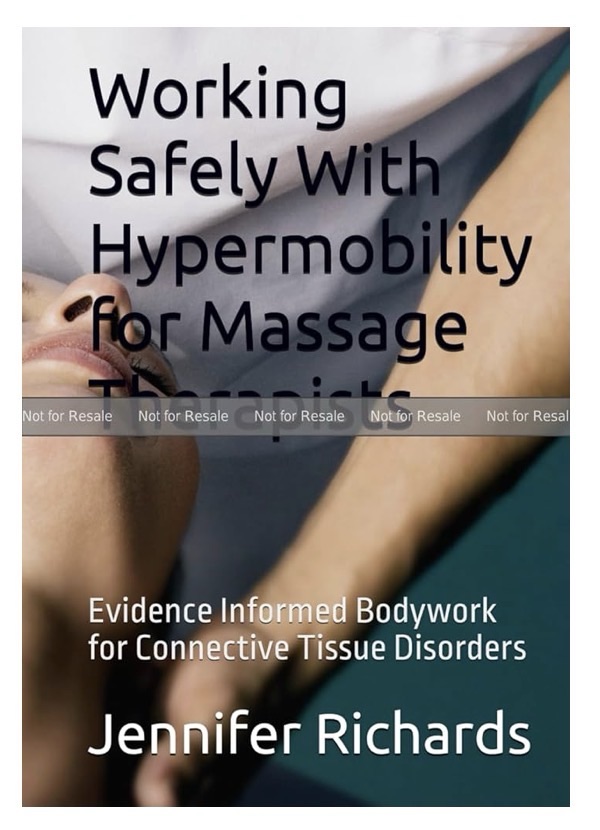
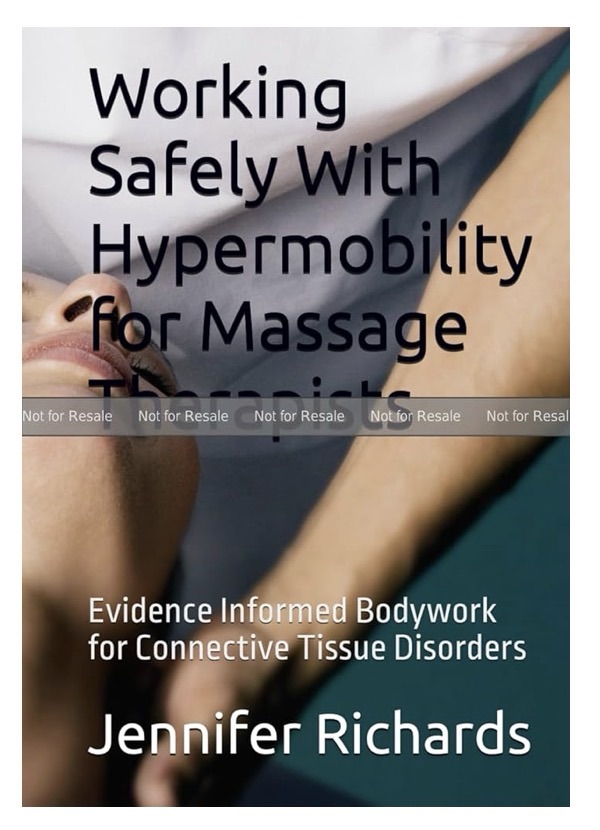
Working Safely with Hypermobility
right? But it’s not. The Hypermobility is a symptom of a much larger problem. There is approximately 1/500 people that are Hypermobile. Being one myself, I was constantly injured by misguided therapists that followed traditional learning and applied it to me. Finally, I began approaching my Hypermobile clients differently and began attracting more. The stories I was getting from them were not surprising, as I have had similar experiences.
This book was created specifically for massage therapists who work with hypermobile clients, including those with connective tissue disorders and complex presentations that require a more thoughtful, informed approach to bodywork.
Hypermobility is often misunderstood, overlooked, or treated like “just flexibility”—but many of us know firsthand that it can be connected to pain patterns, joint instability, nervous system sensitivity, chronic inflammation, fatigue, and frequent injuries. And unfortunately, traditional massage protocols don’t always serve these clients safely.
That’s why I wrote this book.
A Textbook + Real-World Guide for Massage Therapists
This book is designed to be both a professional reference and the official textbook companion to my upcoming CE class:
Working Safely with Hypermobility: Evidence-Informed Bodywork for Connective Tissue Disorders
It goes beyond surface-level information and gives therapists the tools to understand the “why” behind what hypermobile clients experience—so we can work smarter, safer, and with better outcomes.
What’s Inside the Book
You’ll find a deep but practical breakdown of topics massage therapists actually need, including:
✅ Anatomy & physiology to better understand what’s happening in the body
✅ Kinesiology with real movement considerations for hypermobility
✅ Pathology and common coexisting issues that may affect session planning
✅ A clear intake example showing what your forms should include
✅ Treatment considerations and safe, therapist-friendly adjustments
✅ A special section for hypermobile massage therapists, including tips for longevity, body mechanics, pacing, and self-protection
This isn’t just a “read-it-once” book—this is the kind of resource you’ll keep nearby and reference often, especially when a client presents with unclear symptoms, unusual pain responses, or frequent flare-ups.
Why This Matters
Hypermobility clients often go years being dismissed or misunderstood. Many have been told their pain is “normal,” that they’re just anxious, or that they need to stretch more (when stretching might be the very thing making them worse).
Massage can be incredibly supportive for this population—when it’s done safely, skillfully, and with true clinical awareness.
My goal is to help therapists feel confident and prepared when these clients walk through the door.
Thank You for Supporting This Work
This book is a reflection of my passion for helping therapists grow and helping clients feel understood. Whether you’re newly licensed or highly experienced, I hope this gives you tools you can immediately apply in your practice.
📚 The book is now published, and the CE class is coming soon—so stay tuned for enrollment details, dates, and how to sign up!
If you’re a massage therapist working with hypermobility (or you suspect you are), I’d love to hear from you.
You’re not alone, and you don’t have to guess your way through these sessions anymore.
— Jennifer Richards, LMT
Massage Therapist, Massage Educator

 Tranquil Touch Wellness: Jennifer Richards, LMT