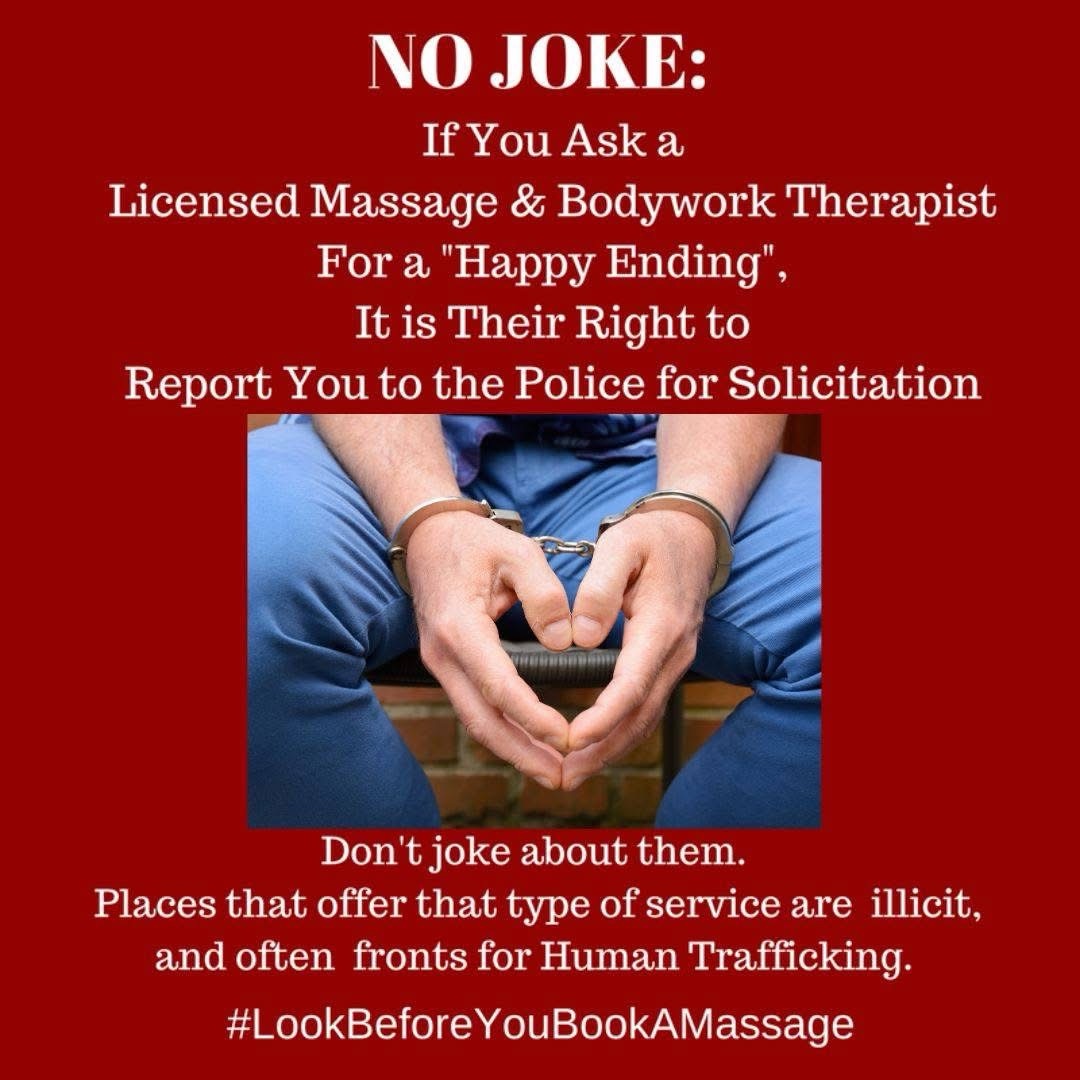
I began massage school at the age of 50 — a time when many people are thinking about slowing down, yet I was just getting started. From the moment I entered the classroom, I knew I had found my path. Massage therapy felt meaningful, purposeful, and aligned with who I was becoming.
Like every new therapist, however, my first days in the treatment room were filled with nerves. I worried clients would sense my inexperience. I wanted to do everything perfectly — my techniques, my communication, and especially my draping.
During my first week of work, I was assigned a client I will call “Tom,” a man in his early sixties. Because the spa had only recently reopened after COVID, we were improvising with supplies and using an extra sheet instead of blankets.
From the beginning of the session, he appeared unusually restless, repeatedly shifting and adjusting the linens. I immediately assumed the issue was my draping technique. Determined to provide excellent care, I quietly readjusted the sheets multiple times, wondering what I might be doing wrong.
When the session ended, he handed me a $40 tip.
I was stunned.
To a brand-new therapist, that felt like validation — proof that despite my anxiety, I had done good work. When I saw he had booked another appointment the following week, I was thrilled. I had my first repeat client.
During the second session, the restlessness continued. He also began making comments about his preference for being unclothed during massage. Subtle alarm bells rang in the back of my mind, but I pushed them aside. My draping had improved, yet the sheet still seemed to loosen.
Another generous tip followed. Another rebooking.
I told myself the comments were harmless. After all, he was becoming a regular client, and I was eager to build my practice.
Looking back now, I understand something I could not yet see:
He was testing boundaries.
By the third appointment, he made a statement that confused me at the time. He said that if I ever had an issue with him, I should speak directly to him rather than involve management. I didn’t yet recognize this as an attempt to control the dynamic and discourage reporting.
As the massage progressed, his movements felt increasingly deliberate. I reviewed his intake history beforehand — there was no medical condition that would explain the behavior.
Near the end of the session, I was working at the head of the table. Because of COVID precautions, therapists were careful about breathing direction, often turning slightly away while maintaining awareness of the client.
Something prompted me to check on him.
When I looked over, he had intentionally exposed himself and was watching me for a reaction.
In that instant, training and protocol disappeared, replaced by pure instinct.
I stood up and walked out of the room.
Later, I learned the official protocol would have been to clearly state the behavior was unacceptable, press the emergency button, and exit. But the truth is this:
When a person feels threatened, the nervous system does not prioritize procedure — it prioritizes safety.
Initially, my manager questioned why I had not followed protocol. But after speaking with trusted coworkers, I found the language I needed. I returned and stated clearly:
“I do not feel safe with this client on my schedule, and I do not believe my coworkers would be safe either.”
Those words mattered.
The spa conducted a deeper review of his history and discovered prior incidents. He was permanently banned from the franchise.
What This Experience Taught Me
For a moment, I wondered why this had happened to me — a 51-year-old therapist, not someone easily mistaken for naive. But predators do not select targets based on age or appearance. They look for kindness, professionalism, and a desire to please — qualities many healthcare providers naturally possess.
I now recognize the pattern clearly: the generous tips, the weekly bookings, the subtle comments, the request to bypass management. It was grooming behavior designed to test how much I would tolerate.
Most importantly, the experience reshaped how I practice.
It strengthened my boundaries.
It deepened my clinical awareness.
It reinforced the importance of therapist safety — something we do not discuss nearly enough in training programs.
And it clarified a truth I now share openly with students and colleagues:
This can happen to any therapist, at any stage of their career.
What defines us is not whether we encounter difficult situations — but whether we trust ourselves when something feels wrong.
That day, I trusted my instincts.
And I have never second-guessed them since.
For more information, please check out this site.

 Tranquil Touch Wellness: Jennifer Richards, LMT