By Jennifer Richards 2026
Professional Boundaries, Screening, and Protecting Yourself in Practice
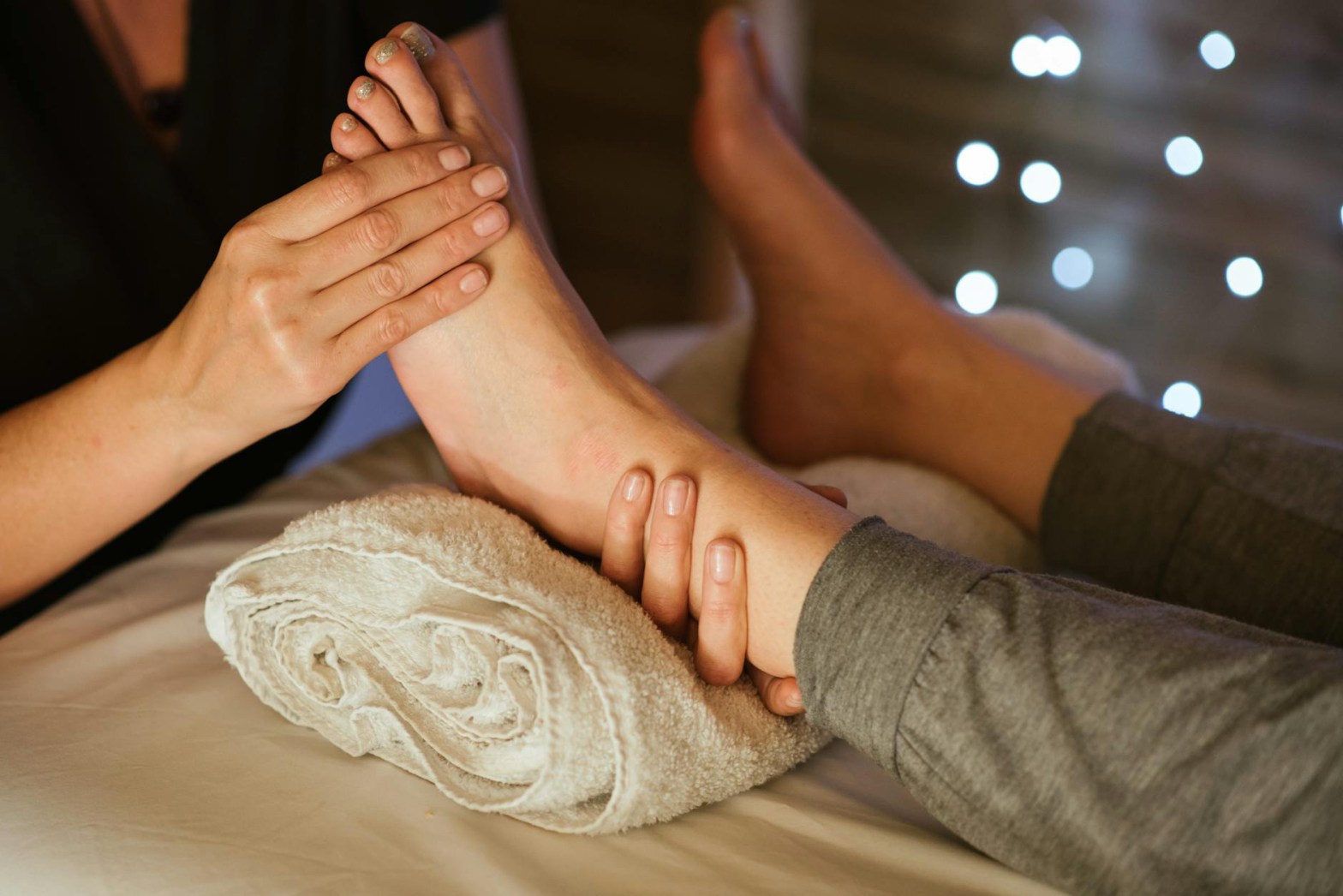
Massage therapy is a respected healthcare profession that promotes relaxation, pain relief, and overall wellness. However, because massage involves physical touch, privacy, and partial undressing, therapists must maintain strong professional boundaries and safety practices.
Understanding the history of the profession, the realities therapists face, and the tools available to protect ourselves is essential for maintaining both personal safety and professional integrity.
The Evolution of Massage Therapy: From “Masseuse” to Licensed Massage Therapist
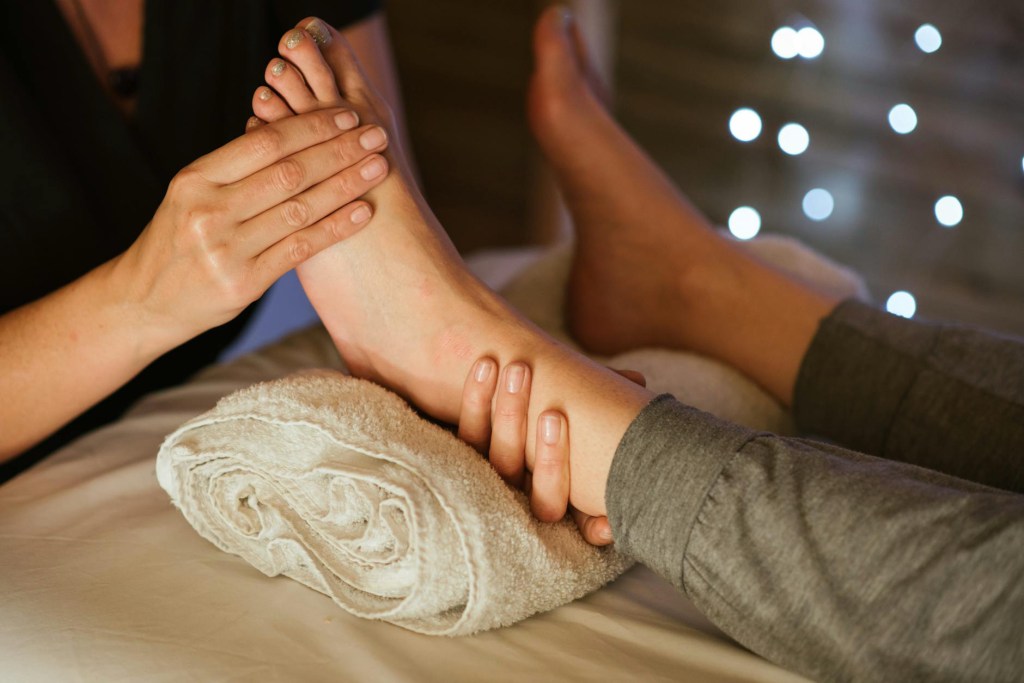
Massage is one of the oldest healing practices in human history. Techniques appear in ancient medical systems in China, India, Egypt, and Greece thousands of years ago, where manual therapy was used to treat injuries, relieve pain, and improve circulation.
In the 19th century, Swedish physician Per Henrik Ling developed what became known as Swedish massage, which helped formalize massage techniques in Western medicine.
For many years practitioners were called “masseurs” and “masseuses.” Unfortunately, these terms gradually became associated with prostitution and illicit massage businesses. To distinguish legitimate therapeutic care from illegal activity, the profession adopted the title Massage Therapist and later Licensed Massage Therapist (LMT).
Today, most U.S. states require massage therapists to be licensed or certified and to meet education and examination requirements.
Licensing helped transform massage therapy from a loosely regulated trade into a recognized healthcare profession with ethical standards, training programs, and regulatory boards.
However, the stigma created by illegal businesses still affects therapists today.
The Illicit Massage Industry and Its Impact on the Profession
One of the biggest challenges the massage profession faces is the existence of illicit massage businesses (IMBs) that advertise massage but provide sexual services.
Researchers estimate there are more than 9,000 illicit massage businesses operating in the United States, many linked to human trafficking.
These operations:
Damage the reputation of legitimate therapists Create public misunderstanding about massage Increase the likelihood that therapists receive inappropriate requests
Licensed massage therapists work under ethical codes and strict regulations. Sexual services are not part of massage therapy and are illegal in most jurisdictions.
The Physiological Response During Massage
One issue that often concerns therapists is the possibility of a client experiencing an erection during a session.
It is important to understand that this can occur as a natural physiological response and does not necessarily indicate sexual intent.
Massage activates the parasympathetic nervous system, often called the “rest and digest” system. This response:
Lowers stress hormones Slows heart rate Increases circulation Promotes deep relaxation
Because the parasympathetic system also regulates sexual arousal, some male clients may experience an erection during relaxation.
Key points for therapists:
It is involuntary and normal It should not be acknowledged or discussed Proper draping must always remain in place The therapist should simply continue the session professionally
However, sexual comments, gestures, or requests are not normal and must be addressed immediately.
The Reality of Harassment in the Profession
Unfortunately, massage therapists frequently experience sexual harassment from clients.
Research has shown:
74.8% of massage therapists report experiencing sexual harassment from clients during their career. Approximately 73.4% report harassment and 19.2% report sexual assault incidents while working. Surveys also show 64% of female and 56% of male therapists have experienced unwanted sexual advances from clients.
Most incidents occur during the massage session itself, highlighting the importance of strong screening and safety protocols.
These statistics demonstrate that therapist safety is not a minor concern—it is a significant professional issue.
Why Massage Therapists Are Vulnerable
Several factors increase vulnerability for therapists:
Private treatment rooms Partial client nudity Physical contact Therapists often working alone A profession largely composed of female practitioners
Research also notes that many massage therapists work as independent sole proprietors, which can increase vulnerability to harassment.
Because of this, therapists must take proactive steps to protect themselves.
Screening Clients Before the Appointment
One of the most effective safety tools is proper client screening.
Professional therapists should avoid accepting appointments from unknown clients without gathering basic information.
Require Intake Forms
A proper intake form should include:
Full name Phone number Email address Medical history Emergency contact Consent to treatment Policies regarding inappropriate behavior
This information establishes professionalism and deters individuals seeking illicit services.
Require Payment Information
Predatory clients often avoid leaving identifying information.
Safety practices include:
Credit card on file Online booking verification Prepayment for first appointments
Verify New Clients
For new clients you may:
Require online booking Require a referral Ask how they found your practice
Legitimate clients are rarely offended by professional screening procedures.
Red Flags When Communicating with Potential Clients
Certain questions or behaviors may indicate someone is seeking something other than therapeutic massage.
Common red flags include:
Asking if you are “open-minded” Asking if nudity is allowed Asking about inner thigh or groin work repeatedly Asking if you work alone Asking what you wear during sessions Heavy breathing or sexual comments during phone calls Refusing to complete intake forms Only wanting late-night appointments
These individuals should not be scheduled.
Safety Practices in the Treatment Room
Even with screening, therapists should take precautions during every session.
Maintain Clear Draping
Proper draping protects both the client and therapist.
The client’s genitals, gluteal cleft, and breasts must remain covered unless clinically appropriate and consented to.
Position Yourself Safely
Some therapists prefer:
Keeping themselves between the client and the door Ensuring clear access to exits Maintaining professional distance when needed
Keep Your Phone Nearby
Having a phone available allows you to call for help if necessary.
Some clinics also install alert buttons or panic systems therapists can use if they feel unsafe.
What to Do if a Client Behaves Inappropriately
Therapists should address boundary violations immediately.
Step 1: Address the Behavior
Use clear, professional language.
Examples:
“This is a professional therapeutic massage.” “That behavior is not appropriate.”
Step 2: End the Session if Necessary
If the behavior continues:
Stop the massage immediately Leave the room Ask the client to dress and leave
Step 3: Document the Incident
Write down:
Date and time
What happened
Statements made
Actions taken
Documentation protects you legally and professionally.
Safety for Therapists Working Alone
Many therapists work in private practices or home offices.
Safety strategies include:
Letting someone know your schedule Installing security cameras in public areas Using online booking only Avoiding walk-in clients Locking doors during sessions
Some therapists also choose to schedule new male clients during daytime hours or require referrals.
Mobile Massage Safety
For therapists who travel to clients’ homes:
Always obtain the full address in advance Inform someone where you will be Avoid appointments in hotels or unfamiliar locations Trust your instincts and cancel if something feels unsafe
Social Media and Online Safety
Online marketing can attract inappropriate attention.
Safety practices include:
Avoid posting personal details Use professional photos Avoid overly suggestive language Maintain clear professional branding
Clear professional messaging helps filter inappropriate inquiries.
Documentation Protects Therapists
Documentation should include:
Intake forms
SOAP notes
Incident reports
Signed policies
Proper records can protect therapists if complaints arise or if law enforcement becomes involved.
Professional Boundaries Protect the Profession
Massage therapy relies on trust.
Clear communication about boundaries protects:
The client
The therapist
The profession
Clients should understand:
Draping is required
Sexual behavior is not tolerated
The therapist may end the session at any time
These policies reinforce that massage therapy is a legitimate healthcare service, not entertainment.
When Should a Massage Therapist Call the Police?
Massage therapists are trained to maintain professionalism and manage uncomfortable situations, but there are times when behavior crosses a line and becomes a criminal matter. Knowing when to involve law enforcement helps protect both the therapist and future victims.
You should consider calling the police when:
A Client Exposes Themselves
If a client intentionally exposes their genitals outside of proper draping, especially after being corrected or warned, it may constitute indecent exposure, which is a criminal offense in many states.
A Client Touches the Therapist
If a client touches the therapist in a sexual manner, attempts to grab the therapist, or tries to force physical contact, this may be considered sexual assault.
The Client Refuses to Leave
If you end a session and ask a client to leave but they refuse, this becomes a trespassing situation.
Threats or Aggressive Behavior
If a client becomes threatening, aggressive, or violent, your safety becomes the priority. Call law enforcement immediately.
Stalking or Harassment
Repeated unwanted contact, showing up without appointments, or persistent harassment may qualify as stalking or harassment depending on the situation.
Document Everything
If an incident occurs:
Write down exactly what happened Record the date and time Save any messages or emails Notify your employer or clinic manager if applicable
Documentation is important if legal action becomes necessary.
Massage therapists have the right to work in a safe environment, and law enforcement should be contacted when behavior crosses into criminal territory.
Illicit Massage Businesses and Human Trafficking
Another important issue affecting the massage profession is the existence of illicit massage businesses (IMBs).
These establishments advertise massage but often operate as fronts for prostitution or human trafficking.
Researchers estimate that there are more than 9,000 illicit massage businesses in the United States. These operations generate billions of dollars annually and are frequently connected to organized crime and trafficking networks.
Many women working in these establishments are not there by choice. Investigations have shown that victims are often:
Recruited through deceptive job offers Brought to the U.S. under false promises Forced to work long hours Living at the business location Controlled through debt or threats
These individuals are frequently victims of labor trafficking or sex trafficking.
Illicit massage businesses harm legitimate therapists in several ways:
They create public confusion about the profession They contribute to sexual harassment toward therapists They exploit vulnerable individuals for profit
Why Men Should Not Support These Businesses
Patronizing illicit massage businesses does not just harm the massage profession—it may also contribute to human exploitation.
Even when someone believes they are simply purchasing a sexual service, the reality may be far more serious.
Many trafficking victims:
Cannot leave their workplace freely
Are under constant surveillance
Have their identification taken away
Are threatened with violence or deportation
By supporting these businesses, clients may unknowingly be supporting modern-day slavery.
The ethical choice is simple:
If someone is seeking legitimate massage therapy, they should book with a licensed massage therapist working in a professional setting.
Respecting therapists, respecting boundaries, and refusing to support exploitative businesses helps protect both massage professionals and vulnerable people.
Final Thoughts
Massage therapy has evolved from an ancient healing practice into a modern licensed healthcare profession. Yet therapists continue to face challenges caused by misunderstanding, stigma, and inappropriate client behavior.
By implementing strong screening procedures, maintaining clear boundaries, and prioritizing safety, massage therapists can protect themselves while providing ethical, therapeutic care.
Professional boundaries are not just about protecting the therapist—they protect the integrity of the entire profession.

 Tranquil Touch Wellness: Jennifer Richards, LMT