
By Jennifer A. Richards LMT 2025
Introduction
Ehlers-Danlos Syndrome (EDS) refers to a group of connective tissue disorders caused by defects in collagen. People with EDS often experience joint hypermobility, fragile skin, and hyperelasticity, along with several comorbidities that can make day-to-day living difficult. While there is no cure, massage therapy can play an integral role in managing symptoms and improving quality of life.
In this article, we will explore the comorbidities associated with EDS, how massage can benefit those living with the condition, which massage modalities work best, and which might be contraindicated for individuals with EDS.
Understanding Ehlers-Danlos Syndrome
EDS is a genetic condition that affects the connective tissues in the body. It is often associated with:
– Joint hypermobility
– Chronic pain
– Muscle weakness
– Fragile skin
– Frequent bruising
– Poor wound healing
There are several subtypes of EDS, the most common being Hypermobile EDS (hEDS), while others include Classical EDS (cEDS) and Vascular EDS (vEDS). Each subtype has specific manifestations and severities, but the overarching issue relates to faulty collagen production.

Comorbidities Associated with EDS
EDS patients often suffer from comorbidities that complicate their condition, which must be considered when approaching massage therapy. Some of the most common include:
1. Chronic Pain
– Individuals with EDS commonly experience chronic joint and muscle pain. Pain may result from frequent joint dislocations, subluxations, or muscle overcompensation for weakened connective tissue.
2. Dysautonomia/POTS (Postural Orthostatic Tachycardia Syndrome)
– A common comorbidity, especially in hEDS patients, POTS involves difficulty regulating blood pressure and heart rate, leading to dizziness, fainting, and fatigue.
3. Gastrointestinal Issues
– Gastrointestinal dysmotility, irritable bowel syndrome (IBS), and gastroesophageal reflux disease (GERD) are often reported by those with EDS.
4. Anxiety and Depression
– Mental health challenges are prevalent due to chronic pain, fatigue, and the limitations imposed by the condition. Anxiety and depression may further complicate treatment.
5. Temporomandibular Joint Disorder (TMJ)
– TMJ dysfunction is a common comorbidity in EDS patients, causing pain in the jaw, neck, and head due to hypermobile joints in the jaw.
6. Vascular Fragility
– In patients with vascular EDS, there is a significant risk of arterial and organ rupture due to weakened blood vessels. This is the most severe form of the condition and must be carefully considered in any manual therapy treatment plan.
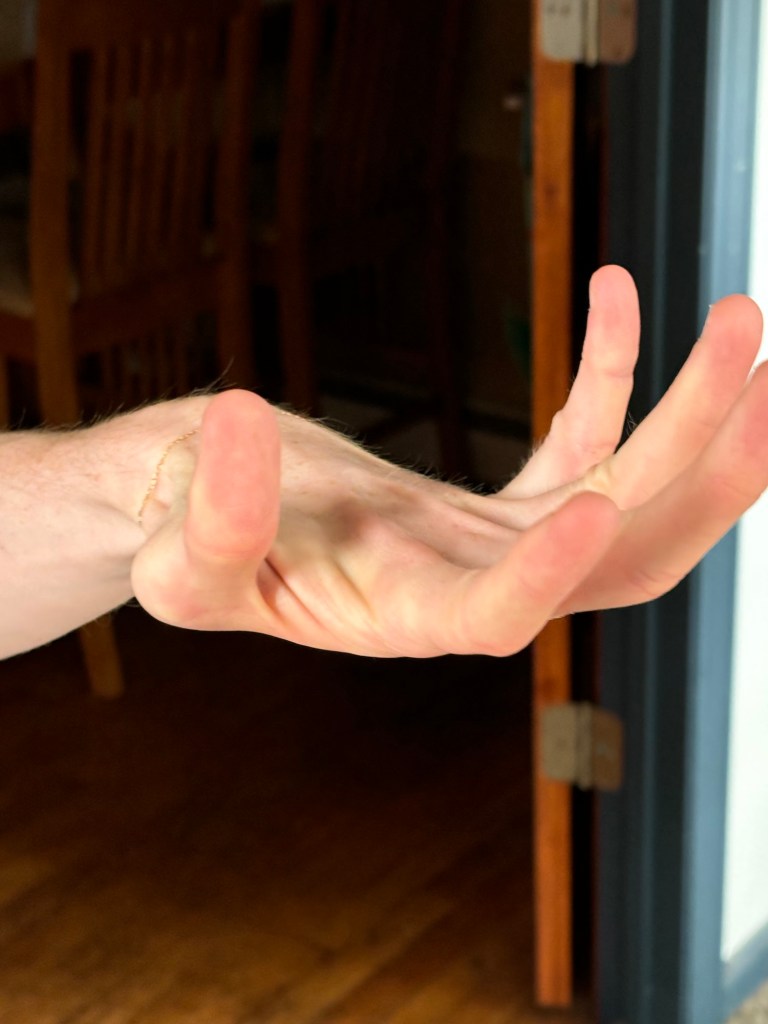
EDS: Lifelong, Chronic, and Often Debilitating
• Daily Pain & Disability: Constant joint pain, dislocations, and instability can make daily life difficult. Some people need braces, wheelchairs, or mobility aids.
• No Cure & Limited Treatment: There are no medications to stop EDS from progressing. Management focuses on physical therapy, pain control, and lifestyle adaptations.
• Vascular EDS (vEDS) Can Be Life-Threatening: The rare vascular type (vEDS) can lead to artery rupture, organ tears, and sudden death, making it the most dangerous form.
• Fatigue & Comorbidities: Many with EDS also have dysautonomia (POTS), mast cell activation syndrome (MCAS), and gastrointestinal issues, making life more complex.
The Role of Massage in Managing EDS Symptoms
Massage therapy, when applied correctly, can offer significant relief for those with EDS by:
– Alleviating muscle tension
– Reducing pain
– Promoting relaxation
– Increasing circulation
– Enhancing joint stability (by easing compensatory muscle tension)
However, the structural fragility inherent in EDS requires special considerations to ensure that the benefits of massage are maximized without risking further injury.
Best Massage Modalities for EDS
1. Myofascial Release
– Myofascial release is gentle and focuses on releasing tension in the fascia, which is often tight in EDS patients. This modality helps alleviate chronic pain by addressing muscle imbalances and fascia restrictions without exerting excessive force on the joints.
2. Craniosacral Therapy
– This light-touch therapy is beneficial for EDS patients as it targets the central nervous system, which can be affected by POTS and dysautonomia. Craniosacral therapy helps in balancing cerebrospinal fluid, improving relaxation, and reducing symptoms of stress, which can exacerbate pain and fatigue.
3. Lymphatic Drainage
– Individuals with EDS often experience poor lymphatic circulation, leading to swelling and fluid retention. Manual lymphatic drainage is a light, rhythmic massage technique that encourages the movement of lymph fluids, helping reduce swelling and improve immune function.
4. Swedish Massage (with Modifications)
– Swedish massage can be an effective method for stress relief and pain management, especially with gentle pressure. Modifications may be needed, such as avoiding deep strokes or overstretching hypermobile joints. Long, gliding strokes can help improve circulation and provide relaxation without straining the fragile connective tissues.
5. Trigger Point Therapy (with Caution)
– Trigger points, or knots, are common in EDS patients due to muscle overuse from joint instability. Trigger point therapy can relieve muscle tension and pain, but therapists should avoid applying too much pressure as EDS patients are prone to bruising and tissue damage.
Contraindicated Modalities for EDS Patients
While some massage techniques are helpful for EDS, others may be contraindicated due to the fragility of the connective tissue and other associated comorbidities.
1. Deep Tissue Massage
– Deep tissue work involves applying firm pressure to muscles and connective tissues. This can be dangerous for individuals with EDS, particularly those with vascular fragility or hypermobile joints, as it can lead to tissue damage, bruising, or dislocations.
2. Sports Massage
– Sports massage often involves vigorous techniques aimed at improving athletic performance and recovery. For EDS patients, this level of pressure and stretching could easily cause joint dislocations or muscle strain.
3. High-Velocity Joint Manipulations
– Any form of rapid joint manipulation, such as those used in chiropractic adjustments, is contraindicated for EDS patients. The high velocity and force involved can exacerbate joint instability, leading to increased pain or injury.
4. Rolfing/Structural Integration
– Rolfing is an intense form of bodywork that focuses on deep manipulation of the body’s connective tissues to improve posture and alignment. This modality is contraindicated in EDS due to the risk of tearing or damaging fragile tissues.
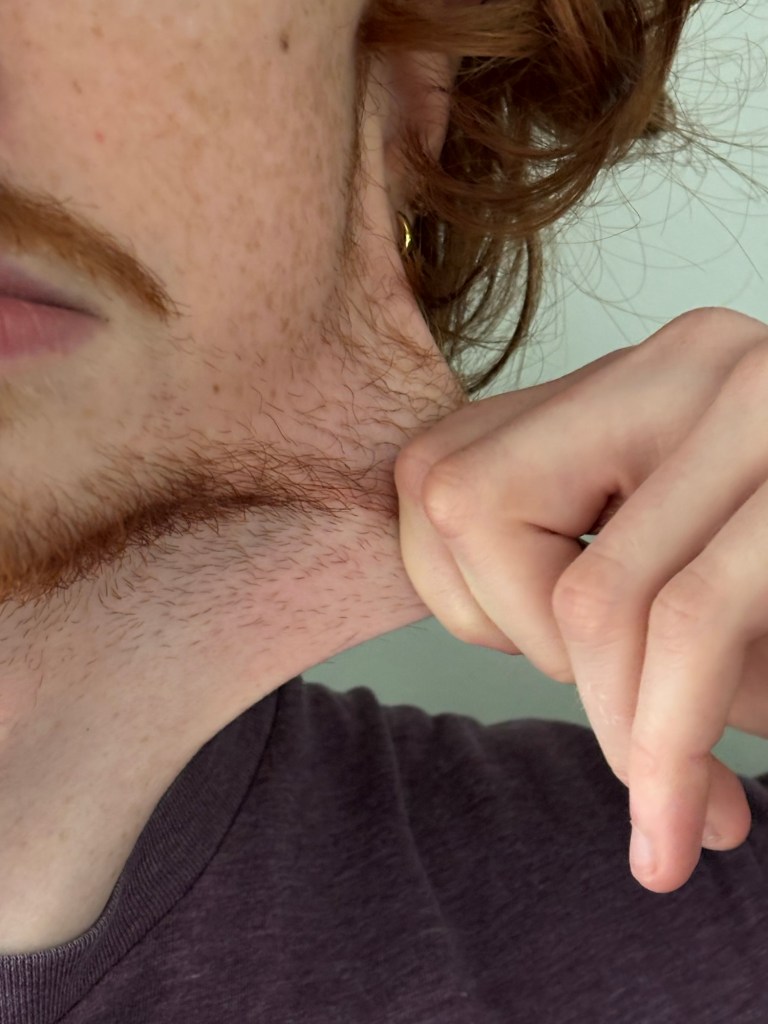
Key Considerations for Massage Therapists Working with EDS Clients
When working with clients who have EDS, massage therapists should keep several important factors in mind:
1. Communication is Critical
– Open communication with the client about their comfort level is vital. Because every EDS case presents differently, the client should guide the therapist in terms of pressure and technique. Therapists should always err on the side of caution and use lighter touch.
2. Avoid Overstretching
– EDS patients are already hypermobile, and excessive stretching can lead to joint dislocations or tissue damage. Massage therapists should focus on stabilizing the muscles around joints rather than increasing flexibility.
3. Modifications Based on Comorbidities
– Therapists should be aware of comorbidities such as POTS or dysautonomia. Clients with POTS may need to avoid prolonged periods in a prone or supine position due to blood pressure issues. In these cases, the client should be encouraged to sit up or take breaks as needed.
4. Work with Other Healthcare Providers
– Massage therapists should consider working alongside other healthcare professionals, such as physical therapists, acupuncturists, or rheumatologists, to create a well-rounded treatment plan. Clients with EDS may benefit from a multi-disciplinary approach to care.
Case Study: Massage for an EDS Patient
As both a massage therapist and someone diagnosed with Ehlers-Danlos Syndrome (EDS) after entering the profession, I can personally attest to the benefits of various massage modalities for our population. Having undergone treatments such as myofascial release, craniosacral therapy, lymphatic drainage, and modified Swedish massage, I understand firsthand which techniques provide the most relief without causing harm to fragile connective tissues.
One of my clients, diagnosed with hypermobile EDS (hEDS), experienced chronic pain and muscle tension due to joint instability. In our sessions, I applied a combination of myofascial release and lymphatic drainage to address muscle imbalances and reduce swelling. These gentle therapies were effective in relieving pain without exacerbating hypermobility or risking tissue damage. Craniosacral therapy also proved invaluable in calming the nervous system, alleviating the stress and tension that often accompany chronic pain.
As someone living with EDS, I can confidently recommend these modalities for individuals with the condition. My personal and professional experiences allow me to guide other therapists in creating safe and effective treatment plans for EDS patients. I am also an approved massage provider for Ehlers Danlos.
Conclusion
Massage therapy can be an effective tool for managing the complex symptoms of Ehlers-Danlos Syndrome. However, due to the fragility of the connective tissue, certain precautions must be taken, and specific modalities are better suited for EDS patients. Gentle therapies like myofascial release, craniosacral therapy, and lymphatic drainage can provide much-needed relief without the risks associated with deeper techniques.
Understanding the client’s unique presentation of EDS and its comorbidities is essential for massage therapists to provide safe, effective care. Through tailored treatments, massage can help improve the quality of life for those living with this challenging condition.
The information provided is for general wellness and educational purposes only. It is not a substitute for professional medical advice, diagnosis, or treatment. If you have a medical condition, injury, or chronic pain, consult a healthcare professional before beginning any new stretching routine.

 Tranquil Touch Wellness: Jennifer Richards, LMT