By Jennifer Richards 2025
In the world of bodywork, most people are familiar with Swedish or deep tissue massage—but there’s a powerful and lesser-known modality that deserves a place in your wellness toolbox: Tuina (pronounced “twee-nah”).
Rooted in Traditional Chinese Medicine (TCM), Tuina is an ancient practice that blends rhythmic bodywork with energy balancing techniques. It’s not just about relaxation—it’s a therapeutic approach designed to address specific health concerns and restore the flow of energy in the body.
Whether you’re dealing with chronic pain, digestive issues, or stress, Tuina offers a time-tested, holistic path toward healing.
What Is Tuina?
Tuina is a form of Chinese medical massage that’s been used for over 2,000 years. It involves a combination of acupressure, joint mobilization, and massage-like techniques to stimulate the body’s energy channels, or meridians.
Unlike Western massage, which often focuses on muscles alone, Tuina works on both the muscular system and the flow of Qi (life energy). Practitioners may use rolling, kneading, tapping, and brushing movements to open the body’s energy pathways and promote healing.
A Brief History of Tuina
Tuina has its roots in ancient China, where it was used alongside acupuncture, herbal medicine, and qigong. Historical records show its use as early as 1700 BCE, making it one of the oldest systems of bodywork still in use today.
In modern China, Tuina is commonly practiced in hospitals and clinics as a non-invasive treatment for a wide range of health issues. It’s recognized as a medical therapy and often prescribed just like acupuncture or herbal formulas.
What Tuina Can Do
Tuina can be used for both acute and chronic conditions. Its benefits may include:
Pain Relief – Effective for neck, shoulder, back, hip, and joint issues.
Improved Circulation – Enhances blood and lymph flow.
Stress Reduction – Calms the nervous system and balances energy.
Digestive Support – Can help with bloating, constipation, and sluggish digestion.
Injury Recovery – Aids in mobility, inflammation reduction, and tissue healing.
Overall Wellness – Boosts the immune system and supports internal balance.
Some practitioners also use Tuina to address menstrual discomfort, headaches, fatigue, or insomnia—especially when combined with other TCM practices.
What Tuina Can’t Do
While Tuina is a powerful tool, it’s not a miracle cure or a substitute for medical care. It cannot:
Treat life-threatening conditions or emergencies.
Replace needed surgery or medical intervention.
Feel like a spa massage—sessions are often therapeutic, not indulgent.
Work instantly in all cases—like other forms of therapy, Tuina often works best over multiple sessions.
It’s important to see Tuina as complementary, not a replacement for your primary healthcare.
Contraindications: When Tuina Should Be Avoided
Tuina is generally safe, but it’s not appropriate in certain situations. Avoid or consult a trained provider if you have:
Open wounds, fractures, or recent surgeries
Infectious skin conditions or contagious illness
Fever or acute inflammation Severe osteoporosis or bleeding disorders
Pregnancy (unless the practitioner is specifically trained in prenatal Tuina)
Serious cardiovascular issues without medical clearance
Always inform your practitioner of any health conditions or concerns before your session.
What to Expect in a Tuina Session
If you’ve never tried Tuina, here’s what your first session might look like:
You remain fully clothed (wear loose, comfortable clothing). You may lie down or sit upright depending on the area being treated. The therapist uses their hands, elbows, or even forearms to apply various manual techniques. The pressure can range from gentle to firm. Some areas may feel intense, especially if there’s stagnation or tightness. The focus may be local (on a sore shoulder) or systemic (treating meridians and organ systems). You may feel relaxed, energized, or even slightly sore afterward—similar to deep tissue massage.
Sessions typically last 30 to 60 minutes, and a series of treatments may be recommended for chronic issues.
Who Can Benefit from Tuina?
Tuina is well-suited for:
People with chronic tension or musculoskeletal pain
Athletes or those recovering from injury
Individuals seeking natural support for internal imbalances
Clients who prefer clothed bodywork sessions
Those already exploring acupuncture or Chinese herbal medicine.
It’s a great fit for anyone open to a holistic, energy-based approach to health.
How Tuina Fits Into Holistic Wellness
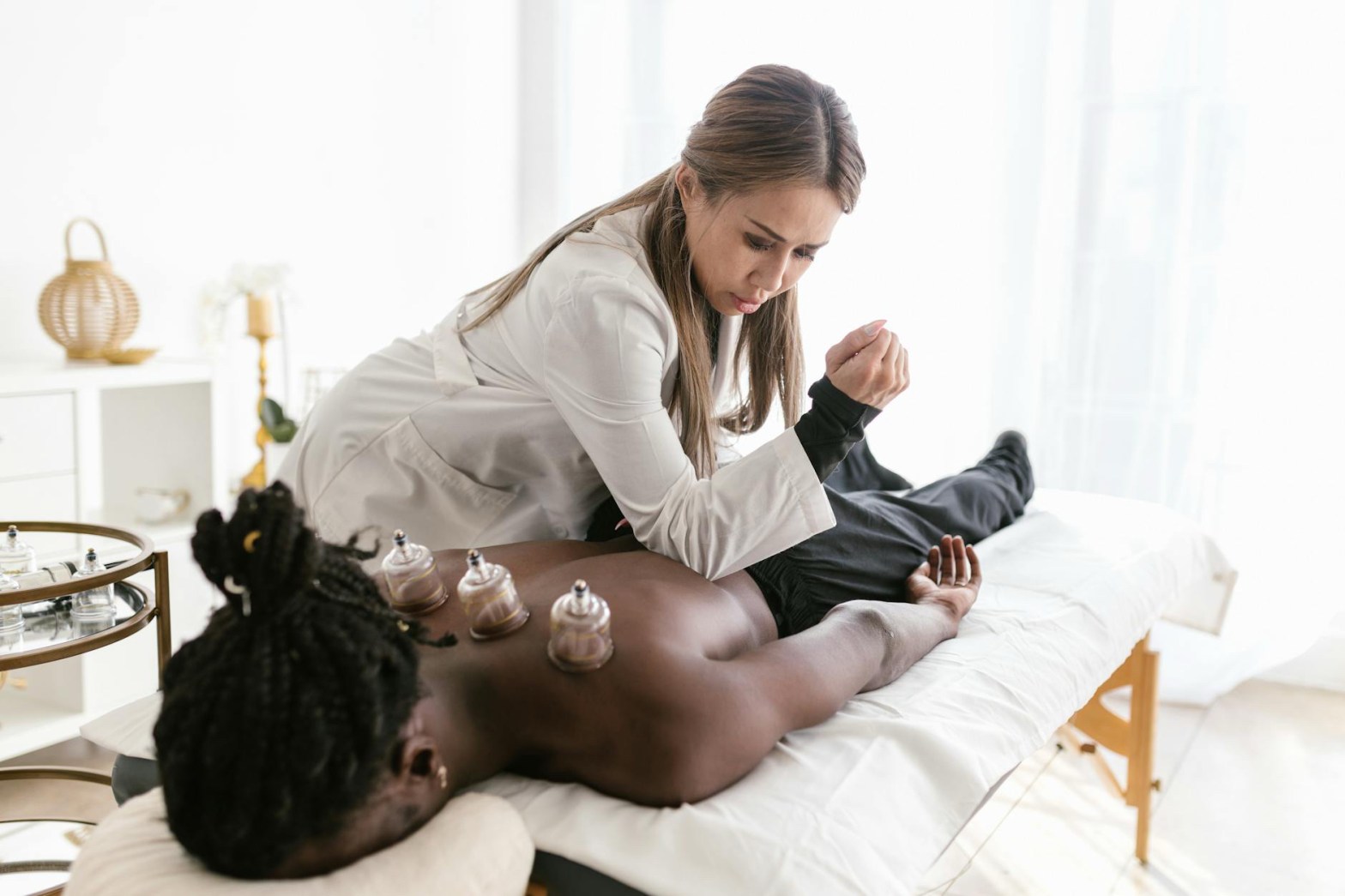
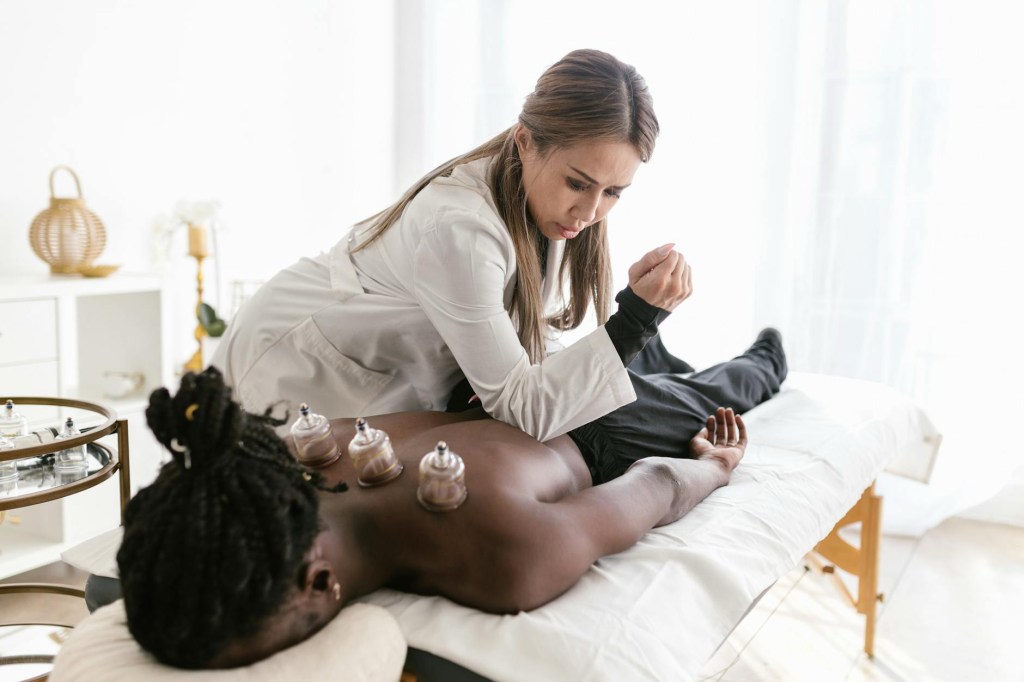
In my practice, I see Tuina as part of a larger toolkit for healing. It pairs beautifully with essential oils, breathwork, stretching, cupping, and nutrition to support both the body and the spirit.
When integrated with other massage modalities and lifestyle support, Tuina can help you move more freely, feel more grounded, and recover more quickly from life’s daily stressors.
Final Thoughts
Tuina is more than a massage—it’s a therapeutic system that taps into the body’s natural ability to heal and self-regulate. If you’ve been curious about traditional healing methods or are looking for a targeted, holistic way to support your body, Tuina might be the missing piece.
Ready to Experience Tuina for Yourself?
Curious about whether Tuina is right for you? Reach out to schedule a consultation or session, or just bring your questions—I’m happy to chat.
👐 Book a Tuina session today and discover how ancient wisdom can support your modern wellness journey.

 Tranquil Touch Wellness: Jennifer Richards, LMT