
Understanding the Brain–Body Connection in Hypermobility
By Jennifer Richards, LMT 2026
Many people with Ehlers-Danlos Syndrome (EDS) or hypermobility spectrum disorders report symptoms that go far beyond joint instability. One of the most common — and frustrating — experiences is brain fog: difficulty concentrating, memory lapses, mental fatigue, or feeling “spaced out.”
Emerging research suggests that this may be connected to neuroinflammation, mast cell activation, and changes in the blood–brain barrier. While research is still evolving, understanding these connections can help both clients and massage therapists adapt treatment approaches.
What Is Brain Fog?
Brain fog is not a formal diagnosis but a cluster of cognitive symptoms, including:
Difficulty concentrating Forgetfulness or poor short-term memory Slow thinking Difficulty finding words Mental fatigue Feeling disconnected or “not present”
Clients often describe it as:
“My brain feels thick.” “I can’t find words.” “I’m exhausted mentally.”
For people with hypermobility, these symptoms may fluctuate daily and often worsen with stress, illness, lack of sleep, or mast cell flares.

Mast Cell Activation and the Brain
A common comorbidity with hypermobility disorders is Mast Cell Activation Syndrome (MCAS).
Mast cells are immune cells that release chemicals such as:
Histamine Cytokines Prostaglandins Leukotrienes
These chemicals help protect the body from threats, but in MCAS they may be released too easily or excessively.

When Mast Cells Affect the Brain
Mast cells exist not only in the skin and gut but also near nerves and blood vessels in the brain. When activated, they can trigger:
Neuroinflammation
Headaches or migraines
Cognitive dysfunction
Fatigue
Sensory sensitivity
Histamine and inflammatory chemicals may influence brain signaling, contributing to the “brain fog” feeling many EDS clients report.

The Blood–Brain Barrier
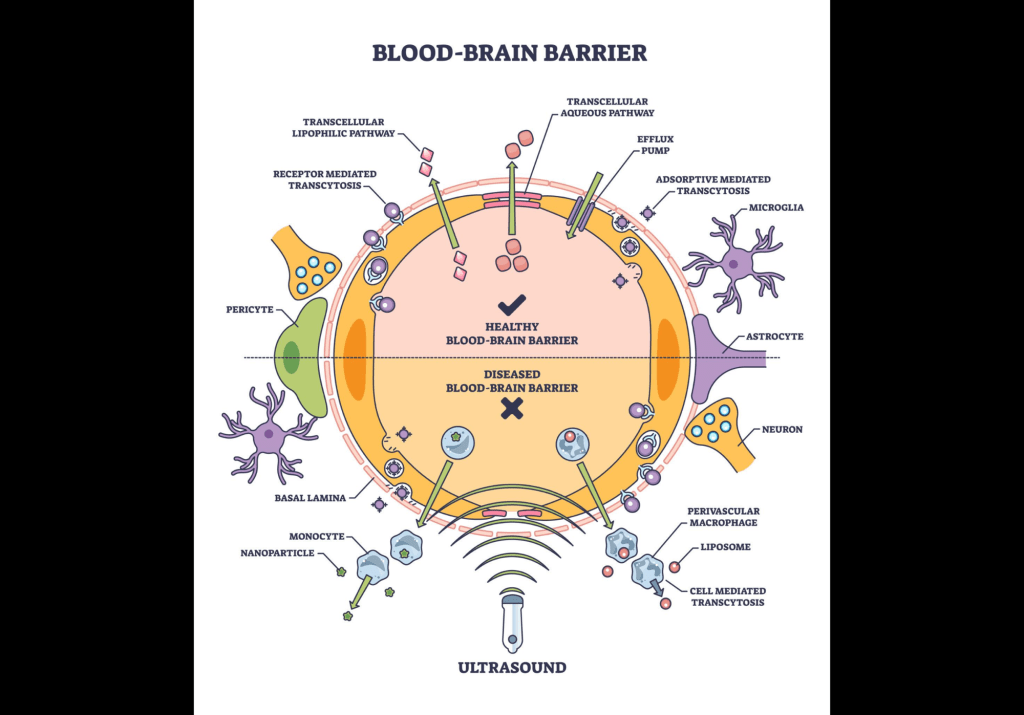
The blood–brain barrier (BBB) is a protective filter that regulates what enters the brain from the bloodstream.
It normally prevents:
toxins pathogens inflammatory molecules
from reaching brain tissue.
However, inflammation, stress hormones, infection, and mast cell activity may temporarily increase BBB permeability. When this occurs, inflammatory molecules can influence brain function and lead to:
cognitive slowing
headaches
dizziness
fatigue
This process is often referred to as neuroinflammation.
Why Hypermobility May Contribute
Researchers believe several mechanisms may overlap in hypermobility disorders:
1. Mast Cell Dysregulation
Many individuals with EDS report symptoms consistent with mast cell activation, including allergic-type reactions and systemic inflammation.
2. Autonomic Nervous System Dysfunction
Conditions such as Postural Orthostatic Tachycardia Syndrome (POTS) are common in hypermobile populations and may reduce blood flow to the brain during upright posture.
Reduced cerebral blood flow can worsen:
dizziness
fatigue
cognitive impairment
3. Chronic Inflammation
Connective tissue differences may influence immune signaling and inflammatory responses.
4. Gut–Brain Interaction
Many people with EDS also experience gastrointestinal dysfunction. The gut and brain communicate through the gut–brain axis, and inflammation in the gut may influence brain function.
What Clients May Experience
Clients with EDS, MCAS, or autonomic dysfunction may report:
Difficulty following conversations
Forgetting appointments
Sensitivity to light or noise
Migraines or pressure headaches
Dizziness or lightheadedness
Extreme fatigue after mental effort
These symptoms can fluctuate throughout the day and may worsen with:
heat
dehydration
allergic reactions
illness
stress
Does This Affect Massage Therapy?
Brain fog and neuroinflammation do not usually prevent massage therapy, but they may influence how a session should be approached.
Communication Considerations
Clients experiencing brain fog may:
need clear, simple explanations require extra time for intake forget instructions or aftercare recommendations
Written aftercare instructions can be helpful.
Sensory Sensitivity
Neuroinflammation and mast cell activation may increase sensory sensitivity, including reactions to:
strong essential oils
scented lotions
bright lights
loud sounds
A low-stimulus environment may improve comfort.
Autonomic Considerations
Because many hypermobile clients also experience autonomic dysfunction:
slow position changes may be necessary allow time before sitting up after the massage hydration may help reduce dizziness
Pressure Adjustments
Deep pressure is not always appropriate for hypermobile clients and may worsen inflammation or joint instability.
A slow, moderate pressure approach often works better.
Additional Considerations for Massage Therapists
Massage therapists working with hypermobile clients may consider:
• minimizing strong scents due to MCAS sensitivity
• avoiding excessive heat during flares
• checking in frequently regarding comfort levels
• allowing additional grounding time before standing
Many clients report that gentle, nervous-system-focused massage can help reduce overall stress and improve symptoms indirectly.
However, during severe mast cell or inflammatory flares, clients may prefer shorter or lighter sessions.
Current Research
Research on the relationship between EDS, MCAS, and neuroinflammation is still developing. However, clinicians have observed overlapping symptoms involving:
immune system dysregulation autonomic dysfunction inflammatory signaling neurological symptoms
Organizations such as the The Ehlers-Danlos Society continue to explore these connections as awareness grows.
When Clients Should Seek Medical Support
Massage therapists should encourage clients to consult a healthcare professional if they experience:
severe or worsening cognitive symptoms
persistent headaches or migraines
fainting or severe dizziness
neurological changes
These symptoms require medical evaluation.
Massage therapy should always be used in collaboration with medical care, not as a replacement.
Key Takeaway
Brain fog and cognitive symptoms in hypermobility may be influenced by a combination of:
mast cell activation
inflammation
autonomic dysfunction
blood-brain barrier changes
While massage therapy does not treat these conditions directly, thoughtful adaptations can support comfort, reduce stress, and improve overall well-being.
Disclaimer
This article is for educational purposes only and is not intended to diagnose, treat, cure, or prevent any medical condition. Individuals with Ehlers-Danlos Syndrome, Mast Cell Activation Syndrome, or related conditions should consult a qualified healthcare provider for medical advice. Massage therapists must practice within their scope of practice and should not attempt to treat medical conditions outside their training or licensure. Any massage therapy adaptations should be based on client comfort, professional judgment, and collaboration with appropriate healthcare providers.

 Tranquil Touch Wellness: Jennifer Richards, LMT