Caring for the Hypermobile Massage Therapist

A Gentle Self-Care Guide for Sustainable Practice

Jennifer Richards, LMT

First — You Are Not Broken

If you are hypermobile, you are not fragile.

You are not weak.

And you are certainly not incapable.

But your body does work differently.

Hypermobility is not just flexibility. It is increased joint range combined with decreased passive stability. Your ligaments are more elastic. Your nervous system works harder to keep you upright. Your muscles often overwork to compensate.

Massage therapy is a physically demanding profession. For hypermobile therapists, sustainability requires intention.

This guide is about protecting your longevity — not limiting your potential.

🥄 Energy Is Real: The Spoon Theory

The Spoon Theory, described by Christine Miserandino, explains energy as a limited resource.

Some days you wake up with:

20 spoons Other days: 7

Massage uses:

Postural endurance

Grip strength

Micro-stabilization

Emotional presence

Nervous system regulation

You cannot out-discipline a connective tissue disorder.

Consider:

Fewer back-to-back deep sessions Alternating lighter sessions between heavier ones Built-in recovery days Honest scheduling

Energy management is not laziness. It is strategy.

😴 Sleep Is Non-Negotiable

Hypermobile bodies:

Repair tissue more slowly

Experience higher sympathetic tone

Often have dysautonomia

Fatigue more quickly

Sleep is when:

Collagen turnover occurs

Muscles recover

The nervous system recalibrates

Helpful supports:

Consistent sleep and wake times

Cervical pillow that maintains neutral alignment

Body pillow for joint support

Magnesium glycinate (if tolerated and provider-approved)

Cooling sheets or breathable fabrics if temperature regulation is difficult

You cannot “push through” chronic sleep deprivation. It will always collect interest.

🥗 Nutrition for Stability

We are not trying to shrink your body.

We are trying to support your tissues.

Focus on:

Adequate protein (for muscle and collagen support)

Vitamin C (collagen synthesis)

Omega-3 fatty acids Electrolytes (especially with dysautonomia)

Whole, minimally processed foods

Limit:

Ultra-processed foods

High sugar intake

Excess alcohol

Excess caffeine (particularly if you experience tachycardia or POTS-like symptoms)

Possible supplements (discuss with a healthcare provider):

Magnesium

Vitamin C

Electrolytes

Collagen peptides (evidence is mixed, but may support some individuals)

Food is not punishment or control. It is structural support.

🏋️ Exercise: Stability Over Stretching

You do not need more stretching.

Hypermobility requires:

Proprioception

Controlled strengthening

Stability at mid-range

Slow tempo movements

Educator Jeannie Di Bon emphasizes safe strengthening for hypermobile bodies — focusing on control rather than end-range flexibility.

Helpful strategies:

Closed-chain exercises

Isometric holds

Deep neck flexor work

Glute medius strengthening

Scapular stabilization

Core control

Avoid:

Repeated end-range loading Locking knees or elbows Aggressive yoga “No pain, no gain” approaches

Strength protects you. Stretching without control destabilizes you.

🖐️ Support Tools That Make a Difference

Ring splints: Prevent finger hyperextension. Reduce joint fatigue during sessions.

Compression garments: Helpful for POTS/dysautonomia

Cooling scarves or neck wraps: Helpful for mast cell flares or temperature dysregulation

Proper footwear: Firm arch support. Replace shoes regularly Avoid overly flexible or worn footwear.

Anti-fatigue mats: Reduce ankle and knee strain Protect your lower back

Table height: Slightly higher than standard recommendation Prevents elbow locking and shoulder strain.

Small environmental changes create long-term protection.

💆 Work Smarter, Not Harder

Your hands are not your only tools.

Consider:

Forearm techniques

Assisted tools when appropriate

Micro-breaks between clients

Gentle wrist CARs between sessions

Hydration between clients

Rotating modalities

You are allowed to design your schedule around sustainability.

🫀 Nervous System Regulation

Many hypermobile individuals live in a heightened sympathetic state.

Add:

Slow diaphragmatic breathing

Gentle vagal toning practices

Time outdoors

Real rest (not scrolling)

HRV tracking if helpful

If you experience:

Lightheadedness

Tachycardia

Temperature instability

Brain fog

These may reflect autonomic dysfunction, not anxiety or weakness.

🛏️ Joint Protection at Home

Recovery continues after work.

Helpful supports:

Body pillow for hip and shoulder alignment

Cervical support pillow

Avoid prolonged end-range positions

Avoid sleeping with arms overhead

You heal while you rest.

🚫 What to Avoid

Pushing through pain

Competitive comparison culture

Locking joints during treatment

Excessive caffeine to compensate for fatigue

Living in chronic sleep debt

Ignoring autonomic symptoms

Sustainability is the goal. Not martyrdom.

🌿 You Are Not Weak

Many hypermobile therapists:

Overperform Overdeliver Overcompensate Crash privately

Pacing is not giving up.

It is professional maturity.

Longevity is the real measure of success in this profession.

When to Seek Support

Consider evaluation if you experience:

Recurrent joint instability

Frequent subluxations

Persistent tachycardia

Severe fatigue

Repeated injury

Appropriate referrals may include:

Physical therapy familiar with hypermobility

Cardiology (if dysautonomia suspected)

Rheumatology

Genetics Pelvic floor PT

Early support prevents burnout and injury.

Final Thoughts

You deserve to practice in a way that protects your future.

Hypermobility does not disqualify you from massage therapy.

But it does require wisdom.

Your body is not an obstacle.

It is information.

Listen to it.

Disclaimer

This guide is for educational purposes only and does not replace individualized medical advice. Hypermobility and connective tissue disorders exist on a spectrum. Consult a qualified healthcare provider before making changes to exercise, supplementation, bracing, or dietary practices. What is appropriate for one person may not be appropriate for another.
When It’s Not Lupus, Sjögren’s, or “Just Anxiety”

The Problem of Misdiagnosis in Hypermobility Spectrum Disorders

By Jennifer Richards, LMT

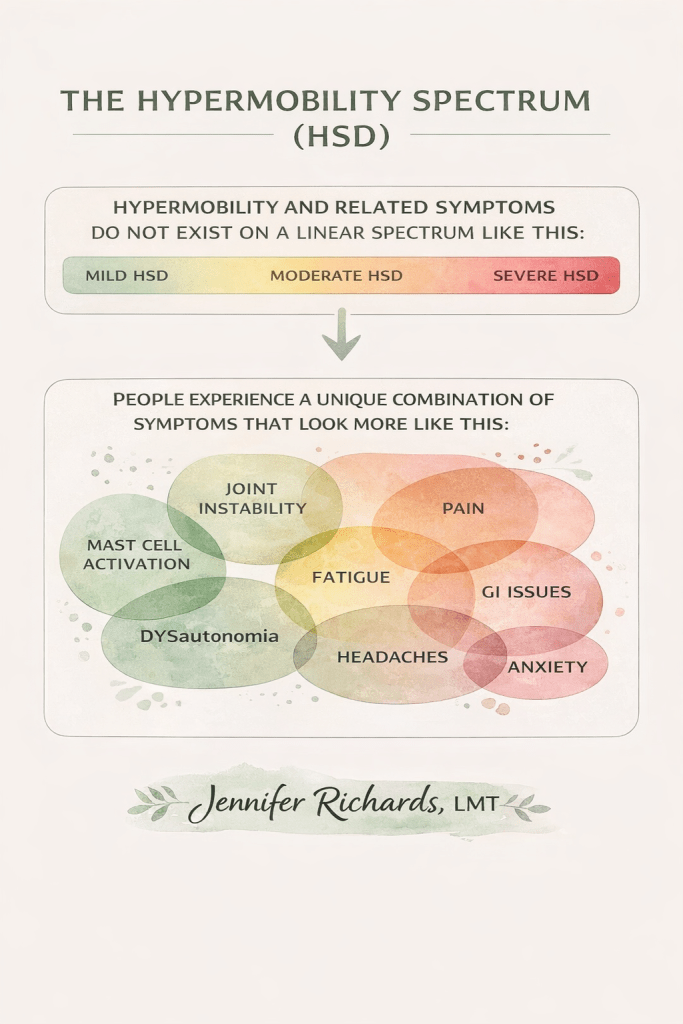
Hypermobility Spectrum Disorders (HSD) and hypermobile Ehlers-Danlos Syndrome (hEDS) are connective tissue disorders that frequently go unrecognized in clinical practice. Because connective tissue is present throughout the body, symptoms often involve multiple organ systems. When these symptoms are evaluated in isolation, patients may receive incomplete or incorrect diagnoses.

The result is not simply delay — but sometimes treatment that worsens instability or fails to address the underlying mechanism.

Why Hypermobility Is Commonly Missed

hEDS is currently the only Ehlers-Danlos subtype without a confirmed genetic marker. Diagnosis is clinical and based on criteria established in the 2017 International Classification of the Ehlers-Danlos Syndromes.

HSD is diagnosed when symptomatic joint hypermobility is present but full hEDS criteria are not met.

Because there is no single laboratory test to confirm hEDS/HSD, diagnosis requires:

A detailed history Beighton score assessment Evaluation of systemic features Exclusion of alternative diagnoses

Unfortunately, many providers are not trained to recognize the multisystem patterns associated with connective tissue disorders.

Frequently Reported Misdiagnoses

Below are conditions commonly diagnosed in patients later found to have HSD or hEDS. In some cases, these diagnoses may coexist. In others, they represent diagnostic overshadowing.

1. Systemic Lupus Erythematosus (SLE)

Patients with hypermobility frequently present with:

Joint pain

Fatigue Raynaud’s phenomenon

Rashes

Non-specific systemic complaints

These symptoms often prompt an autoimmune workup.

The antinuclear antibody (ANA) test is typically the first screening tool for lupus and related connective tissue diseases.

Research indicates:

A negative ANA has high negative predictive value for SLE. Over 95% of lupus patients are ANA positive.

When ANA testing is negative and other autoimmune markers are absent, clinicians may conclude that systemic autoimmune disease is unlikely.

However, the absence of autoimmune markers does not explain:

Mechanical joint instability

Recurrent sprains/subluxations

Orthostatic intolerance

GI dysmotility

In such cases, hypermobility should be considered.

Why Mislabeling Matters

If autoimmune disease is presumed:

Immunosuppressive agents Corticosteroids Biologics

may be prescribed.

Long-term corticosteroid use is known to weaken connective tissue, reduce collagen integrity, and increase risk of tendon injury — potentially worsening symptoms in individuals with underlying connective tissue fragility.

2. Sjögren’s Syndrome

Sjögren’s is characterized by:

Dry eyes

Dry mouth

Fatigue

Joint pain

Interestingly, individuals with dysautonomia — particularly those with small fiber neuropathy — may also experience dryness due to autonomic dysfunction affecting glandular secretion.

Additionally:

Dysautonomia can impair lacrimal and salivary gland regulation. Small fiber neuropathy has been documented in both Sjögren’s and hEDS populations.

When SSA/SSB antibodies are negative and biopsy findings are absent, Sjögren’s may be excluded — yet symptoms remain.

The autonomic component of hypermobility is often overlooked in this differential.

3. Fibromyalgia

Fibromyalgia and hypermobility frequently overlap.

Research suggests a significant percentage of individuals diagnosed with fibromyalgia demonstrate generalized joint hypermobility.

However:

Fibromyalgia is characterized by central sensitization. Hypermobility includes structural joint instability.

If mechanical instability is not addressed through targeted stabilization and neuromuscular control, symptoms may persist despite standard fibromyalgia treatments.

4. Anxiety and Panic Disorder

Dysautonomia — particularly Postural Orthostatic Tachycardia Syndrome (POTS) — is strongly associated with hypermobility.

Studies estimate that a substantial percentage of individuals with POTS meet criteria for hypermobility disorders.

Symptoms of dysautonomia include:

Tachycardia

Lightheadedness

Tremulousness

Shortness of breath

Sweating Exercise intolerance

These can mimic panic disorder.

While anxiety may coexist, autonomic dysfunction is physiologic. Failure to perform orthostatic vitals or tilt-table testing may lead to psychiatric mislabeling.

This has consequences:

Delayed autonomic treatment Inappropriate medication choices Psychological invalidation

5. Irritable Bowel Syndrome (IBS)

Gastrointestinal involvement in hypermobility may include:

Delayed gastric emptying

Esophageal dysmotility

Constipation

Diarrhea

Visceral hypersensitivity

Connective tissue abnormalities affect smooth muscle support and enteric nervous system regulation.

IBS may be diagnosed appropriately — but without recognition of underlying connective tissue laxity, management strategies remain incomplete.

6. Early Degenerative Joint Disease

Because hypermobile joints experience increased shear forces and microinstability, early degenerative changes may occur.

Patients are sometimes told:

“You’re just wearing out early.” “It’s early arthritis.”

While degeneration may be present, the biomechanical cause — instability — may not be addressed.

Dysautonomia: A Critical Missing Piece

Autonomic dysfunction is one of the most underrecognized aspects of hypermobility.

Mechanisms proposed in the literature include:

Vascular connective tissue laxity leading to venous pooling Impaired vasoconstriction

Small fiber neuropathy

Abnormal baroreceptor signaling

Symptoms may include:

Orthostatic tachycardia

Temperature intolerance

Exercise intolerance

Brain fog

GI dysmotility

Urinary dysfunction

Without recognition of dysautonomia, patients may undergo years of fragmented evaluations.

What If the ANA Is Negative?

A negative ANA:

Significantly lowers likelihood of systemic lupus. Does not rule out hypermobility. Does not explain persistent mechanical instability.

If symptoms include:

Recurrent sprains

Joint hyperextension

Chronic “tight” muscles despite flexibility

Orthostatic intolerance

GI dysmotility

Family history of hypermobility

Further evaluation for HSD/hEDS may be warranted.

Suggested next steps:

Beighton score assessment

Review of 2017 hEDS criteria

Orthostatic vitals

Referral to providers familiar with connective tissue disorders

The Risk of Incorrect Treatment

Misdiagnosis may lead to:

High-velocity manipulations in unstable joints Aggressive stretching protocols Long-term corticosteroid exposure Unnecessary psychiatric labeling Surgical interventions without addressing instability

In hypermobility, stability — not increased range — is typically the therapeutic priority.

Why Proper Diagnosis Matters

Accurate diagnosis allows for:

Targeted stabilization strategies Autonomic support protocols Energy management education Multidisciplinary coordination Patient validation

It reframes the narrative from “medically unexplained” to “mechanically and neurologically complex.”

Closing Thoughts

Hypermobility is not rare.

It is underrecognized.

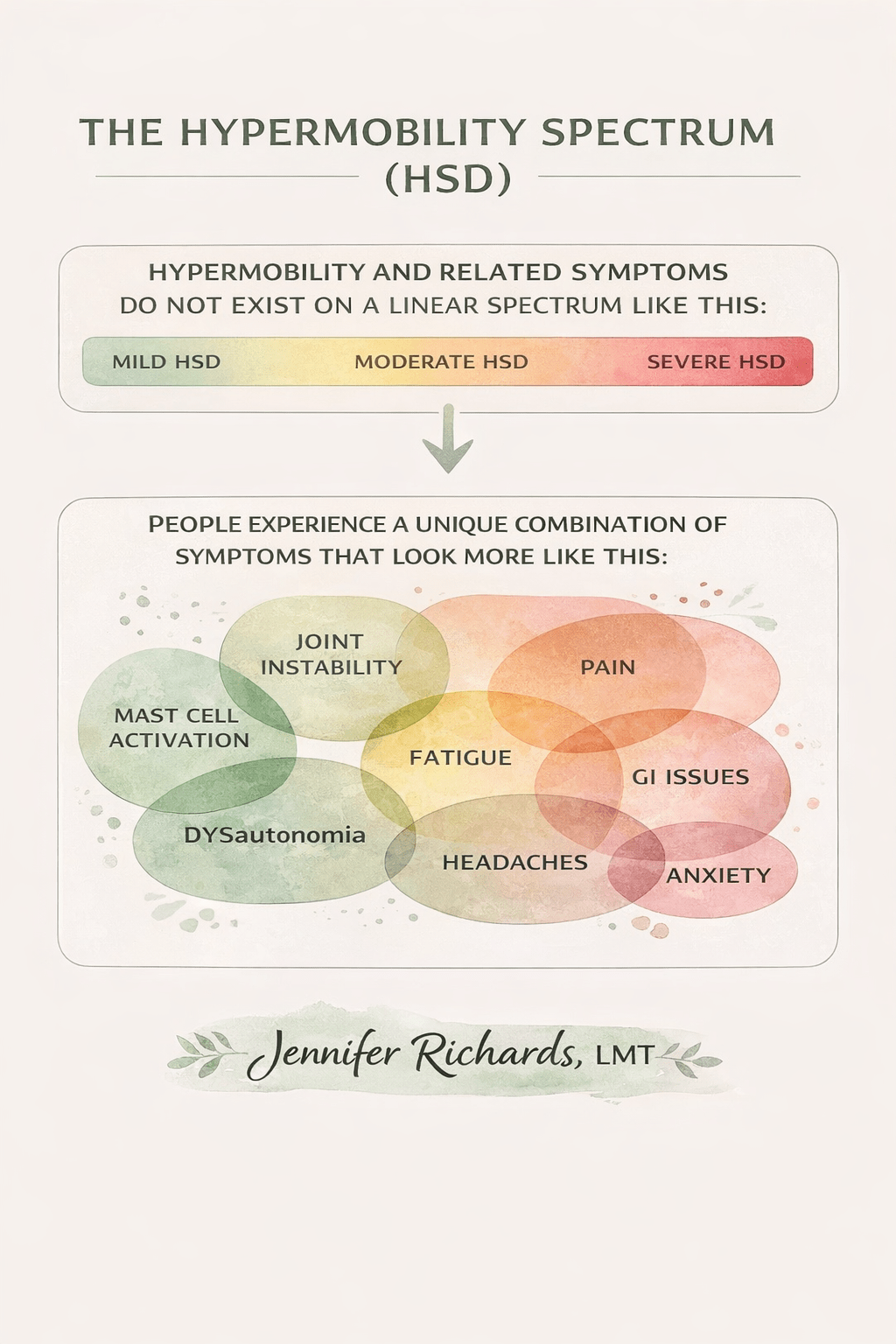
The spectrum is not linear, and symptoms do not always fit neatly within one specialty.

When autoimmune panels are negative and symptoms persist, connective tissue should be considered.

A correct diagnosis does not erase symptoms — but it changes the strategy.

And strategy matters.

Disclaimer

This article is for educational and informational purposes only and does not constitute medical advice. Diagnosis and treatment decisions should be made in consultation with qualified healthcare professionals. If you suspect a connective tissue disorder or autonomic dysfunction, speak with your physician or a specialist experienced in hypermobility spectrum disorders.

The Client That Changed How I Practice

I began massage school at the age of 50 — a time when many people are thinking about slowing down, yet I was just getting started. From the moment I entered the classroom, I knew I had found my path. Massage therapy felt meaningful, purposeful, and aligned with who I was becoming.

Like every new therapist, however, my first days in the treatment room were filled with nerves. I worried clients would sense my inexperience. I wanted to do everything perfectly — my techniques, my communication, and especially my draping.

During my first week of work, I was assigned a client I will call “Tom,” a man in his early sixties. Because the spa had only recently reopened after COVID, we were improvising with supplies and using an extra sheet instead of blankets.

From the beginning of the session, he appeared unusually restless, repeatedly shifting and adjusting the linens. I immediately assumed the issue was my draping technique. Determined to provide excellent care, I quietly readjusted the sheets multiple times, wondering what I might be doing wrong.

When the session ended, he handed me a $40 tip.

I was stunned.

To a brand-new therapist, that felt like validation — proof that despite my anxiety, I had done good work. When I saw he had booked another appointment the following week, I was thrilled. I had my first repeat client.

During the second session, the restlessness continued. He also began making comments about his preference for being unclothed during massage. Subtle alarm bells rang in the back of my mind, but I pushed them aside. My draping had improved, yet the sheet still seemed to loosen.

Another generous tip followed. Another rebooking.

I told myself the comments were harmless. After all, he was becoming a regular client, and I was eager to build my practice.

Looking back now, I understand something I could not yet see:

He was testing boundaries.

By the third appointment, he made a statement that confused me at the time. He said that if I ever had an issue with him, I should speak directly to him rather than involve management. I didn’t yet recognize this as an attempt to control the dynamic and discourage reporting.

As the massage progressed, his movements felt increasingly deliberate. I reviewed his intake history beforehand — there was no medical condition that would explain the behavior.

Near the end of the session, I was working at the head of the table. Because of COVID precautions, therapists were careful about breathing direction, often turning slightly away while maintaining awareness of the client.

Something prompted me to check on him.

When I looked over, he had intentionally exposed himself and was watching me for a reaction.

In that instant, training and protocol disappeared, replaced by pure instinct.

I stood up and walked out of the room.

Later, I learned the official protocol would have been to clearly state the behavior was unacceptable, press the emergency button, and exit. But the truth is this:

When a person feels threatened, the nervous system does not prioritize procedure — it prioritizes safety.

Initially, my manager questioned why I had not followed protocol. But after speaking with trusted coworkers, I found the language I needed. I returned and stated clearly:

“I do not feel safe with this client on my schedule, and I do not believe my coworkers would be safe either.”

Those words mattered.

The spa conducted a deeper review of his history and discovered prior incidents. He was permanently banned from the franchise.

What This Experience Taught Me

For a moment, I wondered why this had happened to me — a 51-year-old therapist, not someone easily mistaken for naive. But predators do not select targets based on age or appearance. They look for kindness, professionalism, and a desire to please — qualities many healthcare providers naturally possess.

I now recognize the pattern clearly: the generous tips, the weekly bookings, the subtle comments, the request to bypass management. It was grooming behavior designed to test how much I would tolerate.

Most importantly, the experience reshaped how I practice.

It strengthened my boundaries.

It deepened my clinical awareness.

It reinforced the importance of therapist safety — something we do not discuss nearly enough in training programs.

And it clarified a truth I now share openly with students and colleagues:

This can happen to any therapist, at any stage of their career.

What defines us is not whether we encounter difficult situations — but whether we trust ourselves when something feels wrong.

That day, I trusted my instincts.

And I have never second-guessed them since.

For more information, please check out this site.

Why Professional Infrastructure Is Essential in the Spa & Wellness Industry

By Jennifer Richards 2025

There’s a persistent belief in the spa and wellness industry that being a “small business” allows organizations to operate informally — that policies, training, and professional oversight can wait until later.

In healthcare-adjacent industries, that belief creates real risk.

Having worked across management, safety, compliance, and workplace culture, I’ve seen how gaps in training, leadership, and infrastructure don’t just affect operations — they affect patient safety, employee trust, and long-term sustainability.

“Small Business” Does Not Mean Low Responsibility

Across industries, most spas and wellness practices qualify as small businesses. That designation does not reduce responsibility for:

• Workplace safety and emergency preparedness

• Harassment and discrimination prevention

• Labor law compliance

• Wage and tip regulations

• Client and employee privacy

• Ethical clinical practice

Once a business employs staff and serves the public, these responsibilities are foundational — not optional.

A Note on Safety, Sustainability, and Industry Responsibility

Massage therapy is deeply rewarding work, but it is also physically demanding. Industry standards consistently indicate that the average massage therapist should not perform more than 20 hours of hands-on massage per week in order to reduce the risk of injury, chronic pain, and professional burnout. Supporting therapists within these parameters is not a limitation—it is a commitment to longevity, quality of care, and ethical practice. When therapists are protected, clients ultimately receive better, more present, and safer treatment. The science behind this is, a massage therapist is using their minds and their bodies to problem solve and a 1 hour session is the equivalent to 2 hours at a regular job.

In addition, environmental conditions within the treatment room play a critical role in both client comfort and practitioner safety. While rising heating and cooling costs create real challenges for management, it is essential to remember that a massage treatment room should never exceed 75°F. Once the door closes, multiple heat sources may be present: a table warmer, towel warmer, hot stones, the client, and an actively moving therapist. Elevated room temperatures can quickly create unsafe working conditions, increasing the risk of dehydration, heat stress, fatigue, and compromised focus—posing a safety concern for both therapist and client.

True professionalism in this industry means balancing business realities with human sustainability. Supporting safe workloads and maintaining appropriate treatment room temperatures are not optional considerations—they are foundational to ethical, responsible massage therapy practice.

Safety and Emergency Planning Are Non-Negotiable

Clear exits, evacuation plans, and emergency training are not “corporate extras.” They are basic safety standards.

When staff are unsure how to respond during emergencies, it’s rarely due to negligence — it’s usually due to lack of training and clear protocols. In regulated environments, confusion during a crisis is a preventable failure, not an accident.

HR Knowledge Protects Everyone

Many wellness businesses rely on owners or office managers to “figure out” HR functions without formal training. This is where legal and ethical problems often begin.

Common industry risks include:

• Improper camera placement and privacy violations

• Pregnancy or caregiver discrimination

• Unenforceable education or training repayment agreements

• Wage and hour violations

• Misuse of tipped income

• Expecting administrative labor without appropriate compensation

Having trained HR support — whether internal or outsourced — is not bureaucracy. It is risk management.

Tips Are Not a Management Tool

In tipped professions, tips belong to the service provider. They are not performance incentives, disciplinary tools, or leverage for meeting administrative or sales goals.

Using tips as motivation erodes trust and exposes businesses to wage-and-hour violations. Healthy performance systems rely on transparent pay structures, training, and incentives — not financial coercion.

Massage Therapists Are Healthcare Providers

Massage therapists are licensed healthcare providers, governed by professional ethics and state regulations. Clinical judgment is a legal and ethical responsibility.

Not every client is an appropriate candidate for every modality or add-on. Populations such as:

• Oncology clients

• Pregnant clients

• Clients with autonomic or cardiovascular conditions

may have contraindications for certain services, including heat-based therapies.

Declining an upgrade for clinical reasons is not poor performance — it is ethical care.

When Sales Metrics Override Clinical Judgment

Problems arise when wellness businesses apply uniform sales expectations without understanding healthcare risk.

When leadership lacks clinical education:

• Ethical practitioners appear “less productive” on paper

• Unsafe practices may go unrecognized

• Revenue goals override patient safety

• Experienced clinicians are pressured to compromise standards

In healthcare-adjacent environments, more upgrades do not equal better care.

Leadership Requires Competence, Not Convenience

Promoting individuals into leadership roles without proper training — or placing familiarity over qualification — creates instability.

Effective leadership means:

• Hiring trained professionals for HR, payroll, and compliance

• Providing ongoing education for administrators

• Listening to experienced staff

• Understanding the difference between retail metrics and clinical ethics

Culture follows structure. Weak structure produces fragile culture.

Experience Changes Expectations

When organizations employ professionals with long work histories, those employees bring context. They recognize what safe, ethical, and compliant systems look like.

When foundational systems are missing, it sends a message — intentional or not — that:

• Safety is negotiable

• Legal boundaries are flexible

• Ethics are secondary to revenue

This creates distrust, not resistance.

Experienced professionals don’t disengage because they’re difficult. They disengage because they recognize patterns that historically lead to burnout, liability, and reputational harm.

Once trust erodes, performance tracking and motivational messaging cannot repair the system.

Training Administrators Is an Investment, Not a Weakness

One of the most effective solutions is training existing administrators, rather than assuming competence based on title alone.

There are excellent industry-appropriate resources available for:

• HR fundamentals and labor law

• Harassment prevention

• Workplace safety and emergency planning

• Ethical management in healthcare-adjacent environments

Well-trained administrators protect businesses, support clinicians, and stabilize culture.

The Bottom Line

In the spa and wellness industry, professionalism is not defined by aesthetics or revenue — it’s defined by safety, ethics, compliance, and trust.

Investing in:

• Training

• Qualified leadership

• HR expertise

• Clinical education

is not unnecessary overhead. It is the foundation of sustainable care.

Small businesses don’t fail because they do too much right.

They fail because they assume they don’t have to.

Resources for Training & Professional Development

If you’re an administrator, business owner, or clinician looking to build professional skills, the following organizations provide quality training, certifications, and compliance guidance relevant to our industry:

📌 HR, Compliance & Workplace Law

1. SHRM — Society for Human Resource Management

Comprehensive HR certifications and compliance training for administrators and leaders.

👉 https://www.shrm.org/

2. HRCI — HR Certification Institute

Globally recognized HR credentials (e.g., PHR, SPHR).

👉 https://www.hrci.org/

3. U.S. Department of Labor — eLaws Employment Law Resources

Free guidance on federal labor laws and employer obligations.

👉 https://www.dol.gov/agencies/elaws

📌 Harassment & Discrimination Prevention

4. EEOC Training Institute (U.S. Equal Employment Opportunity Commission)

Workplace harassment, discrimination, and respectful workplace training.

👉 https://www.eeoc.gov/training-institute

5. Compliance Training Group

Interactive online courses for harassment prevention, workplace ethics, and legal compliance.

👉 https://compliancetraininggroup.com/courses/

📌 Safety & Emergency Preparedness

6. OSHA — Occupational Safety and Health Administration

Free resources and training materials on workplace safety standards.

👉 https://www.osha.gov/

7. National Safety Council (NSC)

Workplace safety training and certifications (first aid, emergency preparedness, etc.).

👉 https://www.nsc.org/

📌 Clinical & Massage-Specific Education

8. AMTA — American Massage Therapy Association

Clinical education, ethics standards, and CE opportunities for massage professionals.

👉 https://www.amta.org/

9. ABMP — Associated Bodywork & Massage Professionals

Continuing education courses and compliance resources.

👉 https://www.abmp.com/

10. NCBTMB — National Certification Board for Therapeutic Massage & Bodywork

CE credits and professional certifications recognized in many states.

👉 https://www.ncbtmb.org/

📌 Professional Development & Leadership

11. Coursera – Business Foundations & Leadership Courses

Relevant courses on leadership, communication, and team management.

👉 https://www.coursera.org/browse/business

12. LinkedIn Learning — Leadership & Management Skills

Skill-building in communication, team culture, and HR fundamentals.

👉 https://www.linkedin.com/learning/

📌 Small Business Support & Resources

13. SCORE — Mentorship & Small Business Training

Free mentoring and business education for small organizations.

👉 https://www.score.org/

14. SBA — Small Business Administration

Training and resources for small business compliance, planning, and operations.

👉 https://www.sba.gov/

Disclaimer:

This article is intended for educational and informational purposes only and reflects general industry considerations within the spa, wellness, and healthcare-adjacent fields. It does not constitute legal, medical, or human resources advice. Regulations, licensing requirements, and employment laws vary by jurisdiction and business structure. Readers are encouraged to consult qualified legal counsel, human resources professionals, regulatory agencies, or licensed educators when developing policies, training programs, or clinical protocols.

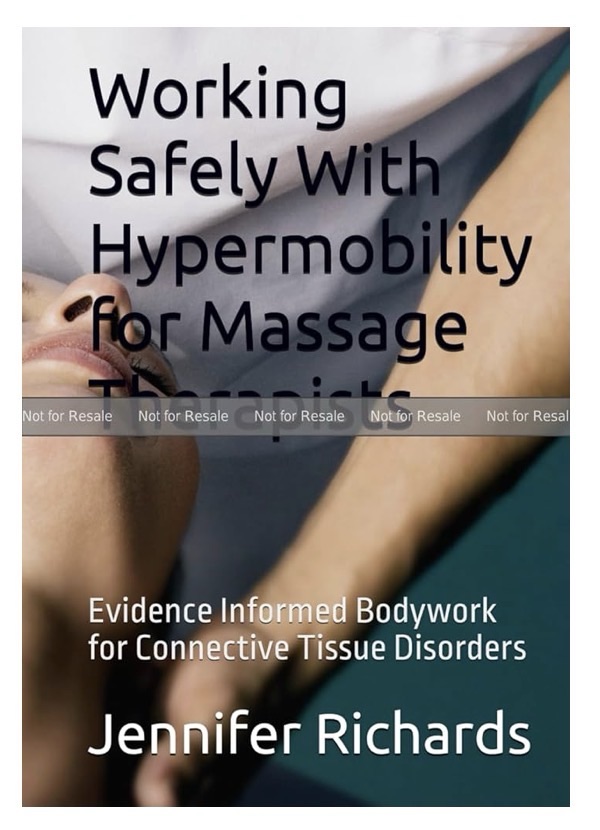
My Book Is Officially Published! A Must-Have Resource for Massage Therapists Working With Hypermobility

By Jennifer Richards 2026

I’m so excited to finally share some big news…

My book is officially published! 🎉

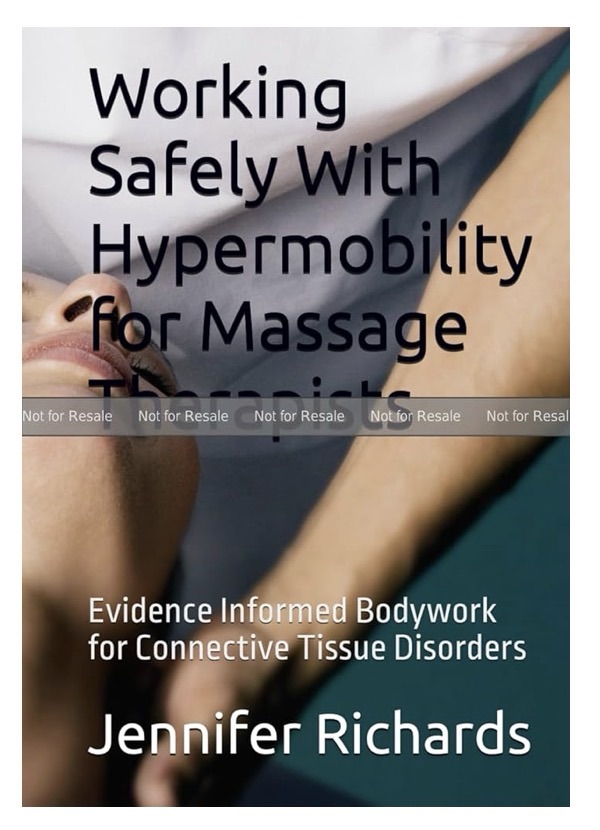
Working Safely with Hypermobility

right? But it’s not. The Hypermobility is a symptom of a much larger problem. There is approximately 1/500 people that are Hypermobile. Being one myself, I was constantly injured by misguided therapists that followed traditional learning and applied it to me. Finally, I began approaching my Hypermobile clients differently and began attracting more. The stories I was getting from them were not surprising, as I have had similar experiences.

This book was created specifically for massage therapists who work with hypermobile clients, including those with connective tissue disorders and complex presentations that require a more thoughtful, informed approach to bodywork.

Hypermobility is often misunderstood, overlooked, or treated like “just flexibility”—but many of us know firsthand that it can be connected to pain patterns, joint instability, nervous system sensitivity, chronic inflammation, fatigue, and frequent injuries. And unfortunately, traditional massage protocols don’t always serve these clients safely.

That’s why I wrote this book.

A Textbook + Real-World Guide for Massage Therapists

This book is designed to be both a professional reference and the official textbook companion to my upcoming CE class:

Working Safely with Hypermobility: Evidence-Informed Bodywork for Connective Tissue Disorders

It goes beyond surface-level information and gives therapists the tools to understand the “why” behind what hypermobile clients experience—so we can work smarter, safer, and with better outcomes.

What’s Inside the Book

You’ll find a deep but practical breakdown of topics massage therapists actually need, including:

✅ Anatomy & physiology to better understand what’s happening in the body

✅ Kinesiology with real movement considerations for hypermobility

✅ Pathology and common coexisting issues that may affect session planning

✅ A clear intake example showing what your forms should include

✅ Treatment considerations and safe, therapist-friendly adjustments

✅ A special section for hypermobile massage therapists, including tips for longevity, body mechanics, pacing, and self-protection

This isn’t just a “read-it-once” book—this is the kind of resource you’ll keep nearby and reference often, especially when a client presents with unclear symptoms, unusual pain responses, or frequent flare-ups.

Why This Matters

Hypermobility clients often go years being dismissed or misunderstood. Many have been told their pain is “normal,” that they’re just anxious, or that they need to stretch more (when stretching might be the very thing making them worse).

Massage can be incredibly supportive for this population—when it’s done safely, skillfully, and with true clinical awareness.

My goal is to help therapists feel confident and prepared when these clients walk through the door.

Thank You for Supporting This Work

This book is a reflection of my passion for helping therapists grow and helping clients feel understood. Whether you’re newly licensed or highly experienced, I hope this gives you tools you can immediately apply in your practice.

📚 The book is now published, and the CE class is coming soon—so stay tuned for enrollment details, dates, and how to sign up!

If you’re a massage therapist working with hypermobility (or you suspect you are), I’d love to hear from you.

You’re not alone, and you don’t have to guess your way through these sessions anymore.

— Jennifer Richards, LMT

Massage Therapist, Massage Educator

Student Massage Clinic: What It Is & What to Expect

By Jennifer Richards 2026

(A Friendly Guide for First-Time Clients)

If you’ve ever thought about getting a massage but weren’t sure where to start—a student massage clinic can be an amazing option. It’s affordable, professional, and a great way to support future massage therapists as they learn and grow.

Whether you’re coming in for relaxation, tension relief, or curiosity, here’s a clear breakdown of what a student clinic is and what you can expect during your visit.

What Is a Student Massage Clinic?

A student massage clinic is a supervised learning environment where massage therapy students provide massage sessions to the public as part of their education.

These sessions take place in a clinic setting (often inside a massage school), and students work with real clients to build skills such as:

Professional communication

Client intake and health history review

Proper draping and privacy

Hands-on massage techniques

Time management during sessions

Documentation (SOAP notes)

Ethics and professionalism

Most importantly: student massage sessions are typically closely supervised by licensed massage therapists or instructors.

So while the student is doing the hands-on work, the clinic is not “unsupervised practice.” It’s a structured learning experience designed to protect both the client and the student.

Why Would Someone Choose a Student Massage Clinic?

A student clinic can be a great choice if you want:

More Affordable Massage

Student clinic pricing is usually significantly lower than spas or private practices, and they can possibly be free.

A Relaxed, Low-Pressure Environment

Many clients feel more comfortable in a clinic setting—especially if they’re new to massage.

To Support Future Massage Therapists

You’re helping students build confidence and real-world experience.

To Try Massage for the First Time

A student clinic is an easy entry point into learning what you like and what your body responds to.

What to Expect at Your Appointment

Here’s what a typical visit looks like:

1) Check-In & Paperwork

When you arrive, you’ll likely complete an intake form that includes:

Your contact information

Health history

Areas of pain/tension

Previous injuries or surgeries

Massage preferences (pressure, areas to avoid, etc.)

This isn’t “just paperwork.” It helps your student therapist understand how to work safely and appropriately with your body.

2) The Intake Conversation

Before the massage begins, the student therapist will talk with you about:

Why you’re coming in

What you’re hoping to get out of the session

Any medical concerns or limitations

Your comfort level with pressure and communication

You can always say things like:

“I’m nervous—this is my first massage.” “I don’t want deep pressure.” “Please avoid my feet.” “I’d like extra focus on my shoulders.”

A good student therapist will be happy to accommodate and will appreciate clear communication.

3) Privacy & Professional Draping

Once the plan is clear, the student will give you privacy so you can get on the table in private.

You’ll be covered with a sheet/blanket using professional draping, meaning:

✅ Only the area being worked on is exposed

✅ Your privacy is protected at all times

✅ You can request adjustments if you feel uncomfortable

If you ever feel unsure, speak up. Comfort and boundaries matter.

4) The Massage Session

Student clinic massages are often Swedish-based (relaxation style), and may include:

Light to moderate pressure

Slow, careful technique

Focus on basic flow, safe body mechanics, and good draping

Some deeper work if appropriate and within the student’s level

Because students are still learning, you might notice:

They may move more slowly

They may “check in” more often

They may be more cautious around areas of pain

That’s not a bad thing—it often means they’re working thoughtfully and safely.

5) Instructor Supervision

In many student clinics, instructors may:

Step in briefly to observe technique

Offer quiet guidance

Answer questions

Ensure safety and professionalism

This supervision is there to support the student and protect the client experience.

6) After the Massage

At the end of the session, you’ll be given time to get dressed privately.

Your student therapist may also:

Offer water (depending on the clinic)

Ask how you’re feeling

Share gentle recommendations (stretching, hydration, self-care)

Remind you of any normal post-massage soreness

What You Should Communicate During the Massage

Please know: you are never being “difficult” by speaking up.

Helpful things to communicate include:

✅ “That pressure is too much / too light.”

✅ “That spot feels tender—can you go gentler?”

✅ “My arm is falling asleep.”

✅ “I’m cold—can I have the blanket adjusted?”

✅ “Can we avoid my neck today?”

✅ “I’d rather not talk—I just want quiet.”

Your feedback makes the session better for you and helps the student learn.

What Student Massage Is (and Isn’t)

Student massage can be extremely beneficial—but it’s important to understand what it’s designed for.

✅ Student clinic massage IS great for:

Stress relief General muscle tension Relaxation Mild discomfort Maintenance care

⚠️ Student clinic massage may NOT be best for:

Complex medical conditions needing specialized care

Very deep therapeutic work

Severe pain conditions requiring advanced assessment

Highly specific treatment plans

That doesn’t mean you can’t come in—it just means your needs might be better served with a licensed therapist in private practice depending on the situation.

Tips to Have the Best Student Clinic Experience

Here are a few simple ways to feel more prepared:

Arrive 10–15 minutes early

Eat lightly beforehand (not super full, not starving)

Wear comfortable clothing

Don’t be afraid to ask questions

Speak up about pressure and comfort

Plan to drink water and rest afterward if you can

Final Thoughts: Student Clinics Are a Hidden Gem

A student massage clinic offers a unique blend of professional care, affordability, and supportive learning.

If you’ve been curious about massage—or you want a consistent self-care routine without breaking the bank—this may be the perfect place to start.

You’re not only investing in your own wellness…

you’re helping shape the future of the massage profession.

What About Privacy and Noise in a Student Clinic Setting?

Student massage clinics can look a little different depending on the school and how the clinic is set up.

Some student clinics have individual treatment rooms with doors, similar to a spa or private practice.

But many schools use a shared clinic room where massage tables are separated by curtains or partitions.

Why do some clinics use curtains instead of private rooms?

This setup allows clinic supervisors and instructors to:

Observe students for safety and professionalism Ensure proper draping and boundaries Help guide technique and positioning Support students in real time when needed

In a student clinic, supervision is a big part of what keeps the experience safe, ethical, and educational.

In a Curtain-Style Clinic, Expect Some Normal Background Noise

Because multiple sessions may happen in the same room at the same time, it’s completely normal to hear:

Curtains opening and closing

Quiet conversations between a student and their client

An instructor checking in or giving guidance

Students asking questions when they’re learning

Soft footsteps and movement around the room

Occasional scheduling conversations at the front desk or nearby

Even when everyone is doing their best to be respectful and professional, a student clinic may not be as silent as a luxury spa.

This doesn’t mean the massage is less professional

It means the environment is a working teaching clinic, and real learning is happening.

A Gentle Reminder: A Full Clinic Means a Busy Learning Environment

Sometimes the clinic is full, and the room is active. In those moments:

instructors may check in with multiple students clients may ask questions about scheduling students may need quick guidance normal clinic flow continues

Even in a professional setting, that can create more background activity than expected.

We always aim to keep the environment calm and respectful — but a student clinic isn’t always a “silent retreat.”

It’s a training space, and part of the experience is understanding that learning is happening in real time.

Handling Clients: Understanding Massage Therapy as Healthcare, Not Retail

By Jennifer Richards 2025

Massage therapy occupies a unique space between hospitality and healthcare—and that distinction matters. While comfort, professionalism, and client experience are important, massage therapists are licensed healthcare providers, not retail service workers. The idea that “the customer is always right” does not apply when health, safety, and ethical responsibility are involved.

A massage therapist’s primary obligation is to Do No Harm. This ethical responsibility means that we cannot always give clients exactly what they ask for, even when those requests are strongly expressed. When a therapist declines or modifies a requested service—such as deep tissue work—it is not a refusal of care. It is an informed clinical decision based on training, experience, assessment, and professional standards.

Why You Don’t Always Get What You Request

Clients sometimes struggle to understand why a therapist won’t “just go deeper” or focus only on the area that hurts. Pain is not always caused by the tissue where it is felt. It is often referred pain, meaning the source of the discomfort lies elsewhere. Using knowledge of anatomy and kinesiology, therapists may work surrounding or contributing muscles to effectively relieve pain. This approach is intentional and evidence-informed—not dismissive.

Massage therapists also cannot ignore contraindications, inflammation, medication effects, recent injuries, or chronic conditions simply because a client requests a specific technique. Ethical care means prioritizing what is safe and appropriate, not what is demanded.

One Session Is Rarely a Fix

Another common misconception is that massage can resolve long-standing issues in a single session. Most musculoskeletal problems develop over years of posture habits, repetitive movements, stress patterns, or injury. While massage can provide relief and improvement, lasting change typically requires regular care, combined with stretching, movement awareness, hydration, and improved body mechanics.

Massage therapy is not a magic eraser—it is a powerful tool when used consistently and appropriately.

Communication Is Essential

Therapists cannot read minds. If pressure feels uncomfortable, if something doesn’t feel right, or if you expected something different from your session, it is essential to speak up. Without communication, therapists are not given the opportunity to adjust and improve your experience in real time.

Consent is ongoing. You may ask for changes at any point during the session.

Understanding Stillness and Lighter Touch

Clients sometimes notice moments of stillness, gentle holding, or lighter pressure during a session. These pauses are often intentional. They allow the nervous system to settle and tissues to respond. Stillness is not disengagement—it is part of therapeutic work.

Professional Boundaries and Scope of Practice

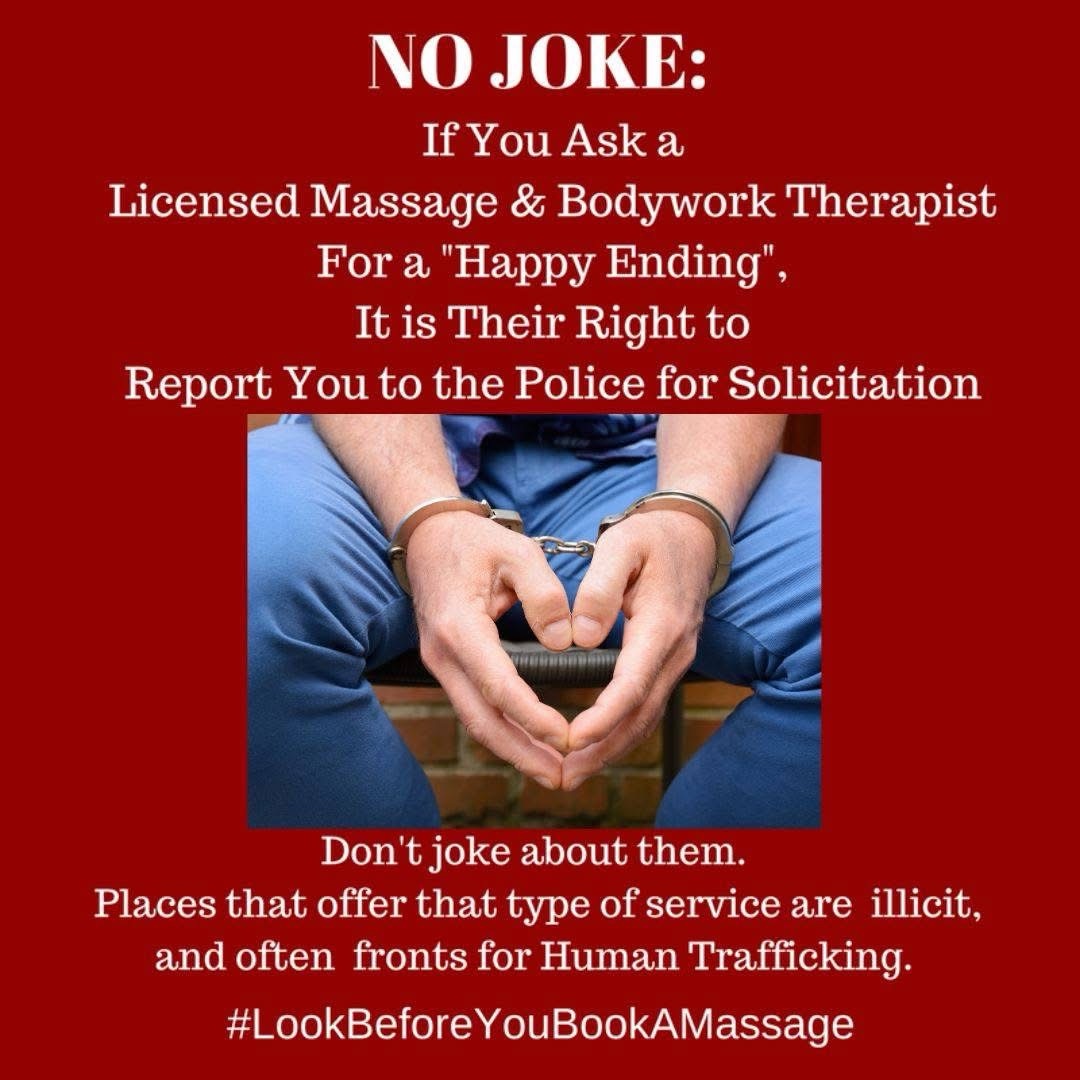
Massage therapy is not sexual in nature. Requests for sexual services are illegal, unethical, and result in immediate termination of the session.

Massage therapists also work within a defined scope of practice. We cannot diagnose medical conditions, override medical advice, or provide services outside our licensure. Boundaries are not personal—they are protective for both the client and the therapist.

Scheduling, Time, and Respect

Sessions end on time out of respect for all clients. Late arrivals reduce hands-on time but do not extend the session beyond its scheduled end. Maintaining a professional schedule ensures fairness and quality care for everyone.

Good hygiene and respectful behavior are part of the shared responsibility in a close-contact healthcare setting.

Referrals Are Ethical Care

If a therapist determines that your needs are beyond their scope or would be better addressed by another provider, ethical practice includes making a referral. This is not a failure—it is responsible healthcare.

About Tipping

Tipping is not mandatory, but it is customary in many massage settings. Clients are often unaware that therapists receive only a portion of the session fee—not the full amount paid. Gratuities help acknowledge the physical and emotional labor involved in this work.

What Clients Should Know Before Their Session

Client Expectations & Responsibilities

Your therapist’s priority is your health and safety

Requests may be modified or declined to prevent harm

Pain is not always located at the source of the problem

One session rarely resolves long-term issues

Communication improves outcomes

Consent is ongoing and can be changed at any time

Massage therapy is professional healthcare—not entertainment

In Closing

Massage therapy works best when there is mutual respect, clear communication, and shared goals. When clients understand that their therapist is a healthcare provider—not simply a service provider—the therapeutic relationship becomes more effective, ethical, and beneficial for everyone involved.

If you have questions, ask. If something is unclear, speak up. And if we cannot help you safely, we will gladly help you find someone who can.

Accepting Insurance as a Massage Therapist

The Pros, the Cons, the Process, and the Professional Reality

At some point in their career, many massage therapists are asked the same question:

“Do you accept insurance?”

For some practitioners, accepting insurance feels like a natural extension of providing healthcare. For others, it raises concerns about autonomy, sustainability, and administrative burden. The truth is that accepting insurance is neither inherently good nor bad—but it is a major shift in how you practice, document, and operate as a professional.

This article explores:

The pros and cons of accepting insurance The steps required to get started The skills and credentials often needed What therapists should realistically expect Trusted resources and links to help you decide if this path is right for you

The Pros of Accepting Insurance

✔ Increased Access to Care

Insurance coverage can make massage therapy accessible to people who rely on it for legitimate medical support, including clients with:

Chronic pain conditions Cancer or post-cancer care needs Neurological disorders Pregnancy-related discomfort Post-surgical or injury recovery

For these clients, massage is not a luxury—it’s part of a larger care plan.

✔ Consistent Referrals

Being listed as an in-network provider can lead to steady referrals from physicians, physical therapists, or case managers—especially if you work with medical or special populations.

✔ Integration into Healthcare

Insurance participation reinforces massage therapy’s role as part of integrative healthcare and may open doors to interdisciplinary collaboration.

The Cons Therapists Must Consider Honestly

✖ Lower Reimbursement Rates

Insurance reimbursement is typically much lower than private-pay rates, often without regard for:

Session complexity Clinical reasoning required Time spent on documentation

Payment delays and partial reimbursements are common.

✖ Heavy Administrative Load

Accepting insurance means committing to:

Detailed SOAP notes Medical necessity language Treatment plans and progress notes Appeals for denied claims

This is unpaid labor that adds up quickly.

✖ Reduced Clinical Autonomy

Insurance companies may dictate:

Frequency and duration of sessions Approved techniques Covered diagnoses

This can conflict with professional judgment—particularly when contraindications limit add-ons or “upgrades” for medically fragile clients.

✖ Burnout Risk

The combination of physical work, emotional labor, documentation, and financial pressure can accelerate burnout, especially for solo practitioners.

Accepting Insurance Is a Scope Change — Not Just a Business Choice

It’s important to be clear:

Accepting insurance shifts massage therapy fully into a medical framework.

That means higher expectations for:

Clinical reasoning Risk management Documentation accuracy Ethical decision-making

Because of this, therapists pursuing insurance-based practice often need advanced training and credentials, even when not legally required.

Why Advanced Skills & Credentials Matter

Insurance-based clients frequently present with:

Complex medical histories Multiple diagnoses Polypharmacy Contraindications and precautions

To practice safely and ethically, therapists should be confident in:

Reading and interpreting medical intake forms Understanding pathology and medications Designing condition-based treatment plans Defending clinical decisions through documentation

Many insurers and referring providers expect proof of advanced competency.

Commonly Recommended Credentials for Insurance-Based Practice

✔ Board Certification (BC-TMB)

Board Certification is widely recognized as a professional gold standard and demonstrates advanced clinical competency.

National Certification Board for Therapeutic Massage & Bodywork

🔗 https://www.ncbtmb.org

Benefits include:

Advanced testing and education requirements Ethical accountability Increased professional credibility Favorable perception by insurers and healthcare providers

✔ Medical / Clinical Massage Education

While “medical massage” is not a licensed title, reputable programs teach:

Pathology-based treatment approaches Medical documentation language Working within healthcare teams Outcome-focused care

Professional associations offering education and guidance include:

American Massage Therapy Association

🔗 https://www.amtamassage.org

Associated Bodywork & Massage Professionals

🔗 https://www.abmp.com

✔ Continuing Education for Special Populations

Insurance often covers massage only for specific diagnoses. CE in these areas protects both clients and therapists:

Oncology massage Prenatal and postpartum care Neurological conditions Chronic pain management Hypermobility and connective tissue disorders

Step-by-Step: What You Need to Accept Insurance

1️⃣ Obtain an NPI Number

An NPI (National Provider Identifier) is required to bill insurance.

Centers for Medicare & Medicaid Services

🔗 Apply here: https://nppes.cms.hhs.gov

You’ll need:

Your license information Social Security Number or EIN Practice details

2️⃣ Complete Credentialing & Enrollment

This often includes:

State license verification Professional liability insurance CPR certification Tax documentation CAQH profile

CAQH

🔗 https://www.caqh.org

Credentialing can take several months.

3️⃣ Establish Billing & Documentation Systems

You may need:

Insurance-friendly practice software Billing education or a billing specialist Clear audit and compliance procedures

Mistakes can result in denials, delays, or audits.

What to Expect Once You’re In-Network

Many therapists are surprised by how different insured practice feels.

Common realities include:

Shorter sessions with higher client volume Strict documentation requirements Less flexibility in treatment planning Increased time spent on administrative tasks

Some therapists thrive in this environment. Others find it unsustainable.

Alternatives to Full Insurance Participation

Accepting insurance doesn’t have to be all-or-nothing.

Many therapists choose to:

Remain private-pay only Provide superbills for client reimbursement Accept insurance only for specific populations Work within clinics that handle billing

These hybrid models often preserve autonomy while improving access.

Final Thoughts

Massage therapists are healthcare providers—but not every healthcare system is designed to support sustainable, ethical massage practice.

Before accepting insurance, ask yourself:

Do I have the training and documentation skills required? Can I sustain lower reimbursement rates? Does this model support my clinical ethics? Will this protect my long-term physical health?

The most ethical practice is one that cares for clients without sacrificing the practitioner.

Professional Disclaimer

This article is for educational purposes only and does not constitute legal, financial, or billing advice. Insurance requirements vary by state and provider. Therapists are encouraged to consult credentialing specialists, billing professionals, or healthcare attorneys before making business decisions.