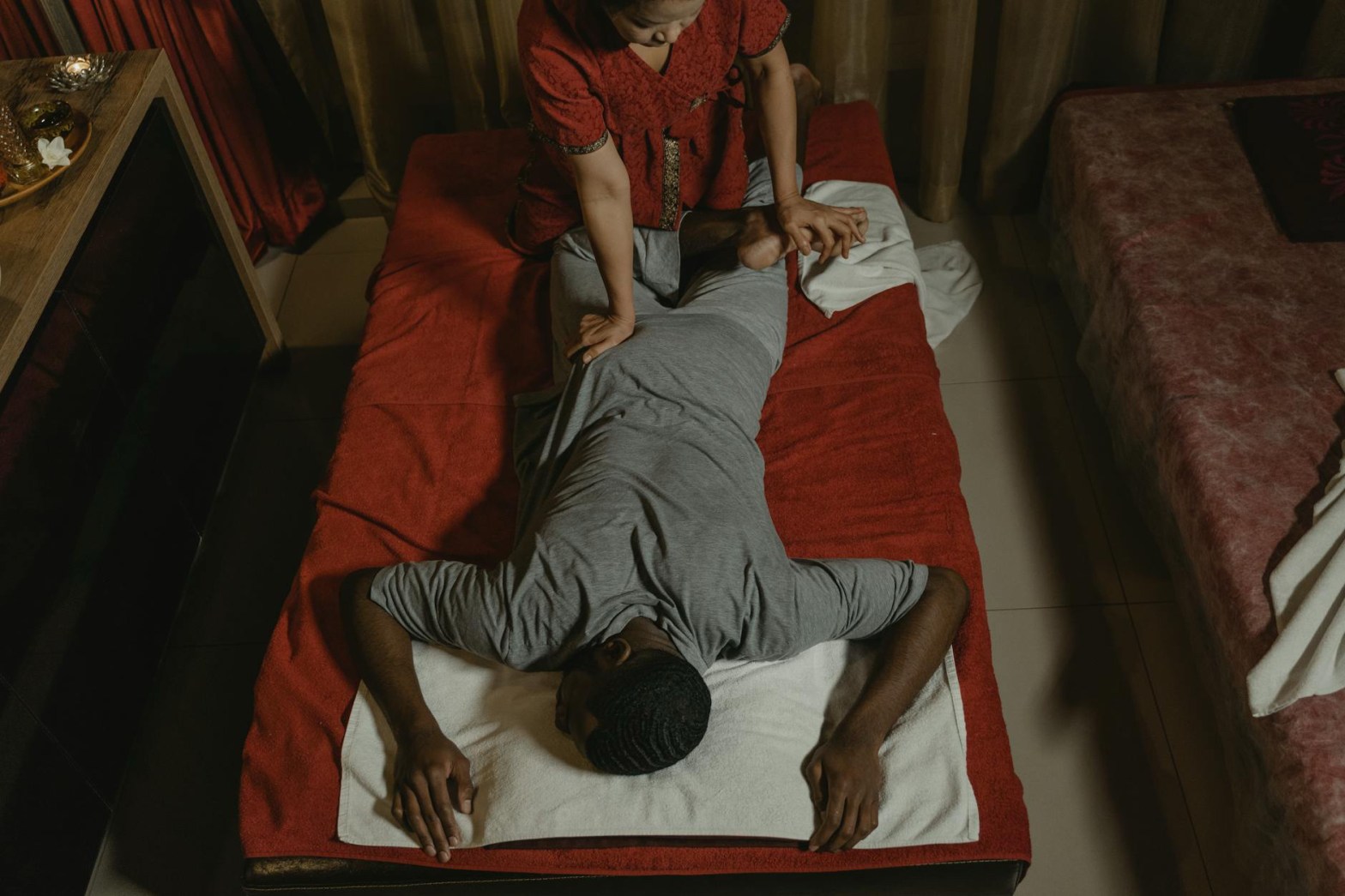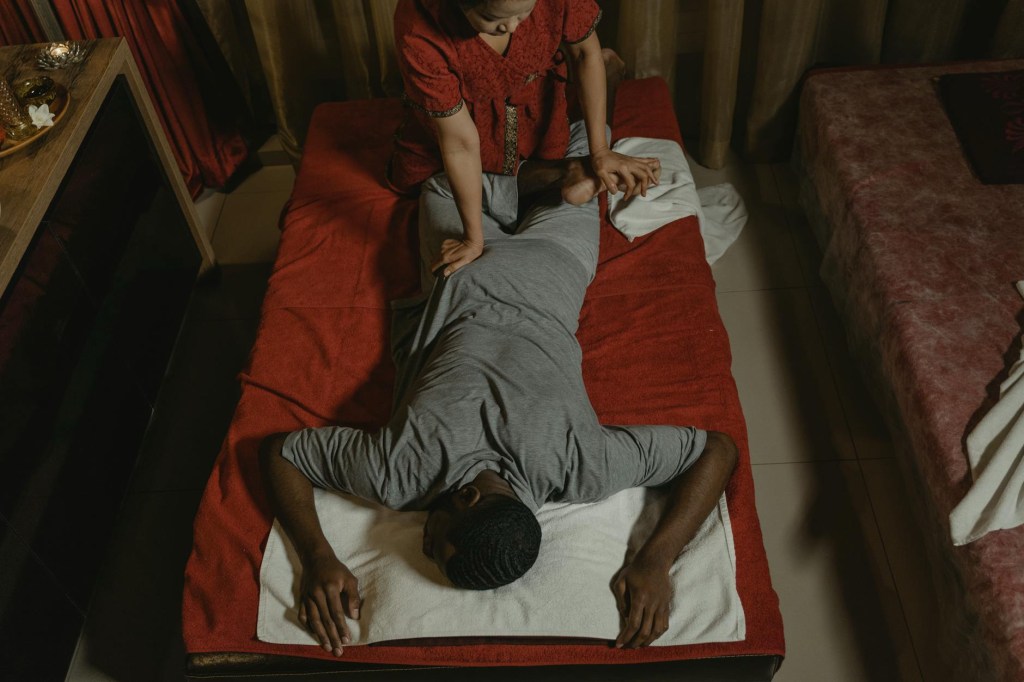
How Emotions, Stress, and Trauma Affect the Body – And How Massage Can Help

By Jennifer A. Richards 2025

Introduction

Emotions, stress, and trauma don’t just affect the mind—they manifest physically in the body. Many people experience chronic pain, digestive issues, fatigue, poor posture, and other physical symptoms without realizing that stress is a major underlying factor.

When stress becomes chronic, it alters our nervous system, hormone balance, posture, and even digestion. Over time, these effects can lead to pain, tension, inflammation, and illness. Fortunately, massage therapy is a powerful tool for both physical and emotional healing.

In this post, we’ll explore how stress and trauma affect the body, the long-term consequences, and how massage can help restore balance.

1. The Nervous System & Stress Response

The nervous system plays a crucial role in how our bodies respond to stress. The sympathetic nervous system (SNS), also known as the “fight-or-flight” system, is activated during stress, increasing heart rate, muscle tension, and alertness. While this response is useful in short bursts, prolonged activation keeps the body in a state of chronic tension and high cortisol levels, leading to issues such as:

• Muscle tightness and pain

• Headaches and migraines

• High blood pressure

• Poor digestion and inflammation

Massage helps by activating the parasympathetic nervous system (PNS), or the “rest-and-digest” state. This shift reduces cortisol, promotes relaxation, and allows the body to heal.

2. Posture & Chronic Pain Patterns

Stress and emotional strain often change the way we hold our bodies. Common stress-related postural habits include:

• Hunched shoulders and forward head posture from prolonged desk work and anxiety.

• Tension in the neck and jaw from stress clenching.

• Shallow breathing and tight diaphragm due to emotional distress.

• Tight hips and lower back pain from prolonged sitting and emotional tension stored in the hips.

These patterns contribute to chronic pain conditions such as tension headaches, TMJ dysfunction, low back pain, and sciatica. Over time, untreated postural imbalances can lead to joint degeneration, nerve compression, and mobility restrictions.

Massage therapy helps by releasing muscle tightness, improving circulation, and restoring movement. Regular sessions can help correct chronic pain patterns before they become long-term issues.

3. Fascia & Emotional Holding Patterns

The fascia is a network of connective tissue that surrounds muscles, organs, and nerves. It plays a significant role in storing tension and trauma, often holding onto emotional experiences as physical restrictions.

For example:

• Grief and sadness often manifest as tightness in the chest and shoulders.

• Anxiety and fear may cause hip and lower back tension.

• Unresolved trauma can create chronic pain patterns and muscle guarding.

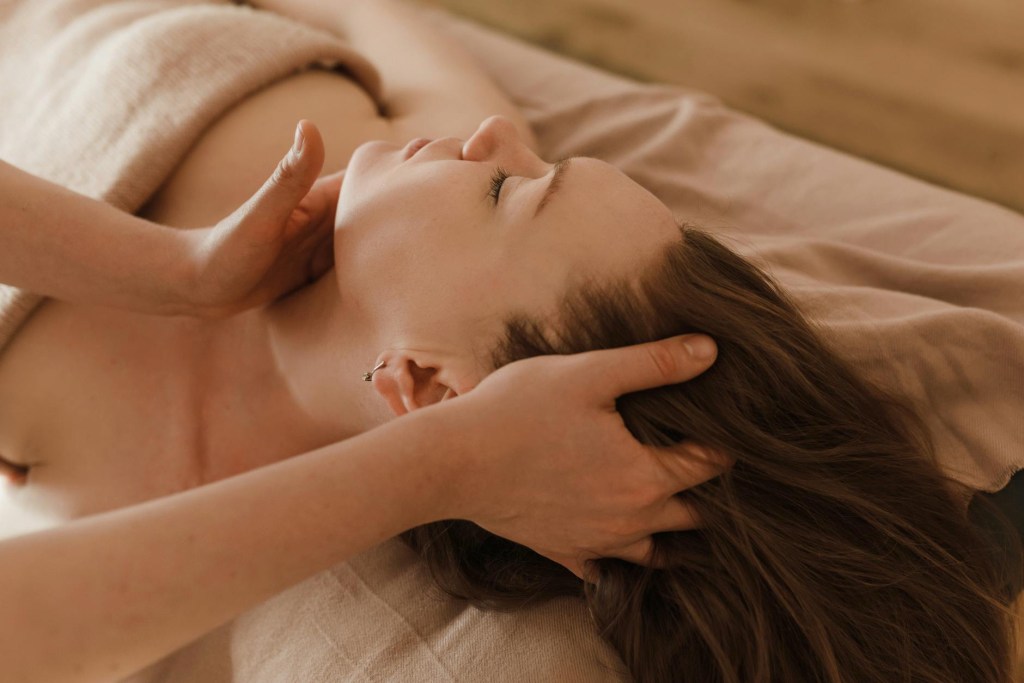
Massage techniques like myofascial release and craniosacral therapy help release stored tension in the fascia, allowing the body to process and let go of emotional stress.

4. Gut-Brain Connection & Physical Symptoms

Stress has a direct impact on digestion due to the gut-brain connection. When the body is in a state of chronic stress, digestion slows down, leading to issues such as:

• IBS (Irritable Bowel Syndrome)

• Acid reflux and bloating

• Nausea and loss of appetite

• Constipation or diarrhea

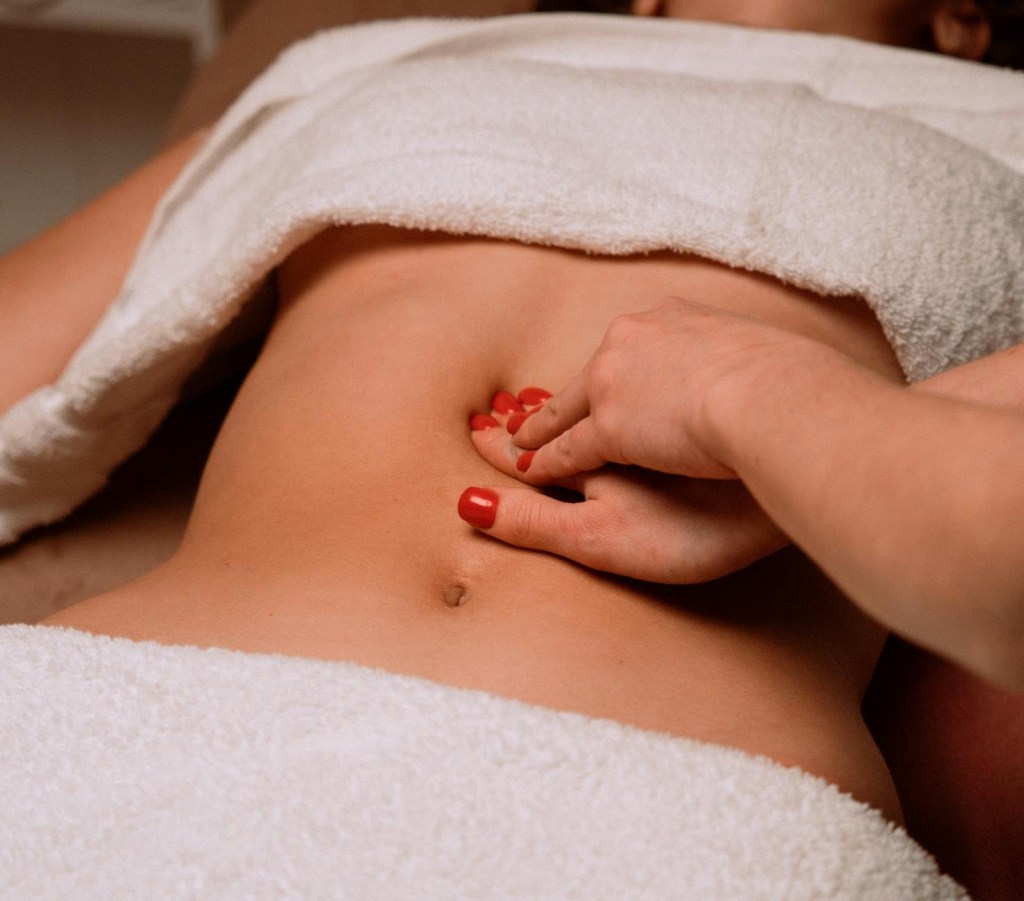
The vagus nerve, which connects the brain and gut, plays a key role in stress recovery. Massage can stimulate the vagus nerve, promoting digestion and reducing stress-related gut issues.

5. Hormones & Immune Function

Chronic stress disrupts hormone balance, particularly:

• Cortisol (stress hormone) – Elevated levels lead to fatigue, weight gain, and weakened immune function.

• Adrenaline (fight-or-flight hormone) – Excess leads to anxiety, poor sleep, and heart issues.

• Serotonin & Melatonin – Imbalances contribute to depression, anxiety, and insomnia.

Long-term stress also weakens the immune system, making the body more susceptible to illness and chronic inflammation.

Massage helps by reducing cortisol, increasing serotonin and dopamine, and improving immune function. This creates a more balanced internal environment for healing.

6. Massage as a Tool for Emotional & Physical Healing

Massage therapy offers both physical and emotional benefits:

Physical Benefits:

• Reduces muscle tension and pain

• Increases circulation and lymphatic flow

• Improves sleep quality

• Lowers blood pressure and heart rate

Mental & Emotional Benefits:

• Promotes relaxation and reduces anxiety

• Encourages safe touch and emotional release

• Supports recovery from trauma and chronic stress

Best Modalities for Stress Relief:

• Swedish & relaxation massage – Reduces cortisol and promotes deep relaxation.

• Myofascial release – Helps release emotional tension stored in the body.

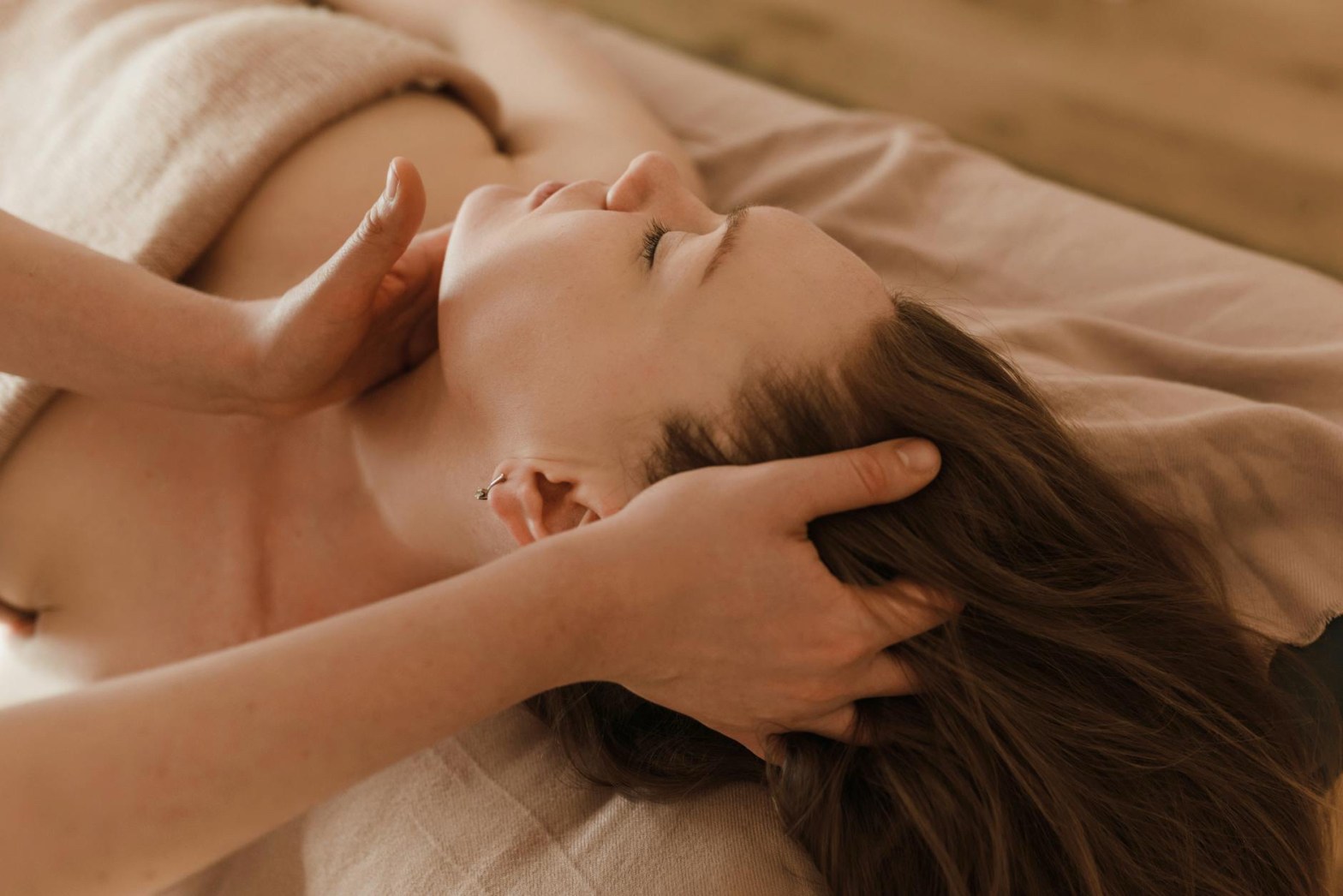
• Craniosacral therapy – Calms the nervous system and encourages deep relaxation.

• Lymphatic drainage – Supports detoxification and reduces inflammation.

• Deep tissue massage – Addresses chronic tension but should be done with care.

7. Self-Care Between Sessions

To maintain the benefits of massage, consider these self-care practices:

Breathing Exercises:

• Diaphragmatic breathing – Helps shift the body into a relaxed state.

• Box breathing – Reduces anxiety and regulates the nervous system.

Gentle Movement & Stretching:

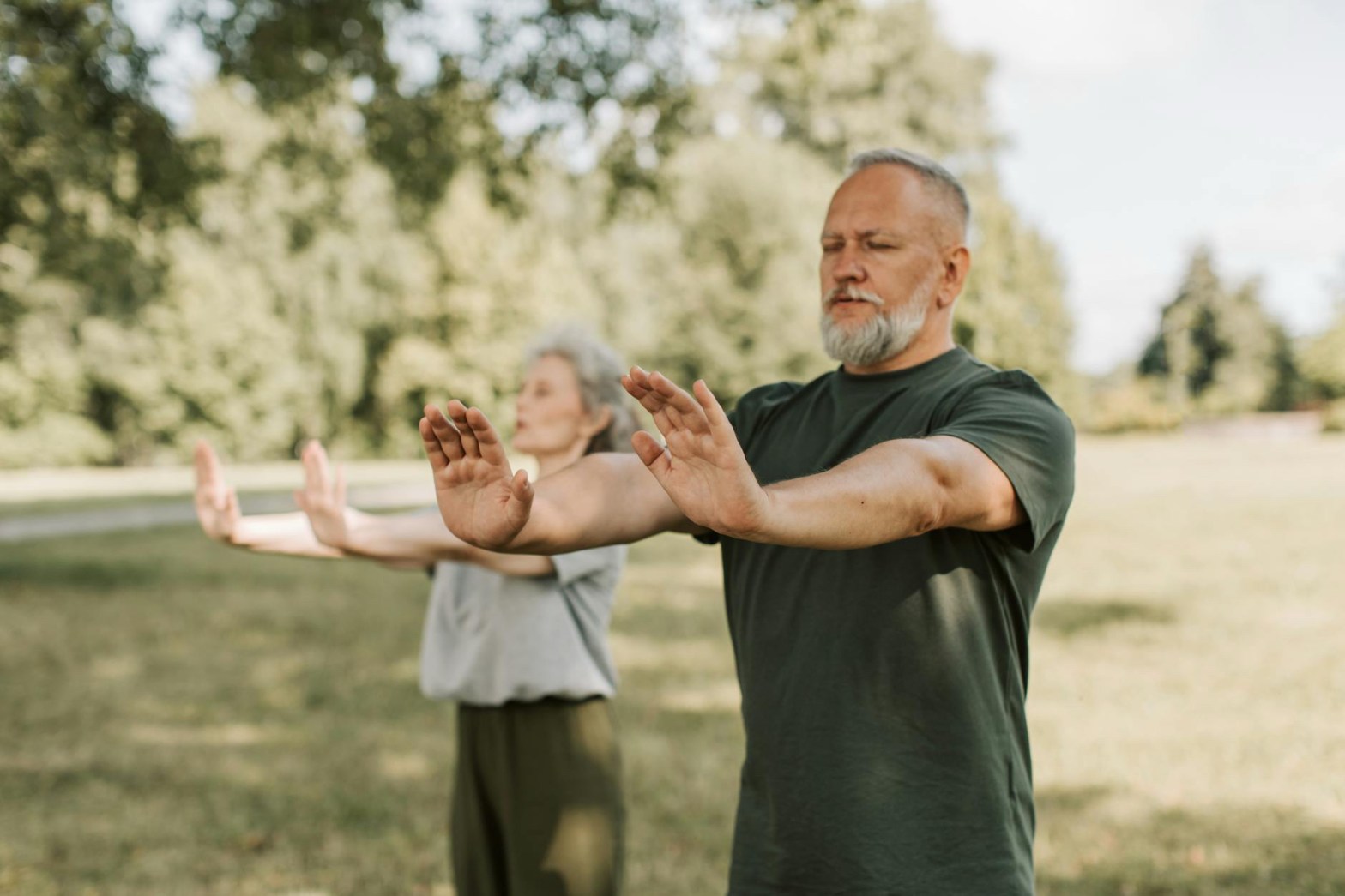
• Yoga, tai chi, or somatic exercises to release tension.

• Regular stretching for postural correction.

Hydration & Nutrition:

• Drinking plenty of water to reduce inflammation.

• Eating nutrient-dense foods to support gut and immune health.

Mindfulness & Relaxation:

• Meditation, journaling, or guided relaxation to reduce emotional stress.

Incorporating these habits enhances the long-term benefits of massage therapy.

8. Where to Seek Additional Help

Massage therapy is a powerful tool, but for deeper emotional or medical concerns, additional support may be needed:

• Medical Doctor – For chronic pain, severe stress-related illnesses, or persistent digestive issues.

• Mental Health Counselor/Therapist – For anxiety, trauma processing, and emotional healing.

• Chiropractor – If stress has led to significant postural imbalances or spinal misalignment.

• Acupuncturist – For nervous system regulation, pain relief, and energy balance.

• Physical Therapist – To rehabilitate chronic pain patterns and movement issues.

Seeking a well-rounded approach can lead to better healing and long-term wellness.

Conclusion

Emotions, stress, and trauma have a profound impact on the body, leading to pain, tension, digestive issues, and hormonal imbalances. Over time, these issues can develop into chronic health conditions.

Massage therapy offers a holistic way to relieve tension, support emotional processing, and promote relaxation. Combined with proper self-care and professional support, it can be a powerful tool for both physical and emotional healing.

If you’ve experienced stress-related pain or tension, consider booking a massage session and integrating self-care practices into your routine. Your body and mind will thank you.

Have you noticed how stress affects your body? Share your experience in the comments!

Disclaimer

“This post is for informational purposes only and is not a substitute for professional medical advice, diagnosis, or treatment. If you are experiencing chronic pain, severe anxiety, or other health concerns, consult a licensed healthcare provider. Massage therapy can be a complementary approach but should not replace medical care.”

The Effects of Desk Jobs and Prolonged Sitting on the Body—And How to Fix It

By Jennifer A Richards 2025

In today’s world, many of us spend hours sitting at a desk, staring at a screen, and unknowingly putting our bodies under constant strain. While it may seem harmless, prolonged sitting can lead to muscular imbalances, pain, stiffness, and even long-term injuries. Understanding how sitting affects the body and learning ways to counteract its effects can make a world of difference in your overall well-being.

How Sitting Affects Your Body

1. Tight Glutes and Lower Back Issues

When you sit for long periods, your glute muscles become weak and inactive, leading to instability in the lower body. At the same time, the hip flexors (like the psoas and rectus femoris) remain in a shortened position, pulling on the lower back and increasing the risk of pain and stiffness. Anterior pelvic tilt—where the pelvis tips forward—can result, leading to further strain on the lumbar spine.

2. Forward-Leaning Posture and Neck Strain

Most people lean forward when working at a desk, tilting their heads downward to look at a computer screen or phone. This posture significantly increases the weight load on the neck. For every inch the head moves forward, its effective weight on the spine increases. Over time, this strain can cause tension headaches, neck pain, and even conditions like “tech neck.”

3. Rounded Shoulders and Upper Body Tightness

Leaning forward also causes the shoulders to round, tightening the pectoral muscles while overstretching and weakening the upper back. This imbalance places strain on the upper trapezius, often leading to pain, stiffness, and the formation of adhesions. Over time, this posture can contribute to a hunched upper back and limited range of motion in the shoulders.

4. Adhesions and Muscular Stiffness

When muscles remain tight and under stress, adhesions (knots) form in the muscle tissue, limiting movement and causing discomfort. These adhesions can also trap nerves, restricting circulation and increasing the likelihood of chronic pain.

5. Circulation Issues and Nerve Compression

Sitting for extended periods slows blood circulation, particularly in the lower body. This can lead to swelling in the legs and feet, increasing the risk of varicose veins and deep vein thrombosis (DVT). Additionally, prolonged pressure on the sciatic nerve can cause numbness, tingling, or pain radiating down the legs.

6. Breathing Restrictions

Slouching forward compresses the ribcage and restricts the movement of the diaphragm, leading to shallow breathing. Over time, this can decrease oxygen intake and contribute to feelings of fatigue, brain fog, and increased stress levels.

How Massage Can Help

Massage therapy is one of the most effective ways to address the negative effects of prolonged sitting. It works by:

• Releasing muscle tension and adhesions in the upper traps, pecs, and lower back, helping restore range of motion.

• Encouraging circulation to reduce swelling and improve oxygen and nutrient delivery to tissues.

• Relaxing tight hip flexors and glute muscles, restoring balance and reducing strain on the lower back.

• Promoting better posture by helping to realign tight and weak muscles.

• Reducing stress and tension headaches caused by neck and shoulder strain.

Other Ways to Counteract the Effects of Sitting

1. Stretching & Mobility Work

Regular stretching helps counteract tightness and restore muscle balance. Focus on:

• Hip flexor stretches to lengthen shortened muscles.

• Chest openers to counteract rounded shoulders.

• Neck and upper back stretches to relieve tension.

• Glute activation exercises to strengthen weakened muscles.

2. Proper Body Mechanics & Posture

• Keep your computer screen at eye level to avoid tilting your head forward.

• Sit with feet flat on the floor, knees at a 90-degree angle.

• Use lumbar support to maintain a neutral spine.

• Avoid crossing your legs for long periods to prevent hip imbalances.

3. Increase Movement Throughout the Day

• Stand up and walk for a few minutes every 30–60 minutes.

• Use a standing desk if possible.

• Take the stairs instead of the elevator.

• Incorporate light exercises or movement breaks throughout the day.

Final Thoughts

Sitting may be unavoidable for many people, but you don’t have to let it take a toll on your body. By incorporating massage therapy, stretching, proper posture, and movement into your routine, you can counteract the negative effects and keep your body feeling its best.

Disclaimer:

This article is for informational purposes only and is not a substitute for professional medical advice, diagnosis, or treatment. Always seek the advice of a qualified healthcare provider before making any changes to your health or wellness routine.

Cupping Therapy: An Ancient Technique for Modern Healing

By Jennifer A. Richards 2025

What Is Cupping Therapy?

Cupping therapy is a form of decompression therapy that uses suction to create negative pressure on the skin. Unlike traditional massage, which applies compression to muscles and fascia, cupping lifts the tissue, increasing blood flow, lymphatic drainage, and relaxation.

A Brief History of Cupping

Cupping has been used for thousands of years in various cultures, including ancient Egypt, China, and the Middle East. The earliest recorded use dates back to the Ebers Papyrus (circa 1550 BCE), an ancient Egyptian medical text. In Traditional Chinese Medicine (TCM), cupping has been a staple for balancing energy (Qi) and promoting healing for centuries.

Benefits of Cupping Therapy

Cupping is commonly used to:

• Reduce muscle tension and pain

• Improve circulation and lymphatic flow

• Support recovery from injuries

• Relieve headaches and migraines

• Alleviate symptoms of respiratory conditions like asthma and bronchitis

• Enhance athletic performance and recovery

• Aid in detoxification and relaxation

Who Can Benefit from Cupping?

Cupping can be helpful for individuals experiencing:

• Chronic muscle pain or stiffness

• Poor circulation

• Stress and tension

• Inflammatory conditions such as arthritis

• Sports injuries and recovery needs

Who Should Avoid Cupping? (Contraindications)

While cupping is generally safe, it is contraindicated for:

• Individuals with bleeding disorders or those taking blood thinners

• Pregnant individuals (especially on the abdomen or lower back)

• People with severe varicose veins or deep vein thrombosis

• Those with skin conditions like eczema, psoriasis, or open wounds

• Individuals with high fever or active infections

What to Expect During a Cupping Session

During a session, your therapist will apply cups—either made of glass, silicone, or plastic—to the skin. Suction is created using a pump or heat. You may feel a pulling sensation, but it should not be painful.

Cupping can leave circular marks on the skin, which fade within a few days to a week. These marks are not bruises but rather a sign of increased circulation.

Static Cupping vs. Gliding Cupping

• Static Cupping: Cups remain in one place for a few minutes to target specific areas of tension or stagnation.

• Gliding Cupping: The therapist applies oil and moves the cups along muscle groups to release fascia, improve circulation, and break up adhesions.

Disclaimer

This article is for educational purposes only and is not a substitute for medical advice. If you have a medical condition or are unsure if cupping is right for you, consult a healthcare professional before receiving treatment.

Understanding Sciatica: Causes, Treatments, and Holistic Approaches

By Jennifer Richards 2025

What Is Sciatica?

Sciatica is a condition characterized by pain that radiates along the path of the sciatic nerve, which runs from the lower back through the hips, buttocks, and down each leg. This pain can range from mild discomfort to severe, debilitating pain.

How Does Sciatica Happen?

Sciatica occurs when the sciatic nerve is compressed, irritated, or inflamed. Common causes include:

• Herniated or bulging discs pressing on the nerve

• Spinal stenosis, a narrowing of the spinal canal

• Piriformis syndrome, where the piriformis muscle in the buttocks tightens around the nerve

• Injury or trauma affecting the lower back or pelvis

• Poor posture or prolonged sitting, which puts pressure on the lower spine

Which Doctor to See?

If you suspect you have sciatica, consider seeing:

• Primary care physician – for initial evaluation and referrals

• Orthopedic doctor or neurologist – for specialized assessment and treatment

• Chiropractor – for spinal adjustments and alignment

• Physical therapist – for guided stretching and strengthening

Will Any Tests Be Needed?

Doctors may recommend:

• Physical examination to assess movement, pain levels, and reflexes

• X-rays to check for spinal alignment and bone issues

• MRI or CT scan to visualize soft tissues, including discs and nerves

• Nerve conduction studies to determine the extent of nerve involvement

Alternative Therapies for Sciatica

Massage Therapy

Massage can help by:

• Reducing muscle tension in the lower back, hips, and legs

• Increasing circulation to promote healing

• Easing nerve compression by relaxing surrounding muscles

Recommended Techniques: Deep tissue massage, trigger point therapy, and myofascial release

Stretching & Movement

Regular stretching and movement can:

• Improve flexibility and reduce pressure on the sciatic nerve

• Strengthen muscles supporting the lower back

• Encourage better posture and spinal alignment

Examples: Piriformis stretch, hamstring stretches, and gentle yoga

Chiropractic Care

Chiropractic adjustments can:

• Realign the spine to relieve nerve compression

• Improve mobility in the lower back and hips

• Reduce inflammation and pain

Acupuncture

Acupuncture may:

• Help reduce nerve pain and inflammation

• Encourage endorphin release for natural pain relief

• Improve circulation to affected areas

Additional Self-Care Strategies

• Heat & Cold Therapy – Ice packs reduce inflammation, while heat relaxes muscles

• Anti-Inflammatory Diet – Reducing processed foods and increasing anti-inflammatory foods (e.g., turmeric, leafy greens)

• Posture & Ergonomics – Using lumbar support when sitting, avoiding prolonged sitting, and adjusting workspaces for spinal health

• Hydration & Magnesium Intake – Staying hydrated and getting enough magnesium can help with muscle relaxation and nerve function

Disclaimer

This article is for informational purposes only and is not a substitute for professional medical advice. If you are experiencing severe or persistent pain, consult a healthcare professional for proper diagnosis and treatment.

The Importance of Stretching

By Jennifer A. Richards 2025

As a massage therapist, I see firsthand how important stretching is for maintaining mobility, reducing tension, and preventing pain. Yet, most people don’t stretch regularly—or at all.

The Benefits of Stretching

Incorporating stretching into your daily routine offers numerous benefits, including:

• Increased Flexibility & Range of Motion – Helps prevent stiffness and keeps joints moving smoothly.

• Reduced Muscle Tension & Pain – Loosens tight muscles that contribute to discomfort.

• Improved Circulation – Enhances blood flow, aiding in muscle recovery and overall health.

• Better Posture & Alignment – Helps counteract the effects of prolonged sitting or repetitive movements.

• Stress Relief & Relaxation – Engages the parasympathetic nervous system, promoting a sense of calm.

How to Stretch Safely

To maximize benefits and avoid injury, follow these key guidelines:

• Stretch until you feel the stretch, never to pain. A mild pull is enough—pushing too hard can cause damage.

• Hold each stretch for 10–30 seconds. This allows muscles to lengthen effectively.

• Breathe deeply while stretching. This encourages relaxation and better mobility.

• Stretch 3 times a day if possible. A morning, midday, and evening routine can make a significant difference.

Who Shouldn’t Stretch?

While stretching is beneficial for most people, some should proceed with caution or avoid it entirely, including:

• Those with acute injuries (sprains, strains, or tears)

• Individuals with hypermobility conditions who may overstretch (EDS, joint instability)

• People experiencing severe pain or inflammation

• Anyone recovering from surgery (unless advised otherwise by a doctor)

Disclaimer

The information provided is for general wellness and educational purposes only. It is not a substitute for professional medical advice, diagnosis, or treatment. If you have a medical condition, injury, or chronic pain, consult a healthcare professional before beginning any new stretching routine.

Let’s Talk!

Not sure where to start? Want personalized recommendations? I’m happy to discuss safe and effective stretching techniques tailored to your needs. Reach out, and let’s work together to improve your mobility and well-being!l

Plantar Fasciitis and How Massage Can Help You

By Jennifer A. Richards 2025

Plantar fasciitis is one of the most common causes of heel pain, affecting approximately 1 in 10 people at some point in their lives. It occurs when the plantar fascia, a thick band of connective tissue running along the bottom of the foot, becomes inflamed due to overuse, poor foot mechanics, or excessive strain. The pain is often worst in the morning or after periods of inactivity, making daily activities challenging.

How Massage Can Help

Massage therapy can be an effective, non-invasive approach to managing plantar fasciitis pain. While results vary from client to client, research supports that massage helps by increasing blood flow, breaking up adhesions, and releasing trigger points that contribute to pain and stiffness.

• A 2013 study published in The Journal of Orthopaedic & Sports Physical Therapy found that manual therapy combined with stretching was more effective than stretching alone in reducing pain and improving function in plantar fasciitis patients.

• Another 2014 study in The Journal of Physical Therapy Science showed that deep tissue massage and myofascial release significantly reduced pain levels in people with plantar fasciitis.

Real Results: A Client’s Success Story

One of my clients was told she needed surgery to relieve her chronic plantar fasciitis pain. However, upon assessing her, I detected numerous trigger points on the sole of her foot—tiny knots in the muscle that were contributing to her pain.

Over two massage sessions, I systematically released each trigger point. Additionally, she committed to stretching at home, specifically targeting the plantar fascia and calf muscles. By the end of the second session, her pain was completely gone. Now, she feels great and is able to move without discomfort.

Active Participation Is Key

It’s important to remember that nothing changes passively. Massage can facilitate healing, but if you want lasting results, you need to do your part. This includes:

✅ Stretching and strengthening exercises to maintain flexibility and prevent recurrence.

✅ Wearing supportive footwear to reduce strain on the plantar fascia.

✅ Managing activity levels to avoid overuse.

Final Thoughts

While massage has been highly effective for many people with plantar fasciitis, results vary from client to client. Some may find relief quickly, while others may need ongoing treatment and self-care. If you’re struggling with heel pain, a combination of massage therapy, stretching, and lifestyle adjustments may provide the relief you’re looking for—without the need for surgery.

Would you like to schedule a session and see if massage can help you? Let’s get started!

The information provided is for general wellness and educational purposes only. It is not a substitute for professional medical advice, diagnosis, or treatment. If you have a medical condition, injury, or chronic pain, consult a healthcare professional before beginning any new stretching routine.

Massage for Pain Management: How It Works, When to Try It, and What to Consider

By Jennifer A Richards 2025

Chronic pain is one of the most common reasons people seek massage therapy. Whether it’s from injury, surgery, illness, or an ongoing condition like arthritis or fibromyalgia, pain can have a major impact on quality of life. Massage has been used for centuries to relieve pain, but how does it actually work? And is it the right choice for everyone?

How Massage Helps with Pain

Massage works in multiple ways to help reduce pain:

1. Improves Circulation: Increased blood flow helps deliver oxygen and nutrients to tissues while flushing out metabolic waste that can contribute to pain and inflammation.

2. Reduces Muscle Tension: Massage helps relax tight muscles, reducing pressure on nerves and restoring normal movement patterns.

3. Releases Endorphins: These natural painkillers interact with the nervous system to lower the perception of pain and promote a sense of well-being.

4. Interrupts Pain Signals: Massage stimulates mechanoreceptors (nerve endings that respond to touch), which can override pain signals sent to the brain, providing relief.

5. Reduces Inflammation: By improving circulation and lymphatic drainage, massage can help decrease swelling and inflammation.

6. Enhances Body Awareness: Regular massage can help clients become more aware of movement patterns or postures that contribute to pain, leading to better self-care and prevention.

When to Consider Massage for Pain

Massage can be beneficial for a variety of pain-related conditions, including:

• Chronic pain conditions (fibromyalgia, arthritis, Ehlers-Danlos Syndrome, neuropathy)

• Muscle tension and spasms (trigger points, myofascial pain, stress-related tension)

• Injuries (strains, sprains, overuse injuries)

• Post-surgical recovery (with medical clearance)

• Headaches and migraines (tension-type and some vascular headaches)

However, not all pain responds to massage the same way, and it is not always the best choice in every situation.

When Massage May Not Be Ideal

There are cases where massage might not be appropriate or should be approached with caution:

• Acute injuries: If swelling, bruising, or severe pain is present, massage may aggravate the condition.

• Certain medical conditions: Conditions like blood clots (DVT), infections, or advanced osteoporosis may require avoiding or modifying treatment.

• Unexplained pain: If pain has not been evaluated by a medical professional, it’s important to rule out serious underlying issues first.

• Neuropathic pain: While some people with nerve pain benefit from massage, others may find it uncomfortable or ineffective.

Always consult a healthcare provider before trying massage for pain management, especially if you have a complex medical history.

Different Massage Techniques for Pain Relief

Not all massage is the same, and different approaches may be more effective depending on the cause of pain:

• Myofascial Release: Works on the connective tissue to relieve chronic tension and pain.

• Trigger Point Therapy: Focuses on releasing knots that refer pain to other areas of the body.

• Lymphatic Drainage: Helps reduce inflammation and swelling, particularly after surgery or injury.

• Swedish Massage: Gentle and relaxing, great for stress-related pain and general discomfort.

• Deep Tissue Massage: Addresses deeper layers of muscle and fascia, though pressure should be adjusted to avoid aggravating pain.

• Craniosacral Therapy: A light-touch approach that may help with headaches, migraines, and nervous system dysfunction.

A skilled massage therapist will adjust techniques based on your condition and tolerance level.

Potential Downsides of Massage for Pain

While many people experience relief, it’s important to be aware of possible drawbacks:

• Temporary Soreness: Some discomfort after a session is normal, especially if deep techniques were used.

• Not a Quick Fix: Chronic pain often requires multiple sessions and complementary treatments to see lasting improvement.

• Varied Effectiveness: Not everyone responds to massage the same way. Some may feel immediate relief, while others may not notice significant changes.

• Cost and Accessibility: Regular sessions can be expensive and may not always be covered by insurance.

Final Thoughts

Massage can be a valuable tool in pain management, but it’s not a cure-all. It works best as part of a comprehensive approach that may include medical care, physical therapy, movement exercises, and lifestyle adjustments. If you’re considering massage for pain relief, work with a qualified therapist who understands your condition and can tailor sessions to your needs.

Disclaimer:

This article is for informational purposes only and does not constitute medical advice. Massage therapy should not replace professional medical treatment, and individuals should consult with their healthcare provider before starting any new pain management approach. If you experience unexplained or worsening pain, seek medical evaluation immediately.

Understanding Massage Therapy Tips: What’s Customary and What’s Appropriate

By Jennifer A. Richards LMT 2025

Tipping in the massage industry is not mandatory, but it is a long-standing custom that allows clients to show appreciation for their therapist’s time, skill, and care. While gratuities are never expected, they are always appreciated, especially in a profession where therapists invest significant effort in tailoring each session to a client’s specific needs. In addition, if they work for someone, they are only getting a small percentage of what you’ve paid.

What’s an Appropriate Tip?

The standard tipping range for massage therapy is 15–20% of the session price, similar to what you’d leave for restaurant service. If you received exceptional care, had a particularly therapeutic experience, or requested specialized work, a 25% tip is a generous way to acknowledge that extra effort.

How to Leave a Tip

I accept tips in cash, Apple Cash, Zelle, PayPal or Venmo, which ensures that your gratuity goes directly to me. However, I do not accept tips on credit cards.

Ultimately, tipping is a personal decision, and the most important thing is that you feel satisfied with your experience. If you ever have questions about tipping etiquette, just ask—I’m happy to provide guidance!

Benefits of Massage

By Jennifer A. Richards LMT 2025

Experts estimate that upwards of ninety percent of disease is stress-related. And perhaps nothing ages us faster, internally and externally, than high stress. Massage is an effective tool for managing this stress, which translates into:

  • Decreased anxiety.
  • Enhanced sleep quality.
  • Greater energy.
  • Improved concentration.
  • Increased circulation.
  • Reduced fatigue.

Massage can also help specifically address a number of health issues. Bodywork can:

  • Alleviate low-back pain and improve range of motion.
  • Assist with shorter, easier labor for expectant mothers and shorten maternity hospital stays.
  • Ease medication dependence.
  • Enhance immunity by stimulating lymph flow—the body’s natural defense system.
  • Exercise and stretch weak, tight, or atrophied muscles.
  • Help athletes of any level prepare for, and recover from, strenuous workouts.
  • Improve the condition of the body’s largest organ—the skin.
  • Increase joint flexibility.
  • Lessen depression and anxiety.
  • Promote tissue regeneration, reducing scar tissue and stretch marks.
  • Pump oxygen and nutrients into tissues and vital organs, improving circulation.
  • Reduce postsurgery adhesions and swelling.
  • Reduce spasms and cramping.
  • Relax and soften injured, tired, and overused muscles.
  • Release endorphins—amino acids that work as the body’s natural painkiller.
  • Relieve migraine pain.

The information provided is for general wellness and educational purposes only. It is not a substitute for professional medical advice, diagnosis, or treatment. If you have a medical condition, injury, or chronic pain, consult a healthcare professional before beginning any new stretching routine.

Frequently Asked Questions

By Jennifer A. Richards LMT 2025

Where will my massage or bodywork session take place? 
Your massage or bodywork session will take place in a warm, comfortable, quiet room. Soft music may be played to help you relax. You will lie on a table especially designed for your comfort.

Must I be completely undressed? 
Most massage and bodywork techniques are traditionally performed with the client unclothed; however, it is entirely up to you what you want to wear. You should undress to your level of comfort. You will be properly draped during the entire session.

Will the practitioner be present when I disrobe? 
The practitioner will leave the room while you undress, relax onto the table, and cover yourself with a clean sheet or towel.

Will I be covered during the session? 
You will be properly draped at all times to keep you warm and comfortable. Only the area being worked on will be exposed. 

What parts of my body will be massaged? 
A typical full-body session will include work on your back, arms, legs, feet, hands, head, neck, and shoulders. 

What will the massage or bodywork feel like?
A relaxing Swedish massage is often a baseline for clients. In a general Swedish massage, your session may start with broad, flowing strokes that will help calm your nervous system and relax exterior muscle tension. As your body becomes relaxed, pressure will gradually be increased to relax specific areas and relieve areas of muscular tension. Often, a light oil or lotion is used to allow your muscles to be massaged without causing excessive friction to the skin. The oil also helps hydrate your skin. You should communicate immediately if you feel any discomfort so that another approach may be taken. Massage and bodywork are most effective when your body is not resisting.

Are there different kinds of massage and bodywork? 
There are numerous types of massage and bodywork; various techniques utilize different strokes, including basic rubbing strokes, rocking movement, posture and movement re-education, application of pressure to specific points, and more. We can discuss which methods may be most appropriate for you. 

What should I do during the massage or bodywork session?
Prior to the massage, feel free to ask the practitioner any questions about the technique or the upcoming session. During the massage, make yourself comfortable. The practitioner will either gently move you or tell you what is needed throughout the session (such as lifting your arm). Many people just close their eyes and completely relax, communicating if/when they need more or less pressure, another blanket, or anything else relevant to the session. If you have any questions regarding the session or about the particular technique you are receiving, feel free to ask. 

How will I feel after the massage or bodywork session? 
Most people feel very relaxed. Some experience freedom from long-term aches and pains developed from tension or repetitive activity. After an initial period of feeling slowed down, people often experience increased energy, heightened awareness, and greater productivity which can last for days.

What are the benefits of massage and bodywork? 
Massage and bodywork can help release chronic muscular tension and pain, improve circulation, increase joint flexibility, reduce mental and physical fatigue and stress, promote faster healing of injured muscular tissue, improve posture, and reduce blood pressure. Massage and bodywork is also known to promote better sleep, improve concentration, reduce anxiety and create an overall sense of well-being. 

Are there any medical conditions that would make massage or bodywork inadvisable? 
Yes. That’s why it’s imperative that, before you begin your session, the practitioner asks general health questions. It is very important that you inform the practitioner of any health problems or medications you are taking. If you are under a doctor’s care, it is strongly advised that you receive a written recommendation for massage or bodywork prior to any session. Depending on the condition, approval from your doctor may be required. 

Important Notice: Post-Facial and Cosmetic Procedure Massage Guidelines

To ensure your safety and protect the results of any cosmetic treatments, please inform your therapist if you’ve recently received any of the following:

Botox or dermal fillers – Please wait at least 7–10 days before receiving facial massage or any massage that involves lying face down.

Cryo Shaping or body contouring treatments – We recommend waiting 5–7 days, or until all tenderness and sensitivity have resolved.

Facials involving peels, microdermabrasion, or extractions – Please allow 2–3 days before receiving a massage, especially if it involves the face or lymphatic drainage.

These waiting periods help avoid unwanted side effects and ensure your comfort during treatment. Always let your therapist know about recent procedures so we can customize your session accordingly. Your wellbeing is our priority!

The information provided is for general wellness and educational purposes only. It is not a substitute for professional medical advice, diagnosis, or treatment. If you have a medical condition, injury, or chronic pain, consult a healthcare professional before beginning any new stretching routine.