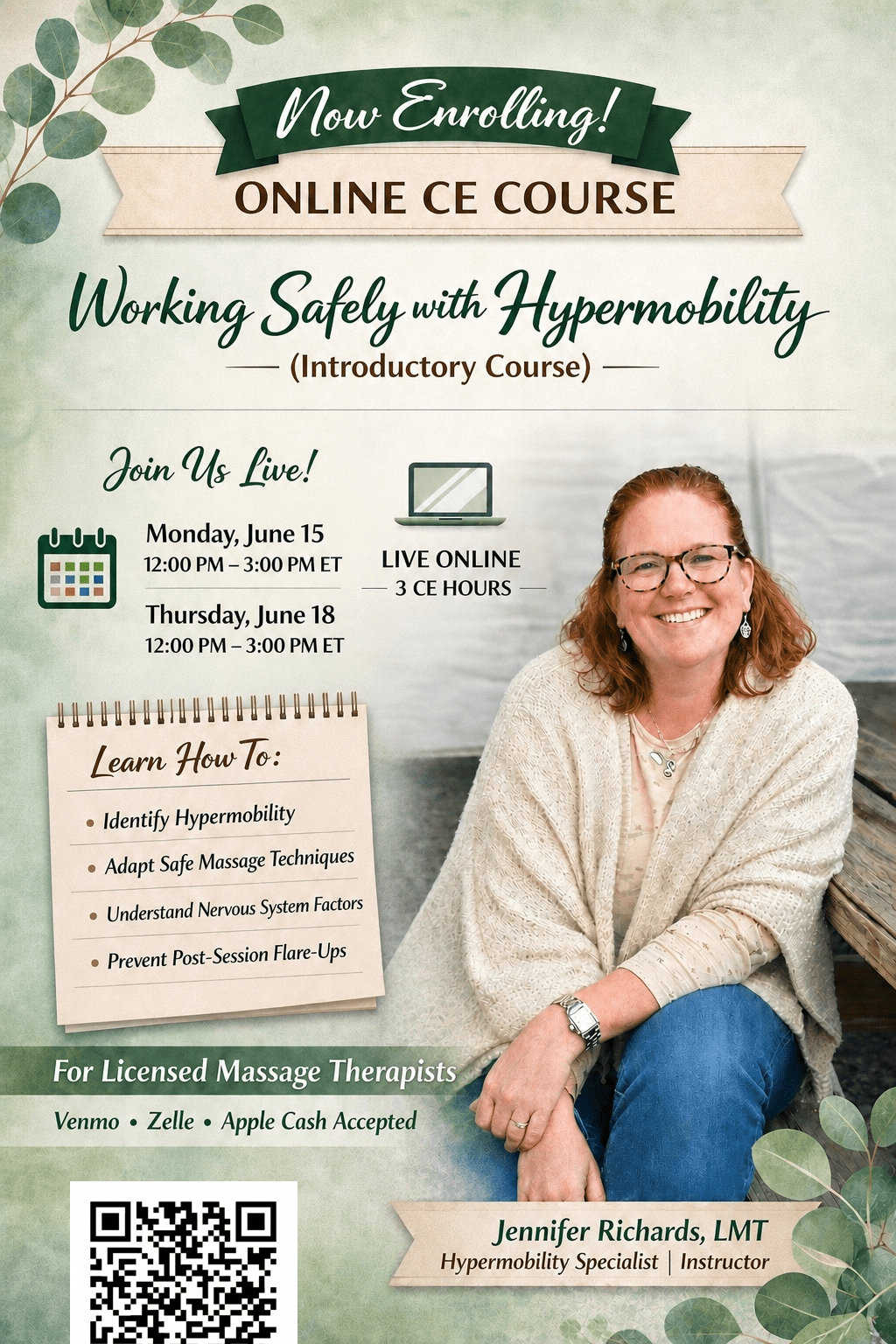
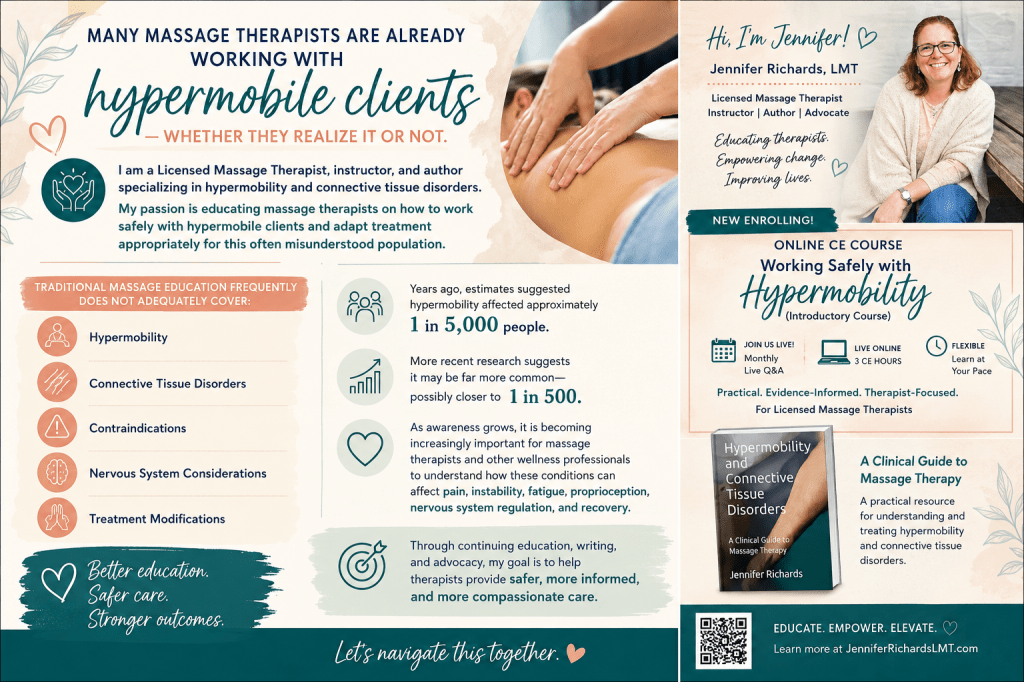
Many massage therapists are already working with hypermobile clients — whether they realize it or not.
I am a Licensed Massage Therapist, instructor, and author specializing in hypermobility and connective tissue disorders.
My passion is educating massage therapists on how to work safely with hypermobile clients and adapt treatment appropriately for this often misunderstood population.
Unfortunately, traditional massage education frequently does not adequately cover:
hypermobility
connective tissue disorders
contraindications
nervous system considerations
treatment modifications
Years ago, estimates suggested hypermobility affected approximately 1 in 5,000 people. More recent research suggests it may be far more common — possibly closer to 1 in 500.
As awareness grows, it is becoming increasingly important for massage therapists and other wellness professionals to understand how these conditions can affect pain, instability, fatigue, proprioception, nervous system regulation, and recovery.
Through continuing education, writing, and advocacy, my goal is to help therapists provide safer, more informed, and more compassionate care.
Pregnancy is a time of enormous change for the body. Hormones shift, tissues stretch, and joints become more flexible to prepare for birth. For most people, these changes are temporary and manageable. However, for individuals with Ehlers-Danlos Syndrome (EDS), pregnancy can introduce additional challenges due to the way connective tissue behaves.
EDS is a group of genetic conditions that affect collagen, the protein that helps provide strength and stability to skin, joints, ligaments, and blood vessels. Because collagen is involved in so many structures in the body, pregnancy can affect people with EDS in unique ways.
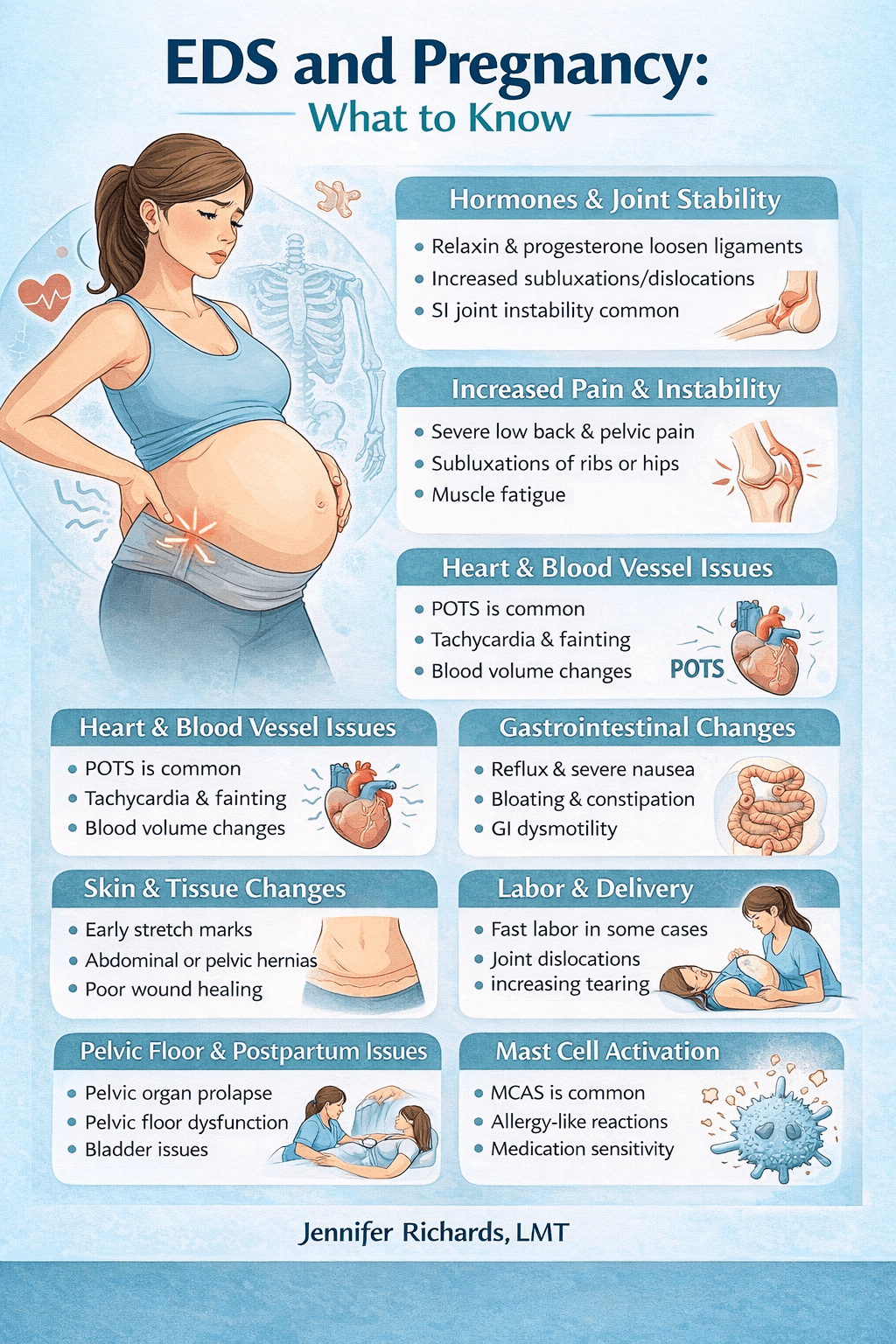
Hormones and Joint Stability
During pregnancy, the body releases hormones such as relaxin and progesterone. These hormones allow ligaments to loosen so the pelvis can expand during childbirth. While this process is completely normal, individuals with EDS already have more flexible connective tissue. The additional hormonal changes can increase joint instability.
Some people notice:
Increased joint looseness
More frequent subluxations or partial dislocations
Sacroiliac (SI) joint instability
Increased muscle fatigue from stabilizing joints
For some hypermobile individuals, joints that were previously manageable may feel significantly less stable during pregnancy.
Increased Pain and Musculoskeletal Stress
As pregnancy progresses, the center of gravity shifts and the growing uterus places additional strain on the spine and pelvis. Because ligaments may not provide adequate stability, muscles often work overtime to support the joints.
Common musculoskeletal symptoms may include:
Low back pain
Pelvic girdle pain
Rib or hip subluxations
Neck and shoulder tension
Increased muscle fatigue
Supportive therapies such as physical therapy, gentle strengthening exercises, massage therapy, and pelvic stabilization can often help manage discomfort.
Cardiovascular and Autonomic Changes
Many individuals with EDS also experience autonomic nervous system conditions such as Postural Orthostatic Tachycardia Syndrome (POTS). Pregnancy naturally increases blood volume and heart rate, which can worsen symptoms in some individuals.
Possible symptoms include:
dizziness when standing
rapid heart rate
fainting episodes
fatigue
Staying well hydrated, using compression garments, and working closely with healthcare providers can help manage these symptoms.
Gastrointestinal Changes
Digestive symptoms are also common in EDS due to connective tissue differences affecting smooth muscle and motility. Pregnancy can intensify these issues.
Some individuals experience:
reflux or heartburn
nausea
bloating
constipation
These symptoms are often manageable with dietary adjustments and medical support.
Skin and Tissue Changes
Because collagen structure is altered in EDS, skin and connective tissues may respond differently during pregnancy. Individuals may notice:
stretch marks appearing earlier or more easily
fragile skin
slower wound healing
increased risk of hernias
These changes vary widely between individuals and between different types of EDS.
Labor and Delivery Considerations
Many people with EDS have safe and healthy deliveries, but there are a few considerations healthcare providers may monitor.
Some individuals report:
faster or precipitous labor
increased tearing
joint instability during certain birthing positions
postpartum bleeding
Because joint stability can vary, it is often helpful for providers to be aware of the condition so labor positioning can be adjusted if needed.
Postpartum Recovery
After delivery, connective tissues are still affected by pregnancy hormones for several months. During this time, people with EDS may be more vulnerable to:
pelvic floor dysfunction
pelvic organ prolapse
joint instability
lingering musculoskeletal pain
Pelvic floor physical therapy can be especially helpful during postpartum recovery.
A Reminder About Individual Experiences
EDS is a spectrum, and pregnancy experiences vary widely from person to person. Some individuals notice increased symptoms, while others find that pregnancy symptoms are manageable with proper support.
The most important factor is having a knowledgeable care team that understands hypermobility and connective tissue disorders.
A Note for Patients Receiving Massage
Massage therapy can be very helpful during pregnancy for people with EDS, but techniques may need to be adapted. Therapists may use lighter pressure, avoid end-range stretching, and provide extra joint support with positioning and bolsters.
If you have EDS and are pregnant, always inform your healthcare providers and bodyworkers so care can be tailored to your needs.
Pregnancy can be a beautiful and empowering experience, even with a connective tissue disorder. With the right support and awareness, many individuals with Ehlers-Danlos Syndrome navigate pregnancy successfully and safely.
Educational Disclaimer
Ehlers-Danlos Syndrome exists on a spectrum, and symptoms vary greatly between individuals. The information presented here is for educational and awareness purposes only. It is not intended to diagnose or treat any medical condition or replace medical care.
Massage therapists do not diagnose medical conditions. Individuals who are pregnant or experiencing symptoms related to hypermobility or connective tissue disorders should consult their healthcare provider for medical guidance.
Professional Boundaries, Screening, and Protecting Yourself in Practice
Massage therapy is a respected healthcare profession that promotes relaxation, pain relief, and overall wellness. However, because massage involves physical touch, privacy, and partial undressing, therapists must maintain strong professional boundaries and safety practices.
Understanding the history of the profession, the realities therapists face, and the tools available to protect ourselves is essential for maintaining both personal safety and professional integrity.
The Evolution of Massage Therapy: From “Masseuse” to Licensed Massage Therapist
Massage is one of the oldest healing practices in human history. Techniques appear in ancient medical systems in China, India, Egypt, and Greece thousands of years ago, where manual therapy was used to treat injuries, relieve pain, and improve circulation.
In the 19th century, Swedish physician Per Henrik Ling developed what became known as Swedish massage, which helped formalize massage techniques in Western medicine.
For many years practitioners were called “masseurs” and “masseuses.” Unfortunately, these terms gradually became associated with prostitution and illicit massage businesses. To distinguish legitimate therapeutic care from illegal activity, the profession adopted the title Massage Therapist and later Licensed Massage Therapist (LMT).
Today, most U.S. states require massage therapists to be licensed or certified and to meet education and examination requirements.
Licensing helped transform massage therapy from a loosely regulated trade into a recognized healthcare profession with ethical standards, training programs, and regulatory boards.
However, the stigma created by illegal businesses still affects therapists today.
The Illicit Massage Industry and Its Impact on the Profession
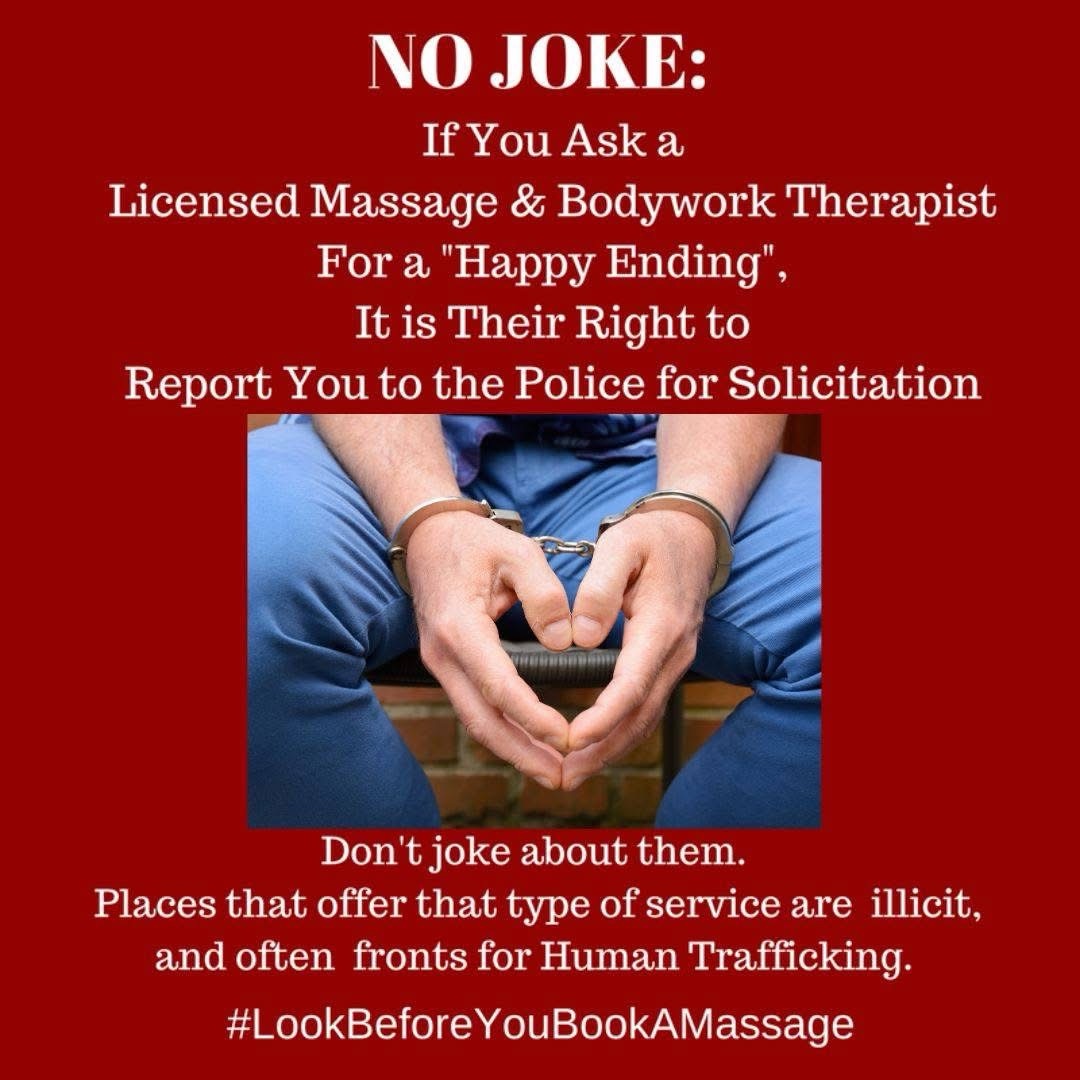
One of the biggest challenges the massage profession faces is the existence of illicit massage businesses (IMBs) that advertise massage but provide sexual services.
Researchers estimate there are more than 9,000 illicit massage businesses operating in the United States, many linked to human trafficking.
These operations:
Damage the reputation of legitimate therapists Create public misunderstanding about massage Increase the likelihood that therapists receive inappropriate requests
Licensed massage therapists work under ethical codes and strict regulations. Sexual services are not part of massage therapy and are illegal in most jurisdictions.
The Physiological Response During Massage
One issue that often concerns therapists is the possibility of a client experiencing an erection during a session.
It is important to understand that this can occur as a natural physiological response and does not necessarily indicate sexual intent.
Massage activates the parasympathetic nervous system, often called the “rest and digest” system. This response:
Because the parasympathetic system also regulates sexual arousal, some male clients may experience an erection during relaxation.
Key points for therapists:
It is involuntary and normal It should not be acknowledged or discussed Proper draping must always remain in place The therapist should simply continue the session professionally
However, sexual comments, gestures, or requests are not normal and must be addressed immediately.
The Reality of Harassment in the Profession
Unfortunately, massage therapists frequently experience sexual harassment from clients.
Research has shown:
74.8% of massage therapists report experiencing sexual harassment from clients during their career. Approximately 73.4% report harassment and 19.2% report sexual assault incidents while working. Surveys also show 64% of female and 56% of male therapists have experienced unwanted sexual advances from clients.
Most incidents occur during the massage session itself, highlighting the importance of strong screening and safety protocols.
These statistics demonstrate that therapist safety is not a minor concern—it is a significant professional issue.
Why Massage Therapists Are Vulnerable
Several factors increase vulnerability for therapists:
Private treatment rooms Partial client nudity Physical contact Therapists often working alone A profession largely composed of female practitioners
Research also notes that many massage therapists work as independent sole proprietors, which can increase vulnerability to harassment.
Because of this, therapists must take proactive steps to protect themselves.
Screening Clients Before the Appointment
One of the most effective safety tools is proper client screening.
Professional therapists should avoid accepting appointments from unknown clients without gathering basic information.
Require Intake Forms
A proper intake form should include:
Full name Phone number Email address Medical history Emergency contact Consent to treatment Policies regarding inappropriate behavior
This information establishes professionalism and deters individuals seeking illicit services.
Require Payment Information
Predatory clients often avoid leaving identifying information.
Safety practices include:
Credit card on file Online booking verification Prepayment for first appointments
Verify New Clients
For new clients you may:
Require online booking Require a referral Ask how they found your practice
Legitimate clients are rarely offended by professional screening procedures.
Red Flags When Communicating with Potential Clients
Certain questions or behaviors may indicate someone is seeking something other than therapeutic massage.
Common red flags include:
Asking if you are “open-minded” Asking if nudity is allowed Asking about inner thigh or groin work repeatedly Asking if you work alone Asking what you wear during sessions Heavy breathing or sexual comments during phone calls Refusing to complete intake forms Only wanting late-night appointments
These individuals should not be scheduled.
Safety Practices in the Treatment Room
Even with screening, therapists should take precautions during every session.
Maintain Clear Draping
Proper draping protects both the client and therapist.
The client’s genitals, gluteal cleft, and breasts must remain covered unless clinically appropriate and consented to.
Position Yourself Safely
Some therapists prefer:
Keeping themselves between the client and the door Ensuring clear access to exits Maintaining professional distance when needed
Keep Your Phone Nearby
Having a phone available allows you to call for help if necessary.
Some clinics also install alert buttons or panic systems therapists can use if they feel unsafe.
What to Do if a Client Behaves Inappropriately
Therapists should address boundary violations immediately.
Step 1: Address the Behavior
Use clear, professional language.
Examples:
“This is a professional therapeutic massage.” “That behavior is not appropriate.”
Step 2: End the Session if Necessary
If the behavior continues:
Stop the massage immediately Leave the room Ask the client to dress and leave
Step 3: Document the Incident
Write down:
Date and time
What happened
Statements made
Actions taken
Documentation protects you legally and professionally.
Safety for Therapists Working Alone
Many therapists work in private practices or home offices.
Safety strategies include:
Letting someone know your schedule Installing security cameras in public areas Using online booking only Avoiding walk-in clients Locking doors during sessions
Some therapists also choose to schedule new male clients during daytime hours or require referrals.
Mobile Massage Safety
For therapists who travel to clients’ homes:
Always obtain the full address in advance Inform someone where you will be Avoid appointments in hotels or unfamiliar locations Trust your instincts and cancel if something feels unsafe
Social Media and Online Safety
Online marketing can attract inappropriate attention.
Safety practices include:
Avoid posting personal details Use professional photos Avoid overly suggestive language Maintain clear professional branding
Clear professional messaging helps filter inappropriate inquiries.
Documentation Protects Therapists
Documentation should include:
Intake forms
SOAP notes
Incident reports
Signed policies
Proper records can protect therapists if complaints arise or if law enforcement becomes involved.
Professional Boundaries Protect the Profession
Massage therapy relies on trust.
Clear communication about boundaries protects:
The client
The therapist
The profession
Clients should understand:
Draping is required
Sexual behavior is not tolerated
The therapist may end the session at any time
These policies reinforce that massage therapy is a legitimate healthcare service, not entertainment.
When Should a Massage Therapist Call the Police?
Massage therapists are trained to maintain professionalism and manage uncomfortable situations, but there are times when behavior crosses a line and becomes a criminal matter. Knowing when to involve law enforcement helps protect both the therapist and future victims.
You should consider calling the police when:
A Client Exposes Themselves
If a client intentionally exposes their genitals outside of proper draping, especially after being corrected or warned, it may constitute indecent exposure, which is a criminal offense in many states.
A Client Touches the Therapist
If a client touches the therapist in a sexual manner, attempts to grab the therapist, or tries to force physical contact, this may be considered sexual assault.
The Client Refuses to Leave
If you end a session and ask a client to leave but they refuse, this becomes a trespassing situation.
Threats or Aggressive Behavior
If a client becomes threatening, aggressive, or violent, your safety becomes the priority. Call law enforcement immediately.
Stalking or Harassment
Repeated unwanted contact, showing up without appointments, or persistent harassment may qualify as stalking or harassment depending on the situation.
Document Everything
If an incident occurs:
Write down exactly what happened Record the date and time Save any messages or emails Notify your employer or clinic manager if applicable
Documentation is important if legal action becomes necessary.
Massage therapists have the right to work in a safe environment, and law enforcement should be contacted when behavior crosses into criminal territory.
Illicit Massage Businesses and Human Trafficking
Another important issue affecting the massage profession is the existence of illicit massage businesses (IMBs).
These establishments advertise massage but often operate as fronts for prostitution or human trafficking.
Researchers estimate that there are more than 9,000 illicit massage businesses in the United States. These operations generate billions of dollars annually and are frequently connected to organized crime and trafficking networks.
Many women working in these establishments are not there by choice. Investigations have shown that victims are often:
Recruited through deceptive job offers Brought to the U.S. under false promises Forced to work long hours Living at the business location Controlled through debt or threats
These individuals are frequently victims of labor trafficking or sex trafficking.
Illicit massage businesses harm legitimate therapists in several ways:
They create public confusion about the profession They contribute to sexual harassment toward therapists They exploit vulnerable individuals for profit
Why Men Should Not Support These Businesses
Patronizing illicit massage businesses does not just harm the massage profession—it may also contribute to human exploitation.
Even when someone believes they are simply purchasing a sexual service, the reality may be far more serious.
Many trafficking victims:
Cannot leave their workplace freely
Are under constant surveillance
Have their identification taken away
Are threatened with violence or deportation
By supporting these businesses, clients may unknowingly be supporting modern-day slavery.
The ethical choice is simple:
If someone is seeking legitimate massage therapy, they should book with a licensed massage therapist working in a professional setting.
Respecting therapists, respecting boundaries, and refusing to support exploitative businesses helps protect both massage professionals and vulnerable people.
Final Thoughts
Massage therapy has evolved from an ancient healing practice into a modern licensed healthcare profession. Yet therapists continue to face challenges caused by misunderstanding, stigma, and inappropriate client behavior.
By implementing strong screening procedures, maintaining clear boundaries, and prioritizing safety, massage therapists can protect themselves while providing ethical, therapeutic care.
Professional boundaries are not just about protecting the therapist—they protect the integrity of the entire profession.
Hypermobility is not just flexibility. It is increased joint range combined with decreased passive stability. Your ligaments are more elastic. Your nervous system works harder to keep you upright. Your muscles often overwork to compensate.
Massage therapy is a physically demanding profession. For hypermobile therapists, sustainability requires intention.
This guide is about protecting your longevity — not limiting your potential.
🥄 Energy Is Real: The Spoon Theory
The Spoon Theory, described by Christine Miserandino, explains energy as a limited resource.
Some days you wake up with:
20 spoons Other days: 7
Massage uses:
Postural endurance
Grip strength
Micro-stabilization
Emotional presence
Nervous system regulation
You cannot out-discipline a connective tissue disorder.
Consider:
Fewer back-to-back deep sessions Alternating lighter sessions between heavier ones Built-in recovery days Honest scheduling
Energy management is not laziness. It is strategy.
😴 Sleep Is Non-Negotiable
Hypermobile bodies:
Repair tissue more slowly
Experience higher sympathetic tone
Often have dysautonomia
Fatigue more quickly
Sleep is when:
Collagen turnover occurs
Muscles recover
The nervous system recalibrates
Helpful supports:
Consistent sleep and wake times
Cervical pillow that maintains neutral alignment
Body pillow for joint support
Magnesium glycinate (if tolerated and provider-approved)
Cooling sheets or breathable fabrics if temperature regulation is difficult
You cannot “push through” chronic sleep deprivation. It will always collect interest.
🥗 Nutrition for Stability
We are not trying to shrink your body.
We are trying to support your tissues.
Focus on:
Adequate protein (for muscle and collagen support)
Vitamin C (collagen synthesis)
Omega-3 fatty acids Electrolytes (especially with dysautonomia)
Whole, minimally processed foods
Limit:
Ultra-processed foods
High sugar intake
Excess alcohol
Excess caffeine (particularly if you experience tachycardia or POTS-like symptoms)
Possible supplements (discuss with a healthcare provider):
Magnesium
Vitamin C
Electrolytes
Collagen peptides (evidence is mixed, but may support some individuals)
Food is not punishment or control. It is structural support.
🏋️ Exercise: Stability Over Stretching
You do not need more stretching.
Hypermobility requires:
Proprioception
Controlled strengthening
Stability at mid-range
Slow tempo movements
Educator Jeannie Di Bon emphasizes safe strengthening for hypermobile bodies — focusing on control rather than end-range flexibility.
Helpful strategies:
Closed-chain exercises
Isometric holds
Deep neck flexor work
Glute medius strengthening
Scapular stabilization
Core control
Avoid:
Repeated end-range loading Locking knees or elbows Aggressive yoga “No pain, no gain” approaches
Strength protects you. Stretching without control destabilizes you.
🖐️ Support Tools That Make a Difference
Ring splints: Prevent finger hyperextension. Reduce joint fatigue during sessions.
Compression garments: Helpful for POTS/dysautonomia
Cooling scarves or neck wraps: Helpful for mast cell flares or temperature dysregulation
Longevity is the real measure of success in this profession.
When to Seek Support
Consider evaluation if you experience:
Recurrent joint instability
Frequent subluxations
Persistent tachycardia
Severe fatigue
Repeated injury
Appropriate referrals may include:
Physical therapy familiar with hypermobility
Cardiology (if dysautonomia suspected)
Rheumatology
Genetics Pelvic floor PT
Early support prevents burnout and injury.
Final Thoughts
You deserve to practice in a way that protects your future.
Hypermobility does not disqualify you from massage therapy.
But it does require wisdom.
Your body is not an obstacle.
It is information.
Listen to it.
Disclaimer
This guide is for educational purposes only and does not replace individualized medical advice. Hypermobility and connective tissue disorders exist on a spectrum. Consult a qualified healthcare provider before making changes to exercise, supplementation, bracing, or dietary practices. What is appropriate for one person may not be appropriate for another.
The Problem of Misdiagnosis in Hypermobility Spectrum Disorders
By Jennifer Richards, LMT
Hypermobility Spectrum Disorders (HSD) and hypermobile Ehlers-Danlos Syndrome (hEDS) are connective tissue disorders that frequently go unrecognized in clinical practice. Because connective tissue is present throughout the body, symptoms often involve multiple organ systems. When these symptoms are evaluated in isolation, patients may receive incomplete or incorrect diagnoses.
The result is not simply delay — but sometimes treatment that worsens instability or fails to address the underlying mechanism.
Why Hypermobility Is Commonly Missed
hEDS is currently the only Ehlers-Danlos subtype without a confirmed genetic marker. Diagnosis is clinical and based on criteria established in the 2017 International Classification of the Ehlers-Danlos Syndromes.
HSD is diagnosed when symptomatic joint hypermobility is present but full hEDS criteria are not met.
Because there is no single laboratory test to confirm hEDS/HSD, diagnosis requires:
A detailed history Beighton score assessment Evaluation of systemic features Exclusion of alternative diagnoses
Unfortunately, many providers are not trained to recognize the multisystem patterns associated with connective tissue disorders.
Frequently Reported Misdiagnoses
Below are conditions commonly diagnosed in patients later found to have HSD or hEDS. In some cases, these diagnoses may coexist. In others, they represent diagnostic overshadowing.
1. Systemic Lupus Erythematosus (SLE)
Patients with hypermobility frequently present with:
Joint pain
Fatigue Raynaud’s phenomenon
Rashes
Non-specific systemic complaints
These symptoms often prompt an autoimmune workup.
The antinuclear antibody (ANA) test is typically the first screening tool for lupus and related connective tissue diseases.
Research indicates:
A negative ANA has high negative predictive value for SLE. Over 95% of lupus patients are ANA positive.
When ANA testing is negative and other autoimmune markers are absent, clinicians may conclude that systemic autoimmune disease is unlikely.
However, the absence of autoimmune markers does not explain:
Mechanical joint instability
Recurrent sprains/subluxations
Orthostatic intolerance
GI dysmotility
In such cases, hypermobility should be considered.
Long-term corticosteroid use is known to weaken connective tissue, reduce collagen integrity, and increase risk of tendon injury — potentially worsening symptoms in individuals with underlying connective tissue fragility.
2. Sjögren’s Syndrome
Sjögren’s is characterized by:
Dry eyes
Dry mouth
Fatigue
Joint pain
Interestingly, individuals with dysautonomia — particularly those with small fiber neuropathy — may also experience dryness due to autonomic dysfunction affecting glandular secretion.
Additionally:
Dysautonomia can impair lacrimal and salivary gland regulation. Small fiber neuropathy has been documented in both Sjögren’s and hEDS populations.
When SSA/SSB antibodies are negative and biopsy findings are absent, Sjögren’s may be excluded — yet symptoms remain.
The autonomic component of hypermobility is often overlooked in this differential.
3. Fibromyalgia
Fibromyalgia and hypermobility frequently overlap.
Research suggests a significant percentage of individuals diagnosed with fibromyalgia demonstrate generalized joint hypermobility.
However:
Fibromyalgia is characterized by central sensitization. Hypermobility includes structural joint instability.
If mechanical instability is not addressed through targeted stabilization and neuromuscular control, symptoms may persist despite standard fibromyalgia treatments.
4. Anxiety and Panic Disorder
Dysautonomia — particularly Postural Orthostatic Tachycardia Syndrome (POTS) — is strongly associated with hypermobility.
Studies estimate that a substantial percentage of individuals with POTS meet criteria for hypermobility disorders.
Symptoms of dysautonomia include:
Tachycardia
Lightheadedness
Tremulousness
Shortness of breath
Sweating Exercise intolerance
These can mimic panic disorder.
While anxiety may coexist, autonomic dysfunction is physiologic. Failure to perform orthostatic vitals or tilt-table testing may lead to psychiatric mislabeling.
Gastrointestinal involvement in hypermobility may include:
Delayed gastric emptying
Esophageal dysmotility
Constipation
Diarrhea
Visceral hypersensitivity
Connective tissue abnormalities affect smooth muscle support and enteric nervous system regulation.
IBS may be diagnosed appropriately — but without recognition of underlying connective tissue laxity, management strategies remain incomplete.
6. Early Degenerative Joint Disease
Because hypermobile joints experience increased shear forces and microinstability, early degenerative changes may occur.
Patients are sometimes told:
“You’re just wearing out early.” “It’s early arthritis.”
While degeneration may be present, the biomechanical cause — instability — may not be addressed.
Dysautonomia: A Critical Missing Piece
Autonomic dysfunction is one of the most underrecognized aspects of hypermobility.
Mechanisms proposed in the literature include:
Vascular connective tissue laxity leading to venous pooling Impaired vasoconstriction
Small fiber neuropathy
Abnormal baroreceptor signaling
Symptoms may include:
Orthostatic tachycardia
Temperature intolerance
Exercise intolerance
Brain fog
GI dysmotility
Urinary dysfunction
Without recognition of dysautonomia, patients may undergo years of fragmented evaluations.
What If the ANA Is Negative?
A negative ANA:
Significantly lowers likelihood of systemic lupus. Does not rule out hypermobility. Does not explain persistent mechanical instability.
If symptoms include:
Recurrent sprains
Joint hyperextension
Chronic “tight” muscles despite flexibility
Orthostatic intolerance
GI dysmotility
Family history of hypermobility
Further evaluation for HSD/hEDS may be warranted.
Suggested next steps:
Beighton score assessment
Review of 2017 hEDS criteria
Orthostatic vitals
Referral to providers familiar with connective tissue disorders
The Risk of Incorrect Treatment
Misdiagnosis may lead to:
High-velocity manipulations in unstable joints Aggressive stretching protocols Long-term corticosteroid exposure Unnecessary psychiatric labeling Surgical interventions without addressing instability
In hypermobility, stability — not increased range — is typically the therapeutic priority.
Why Proper Diagnosis Matters
Accurate diagnosis allows for:
Targeted stabilization strategies Autonomic support protocols Energy management education Multidisciplinary coordination Patient validation
It reframes the narrative from “medically unexplained” to “mechanically and neurologically complex.”
Closing Thoughts
Hypermobility is not rare.
It is underrecognized.
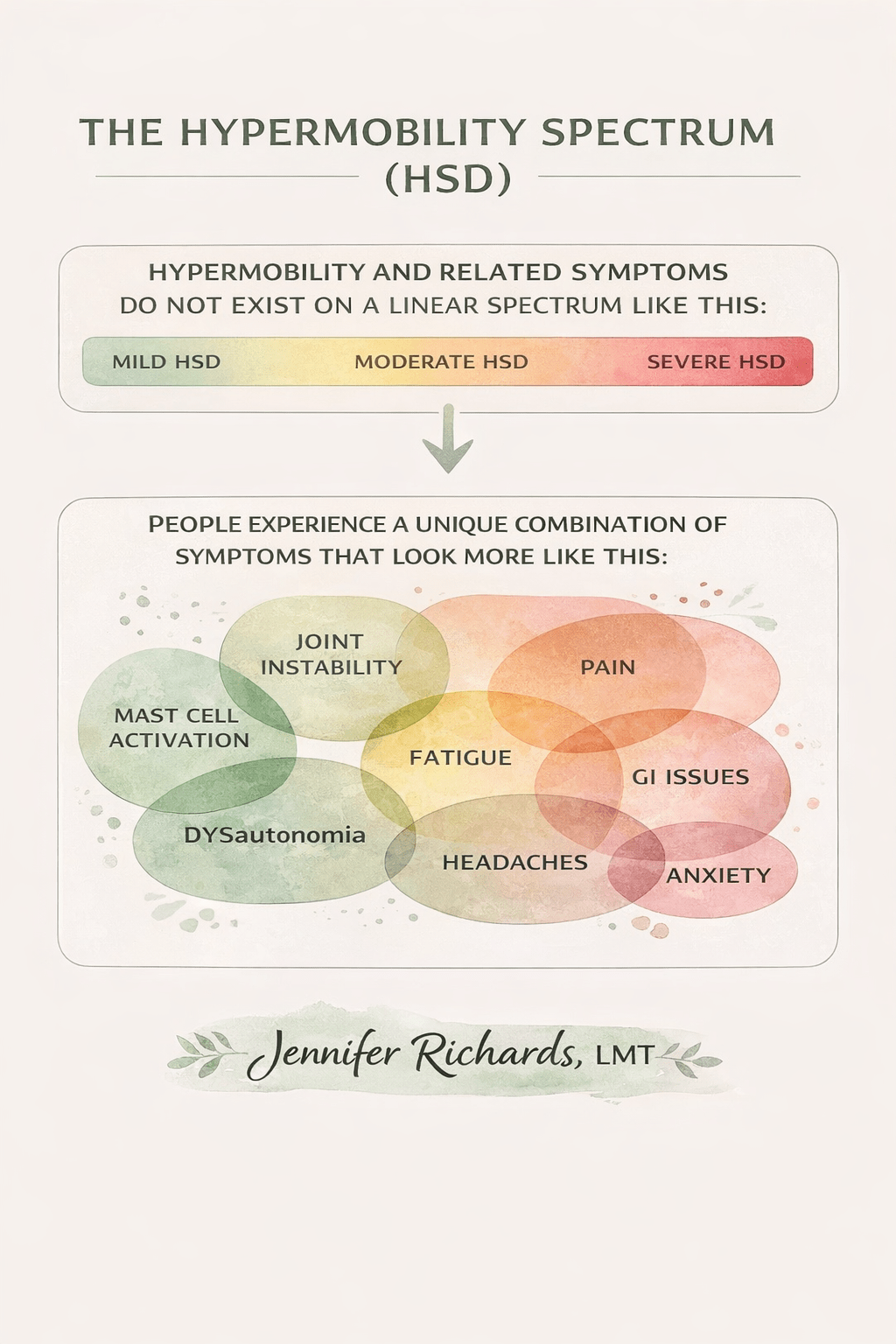
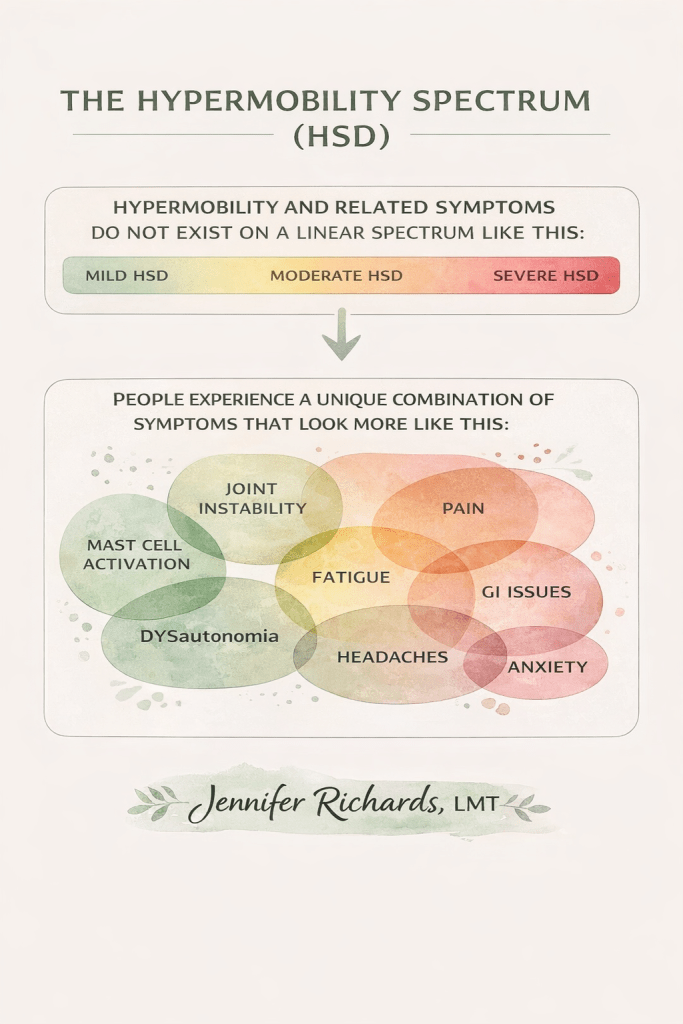
The spectrum is not linear, and symptoms do not always fit neatly within one specialty.
When autoimmune panels are negative and symptoms persist, connective tissue should be considered.
A correct diagnosis does not erase symptoms — but it changes the strategy.
And strategy matters.
Disclaimer
This article is for educational and informational purposes only and does not constitute medical advice. Diagnosis and treatment decisions should be made in consultation with qualified healthcare professionals. If you suspect a connective tissue disorder or autonomic dysfunction, speak with your physician or a specialist experienced in hypermobility spectrum disorders.
I began massage school at the age of 50 — a time when many people are thinking about slowing down, yet I was just getting started. From the moment I entered the classroom, I knew I had found my path. Massage therapy felt meaningful, purposeful, and aligned with who I was becoming.
Like every new therapist, however, my first days in the treatment room were filled with nerves. I worried clients would sense my inexperience. I wanted to do everything perfectly — my techniques, my communication, and especially my draping.
During my first week of work, I was assigned a client I will call “Tom,” a man in his early sixties. Because the spa had only recently reopened after COVID, we were improvising with supplies and using an extra sheet instead of blankets.
From the beginning of the session, he appeared unusually restless, repeatedly shifting and adjusting the linens. I immediately assumed the issue was my draping technique. Determined to provide excellent care, I quietly readjusted the sheets multiple times, wondering what I might be doing wrong.
When the session ended, he handed me a $40 tip.
I was stunned.
To a brand-new therapist, that felt like validation — proof that despite my anxiety, I had done good work. When I saw he had booked another appointment the following week, I was thrilled. I had my first repeat client.
During the second session, the restlessness continued. He also began making comments about his preference for being unclothed during massage. Subtle alarm bells rang in the back of my mind, but I pushed them aside. My draping had improved, yet the sheet still seemed to loosen.
Another generous tip followed. Another rebooking.
I told myself the comments were harmless. After all, he was becoming a regular client, and I was eager to build my practice.
Looking back now, I understand something I could not yet see:
He was testing boundaries.
By the third appointment, he made a statement that confused me at the time. He said that if I ever had an issue with him, I should speak directly to him rather than involve management. I didn’t yet recognize this as an attempt to control the dynamic and discourage reporting.
As the massage progressed, his movements felt increasingly deliberate. I reviewed his intake history beforehand — there was no medical condition that would explain the behavior.
Near the end of the session, I was working at the head of the table. Because of COVID precautions, therapists were careful about breathing direction, often turning slightly away while maintaining awareness of the client.
Something prompted me to check on him.
When I looked over, he had intentionally exposed himself and was watching me for a reaction.
In that instant, training and protocol disappeared, replaced by pure instinct.
I stood up and walked out of the room.
Later, I learned the official protocol would have been to clearly state the behavior was unacceptable, press the emergency button, and exit. But the truth is this:
When a person feels threatened, the nervous system does not prioritize procedure — it prioritizes safety.
Initially, my manager questioned why I had not followed protocol. But after speaking with trusted coworkers, I found the language I needed. I returned and stated clearly:
“I do not feel safe with this client on my schedule, and I do not believe my coworkers would be safe either.”
Those words mattered.
The spa conducted a deeper review of his history and discovered prior incidents. He was permanently banned from the franchise.
What This Experience Taught Me
For a moment, I wondered why this had happened to me — a 51-year-old therapist, not someone easily mistaken for naive. But predators do not select targets based on age or appearance. They look for kindness, professionalism, and a desire to please — qualities many healthcare providers naturally possess.
I now recognize the pattern clearly: the generous tips, the weekly bookings, the subtle comments, the request to bypass management. It was grooming behavior designed to test how much I would tolerate.
Most importantly, the experience reshaped how I practice.
It strengthened my boundaries.
It deepened my clinical awareness.
It reinforced the importance of therapist safety — something we do not discuss nearly enough in training programs.
And it clarified a truth I now share openly with students and colleagues:
This can happen to any therapist, at any stage of their career.
What defines us is not whether we encounter difficult situations — but whether we trust ourselves when something feels wrong.
There’s a persistent belief in the spa and wellness industry that being a “small business” allows organizations to operate informally — that policies, training, and professional oversight can wait until later.
In healthcare-adjacent industries, that belief creates real risk.
Having worked across management, safety, compliance, and workplace culture, I’ve seen how gaps in training, leadership, and infrastructure don’t just affect operations — they affect patient safety, employee trust, and long-term sustainability.
⸻
“Small Business” Does Not Mean Low Responsibility
Across industries, most spas and wellness practices qualify as small businesses. That designation does not reduce responsibility for:
• Workplace safety and emergency preparedness
• Harassment and discrimination prevention
• Labor law compliance
• Wage and tip regulations
• Client and employee privacy
• Ethical clinical practice
Once a business employs staff and serves the public, these responsibilities are foundational — not optional.
A Note on Safety, Sustainability, and Industry Responsibility
Massage therapy is deeply rewarding work, but it is also physically demanding. Industry standards consistently indicate that the average massage therapist should not perform more than 20 hours of hands-on massage per week in order to reduce the risk of injury, chronic pain, and professional burnout. Supporting therapists within these parameters is not a limitation—it is a commitment to longevity, quality of care, and ethical practice. When therapists are protected, clients ultimately receive better, more present, and safer treatment. The science behind this is, a massage therapist is using their minds and their bodies to problem solve and a 1 hour session is the equivalent to 2 hours at a regular job.
In addition, environmental conditions within the treatment room play a critical role in both client comfort and practitioner safety. While rising heating and cooling costs create real challenges for management, it is essential to remember that a massage treatment room should never exceed 75°F. Once the door closes, multiple heat sources may be present: a table warmer, towel warmer, hot stones, the client, and an actively moving therapist. Elevated room temperatures can quickly create unsafe working conditions, increasing the risk of dehydration, heat stress, fatigue, and compromised focus—posing a safety concern for both therapist and client.
True professionalism in this industry means balancing business realities with human sustainability. Supporting safe workloads and maintaining appropriate treatment room temperatures are not optional considerations—they are foundational to ethical, responsible massage therapy practice.
⸻
Safety and Emergency Planning Are Non-Negotiable
Clear exits, evacuation plans, and emergency training are not “corporate extras.” They are basic safety standards.
When staff are unsure how to respond during emergencies, it’s rarely due to negligence — it’s usually due to lack of training and clear protocols. In regulated environments, confusion during a crisis is a preventable failure, not an accident.
⸻
HR Knowledge Protects Everyone
Many wellness businesses rely on owners or office managers to “figure out” HR functions without formal training. This is where legal and ethical problems often begin.
Common industry risks include:
• Improper camera placement and privacy violations
• Pregnancy or caregiver discrimination
• Unenforceable education or training repayment agreements
• Wage and hour violations
• Misuse of tipped income
• Expecting administrative labor without appropriate compensation
Having trained HR support — whether internal or outsourced — is not bureaucracy. It is risk management.
⸻
Tips Are Not a Management Tool
In tipped professions, tips belong to the service provider. They are not performance incentives, disciplinary tools, or leverage for meeting administrative or sales goals.
Using tips as motivation erodes trust and exposes businesses to wage-and-hour violations. Healthy performance systems rely on transparent pay structures, training, and incentives — not financial coercion.
⸻
Massage Therapists Are Healthcare Providers
Massage therapists are licensed healthcare providers, governed by professional ethics and state regulations. Clinical judgment is a legal and ethical responsibility.
Not every client is an appropriate candidate for every modality or add-on. Populations such as:
• Oncology clients
• Pregnant clients
• Clients with autonomic or cardiovascular conditions
may have contraindications for certain services, including heat-based therapies.
Declining an upgrade for clinical reasons is not poor performance — it is ethical care.
⸻
When Sales Metrics Override Clinical Judgment
Problems arise when wellness businesses apply uniform sales expectations without understanding healthcare risk.
When leadership lacks clinical education:
• Ethical practitioners appear “less productive” on paper
• Unsafe practices may go unrecognized
• Revenue goals override patient safety
• Experienced clinicians are pressured to compromise standards
In healthcare-adjacent environments, more upgrades do not equal better care.
⸻
Leadership Requires Competence, Not Convenience
Promoting individuals into leadership roles without proper training — or placing familiarity over qualification — creates instability.
Effective leadership means:
• Hiring trained professionals for HR, payroll, and compliance
• Providing ongoing education for administrators
• Listening to experienced staff
• Understanding the difference between retail metrics and clinical ethics
When organizations employ professionals with long work histories, those employees bring context. They recognize what safe, ethical, and compliant systems look like.
When foundational systems are missing, it sends a message — intentional or not — that:
• Safety is negotiable
• Legal boundaries are flexible
• Ethics are secondary to revenue
This creates distrust, not resistance.
Experienced professionals don’t disengage because they’re difficult. They disengage because they recognize patterns that historically lead to burnout, liability, and reputational harm.
Once trust erodes, performance tracking and motivational messaging cannot repair the system.
⸻
Training Administrators Is an Investment, Not a Weakness
One of the most effective solutions is training existing administrators, rather than assuming competence based on title alone.
There are excellent industry-appropriate resources available for:
• HR fundamentals and labor law
• Harassment prevention
• Workplace safety and emergency planning
• Ethical management in healthcare-adjacent environments
Well-trained administrators protect businesses, support clinicians, and stabilize culture.
⸻
The Bottom Line
In the spa and wellness industry, professionalism is not defined by aesthetics or revenue — it’s defined by safety, ethics, compliance, and trust.
Investing in:
• Training
• Qualified leadership
• HR expertise
• Clinical education
is not unnecessary overhead. It is the foundation of sustainable care.
Small businesses don’t fail because they do too much right.
They fail because they assume they don’t have to.
Resources for Training & Professional Development
If you’re an administrator, business owner, or clinician looking to build professional skills, the following organizations provide quality training, certifications, and compliance guidance relevant to our industry:
📌 HR, Compliance & Workplace Law
1. SHRM — Society for Human Resource Management
Comprehensive HR certifications and compliance training for administrators and leaders.
This article is intended for educational and informational purposes only and reflects general industry considerations within the spa, wellness, and healthcare-adjacent fields. It does not constitute legal, medical, or human resources advice. Regulations, licensing requirements, and employment laws vary by jurisdiction and business structure. Readers are encouraged to consult qualified legal counsel, human resources professionals, regulatory agencies, or licensed educators when developing policies, training programs, or clinical protocols.
right? But it’s not. The Hypermobility is a symptom of a much larger problem. There is approximately 1/500 people that are Hypermobile. Being one myself, I was constantly injured by misguided therapists that followed traditional learning and applied it to me. Finally, I began approaching my Hypermobile clients differently and began attracting more. The stories I was getting from them were not surprising, as I have had similar experiences.
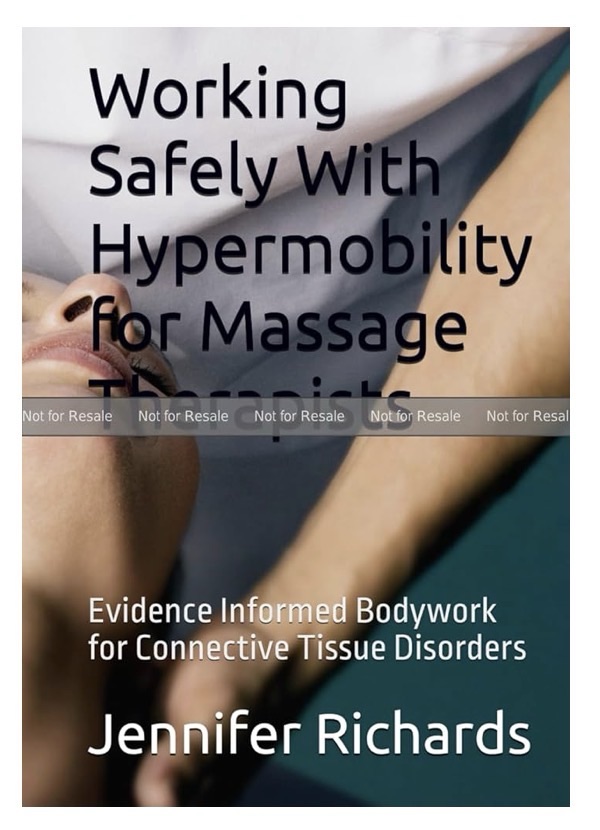
This book was created specifically for massage therapists who work with hypermobile clients, including those with connective tissue disorders and complex presentations that require a more thoughtful, informed approach to bodywork.
Hypermobility is often misunderstood, overlooked, or treated like “just flexibility”—but many of us know firsthand that it can be connected to pain patterns, joint instability, nervous system sensitivity, chronic inflammation, fatigue, and frequent injuries. And unfortunately, traditional massage protocols don’t always serve these clients safely.
That’s why I wrote this book.
A Textbook + Real-World Guide for Massage Therapists
This book is designed to be both a professional reference and the official textbook companion to my upcoming CE class:
It goes beyond surface-level information and gives therapists the tools to understand the “why” behind what hypermobile clients experience—so we can work smarter, safer, and with better outcomes.
What’s Inside the Book
You’ll find a deep but practical breakdown of topics massage therapists actually need, including:
✅ Anatomy & physiology to better understand what’s happening in the body
✅ Kinesiology with real movement considerations for hypermobility
✅ Pathology and common coexisting issues that may affect session planning
✅ A clear intake example showing what your forms should include
✅ Treatment considerations and safe, therapist-friendly adjustments
✅ A special section for hypermobile massage therapists, including tips for longevity, body mechanics, pacing, and self-protection
This isn’t just a “read-it-once” book—this is the kind of resource you’ll keep nearby and reference often, especially when a client presents with unclear symptoms, unusual pain responses, or frequent flare-ups.
Why This Matters
Hypermobility clients often go years being dismissed or misunderstood. Many have been told their pain is “normal,” that they’re just anxious, or that they need to stretch more (when stretching might be the very thing making them worse).
Massage can be incredibly supportive for this population—when it’s done safely, skillfully, and with true clinical awareness.
My goal is to help therapists feel confident and prepared when these clients walk through the door.
Thank You for Supporting This Work
This book is a reflection of my passion for helping therapists grow and helping clients feel understood. Whether you’re newly licensed or highly experienced, I hope this gives you tools you can immediately apply in your practice.
📚 The book is now published, and the CE class is coming soon—so stay tuned for enrollment details, dates, and how to sign up!
If you’re a massage therapist working with hypermobility (or you suspect you are), I’d love to hear from you.
You’re not alone, and you don’t have to guess your way through these sessions anymore.
If you’ve ever thought about getting a massage but weren’t sure where to start—a student massage clinic can be an amazing option. It’s affordable, professional, and a great way to support future massage therapists as they learn and grow.
Whether you’re coming in for relaxation, tension relief, or curiosity, here’s a clear breakdown of what a student clinic is and what you can expect during your visit.
What Is a Student Massage Clinic?
A student massage clinic is a supervised learning environment where massage therapy students provide massage sessions to the public as part of their education.
These sessions take place in a clinic setting (often inside a massage school), and students work with real clients to build skills such as:
Professional communication
Client intake and health history review
Proper draping and privacy
Hands-on massage techniques
Time management during sessions
Documentation (SOAP notes)
Ethics and professionalism
Most importantly: student massage sessions are typically closely supervised by licensed massage therapists or instructors.
So while the student is doing the hands-on work, the clinic is not “unsupervised practice.” It’s a structured learning experience designed to protect both the client and the student.
Why Would Someone Choose a Student Massage Clinic?
A student clinic can be a great choice if you want:
More Affordable Massage
Student clinic pricing is usually significantly lower than spas or private practices, and they can possibly be free.
A Relaxed, Low-Pressure Environment
Many clients feel more comfortable in a clinic setting—especially if they’re new to massage.
To Support Future Massage Therapists
You’re helping students build confidence and real-world experience.
To Try Massage for the First Time
A student clinic is an easy entry point into learning what you like and what your body responds to.
What to Expect at Your Appointment
Here’s what a typical visit looks like:
1) Check-In & Paperwork
When you arrive, you’ll likely complete an intake form that includes:
Your contact information
Health history
Areas of pain/tension
Previous injuries or surgeries
Massage preferences (pressure, areas to avoid, etc.)
This isn’t “just paperwork.” It helps your student therapist understand how to work safely and appropriately with your body.
2) The Intake Conversation
Before the massage begins, the student therapist will talk with you about:
Why you’re coming in
What you’re hoping to get out of the session
Any medical concerns or limitations
Your comfort level with pressure and communication
You can always say things like:
“I’m nervous—this is my first massage.” “I don’t want deep pressure.” “Please avoid my feet.” “I’d like extra focus on my shoulders.”
A good student therapist will be happy to accommodate and will appreciate clear communication.
3) Privacy & Professional Draping
Once the plan is clear, the student will give you privacy so you can get on the table in private.
You’ll be covered with a sheet/blanket using professional draping, meaning:
✅ Only the area being worked on is exposed
✅ Your privacy is protected at all times
✅ You can request adjustments if you feel uncomfortable
If you ever feel unsure, speak up. Comfort and boundaries matter.
4) The Massage Session
Student clinic massages are often Swedish-based (relaxation style), and may include:
Light to moderate pressure
Slow, careful technique
Focus on basic flow, safe body mechanics, and good draping
Some deeper work if appropriate and within the student’s level
Because students are still learning, you might notice:
They may move more slowly
They may “check in” more often
They may be more cautious around areas of pain
That’s not a bad thing—it often means they’re working thoughtfully and safely.
5) Instructor Supervision
In many student clinics, instructors may:
Step in briefly to observe technique
Offer quiet guidance
Answer questions
Ensure safety and professionalism
This supervision is there to support the student and protect the client experience.
6) After the Massage
At the end of the session, you’ll be given time to get dressed privately.
Please know: you are never being “difficult” by speaking up.
Helpful things to communicate include:
✅ “That pressure is too much / too light.”
✅ “That spot feels tender—can you go gentler?”
✅ “My arm is falling asleep.”
✅ “I’m cold—can I have the blanket adjusted?”
✅ “Can we avoid my neck today?”
✅ “I’d rather not talk—I just want quiet.”
Your feedback makes the session better for you and helps the student learn.
What Student Massage Is (and Isn’t)
Student massage can be extremely beneficial—but it’s important to understand what it’s designed for.
✅ Student clinic massage IS great for:
Stress relief General muscle tension Relaxation Mild discomfort Maintenance care
⚠️ Student clinic massage may NOT be best for:
Complex medical conditions needing specialized care
Very deep therapeutic work
Severe pain conditions requiring advanced assessment
Highly specific treatment plans
That doesn’t mean you can’t come in—it just means your needs might be better served with a licensed therapist in private practice depending on the situation.
Tips to Have the Best Student Clinic Experience
Here are a few simple ways to feel more prepared:
Arrive 10–15 minutes early
Eat lightly beforehand (not super full, not starving)
Wear comfortable clothing
Don’t be afraid to ask questions
Speak up about pressure and comfort
Plan to drink water and rest afterward if you can
Final Thoughts: Student Clinics Are a Hidden Gem
A student massage clinic offers a unique blend of professional care, affordability, and supportive learning.
If you’ve been curious about massage—or you want a consistent self-care routine without breaking the bank—this may be the perfect place to start.
You’re not only investing in your own wellness…
you’re helping shape the future of the massage profession.
What About Privacy and Noise in a Student Clinic Setting?
Student massage clinics can look a little different depending on the school and how the clinic is set up.
Some student clinics have individual treatment rooms with doors, similar to a spa or private practice.
But many schools use a shared clinic room where massage tables are separated by curtains or partitions.
Why do some clinics use curtains instead of private rooms?
This setup allows clinic supervisors and instructors to:
Observe students for safety and professionalism Ensure proper draping and boundaries Help guide technique and positioning Support students in real time when needed
In a student clinic, supervision is a big part of what keeps the experience safe, ethical, and educational.
In a Curtain-Style Clinic, Expect Some Normal Background Noise
Because multiple sessions may happen in the same room at the same time, it’s completely normal to hear:
Curtains opening and closing
Quiet conversations between a student and their client
An instructor checking in or giving guidance
Students asking questions when they’re learning
Soft footsteps and movement around the room
Occasional scheduling conversations at the front desk or nearby
Even when everyone is doing their best to be respectful and professional, a student clinic may not be as silent as a luxury spa.
This doesn’t mean the massage is less professional
It means the environment is a working teaching clinic, and real learning is happening.
A Gentle Reminder: A Full Clinic Means a Busy Learning Environment
Sometimes the clinic is full, and the room is active. In those moments:
instructors may check in with multiple students clients may ask questions about scheduling students may need quick guidance normal clinic flow continues
Even in a professional setting, that can create more background activity than expected.
We always aim to keep the environment calm and respectful — but a student clinic isn’t always a “silent retreat.”
It’s a training space, and part of the experience is understanding that learning is happening in real time.




 Tranquil Touch Wellness: Jennifer Richards, LMT