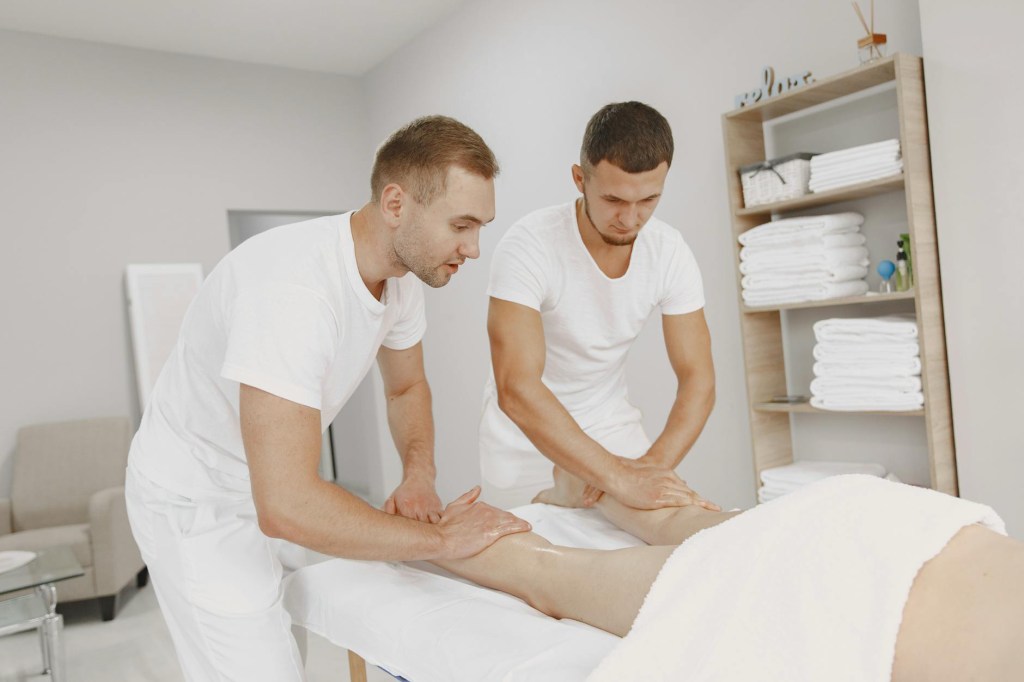
🪷 Ayurvedic Massage & Yoga: Ancient Healing for the Modern Body

By Jennifer Richards 2025

If you’ve ever felt like modern wellness is missing something—like it’s just treating symptoms and not the whole person—you’re not alone. In Ayurveda, the ancient medical system of India, health is about balance, rhythm, and nourishment for the body, mind, and spirit.

Ayurvedic massage and yoga are two powerful tools from this system. They aren’t just about relaxing your muscles or improving your flexibility. They’re about reconnecting you with your natural constitution and helping you thrive, not just survive.

🌿 What Are Ayurvedic Massage & Yoga?

👐 Ayurvedic Massage (Abhyanga)

Ayurvedic massage isn’t “deep tissue” or “Swedish.” It’s an oil-rich, flowing treatment customized to your dosha—your unique mind-body type (Vata, Pitta, or Kapha).

Features of Abhyanga:

Warm herbal oils selected for your dosha or imbalance Long, rhythmic strokes to enhance lymphatic flow and calm the nervous system Marma point stimulation (vital energy points, similar to acupressure) Often part of a detox (Panchakarma) or wellness protocol

Other types of Ayurvedic bodywork include:

Shirodhara – a stream of warm oil poured on the forehead (deeply calming)

Garshana – dry silk glove massage to stimulate circulation

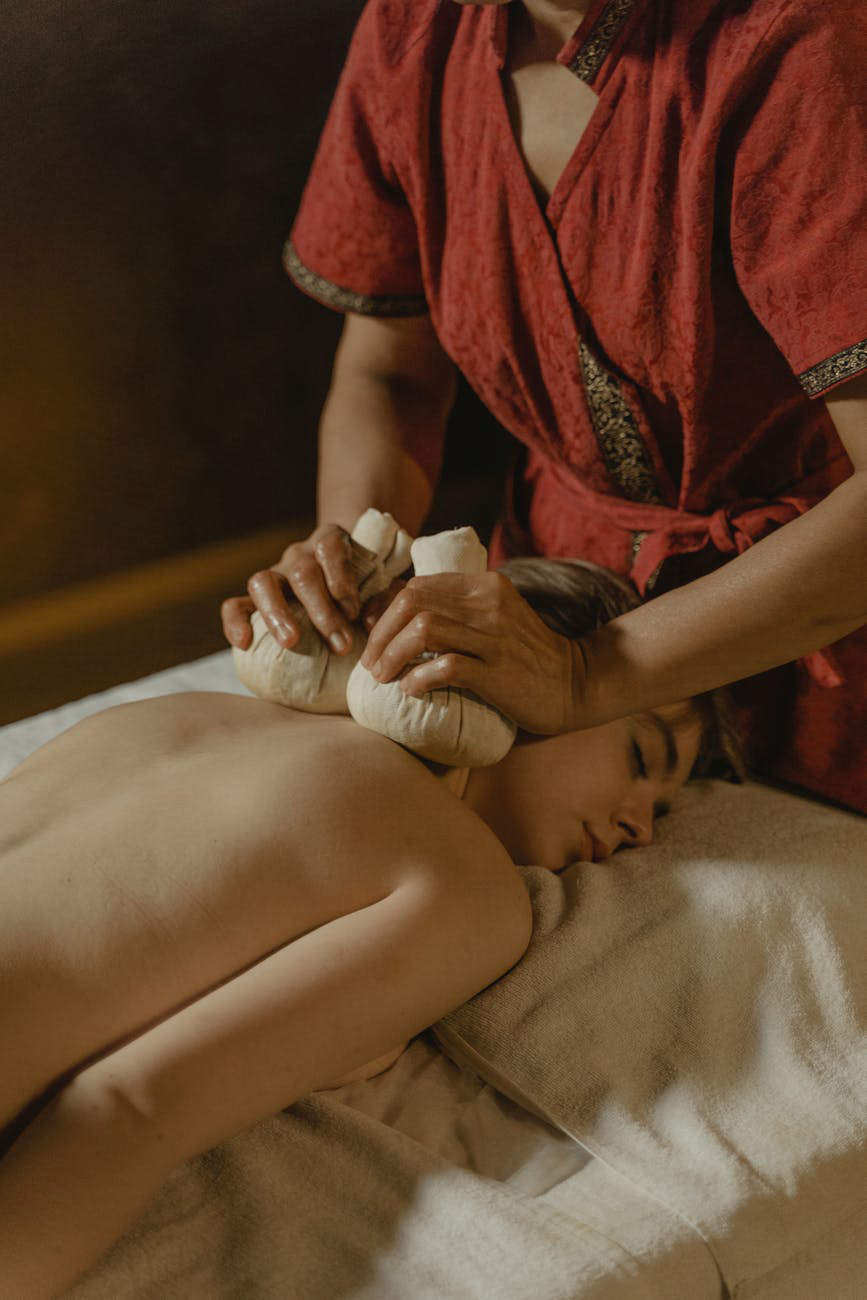
Pinda Sweda – massage with warm herbal poultices

🧘 Yoga (as part of Ayurveda)

Yoga is more than stretching. In Ayurveda, yoga is prescribed like medicine—specific postures (asanas), breathing (pranayama), and meditation tailored to your dosha.

Vata types need grounding, warming, stabilizing poses Pitta types benefit from cooling, calming, and non-competitive practice Kapha types thrive with energizing, stimulating movement

✨ Benefits of These Practices

✅ Physical

Improves lymphatic flow and immunity Relieves muscle tension without “force” Balances oil production, skin tone, and digestion Supports hormone and nervous system function

✅ Mental/Emotional

Reduces anxiety, anger, and mental fog Enhances sense of groundedness and clarity Calms emotional imbalances based on dosha tendencies

✅ Spiritual & Energetic

Encourages inner awareness and compassion Connects you to your unique nature Clears energetic stagnation and enhances ojas (vitality)

🧭 Where Can I Find It?

You can explore these through:

Ayurvedic spas or wellness centers

Certified Ayurvedic practitioners (look for NAMA or AAPNA accreditation)

Yoga therapists with Ayurvedic training

Some massage therapists trained in Eastern modalities

Yoga studios offering dosha-based classes or Ayurvedic workshops

You can also start at home with self-massage (daily abhyanga), simple dosha quizzes, or guided dosha yoga videos.

🤔 Do I Need It?

Ayurvedic massage or yoga may be right for you if:

You’re overwhelmed, exhausted, or burnt out You want a more nurturing, rhythmic style of bodywork You’re curious about natural, holistic medicine You want to create balance through food, movement, and daily rhythm You’re open to learning your dosha and living more in sync with it

Not ideal if: You want a Western-style massage with deep trigger point work—or prefer fitness-style yoga without the holistic context. But these can complement one another beautifully!

🌸 Final Thoughts

Ayurvedic massage and yoga aren’t just about how you feel on the table or mat. They’re about transforming your relationship with your body—tuning into what it needs, season to season, moment to moment.

This is healing as lifestyle, not just an appointment.

Series Wrap-Up: Ready to explore one of these modalities for yourself? Let’s chat about which one fits your needs—and how to integrate these practices into your healing journey.

🌟 Reiki & Polarity Therapy: Energy Healing Through Gentle Touch

By Jennifer Richards 2025

Touch doesn’t always need pressure to be powerful. In fact, some of the deepest healing happens when we go quiet—when we shift from muscle to energy, from doing to being.

Reiki and Polarity Therapy are two gentle, non-invasive practices that work on the body’s subtle energy systems. They aren’t massage in the traditional sense, but they are hands-on modalities that can restore balance, reduce stress, and reconnect you to your inner calm.

If you’ve ever felt “off,” overwhelmed, or energetically drained, these modalities may offer a different kind of reset.

🌿 What Are Reiki and Polarity Therapy?

✋ Reiki (pronounced RAY-kee)

Origin: Japan, early 20th century Meaning: “Rei” = universal, “Ki” = life energy Based on the idea that universal life force flows through us and can be guided for healing

How it works:

A Reiki practitioner gently places hands on or just above your body in a series of positions. There’s no manipulation—just calm, focused presence. The energy is said to flow where it’s needed, helping release tension and support healing.

🌀 Polarity Therapy

Origin: 20th-century blend of Ayurveda, Chinese medicine, and Western science Based on the principle that positive, negative, and neutral energy currents run through the body, influencing health and mood.

How it works:

A Polarity practitioner uses light touch, energetic awareness, and sometimes stretching or movement to balance energy flows across specific zones (similar to meridians or chakras).

✨ Benefits of Energy Healing Modalities

✅ Physical

Lowers heart rate and blood pressure Eases chronic pain, fatigue, and insomnia Supports immune and nervous system regulation

✅ Emotional & Energetic

Promotes deep relaxation Clears emotional and energetic blocks Supports mental clarity and resilience May help during grief, trauma, or life transitions

✅ Spiritual

Enhances inner peace and mindfulness Helps restore a sense of purpose and connection Encourages trust in the body’s ability to heal

🧭 Where Can I Find Reiki or Polarity Therapy?

You’ll find these services at:

Holistic wellness clinics Massage therapy or acupuncture offices Reiki circles or meditation centers Some yoga studios or metaphysical shops

You can also find distance Reiki offered via Zoom or phone sessions.

🔍 What to Look For:

Reiki practitioners may be certified at levels I, II, or Master Teacher Polarity practitioners often study under a Registered Polarity Educator (RPE) or through APP/CAP programs Ask about their background—many are also licensed massage therapists, nurses, or bodyworkers

🤔 Do I Need It?

Reiki or Polarity Therapy may be perfect if:

You’re emotionally drained or burnt out You’re sensitive to deep pressure massage You’re dealing with chronic illness or trauma You want to explore healing beyond just physical symptoms You want support during a transition (grief, surgery, big life changes)

Not ideal if: You’re looking for structural work like trigger point therapy or specific physical pain relief through manipulation—though these can work well in combination with those.

🌸 Final Thoughts

Reiki and Polarity Therapy remind us that not all healing is loud or linear. Sometimes, it’s the gentle, unseen shifts that ripple through us and create the most change. These practices create space—energetic and emotional—for your body to remember what balance feels like.

Next up in the series: Ayurvedic Massage & Yoga – Indian bodywork and movement to balance your doshas and restore vitality.

🌀 Qi Gong & Tai Chi: Meditation in Motion

By Jennifer Richards 2025

In a world where everything moves fast, Qi Gong and Tai Chi invite us to slow down—not just to rest, but to reconnect. These two practices, rooted in Traditional Chinese Medicine (TCM) and Taoist philosophy, use gentle, intentional movement to harmonize the body, breath, and mind.

They aren’t just “exercise.” They’re healing arts—tools for moving Qi (vital energy), relieving stress, and cultivating deep inner resilience.

If you’re looking for something that’s gentle yet powerful, these ancient practices might be the missing piece in your wellness puzzle.

🌿 What Are Qi Gong and Tai Chi?

💫 Qi Gong (氣功)

“Qi” means energy. “Gong” means work or cultivation.

So Qi Gong is the practice of cultivating energy through slow movement, controlled breath, and focused intention.

There are thousands of styles, but most include:

Repetitive movements or postures Breath regulation Visualizations or meditative focus Flowing transitions between forms

Qi Gong is often used in:

Medical settings for pain, cancer recovery, fatigue Martial arts as foundational training Taoist spiritual cultivation

🥋 Tai Chi (太極拳)

Originally a martial art, Tai Chi is a flowing series of movements done in a set sequence (called a form). It’s sometimes described as “shadowboxing” with grace.” It incorporates all of Qi Gong’s principles—but with structured, defensive movements.

Tai Chi includes:

Standing postures and movement sequences Coordinated breath and motion Strong emphasis on grounding and body awareness

🧠 Benefits of Both Practices

✅ Physical:

Improves balance, posture, coordination Increases flexibility and strength Supports joint health and fall prevention Reduces chronic pain and fatigue

✅ Mental/Emotional:

Calms the nervous system Enhances focus and mental clarity Regulates mood and sleep Increases mind-body connection

✅ Energetic:

Stimulates and balances Qi flow Clears energetic stagnation Supports organ systems (especially lungs, liver, kidneys)

🧭 Where Can I Find It?

You can access Qi Gong and Tai Chi:

At martial arts studios or TCM clinics Through hospital wellness programs (especially for cancer or heart recovery) In community centers, senior centers, or local parks Online (YouTube, courses, Zoom classes) With certified instructors in Eastern medicine or bodywork centers

🔍 Tips for Finding a Class:

Look for certified instructors with training in medical Qi Gong, Yang-style Tai Chi, or Taoist lineage practices Ask if they adapt movements for mobility or chronic illness Try a class that aligns with your goal: relaxation, strength, healing, etc.

🤔 Do I Need It?

These practices may be right for you if:

You’re tired of intense workouts and want something gentler You live with chronic pain, anxiety, or fatigue You feel disconnected from your body or breath You’re recovering from illness or burnout You want to move your Qi but aren’t ready for acupuncture

You don’t need coordination or flexibility to start—you’ll gain those with time.

Not ideal if: You’re looking for a fast-paced cardio or weight-training experience, or you want something hands-on like massage.

🧘‍♀️ Final Thoughts

Qi Gong and Tai Chi are gifts from a tradition that sees health as flow, not force. Whether you’re dealing with stress, stiffness, or emotional overwhelm, these moving meditations meet you with grace.

Next up in this series: Reiki & Polarity Therapy – Energetic healing through light touch and balance.

🇹🇭 What Is Thai Massage? Stretch, Breathe, Heal

By Jennifer Richards

In the world of massage and bodywork, Thai Massage stands out as something completely different—part movement, part meditation, part acupressure session. It’s often called “lazy man’s yoga,” but that barely scratches the surface of its power.

This ancient healing art isn’t about lying passively on a table—it’s about active, flowing connection between practitioner and client, where the body is moved, stretched, and restored through intuitive pressure and rhythmic motion.

If you’ve ever felt tight, stagnant, or stressed out—but you’re not into deep tissue pain or slippery oils—Thai Massage might be exactly what your body is craving.

🌿 What Is Thai Massage?

Thai Massage (also called Nuad Boran) is a therapeutic practice from Thailand, with roots in Ayurveda, Traditional Chinese Medicine, and Buddhist mindfulness. It’s been practiced for over 2,500 years as a way to move energy (called Sen) and restore natural balance.

Unlike Swedish or deep tissue massage, Thai Massage is performed:

Fully clothed (wear loose, comfortable clothing) On a padded floor mat (not a massage table) Without oils or lotions

It combines:

Acupressure techniques Assisted stretching (like passive yoga) Rhythmic rocking and compression Breath awareness and meditation

The goal? To stimulate energy flow, release muscular tension, and bring body and mind into harmony.

✨ What Are the Benefits?

People often report feeling:

Taller, looser, more open Deeply relaxed yet energized Less emotionally reactive Free of old aches and stiffness

It’s especially helpful for:

Chronic tightness (hips, back, neck, shoulders) Reduced range of motion Fatigue or low energy Stress, anxiety, and nervous system overload Sedentary or desk-bound lifestyles

Many sessions also incorporate metta, the Buddhist concept of loving-kindness, creating a deeply compassionate experience.

🧭 Where Can I Find Thai Massage?

You can find Thai Massage at:

Thai massage studios Holistic wellness centers Some yoga studios or integrative spas Independent Licensed Massage Therapists (like myself, if trained!)

Tip: Look for practitioners trained in Traditional Thai Massage or certified through institutions like the Wat Pho Thai Traditional Medical School in Bangkok or Lotus Palm in North America.

🤔 Do I Need Thai Massage?

You might benefit from Thai Massage if:

You feel stiff, stagnant, or compressed in your body You want deep muscle work without deep pain You enjoy (or want to try) yoga-like stretching without doing it yourself You want a more interactive, energizing session compared to traditional massage You feel emotionally or energetically “blocked” and want gentle clearing

Not ideal if: You dislike being stretched or moved by someone else, or if you have acute injuries that limit joint mobility. Always tell your practitioner about medical conditions, joint instability, or hypermobility (such as EDS) so the session can be safely adapted.

🌸 Final Thoughts

Thai Massage is more than a technique—it’s a conversation between your body and a healing tradition that’s lasted centuries. It meets you where you are and gently guides you back to where you want to be: open, grounded, and flowing.

Next in this series: Qi Gong & Tai Chi – Movement practices that regulate energy and restore peace.

How to Spot a Legitimate Spa—and Why It Matters More Than You Think

By Jennifer Richards 2025

Introduction

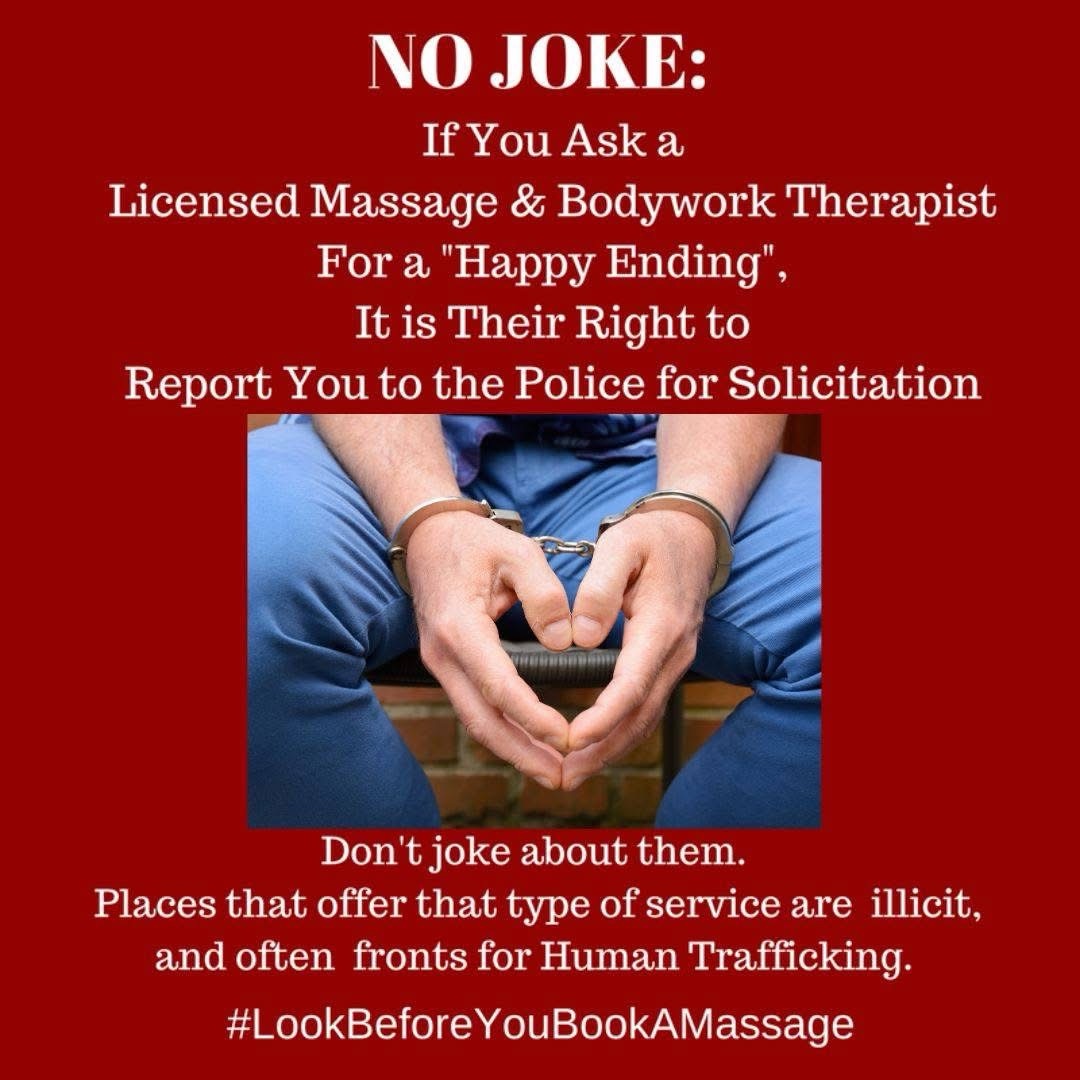
Most people seek massage for stress relief, pain management, or self-care. But not every business advertising massage services is legitimate. Unfortunately, some operate under the guise of “massage” while participating in illegal and dangerous activities—both for clients and for the women working there. Here’s how to protect yourself—and others.

1. The Difference Between a Legitimate Spa and a Massage Parlor

Legitimate massage therapy establishments:

Are licensed and regulated by state boards.

Require therapists to be licensed (verify with your state board).

Conduct intake forms and health history reviews before your first massage. Offer clear menus of services with pricing.

Maintain professional boundaries, draping, and ethical conduct at all times. Are open during standard business hours.

Illegitimate “massage parlors”:

Often advertise using coded language like “Asian massage” or “body rubs.”

May not list the therapist’s names or licenses publicly.

Frequently skip health intake procedures.

Operate late into the night.

May have blacked-out windows or locked doors with buzzers.

Often post ads on illicit directories.

2. The Risks of Receiving Massage Without a Health History Review

Massage is not a one-size-fits-all service. Without proper intake:

Conditions like blood clots, recent surgeries, high blood pressure, or pregnancy may be ignored—posing serious risks.

Medications can affect how you respond to pressure or techniques.

Allergies (e.g., to oils or essential oils) can trigger reactions.

Without knowledge of your history, therapists may unknowingly do harm.

3. The Dark Reality: Sex Trafficking in Massage Parlors

According to the Polaris Project, illicit massage businesses (IMBs) are one of the most common trafficking venues in the U.S. Polaris identified over 9,000 suspected IMBs operating across the country.

Women, often immigrants, are coerced, manipulated, or forced to live on site and provide sexual services. These businesses rely on a cycle of demand, meaning every paying customer sustains the system—whether knowingly or not.

Your money matters. By frequenting these places, you may be unintentionally supporting modern-day slavery.

4. Personal Experience: A Real Conversation That Changed Everything

I’ll never forget the time I went to one of these places—last minute, in pain, and desperate for relief. None of the reputable clinics had openings, so I went to a walk-in spa for a foot massage.

The therapist was kind. She noticed how tense I was and asked what I did for work. I told her I was a massage therapist too. Her face lit up.

She asked, “Do you work 12-hour days too?” I said, “No, I usually see 25 clients a week, spread out.”

She was shocked. She told me she’s expected to massage 10 of her 12 hours every day. Then she asked what I earn. I told her. She looked down and quietly said, “I make six dollars an hour.”

I repeated it, stunned: “Six? Like 1, 2, 3, 4, 5… 6?”

She nodded. “Yes.” She said all the women live in one house and she tries to send money home—but she can’t leave. The owner had all her papers.

I reported the business. It was later shut down. Authorities found it was part of a money laundering scheme. The women weren’t charged with prostitution—because they were being sex trafficked.

5. How to Protect Yourself and Others

Check Licensure: Visit your state’s massage therapy board website to verify both the therapist and the establishment.

Trust Your Gut: If something feels off—too cheap, too private, too vague—walk away.

Ask Questions: Who is the therapist? What type of massage will I receive? Is a health intake form required?

Report Suspicious Businesses: Contact local law enforcement or report to the National Human Trafficking Hotline.

6. Red Flags That May Indicate Illegitimate Practices

No intake forms or health questions.

No professional website or verifiable reviews.

Open unusually late (10 p.m. or later).

Tinted windows or covered entrances.

Extremely low prices.

Therapists not listed by name or credentials.

Suggestive advertising (images, language like “young girls” or “table shower”).

Higher massage prices for men—this often reflects illicit services offered based on assumed gender-based demand.

Ads found on directories linked to sexual services.

7. The Role of Legitimate Therapists and Clients

As a licensed massage therapist, I uphold a strict code of ethics that protects both you and me.

When you choose a legitimate provider:

You’re honoring your body and boundaries. You’re receiving safe, evidence-informed care. You’re helping dismantle an industry that exploits and enslaves women.

Resources and Links

Polaris Project – https://polarisproject.org

National Human Trafficking Hotline – https://humantraffickinghotline.org | Call: 1-888-373-7888 or text “BEFREE” (233733)

American Massage Therapy Association (AMTA) – https://www.amtamassage.org

Associated Bodywork & Massage Professionals (ABMP) – https://www.abmp.com

State Massage Licensing Boards – Find yours via AMTA’s directory: https://www.amtamassage.org/state-regulations/

Disclaimer

This blog is intended for educational purposes only and reflects my professional training and personal experience as a Licensed Massage Therapist. It is not a substitute for legal advice or law enforcement guidance. If you suspect a business is engaging in illegal activity, please contact local authorities or the National Human Trafficking Hotline at 1-888-373-7888.

Invitation to Connect

Have questions or concerns? Want help identifying a legitimate spa near you? I’m here to help. Reach out or leave a comment—let’s protect each other, and the profession I love.

The Silent Power of Massage

By Jennifer Richards 2025

Why Quiet Enhances the Healing Experience

When you walk into a massage room, you’re entering more than just a quiet space—you’re stepping into a healing sanctuary. One of the most overlooked but powerful ways to get the most from your massage is simple: be still. Be quiet. Be present.

Massage works not just on your muscles but on your entire nervous system. The calming music, the intentional touch, the gentle rhythm—all of it is designed to guide your body out of fight-or-flight mode and into rest-and-digest. This is where healing happens. This is where the magic lives.

When we allow our minds to wander, or worse—vent about our daily stresses—we often interrupt that healing rhythm. Conversation has its place, and sometimes sharing is cathartic. But regularly chatting throughout a session can keep your nervous system activated and prevent you from sinking into deeper states of rest.

Research and client experience alike have shown that a one-hour massage can offer the same restorative benefits as several hours of deep sleep. But only if you let it. That means surrendering. Breathing. Feeling. Listening to your body instead of your to-do list.

Silence is not empty. It’s full of answers.

Disclaimer:

This blog is intended for educational and informational purposes only. It is not a substitute for professional medical advice, diagnosis, or treatment. Always consult your healthcare provider for any medical concerns or conditions.

Let’s Talk

Do you prefer silence or conversation during your sessions? There’s no one-size-fits-all. Your comfort is my priority, and I’m always happy to adapt the space to what your body and mind need most that day. Feel free to share your preferences—your session, your sanctuary.

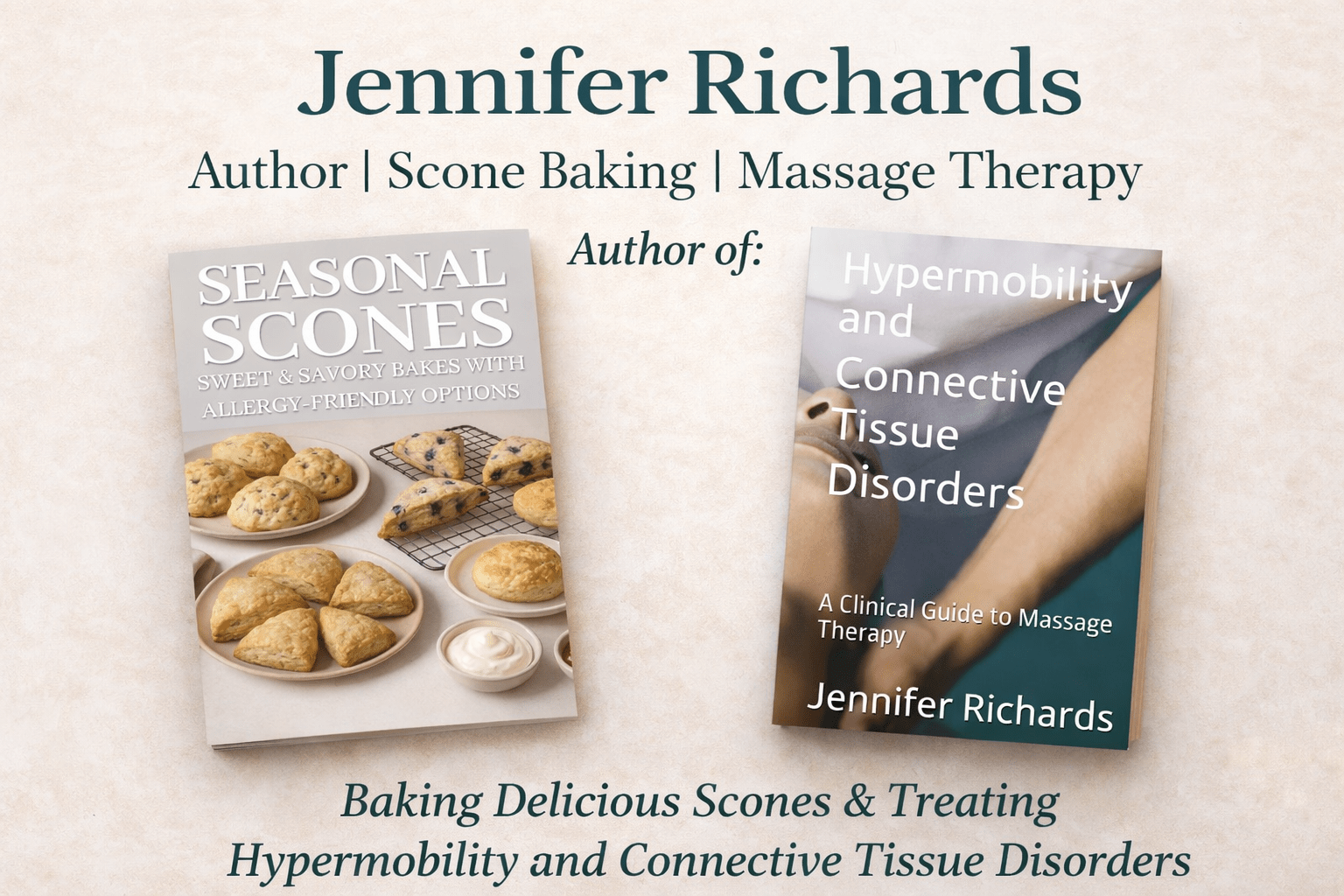
My Cookbook Has Been Published

It’s Official — My Cookbook Is Published! 📚🥄✨

From Bermuda to Your Kitchen: A Scone Story

I grew up in Bermuda, where scones were a beloved staple—light, tender, and full of flavor. When I moved to the U.S., I was surprised to find scones that were dry and bland. So I began baking my own, sharing them with friends and coworkers. What started as a personal mission to bring real scones to America grew into published recipes in Bon Appétit, Cook’s Illustrated, and now—my very own cookbook. This collection celebrates the joy of baking scones the way they’re meant to be: fresh, flavorful, and impossible to resist.

🛒 Grab your copy here: https://a.co/d/aAyqscM

If you do pick one up, I’d be so grateful if you’d leave a review — and let me know your favorite recipe! 📬💬

Thank you for all the support along the way. This dream has been a long time in the making, and I couldn’t have done it without the encouragement of friends, family, clients, and fellow food lovers.

With gratitude,

Jennifer

Deep Pressure vs. Deep Tissue: What’s the Difference and Why It Matters

By Jennifer Richards 2025

It happens almost every day: a new client fills out their intake form, checks off “Deep Tissue,” and says, “I like it really deep.”

But here’s the thing—not everyone who asks for “deep” actually needs deep tissue massage. And not everyone benefits from it.

Let’s clear up the confusion.

What Is Deep Pressure?

Deep pressure refers to the amount of pressure applied during a massage. It can be firm, broad, and grounding, without necessarily targeting the deepest layers of muscle or fascia. Swedish massage, for example, can be done with deep pressure for those who like that comforting, weighted feeling without intense muscle manipulation.

Deep pressure can help calm the nervous system, relieve tension, and make you feel like you’re melting into the table—without triggering pain or post-massage soreness.

What Is Deep Tissue?

Deep tissue massage, on the other hand, is a specific technique aimed at reaching deeper layers of muscle and connective tissue. It’s often used to break up adhesions, address chronic tension, or help rehabilitate injury. It involves slow, focused strokes and often uses tools like elbows or knuckles.

This type of work can be intense, and it’s not always what your body needs—especially if you’re under a lot of stress, have inflammation, are hypermobile, or are simply not conditioned for deeper manipulation.

Why the Confusion?

Many people equate “deep” with “better,” believing that more pressure means more effective results. But just like exercise, more isn’t always better. A skilled massage therapist will assess your needs and goals—and sometimes, lighter or more targeted work actually creates the deeper, lasting change you’re hoping for.

Trusting your therapist means understanding that:

Firm pressure doesn’t have to hurt to be effective Pain is not progress—pain is your body saying “slow down” Therapeutic massage is a partnership, not a one-size-fits-all service

What Should You Do?

When you’re on the table, communicate clearly. Let your therapist know how your body is feeling, what you’re hoping to get out of the session, and how pressure feels as it’s happening. Don’t be afraid to say “that’s too much” or “you can go a little deeper.”

And most importantly—trust the process. Your therapist is trained to listen to your words and your tissues. Sometimes the best results come not from going deeper, but from working smarter.

Disclaimer

This blog is intended for general educational purposes and should not replace personalized care from a licensed healthcare provider. Massage therapy sessions should always be tailored to your specific health history and needs. If you’re unsure about which type of massage is right for you, have a conversation with your licensed therapist—they’re here to help!

✨Reflexology: A Path to Whole-Body Wellness

By Jennifer Richards 2025

What is Reflexology?

Reflexology is a therapeutic technique rooted in ancient healing systems that uses gentle pressure on specific points of the feet, hands, and ears to stimulate the body’s own healing response. Unlike a foot massage, reflexology is grounded in the idea that certain areas correspond with organs, systems, and structures of the body.

A Brief History

Reflexology has been practiced for thousands of years. Ancient Egyptians and Chinese healers used pressure techniques to promote health. The modern version we use today was popularized in the early 20th century by Dr. William Fitzgerald (Zone Therapy) and later developed by Eunice Ingham, who mapped out the reflex points on the feet and hands in detail.

Traditional Chinese Medicine (TCM) & the Meridian System

Reflexology is closely aligned with the principles of Traditional Chinese Medicine, particularly the concept of meridians—energy channels that run throughout the body.

In TCM, Qi (pronounced “chee”) is the life force energy that flows through these meridians. Blockages or imbalances in Qi can lead to physical, emotional, or mental dis-ease. Reflexology helps unblock and harmonize these energy channels by stimulating reflex points, encouraging the body’s own ability to restore balance.

TCM treats the whole person—body, mind, and spirit. This means reflexology may not only help with physical symptoms like pain or digestive issues but also emotional conditions such as stress, anxiety, and fatigue. Because everything in the body is interconnected, working on the feet can help bring relief to distant areas of the body.

What Happens During a Reflexology Session?

A reflexology session usually lasts between 30 and 60 minutes. Here’s what to expect:

🧘 What the Therapist Does:

Begins with a short intake to learn about your needs and health concerns Uses thumb and finger walking techniques to apply pressure to specific reflex points on the feet (and sometimes hands or ears) May identify “tender spots” which correspond to areas of the body needing attention Works symmetrically, giving attention to both feet (or hands)

The session is done fully clothed, with only socks and shoes removed if working on the feet.

What to Expect During the Session

You may feel deeply relaxed—or even fall asleep Some areas might feel tender or sore (a sign of congestion in the corresponding body part) You might experience warmth, tingling, or an emotional release Breathing may deepen as tension leaves the body

What to Expect After the Session

Most clients feel calm, refreshed, and centered You may notice improved sleep, digestion, or a reduction in symptoms Occasionally, a healing response may occur—such as increased urination, temporary fatigue, or emotional shifts—as the body releases stored tension It’s important to drink water, rest if needed, and listen to your body

Additional Benefits of Reflexology

Promotes circulation and lymphatic flow Supports detoxification Helps regulate the nervous system Complements traditional medical care without side effects Offers a grounding experience for those dealing with stress, trauma, or chronic illness

Who Can Benefit?

Reflexology is gentle and safe for most people, including:

Those recovering from illness or surgery People with stress-related conditions Clients with chronic pain, autoimmune issues, or hormonal imbalances Individuals seeking general wellness support

It is especially helpful for clients who cannot tolerate deep pressure or full-body massage.

A Note on Self-Care and Holistic Healing

Reflexology is a powerful tool, but it works best as part of a holistic approach that includes proper nutrition, hydration, movement, rest, and emotional support. By nurturing the whole self, healing happens more fully and naturally.

Disclaimer:

Reflexology is a complementary wellness modality and is not a substitute for medical care. It does not diagnose, treat, or cure any medical conditions. Always consult your healthcare provider regarding any health concerns or before beginning a new wellness practice.

Let’s Connect

Have questions or want to try reflexology for yourself? I’m happy to talk with you about whether this gentle, grounding therapy might be a good fit for you.

💬 Drop a comment or message me to start a conversation.

Why Your Posture and Movement Habits Matter More Than You Think

(And How Massage and Stretching Can Help)

By Jennifer Richards 2025

Ever find yourself slouching at your desk, leaning to one side while scrolling your phone, or waking up with a stiff neck and sore lower back? These little habits are part of something called body mechanics—the way you use your body every day to sit, stand, walk, lift, and move.

Over time, poor body mechanics can lead to pain, tension, and even internal strain on your organs. That’s where massage, stretching, and mindful movement come in.

What Are Body Mechanics?

Body mechanics are simply how we hold and move our bodies. Think of it as your personal movement blueprint. Good body mechanics mean:

Standing with balanced posture Moving from your hips rather than twisting your spine Using your legs instead of your lower back when lifting Keeping your neck and shoulders relaxed instead of hunched

When your body is aligned and moving well, your muscles don’t have to work as hard, your organs have more room to function, and your joints last longer. It’s like keeping your car tires aligned—everything runs more smoothly with less wear and tear.

Why It Matters

Many common aches and pains—especially in the neck, shoulders, back, and hips—are caused or made worse by poor posture and movement habits. But the effects go deeper than that:

Slouching compresses your internal organs, reducing space for your lungs to expand and your digestive organs to work efficiently. Over time, this can lead to discomfort, shallow breathing, and sluggish digestion. Leaning the head forward (like when looking down at your phone) significantly increases the strain on your neck and spine. While your head weighs about 10–12 pounds when upright, tilting it forward by just a few inches increases the effective weight to up to 40 pounds—imagine holding a heavy bowling ball for hours every day! Similarly, bending from your lower back instead of your hips puts excessive stress on the spine. This poor movement pattern can lead to fatigue, muscle spasms, and long-term injury.

How Massage and Stretching Can Help

Massage isn’t just for relaxation—it’s an important tool for restoring balance and supporting good body mechanics.

Massage therapy helps release tight muscles, reduce pain, and bring awareness to areas of tension. When muscles are relaxed and circulation is improved, your body can move more freely and naturally. Stretching (whether on your own or as part of your session) improves flexibility and posture, making it easier to maintain healthy movement habits. Body awareness is a hidden benefit of regular massage—you start noticing how you carry yourself and how small changes make a big difference.

Together, massage and stretching help “reset” your body so you can move with more ease and less effort.

Small Shifts, Big Results

You don’t need to be perfect. Even small changes in how you sit, stand, and move throughout your day can reduce strain and improve how you feel. Here are a few tips you can start with:

Check in with your posture during the day Take stretch breaks (especially if you sit a lot) Get regular massage to support your muscles and alignment Stay active in gentle ways—walking, swimming, yoga, etc. Ask your massage therapist about self-care tips between sessions

Invest in Your Body’s Future

Your body is with you for life—treating it with care now means fewer aches, more energy, and greater freedom down the road. Massage and stretching aren’t just luxuries—they’re tools to help you live better, longer, and with less pain.

If you’re feeling stiff, sore, or out of balance, let’s work together to help restore movement, comfort, and alignment in your body. Your future self will thank you!

Disclaimer:

This post is for general educational purposes and is not a substitute for professional medical advice. Always consult with your healthcare provider before beginning any new bodywork, stretching, or exercise program—especially if you have existing health conditions or chronic pain.