Ehlers Danlos and Pelvic Congestion Syndrome

By Jennifer Richards, LMT 2026

What is Pelvic Congestion Syndrome?

Pelvic Congestion Syndrome (PCS) is a chronic condition caused by dilated, poorly functioning veins in the pelvis, similar to varicose veins that occur in the legs.

Normally, veins contain one-way valves that keep blood flowing upward toward the heart. When those valves weaken or fail, blood can pool in the pelvic veins, causing pressure and inflammation.

This leads to chronic pelvic pain and vascular congestion.

Why PCS Can Occur in People with Ehlers–Danlos Syndrome

People with Ehlers-Danlos Syndrome have weaker connective tissue, including the collagen that supports blood vessels and vein walls.

This can lead to:

• Venous laxity (veins stretch more easily)

• Valve dysfunction

• Poor vascular tone

• Blood pooling

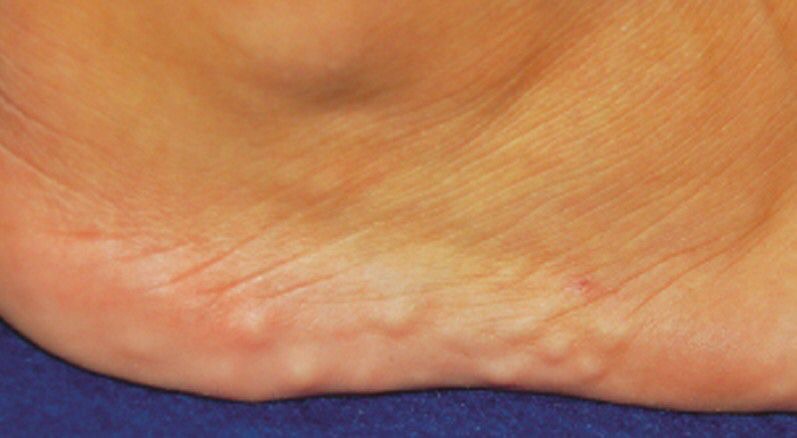
Because the veins become overly stretchy, they may enlarge and twist, creating pelvic varicosities.

Many hypermobile patients also experience autonomic dysfunction, such as Postural Orthostatic Tachycardia Syndrome, which can worsen blood pooling in the lower body.

Common Symptoms

Symptoms often worsen after standing for long periods or at the end of the day.

Typical symptoms include:

Chronic pelvic pain

Dull, aching pain in the pelvis Pain worse after standing or sitting long periods

Pressure or heaviness

Feeling of pelvic fullness

Pain during or after intercourse

Lower back or hip pain

Visible varicose veins

Buttocks Upper thighs Vulva or vaginal area

Urinary or bowel pressure

Many people with EDS report that symptoms fluctuate with:

• Hormonal changes

• Menstrual cycle

• Pregnancy

• Long periods of upright posture

Why It Is Often Missed

PCS is frequently underdiagnosed, especially in hypermobile patients.

Reasons include:

• Symptoms overlap with endometriosis

• Symptoms resemble IBS or bladder disorders

• Pain is often dismissed as “normal pelvic pain”

Diagnosis may involve:

Pelvic ultrasound Doppler imaging MRI or CT Venography (gold standard)

Treatment Options

Treatment depends on symptom severity.

Conservative management

Often first approach:

• Compression garments

• Pelvic floor physical therapy

• Avoid prolonged standing

• Anti-inflammatory support

• Hormonal therapy in some cases

Medical procedures

If symptoms are severe:

• Pelvic vein embolization

• Sclerotherapy

• Rarely surgical vein ligation

Embolization is currently one of the most common treatments.

Massage Therapy Considerations

Because you are a massage therapist specializing in hypermobility, these points are important for your clients.

Massage can help secondary symptoms, but cannot treat the vascular problem itself.

Helpful approaches may include:

Lymphatic drainage

Supports fluid movement

Gentle abdominal work

Avoid deep pressure over pelvic veins

Myofascial release

Address compensatory muscle tension

Hip and lumbar work

Reduce referred pain patterns

Important precautions

Avoid:

• Deep abdominal pressure

• Aggressive psoas work

• Intense heat over the pelvis

• Excessive intra-abdominal pressure

Clients with PCS may also experience:

• POTS-related dizziness when standing up after massage

• Increased pelvic pressure when prone too long

Position changes should be slow and supported.

Evidence and Support

Information about vascular involvement in EDS can be found through:

The Ehlers-Danlos Society

• Vascular and autonomic complications documented in connective-tissue disorders

Studies show increased rates of venous insufficiency and pelvic varicosities in connective-tissue disorders due to collagen weakness.

Quick Summary

EDS can increase risk of pelvic congestion because:

• Connective tissue is weaker

• Veins stretch more easily

• Valves fail more easily

• Blood pools in the pelvis

This can lead to chronic pelvic pain, pressure, and vascular symptoms.

Disclaimer

This article is for educational purposes only and is not intended to diagnose or treat medical conditions. Individuals experiencing pelvic pain or suspected pelvic congestion syndrome should consult a qualified healthcare professional for evaluation and appropriate care. Massage therapists should practice within their scope of practice and modify techniques as needed for clients with connective tissue disorders such as Ehlers–Danlos Syndrome.

Please nominate

The Ehlers-Danlos Society has opened nominations for its 2026 Community Choice Awards, recognizing advocates and healthcare professionals who have made a difference in the lives of those living with EDS, HSD, and related conditions. Winners will be announced during the 2026 Global Learning Conference, taking place July 24–26 in Dallas, Texas and online. (The Ehlers Danlos Society)

As someone living with hypermobility and dedicating my career to educating massage therapists and supporting clients with connective tissue disorders, this community holds a special place in my heart. Every conversation, class, blog post, and client session is part of a larger mission: helping people feel seen, understood, and supported.

If my work has made a difference in your journey, I would be honored if you would consider submitting a nomination. More importantly, I encourage everyone to take a moment to recognize the advocates, clinicians, researchers, and community members who are helping move awareness and care forward for all of us.

Together, we continue to educate, advocate, and create change—one zebra at a time. 🦓

Community Choice Awards

Jennifer Richards

Instagram: @lmt.jen
Facebook: Jennifer-Richards-LMT
LinkedIn: http://www.linkedin.com/in/jennifer-richards-86296b5
Website: https://jenniferrichardslmt.com

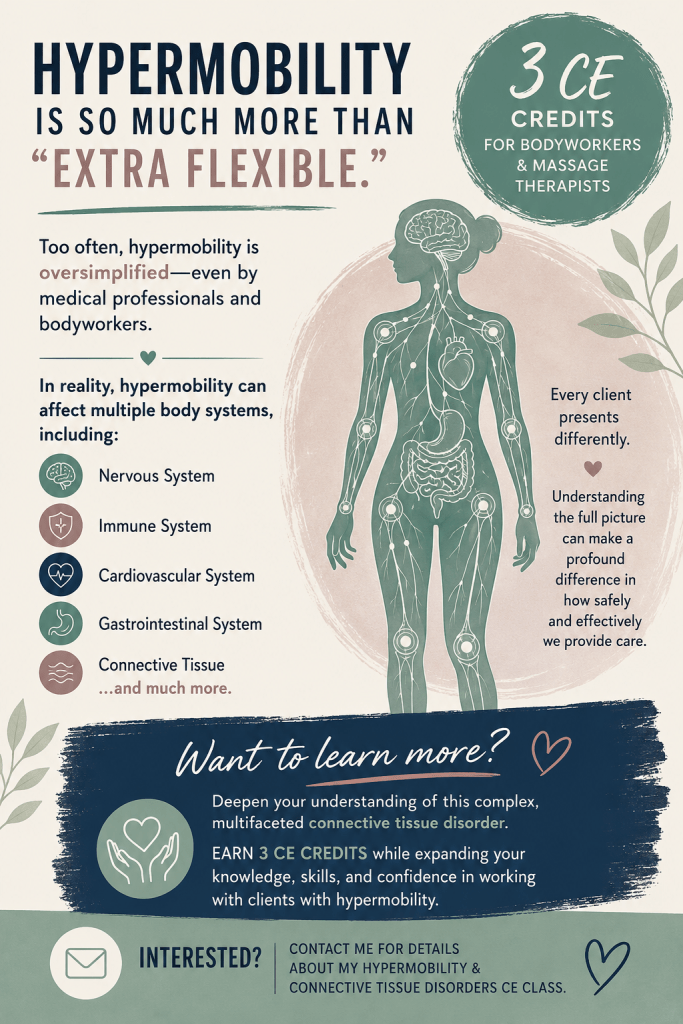
Hypermobility and Connective Tissue Disorders

Many massage therapists are already working with hypermobile clients — whether they realize it or not.

I am a Licensed Massage Therapist, instructor, and author specializing in hypermobility and connective tissue disorders.

My passion is educating massage therapists on how to work safely with hypermobile clients and adapt treatment appropriately for this often misunderstood population.

Unfortunately, traditional massage education frequently does not adequately cover:
• hypermobility
• connective tissue disorders
• contraindications
• nervous system considerations
• treatment modifications

Years ago, estimates suggested hypermobility affected approximately 1 in 5,000 people. More recent research suggests it may be far more common — possibly closer to 1 in 500.

As awareness grows, it is becoming increasingly important for massage therapists and other wellness professionals to understand how these conditions can affect pain, instability, fatigue, proprioception, nervous system regulation, and recovery.

Through continuing education, writing, and advocacy, my goal is to help therapists provide safer, more informed, and more compassionate care.

Jennifer Richards, LMT

#MassageTherapy #Hypermobility #EhlersDanlosSyndrome #hEDS #EDS #Bodywork #ContinuingEducation #MassageEducation #ConnectiveTissueDisorders #ChronicIllness #ManualTherapy

Hypermobility, Deep Tissue, and Deep Pressure Massage

By Jennifer Richards, LMT 2026

Many people with hypermobility seek massage because they feel tight, sore, and fatigued. Often they request deep tissue massage because they believe stronger pressure will relieve the tension.

However, with hypermobility, it is important to understand the difference between deep pressure and deep tissue, and why certain techniques may help some clients but harm others.

Understanding the Terms

Hypermobility

Hypermobility refers to joints that move beyond the normal range of motion due to differences in connective tissue.

Connective tissue—especially collagen—provides structure and stability to joints, ligaments, tendons, and skin. When collagen is more elastic, joints may become loose or unstable.

Hypermobility can occur on its own or as part of conditions such as Hypermobility Spectrum Disorders (HSD) or Ehlers-Danlos Syndrome (EDS).

The Ehlers-Danlos Society explains that hypermobile EDS involves joint hypermobility, joint instability, chronic pain, and soft connective tissue fragility.

Deep Tissue Massage

Deep tissue massage is a therapeutic technique designed to reach deeper layers of muscle and fascia.

Therapists often use:

• slow strokes

• sustained pressure

• friction techniques

• work along muscle fibers

Deep tissue massage is typically used to treat:

• chronic muscle tension

• adhesions

• scar tissue

• postural imbalances

• repetitive strain injuries

The goal is to release deeper restrictions in the soft tissue.

Deep Pressure

Deep pressure simply refers to the amount of pressure applied during massage, not the technique itself.

A massage can be:

• light pressure

• moderate pressure

• deep pressure

Deep pressure can occur during many techniques including:

• Swedish massage

• myofascial work

• trigger point therapy

Deep pressure can sometimes feel comforting because it stimulates pressure receptors in the nervous system, which may create a calming effect.

Why Deep Pressure Can Feel Helpful for Hypermobile Clients

Many hypermobile individuals report feeling chronically tight.

This happens because muscles often work harder to stabilize joints that ligaments cannot fully support.

As a result, muscles may develop:

• trigger points

• fatigue

• protective guarding

Deep pressure can sometimes feel beneficial because it:

• temporarily relieves muscle tension

• stimulates proprioceptors

• helps the nervous system feel grounded

• increases body awareness

For some clients, moderate pressure massage can provide significant relief.

Why Deep Tissue Massage Can Be Problematic for Hypermobile Bodies

While deep pressure may feel good, aggressive deep tissue work can create problems in hypermobile individuals.

This happens for several reasons.

1. Ligaments are already lax

Ligaments stabilize joints. In hypermobile bodies, ligaments may already be more elastic or fragile.

Aggressive deep tissue work near joints can increase instability.

2. Muscles may be compensating for instability

Muscle tightness in hypermobile bodies is often protective.

Those muscles are working to stabilize joints.

If deep tissue techniques release them too aggressively, joints may become more unstable, increasing the risk of:

• subluxations

• joint irritation

• post-treatment pain

3. Connective tissue may be more fragile

People with Ehlers-Danlos Syndrome can have more fragile connective tissue, meaning aggressive pressure may lead to:

• bruising

• inflammation

• prolonged soreness

The Ehlers-Danlos Society notes that individuals with EDS may experience joint instability, soft tissue injury, and chronic pain, requiring careful management of physical therapies.

A Balanced Approach for Massage Therapists

Massage can be extremely beneficial for hypermobile clients when applied thoughtfully.

Many therapists find success with techniques that focus on supporting the nervous system and improving muscle balance rather than aggressively releasing tissue.

Helpful approaches may include:

• moderate pressure Swedish massage

• myofascial techniques

• trigger point therapy used carefully

• lymphatic techniques

• slow, controlled neuromuscular work

Communication during the session is essential. What feels good during treatment may not always feel good 24 hours later, so checking in about post-treatment response is important.

Key Takeaway

Deep pressure and deep tissue are not the same thing.

Deep pressure can sometimes feel supportive and grounding for hypermobile clients, but aggressive deep tissue work may increase joint instability and tissue irritation.

Understanding this distinction helps massage therapists provide safer, more effective care for hypermobile individuals.

Disclaimer

This article is for educational purposes only and is not intended to diagnose, treat, or replace medical care. Individuals with hypermobility, hypermobility spectrum disorders, or Ehlers-Danlos Syndrome should consult a qualified healthcare professional for diagnosis and treatment. Massage therapists should work within their professional scope of practice and collaborate with appropriate healthcare providers when supporting clients with connective tissue disorders.

Hypermobility and Aging

By Jennifer Richards, LMT 2026

Many people with hypermobility hear the same comment growing up:

“You’ll grow out of it.”

While it is true that joint flexibility often decreases with age, the story is more complicated for people with hypermobility or Ehlers-Danlos Syndrome (EDS).

Understanding how a hypermobile body changes over time is important not only for clients—but also for massage therapists working with them.

What happens to a hypermobile body over time

Hypermobility occurs when the body’s connective tissue—primarily collagen—is more elastic than usual. Connective tissue supports joints, ligaments, skin, blood vessels, and organs. When collagen is weaker or more elastic, joints may move beyond their normal range of motion. 

As people age, several changes can occur.

1. Joints may become less flexible—but not more stable

Many hypermobile individuals become less flexible with age, but this does not necessarily mean their joints become stable.

The Ehlers-Danlos Society notes that someone may have been very flexible earlier in life and gradually become stiffer with age while still experiencing musculoskeletal problems related to their past hypermobility. 

This means that even when flexibility decreases, joint instability and pain can remain.

2. Increased joint wear and early degeneration

Because hypermobile joints move beyond normal limits, they often experience repeated micro-trauma over time.

This can lead to:

• chronic joint pain

• tendon and ligament injuries

• joint instability

• early osteoarthritis

People with EDS frequently experience recurrent subluxations, dislocations, and chronic musculoskeletal pain due to connective tissue fragility. 

Over decades, this repeated stress can cause joints to feel older than a person’s actual age.

3. Muscle fatigue and compensation patterns

Muscles often work harder in hypermobile bodies because they must compensate for lax ligaments and unstable joints.

Over time this can lead to:

• chronic muscle tension

• trigger points

• fatigue

• protective muscle guarding

Ironically, many hypermobile clients report feeling tight, even though their joints are highly mobile.

4. Multisystem symptoms may appear with age

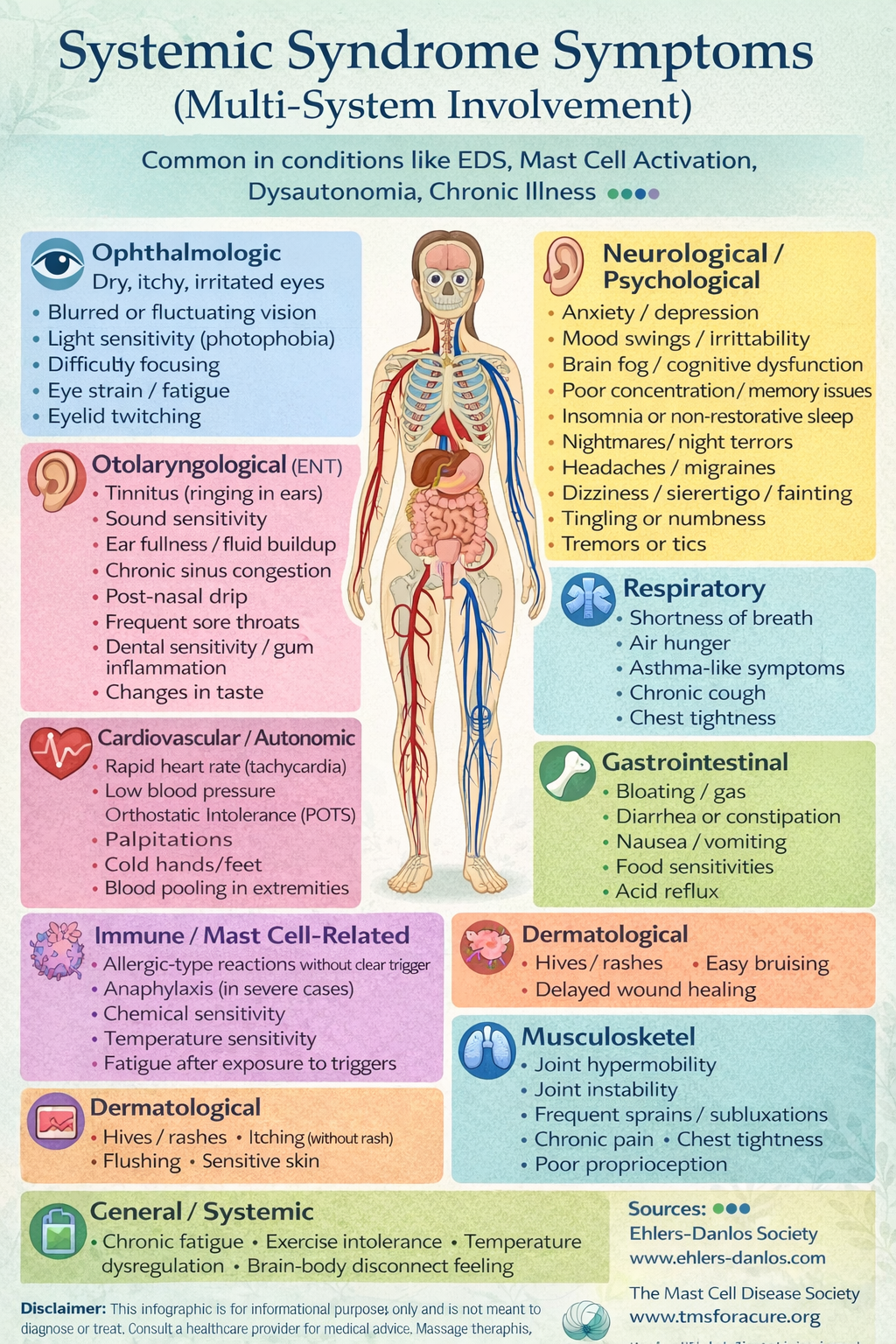
Hypermobile EDS is considered a multisystem connective tissue disorder, meaning it can affect many body systems. 

With age, people may experience symptoms such as:

• chronic fatigue

• gastrointestinal issues

• dysautonomia

• headaches

• mast cell activation disorders

These symptoms can influence pain levels, recovery time, and tolerance for physical stress.

Why this matters for massage therapists

Massage therapy can be extremely beneficial for people with hypermobility—but it requires thoughtful adaptation.

Understanding how hypermobility changes with age helps therapists avoid treatments that may worsen instability.

Important massage considerations

1. Avoid excessive joint stretching

Hypermobile joints often do not need more flexibility.

Instead, focus on muscle support and stability.

2. Work with the nervous system, not against it

Gentle approaches that calm the nervous system may help reduce protective muscle guarding.

Examples:

• slow Swedish techniques

• myofascial work

• lymphatic techniques

• gentle neuromuscular therapy

3. Stabilize rather than mobilize

Encourage strategies that promote joint support, including:

• strengthening exercises

• physical therapy referrals

• mid-range movement practices such as Pilates or stability-focused yoga.

4. Avoid aggressive pressure on unstable areas

Certain areas may require extra caution:

• cervical spine

• sacroiliac joint

• shoulders

• knees

Overly aggressive work may increase joint irritation rather than relieve it.

Why clients should understand this too

Many hypermobile individuals spend years believing their pain is simply “normal aging.”

Understanding hypermobility can help clients:

• seek appropriate medical care

• avoid harmful stretching habits

• build strength for joint stability

• choose bodywork practitioners familiar with hypermobility

Education empowers people to support their bodies before long-term damage occurs.

Learn more

The Ehlers-Danlos Society provides information about hypermobile EDS and hypermobility spectrum disorders here:

The site explains that hypermobile EDS involves joint hypermobility, instability, and chronic pain, and may affect multiple systems throughout the body. 

Takeaway

Hypermobility does not simply disappear with age. Instead, the body often shifts from extreme flexibility to chronic instability, muscle fatigue, and joint degeneration.

For massage therapists, understanding these changes allows treatments to focus on supporting stability, reducing pain, and protecting vulnerable joints.

Disclaimer

This article is for educational purposes only and is not intended to diagnose, treat, or replace medical care. Individuals with hypermobility, hypermobility spectrum disorders, or Ehlers-Danlos Syndrome should consult a qualified healthcare professional for diagnosis and treatment. Massage therapists should work within their professional scope of practice and collaborate with appropriate healthcare providers when supporting clients with complex connective tissue disorders.

Hypermobility and Chemical Sensitivity

By Jennifer Richards, LMT 2026

Many people with hypermobility or Ehlers-Danlos Syndrome (EDS) report unusual reactions to everyday substances such as perfumes, cleaning products, lotions, medications, or smoke. These reactions are sometimes described as chemical sensitivity.

While not every hypermobile person experiences this, it is common enough that clinicians and researchers have begun exploring possible connections.

Why chemical sensitivity may occur in hypermobility

One possible explanation involves mast cells, which are immune cells found throughout the body—especially in the skin, gastrointestinal tract, and connective tissues.

Mast cells release chemical mediators such as histamine, prostaglandins, and leukotrienes when they detect a threat. These chemicals are part of the body’s defense system and cause inflammatory reactions like itching, flushing, swelling, and digestive symptoms. 

In some people with hypermobility or Ehlers-Danlos Syndrome, mast cells may become overactive or dysregulated, a condition often called Mast Cell Activation Syndrome (MCAS).

Research suggests that connective tissue differences in EDS may affect the extracellular matrix (ECM)—the structural network surrounding cells. Mast cells interact with this matrix, so changes in connective tissue may alter how mast cells behave. 

When mast cells activate too easily, even mild exposures can trigger symptoms such as:

• headaches

• skin flushing or itching

• nasal congestion

• digestive upset

• dizziness

• fatigue

• sensitivity to perfumes, smoke, or chemicals

These reactions may explain why some hypermobile individuals report feeling unwell in environments with strong scents, cleaning agents, or synthetic fragrances.

This does not mean the person is “allergic” to everything, but rather that their immune and nervous systems may be more reactive to environmental triggers.

What this means for massage therapy

For massage therapists, chemical sensitivity is an important consideration.

Many massage environments contain potential triggers.

Examples include:

• essential oils

• scented lotions or creams

• laundry detergents on sheets

• room sprays or candles

• cleaning products used on tables

For clients with hypermobility or suspected mast cell issues, these exposures may cause headaches, skin irritation, flushing, or dizziness.

Practical massage considerations

A few simple adjustments can make sessions much safer and more comfortable.

1. Choose unscented products

Use hypoallergenic or fragrance-free massage lotions when possible.

2. Avoid strong aromatherapy

Even therapeutic essential oils can trigger reactions in sensitive individuals.

3. Ask before using new products

A simple intake question can help:

“Do you have sensitivities to scents, lotions, or essential oils?”

4. Maintain good ventilation

Fresh airflow can reduce exposure to chemical triggers.

5. Keep sessions calm and predictable

Stress and nervous system activation can also worsen mast cell reactions.

6. Be aware of skin reactions

If redness, itching, or hives appear during a session, discontinue the product immediately.

Massage therapists should remember that chemical sensitivity is not always visible, but respecting client triggers can dramatically improve comfort and safety.

Learn more

The Ehlers-Danlos Society provides information on mast cell disorders and their possible connection with EDS.

You can learn more here:

https://www.ehlers-danlos.com/mast-cell-disorders-ehlers-danlos-syndrome/

Mast cell activation disorders involve excess release of inflammatory chemicals such as histamine, which can produce allergy-like symptoms throughout the body. 

Takeaway

For some hypermobile individuals, the body’s immune and nervous systems may be more reactive to environmental triggers.

Understanding chemical sensitivity helps massage therapists create a safer, more supportive environment for clients living with hypermobility and related conditions.

Small adjustments—like fragrance-free products and open communication—can make a significant difference.

Disclaimer

This article is for educational purposes only and is not intended to diagnose, treat, or replace medical care. Individuals with suspected mast cell disorders, chemical sensitivities, or Ehlers-Danlos Syndrome should consult a qualified healthcare professional for evaluation and treatment. Massage therapists should work within their scope of practice and collaborate with appropriate healthcare providers when supporting clients with complex medical conditions.

Hypermobility and Temperature Control

By Jennifer Richards, LMT 2026

Why some hypermobile bodies struggle with heat and cold

Many people with hypermobility notice that their bodies respond differently to temperature. They may feel extremely hot, unusually cold, or have difficulty regulating body temperature during exercise, stress, or environmental changes.

These symptoms are often connected to the autonomic nervous system and circulation.

Hypermobility conditions such as Ehlers-Danlos Syndrome (EDS) can affect connective tissue throughout the body, including structures that help regulate blood vessels and circulation. When these systems behave differently, temperature regulation can sometimes be affected.

The Autonomic Nervous System

The autonomic nervous system controls many automatic body functions, including:

heart rate

blood pressure

sweating

body temperature regulation

Many individuals with hypermobility also experience autonomic nervous system dysregulation, sometimes diagnosed as Postural Orthostatic Tachycardia Syndrome (POTS).

When this system becomes dysregulated, the body may have difficulty adjusting to temperature changes.

Blood Vessel Regulation

Blood vessels play an important role in controlling body temperature.

When the body becomes too warm, blood vessels expand to release heat.

When the body becomes cold, vessels constrict to conserve heat.

In hypermobile individuals, blood vessels may be more elastic due to connective tissue differences. This can affect circulation and the body’s ability to regulate temperature effectively.

Common Temperature Symptoms

Some individuals with hypermobility report:

Heat intolerance

feeling overheated quickly

dizziness in warm environments

difficulty exercising in heat

Cold intolerance

cold hands and feet

sensitivity to cold temperatures

circulation changes

Sweating differences

excessive sweating

reduced sweating in some cases

These experiences vary widely and do not occur in every hypermobile person.

Why This Matters for Bodywork

Temperature sensitivity can influence how hypermobile clients respond to massage therapy.

Because massage affects circulation and the nervous system, therapists may notice clients who feel unusually warm, chilled, or lightheaded during treatment.

Massage Therapy Considerations

Massage therapists do not treat autonomic disorders, but session adaptations can improve comfort.

Temperature Awareness

Some clients may feel overheated under heavy blankets or table warmers. Others may become cold easily.

Adjusting room temperature, sheets, and table warmers can help maintain comfort.

Gradual Position Changes

Individuals with autonomic symptoms may feel dizzy when sitting or standing quickly.

Allowing extra time to sit up slowly can reduce symptoms.

Hydration

Clients who experience dysautonomia may benefit from adequate hydration before and after sessions.

Gentle Nervous System Support

Techniques that encourage relaxation and parasympathetic activity may help support nervous system regulation.

Many hypermobile clients respond well to slower, calming massage approaches rather than aggressive deep pressure.

Awareness Matters

Temperature regulation is one of many ways the nervous system and connective tissue interact in hypermobile bodies.

Understanding these patterns can help individuals recognize symptoms and communicate their needs during healthcare or bodywork sessions.

Education helps both practitioners and clients create safe and supportive treatment experiences.

Helpful Resource

For additional information about autonomic dysfunction in connective tissue disorders, visit The Ehlers-Danlos Society:

Autonomic dysfunction in Ehlers-Danlos syndromes

https://www.ehlers-danlos.com/autonomic-dysfunction/

This resource explains how the autonomic nervous system can affect circulation, heart rate, and temperature regulation in hypermobile individuals.

Educational Disclaimer

Hypermobility and Ehlers-Danlos Syndrome exist on a spectrum. Every individual experiences connective tissue disorders differently, and not everyone will experience the symptoms or challenges discussed in this article.

The information shared here is intended for educational and awareness purposes only. It is not intended to diagnose, treat, or replace medical advice from a qualified healthcare professional.

Massage therapists do not diagnose medical conditions. If you are experiencing significant temperature intolerance, dizziness, or symptoms related to autonomic dysfunction, please consult an appropriate healthcare provider.

— Jennifer Richards, LMT

Craniocervical Instability and Hypermobility

By Jennifer Richards, LMT 2026

Understanding the relationship between connective tissue and the upper cervical spine

The upper cervical spine is responsible for supporting the head and protecting the brainstem. In individuals with hypermobility or **Ehlers-Danlos Syndrome (EDS), connective tissue differences can sometimes affect the ligaments that stabilize this region.

One condition that may occur in some hypermobile individuals is craniocervical instability (CCI).

Craniocervical instability refers to excessive movement between the skull and the upper cervical vertebrae. This instability can occur when ligaments responsible for stabilizing the upper neck become lax or weakened.

It is important to note that CCI is not present in everyone with hypermobility, but awareness of the condition can help individuals recognize symptoms and seek appropriate evaluation.

The Role of Ligaments in the Upper Cervical Spine

The head rests on two specialized vertebrae:

• Atlas (C1)

• Axis (C2)

These vertebrae allow the head to nod and rotate. They are stabilized by several ligaments that help control movement and protect the brainstem.

In connective tissue disorders, ligaments may be more elastic. When these ligaments do not provide sufficient stability, the skull and upper cervical spine may move more than intended.

This excessive motion can sometimes irritate surrounding structures such as nerves, the spinal cord, or blood vessels.

Symptoms Sometimes Associated with CCI

Symptoms can vary widely depending on the individual and the degree of instability.

Possible symptoms reported by some patients include:

neck pain or pressure at the base of the skull

headaches that worsen when upright

dizziness or balance issues

visual disturbances

brain fog or cognitive fatigue

sensitivity to head movement

Because many of these symptoms overlap with other conditions, proper medical evaluation is important.

Why Hypermobility May Increase Risk

Connective tissue provides stability throughout the body, including in the ligaments of the cervical spine.

In individuals with hypermobility:

ligaments may stretch more easily

joint stability may be reduced

muscles may compensate by tightening

This muscle guarding can sometimes cause chronic neck tension.

For this reason, the neck can be an area of particular sensitivity in hypermobile clients.

Massage Therapy Considerations

Massage therapists working with hypermobile clients should be aware that the upper cervical spine may be more vulnerable in some individuals.

Massage therapists do not diagnose craniocervical instability, but awareness of potential instability can help guide safe bodywork.

Avoid Excessive Neck Movement

Aggressive neck stretching or strong rotational techniques may not be appropriate for hypermobile individuals.

Gentle Cervical Techniques

If working near the neck, gentle techniques that support muscular relaxation without forcing range of motion are generally safer.

Avoid Cervical Traction

Manual traction or pulling on the neck may increase instability in some individuals with ligament laxity.

Support the Head

Proper head support during massage is important to prevent strain on the upper cervical structures.

Encourage Medical Evaluation

If a client reports symptoms such as severe dizziness, neurological changes, or worsening symptoms with neck movement, referral to a healthcare provider may be appropriate.

Why Awareness Matters

Craniocervical instability is one example of how connective tissue disorders can affect areas of the body that are not immediately obvious.

Understanding these connections can help individuals with hypermobility make informed decisions about movement, exercise, and bodywork.

Education also helps practitioners modify techniques to ensure treatments remain safe and supportive.

Remember: neck tightness is indicating that the neck is trying to stabilize loose ligaments and tendons. So, releasing the muscles without a treatment plan for strengthening the muscles would be contraindicated.

The Hypermobility Pain Cycle

Many people with Ehlers-Danlos Syndrome or hypermobility do not experience pain simply because their muscles are “tight.”
Often, the body is attempting to create stability in joints that lack adequate structural support.

This can create a repeating cycle:

  1. Joint instability or excessive movement
  2. Muscle guarding and protective tension
  3. Pain, stiffness, and fatigue
  4. Aggressive treatment aimed at “releasing” the tension
  5. Temporary relief
  6. Rebound guarding as the body attempts to restabilize
  7. Increased soreness, flares, or worsening symptoms

For many hypermobile clients, the goal should not always be to force muscles to completely relax. Instead, treatment may be more effective when it focuses on:

  • nervous system regulation
  • improving proprioception
  • gentle stabilization
  • reducing threat perception
  • pacing and recovery
  • supporting functional movement

In these cases, muscles are often acting as protective stabilizers rather than simply dysfunctional tissue.

Helpful Resources

For more information about hypermobility and cervical spine involvement, visit The Ehlers-Danlos Society

Neurological and spinal manifestations of EDS

Dr. Clair Francomano

Hypermobility Therapy

Neck Exercises

Jeannie Di Bon

More Neck Strategies

Bendy Bodies

Dr Leslie Russek

Hypermobile Fitness with Dr Melissa Koehl

EDS Clinic

Educational Disclaimer

Hypermobility and Ehlers-Danlos Syndrome exist on a spectrum. Every individual experiences connective tissue disorders differently, and not everyone will experience the symptoms or challenges discussed in this article.

The information shared here is intended for educational and awareness purposes only. It is not intended to diagnose, treat, or replace medical advice from a qualified healthcare professional.

Massage therapists do not diagnose medical conditions. If you are experiencing neurological symptoms, persistent neck pain, or concerns related to cervical spine stability, please consult an appropriate healthcare provider.

— Jennifer Richards, LMT

Hypermobility and Cardiovascular Health

By Jennifer Richards, LMT 2026

When people think about hypermobility or Ehlers-Danlos Syndrome (EDS), they usually picture flexible joints. However, connective tissue is also a key structural component of the heart, blood vessels, and circulatory system.

Because connective tissue provides support and elasticity to blood vessels, changes in collagen can sometimes affect how the cardiovascular system functions.

Not everyone with hypermobility experiences cardiovascular symptoms, but some individuals may notice circulation or autonomic nervous system differences.

Blood Vessel Elasticity

Blood vessels rely on connective tissue to maintain their shape and regulate blood flow.

In hypermobility conditions, vessel walls may be more elastic. This can sometimes contribute to:

lightheadedness blood pooling in the legs fatigue difficulty regulating blood pressure

When blood vessels expand more easily, the body may need to work harder to maintain circulation.

The Autonomic Nervous System

Many individuals with hypermobility also experience dysregulation of the autonomic nervous system.

One commonly associated condition is Postural Orthostatic Tachycardia Syndrome (POTS).

POTS affects how the body regulates heart rate and blood pressure when changing positions, particularly when moving from sitting or lying down to standing.

Symptoms may include:

dizziness when standing

rapid heart rate

fatigue

brain fog

exercise intolerance

These symptoms occur because the body must compensate for changes in blood flow and circulation.

Heart Structure

In some types of EDS, mild structural differences in the heart may occur.

Examples sometimes monitored by healthcare providers include:

mild mitral valve prolapse

changes in connective tissue supporting heart valves

These findings are not present in everyone with hypermobility but may be monitored by physicians as part of routine care.

Why This Matters for Bodywork

Massage therapists frequently work with clients who report symptoms such as fatigue, dizziness, or feeling faint when getting off the table.

Understanding the possible cardiovascular and autonomic factors in hypermobility can help therapists adapt sessions appropriately.

Massage Therapy Considerations

Massage therapists do not diagnose cardiovascular conditions, but certain adaptations may help support client comfort.

Slow Position Changes

Clients with circulation or autonomic symptoms may feel dizzy when sitting up quickly.

Allow extra time when transitioning from:

prone to supine supine to seated seated to standing

Hydration Awareness

Some clients with autonomic symptoms benefit from adequate hydration before and after massage sessions.

Moderate Pressure

Very deep pressure can sometimes cause lightheadedness in individuals with dysautonomia.

Moderate, calming techniques may be more comfortable.

Bolstering and Positioning

Supporting the body with bolsters can reduce strain on joints and help improve comfort during treatment.

Nervous System Regulation

Massage techniques that support relaxation may help calm the nervous system and support parasympathetic activity.

Many hypermobile individuals benefit from sessions focused on nervous system regulation rather than aggressive tissue work.

Awareness Helps

Because connective tissue exists throughout the body, hypermobility can influence systems beyond the joints.

Understanding these connections allows individuals to recognize symptoms, seek appropriate care, and communicate effectively with healthcare providers.

Helpful Resources

For more information about cardiovascular involvement in hypermobility and EDS, visit The Ehlers-Danlos Society:

Cardiovascular involvement in Ehlers-Danlos syndromes

https://www.ehlers-danlos.com/cardiovascular-autonomic-dysfunction/

This resource explains autonomic dysfunction, circulation changes, and cardiovascular considerations in people with EDS.

Educational Disclaimer

Hypermobility and Ehlers-Danlos Syndrome exist on a spectrum. Every individual experiences connective tissue disorders differently, and not everyone will experience the symptoms or challenges discussed in this article.

The information shared here is intended for educational and awareness purposes only. It is not intended to diagnose, treat, or replace medical advice from a qualified healthcare professional.

Massage therapists do not diagnose medical conditions. If you are experiencing cardiovascular symptoms such as dizziness, fainting, or rapid heart rate, please consult an appropriate healthcare provider.

— Jennifer Richards, LMT

Hypermobility and the Gastrointestinal System

By Jennifer Richards, LMT 2026

Why connective tissue affects digestion

When people think about hypermobility or Ehlers-Danlos Syndrome (EDS), they often picture flexible joints or unstable ligaments. However, connective tissue exists throughout the entire body—including the digestive system.

The gastrointestinal tract relies on connective tissue to support organs and coordinate the muscular contractions that move food through the digestive system. When connective tissue behaves differently, digestion can sometimes be affected.

Not everyone with hypermobility experiences digestive symptoms, but gastrointestinal issues are reported by many people with EDS or hypermobility spectrum disorders.

Connective Tissue and Digestion

The digestive system depends on coordinated muscle contractions called peristalsis to move food through the esophagus, stomach, and intestines.

In connective tissue disorders, structures that support these muscles may be more elastic or less stable. This can sometimes lead to changes in gastrointestinal motility, meaning food may move through the digestive system either too slowly or unpredictably.

Common Gastrointestinal Symptoms

People with hypermobility may report a variety of digestive symptoms, including:

Reflux and Heartburn

The valve between the stomach and esophagus (the lower esophageal sphincter) helps prevent stomach acid from moving upward. If connective tissue is more lax, reflux symptoms may occur more easily.

Symptoms may include:

heartburn

acid reflux

chest discomfort

throat irritation

Bloating and Abdominal Distention

Bloating is frequently reported in hypermobile individuals. This may be related to digestive motility changes or increased sensitivity in the gastrointestinal tract.

Symptoms may include:

visible abdominal distention

gas buildup

abdominal discomfort

Constipation

Some individuals experience slower intestinal movement.

This can result in:

infrequent bowel movements

abdominal pressure

discomfort

Adequate hydration, dietary adjustments, and medical guidance can often help manage these symptoms.

Nausea or Early Fullness

Some people with hypermobility report feeling full very quickly when eating. In certain cases this may be related to delayed stomach emptying.

Symptoms may include:

nausea

feeling full after small meals

reduced appetite

Nervous System Connections

Many people with EDS also experience autonomic nervous system conditions such as Postural Orthostatic Tachycardia Syndrome (POTS).

The autonomic nervous system helps regulate digestion. When it is dysregulated, symptoms like nausea, bloating, or irregular digestion can sometimes occur.

Some individuals with hypermobility also experience Mast Cell Activation Syndrome (MCAS), which can affect gastrointestinal symptoms and food sensitivities.

Why This Matters for Massage Therapy

Massage therapists working with hypermobile clients may notice abdominal or digestive complaints mentioned during intake.

While massage therapists do not diagnose gastrointestinal conditions, bodywork can sometimes help support overall comfort.

Helpful Adaptations for Hypermobile Clients

Gentle Pressure

Deep abdominal pressure may not be appropriate for some hypermobile individuals, especially if the client experiences abdominal sensitivity.

Positioning Support

Supportive bolstering can help reduce strain on the abdomen and lower back during treatment.

Avoid Excessive Stretching

Aggressive stretching of abdominal or hip structures may increase joint instability in hypermobile individuals.

Focus on Nervous System Relaxation

Techniques that support relaxation may help calm the nervous system, which can indirectly support digestive comfort.

Communication

Clients experiencing digestive symptoms may prefer shorter sessions or different positioning. Open communication helps tailor the session appropriately.

Awareness Matters

Digestive symptoms are often overlooked in discussions about hypermobility. Understanding that connective tissue exists throughout the body—including the gastrointestinal tract—can help individuals recognize patterns in their health.

Education also helps people advocate for themselves and seek appropriate medical guidance when symptoms arise.

Helpful Resources

For additional information, visit resources from the The Ehlers-Danlos Society:

Gastrointestinal involvement in EDS

https://www.ehlers-danlos.com/gastrointestinal-involvement-in-the-ehlers-danlos-syndromes/

Standard Article Disclaimer

Educational Disclaimer

Hypermobility and Ehlers-Danlos Syndrome exist on a spectrum. Every individual experiences connective tissue disorders differently, and not everyone will experience the symptoms or challenges discussed in this article.

The information shared here is intended for educational and awareness purposes only. It is not intended to diagnose, treat, or replace medical advice from a qualified healthcare professional.

Massage therapists do not diagnose medical conditions. If you are experiencing digestive symptoms, pain, or health concerns related to hypermobility or connective tissue disorders, please consult an appropriate healthcare provider.

— Jennifer Richards, LMT