Follow me on Substack!
Tranquil Touch Wellness: Jennifer Richards, LMT
Massage Therapy Articles + CE Support for Lifelong Learning.
Follow me on Substack!

By Jennifer Richards
Healing takes many forms.
Sometimes it’s found in stillness — in the quiet space between breath and touch.
Other times, it’s woven through words — in stories that restore, educate, and inspire.
For years, I’ve nurtured wellness through massage therapy, holistic nutrition, and essential oils, helping people reconnect with their bodies and their sense of balance. But lately, I’ve found another way to reach beyond the treatment room — through writing.

Writing as an Extension of Healing
Words have energy.
They can soothe, awaken curiosity, or spark transformation — much like a well-placed hand during massage or a blend of essential oils chosen with intention.
That’s why I’ve begun offering freelance writing services to those in the wellness, nutrition, and holistic living communities. My goal is simple:
to help others in this field share their message clearly, compassionately, and credibly.
Whether you’re a massage therapist needing blog content, a wellness coach refining your voice, or a small business wanting authentic articles that reflect your mission — I can help you translate your work into meaningful language that connects.
What I Offer
Each piece I write is infused with the same mindfulness I bring to the massage table — thoughtful, intentional, and informed.
Blog posts & articles — 800–1500 words of engaging, researched, SEO-friendly content Website copy — inviting descriptions of your services, philosophy, and story Newsletters & educational pieces — consistent communication that builds trust Recipe or lifestyle writing — nourishing content for readers who crave inspiration and simplicity
Rates are fair and transparent — starting around $0.10–$0.20 per word, depending on the project’s depth and research required.
Why Work With Me
Because I live this lifestyle.
I understand the rhythm of client care, the importance of integrity, and the balance of science and soul.
My experience as a Licensed Massage Therapist, Holistic Nutrition Coach, and Writer allows me to blend empathy with expertise — crafting content that feels both grounded and genuine.
Your message deserves to be heard.
Let’s tell your story in a way that feels like you.
Let’s Collaborate
If you’re looking for authentic, heart-centered writing in the realms of wellness, massage therapy, nutrition, or holistic living, I’d love to connect.
By Jennifer Richards
The nervous system is the body’s communication highway — sending messages between your brain and every part of your body. It controls how you move, breathe, feel, and even digest your food.
When your nervous system is calm and balanced, everything runs more smoothly: your muscles relax, your breathing deepens, and your mind feels clear. But when it’s overloaded — from stress, pain, or illness — the body shifts into “fight or flight” mode. That’s where massage can make a world of difference.
How Massage Affects the Nervous System
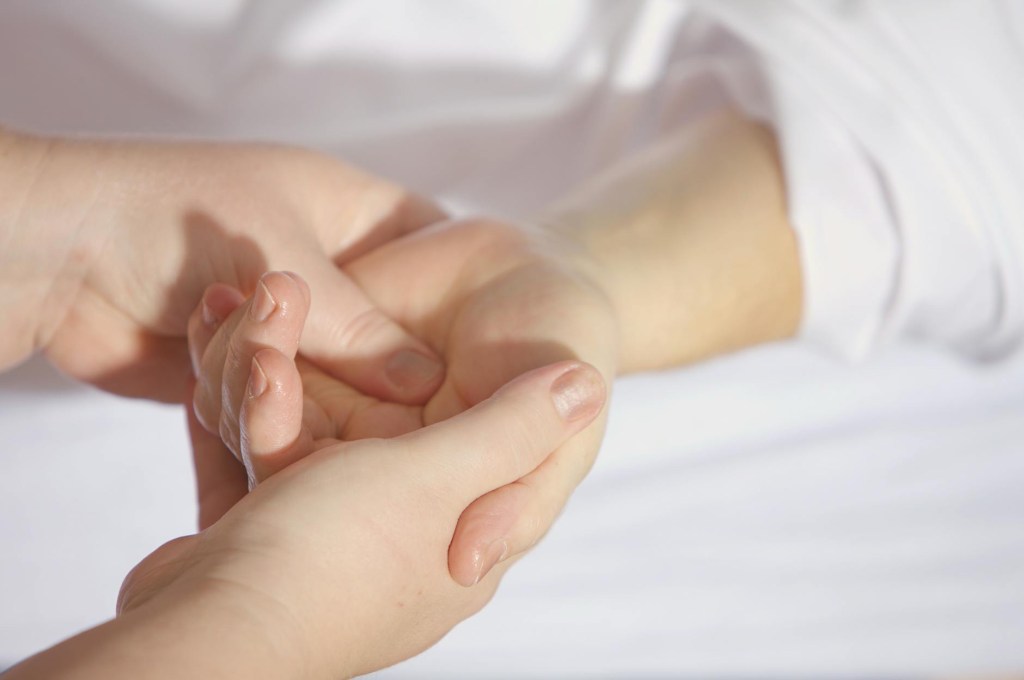
Massage therapy helps guide the body back into a balanced state by activating the parasympathetic nervous system — the “rest and digest” response.
Here’s how:
It slows heart rate and breathing, promoting a sense of calm. It helps lower stress hormones like cortisol while increasing serotonin and dopamine — the feel-good neurotransmitters. It interrupts pain signals and reduces sensitivity in overactive nerves. It enhances body awareness and balance (known as proprioception). It supports better sleep, digestion, and immune response by encouraging overall regulation.
In short, massage helps your body remember what it feels like to relax.
Why It’s Important to Share Nervous System Conditions
Your nervous system affects every aspect of how you respond to touch. If you have a neurological condition, nerve damage, or symptoms like tingling, numbness, or muscle spasms, your massage therapist needs to know.
Sharing this information allows your therapist to adjust pressure, positioning, and techniques to ensure your comfort and safety — and to help your session be as effective as possible.
Common Nervous System Conditions and Massage Considerations
Below are just a few examples of conditions where massage therapists adapt their approach:
Multiple Sclerosis (MS): Gentle, slower-paced techniques help reduce spasticity and fatigue. Overheating is avoided, as heat can worsen symptoms.
Peripheral Neuropathy: Areas with numbness or tingling are treated with light touch or avoided entirely. The focus shifts to circulation, relaxation, and comfort.
Parkinson’s Disease: Rhythmic, soothing strokes help ease tremors and rigidity. Extra care is taken with positioning and transitions for balance and stability.
Stroke Recovery: With medical clearance, massage may support circulation and sensory awareness. Pressure remains very light, and care is taken not to overstimulate the nervous system.
Fibromyalgia or Chronic Fatigue Syndrome: Gentle, nurturing techniques are used to calm the nervous system, rather than deep or vigorous work that can trigger flares.
Ehlers-Danlos Syndrome (EDS) or Dysautonomia (POTS): Clients are supported with slow, grounding work. Sudden movements or positional changes are avoided to prevent dizziness or joint strain.
Nerve Entrapment (e.g., Sciatica, Thoracic Outlet Syndrome): The goal is to release surrounding tension and improve circulation without direct compression over the affected nerves.
Supporting Nervous System Health Beyond Massage
Regular massage is one of the best ways to nurture your nervous system, but it’s only part of the picture. Deep breathing, adequate rest, hydration, gentle stretching, and mindful stillness all contribute to balance.
Your nervous system thrives on consistency and care — and massage can be one of the simplest, most enjoyable ways to restore harmony from the inside out.
⚠️ Disclaimer
The information provided in this article is for educational purposes only and should not be interpreted as medical advice. Massage therapists do not diagnose or treat medical conditions. Always consult with your healthcare provider before receiving massage therapy if you have a diagnosed nervous system disorder or other health concerns.
If you’d like to discuss how massage can support your nervous system health, I’d love to have that conversation. Together, we can tailor each session to meet your body’s unique needs.
By Jennifer Richards 2025
Disclaimer: The information in this article is for educational purposes only and is not a substitute for professional medical advice, diagnosis, or treatment. Always consult a qualified healthcare provider about any medical condition or before beginning new treatments. Massage therapists do not diagnose, prescribe, or cure disease. Our role is to support wellness within the scope of practice defined by law.
Understanding the Endocrine System
The endocrine system is your body’s network of hormone-producing glands. These chemical messengers regulate everything from metabolism to mood. Key players include:
Pituitary gland – “Master gland,” controls many others. Thyroid and parathyroid glands – regulate metabolism and calcium balance. Adrenal glands – manage stress response and energy. Pancreas – produces insulin and regulates blood sugar. Ovaries and testes – reproductive hormones. Pineal gland – regulates sleep cycles.
Because hormones influence so many body systems, imbalance or disease here often shows up in surprising ways.
Common Endocrine Pathologies Massage Therapists Encounter
Clients may live with conditions such as:
Diabetes (Type 1 and Type 2) Thyroid disorders (hypothyroidism, hyperthyroidism, Hashimoto’s, Graves’ disease) Adrenal fatigue / Addison’s disease / Cushing’s syndrome Polycystic Ovary Syndrome (PCOS) Menopause or perimenopause changes Hormone-related mood disorders
Why You Should Tell Your Massage Therapist
Massage interacts with circulation, metabolism, and stress response—all connected to the endocrine system. By sharing your endocrine health, you allow your therapist to:
Avoid harm – For example, uncontrolled diabetes requires extra care with circulation and sensation. Modify techniques – Clients with thyroid issues may fatigue quickly and benefit from shorter, gentler sessions. Respect medications – Corticosteroids, thyroid medication, or insulin may affect tissue health, bruising, or blood sugar. Support balance – Massage promotes parasympathetic activation, which can help the body regulate stress hormones like cortisol.
What Massage Can and Cannot Do
Massage Can:
Reduce stress, which helps regulate cortisol and adrenaline levels. Improve sleep, which supports hormone regulation. Relieve muscle tension, which can worsen with hormonal changes. Support circulation, helpful in diabetes and thyroid conditions.
Massage Cannot:
Balance or replace hormones. Cure thyroid disease, diabetes, or adrenal conditions. Replace medications or medical treatment.
How Therapists Modify Sessions
Depending on your health and feedback, a massage therapist might:
Check blood sugar stability and circulation for diabetic clients. Use lighter pressure if tissue fragility is an issue (from long-term steroid use, for example). Adapt session length or intensity if fatigue is present. Avoid areas of injection sites, insulin pumps, or medical devices. Support relaxation and sleep regulation through calming techniques.
Your Role in the Session
Help your massage therapist support you by:
Sharing any endocrine diagnoses, medications, or recent changes. Letting them know if you feel dizzy, overheated, or fatigued during the session. Eating before your massage if you’re diabetic, to prevent blood sugar drops. Communicating openly—our goal is to work with your body’s needs.
Closing Thoughts
The endocrine system regulates nearly every process in your body. Massage therapy cannot alter hormones directly, but it can reduce stress, improve sleep, and ease discomfort, all of which indirectly support hormone balance. Clear communication with your therapist helps ensure your massage is safe, comfortable, and beneficial.
By Jennifer Richards 2025
Disclaimer: The information in this article is for educational purposes only and is not a substitute for professional medical advice, diagnosis, or treatment. Always consult with a qualified healthcare provider about any medical condition or before starting new treatments. Massage therapists do not diagnose, prescribe, or cure illness. Our role is to support wellness within the scope of practice defined by law.
Understanding the Digestive System
The digestive system is more than just your stomach—it’s an intricate network that includes:
Mouth and esophagus – where digestion begins. Stomach – breaks down food with acids and enzymes. Small intestine – absorbs most nutrients. Large intestine (colon) – absorbs water and forms waste. Accessory organs (liver, gallbladder, pancreas) – produce enzymes, bile, and other secretions that support digestion.
This system is closely tied to the nervous system (think “gut-brain connection”), the immune system, and even your stress response.
Common Digestive Pathologies Massage Therapists Encounter
Massage therapists often see clients managing:
Irritable Bowel Syndrome (IBS) Ulcerative colitis / Crohn’s disease (Inflammatory Bowel Disease) Acid reflux / GERD Gallstones or liver conditions Constipation or diarrhea Post-surgical changes (colectomy, ostomy, hernia repair, etc.) Food sensitivities or intolerances
Some conditions are stable and well-managed, while others may be acute or unpredictable.
Why You Should Tell Your Massage Therapist
Massage is not just “muscles”—your internal systems influence how safe and effective your session can be. By sharing your digestive health:
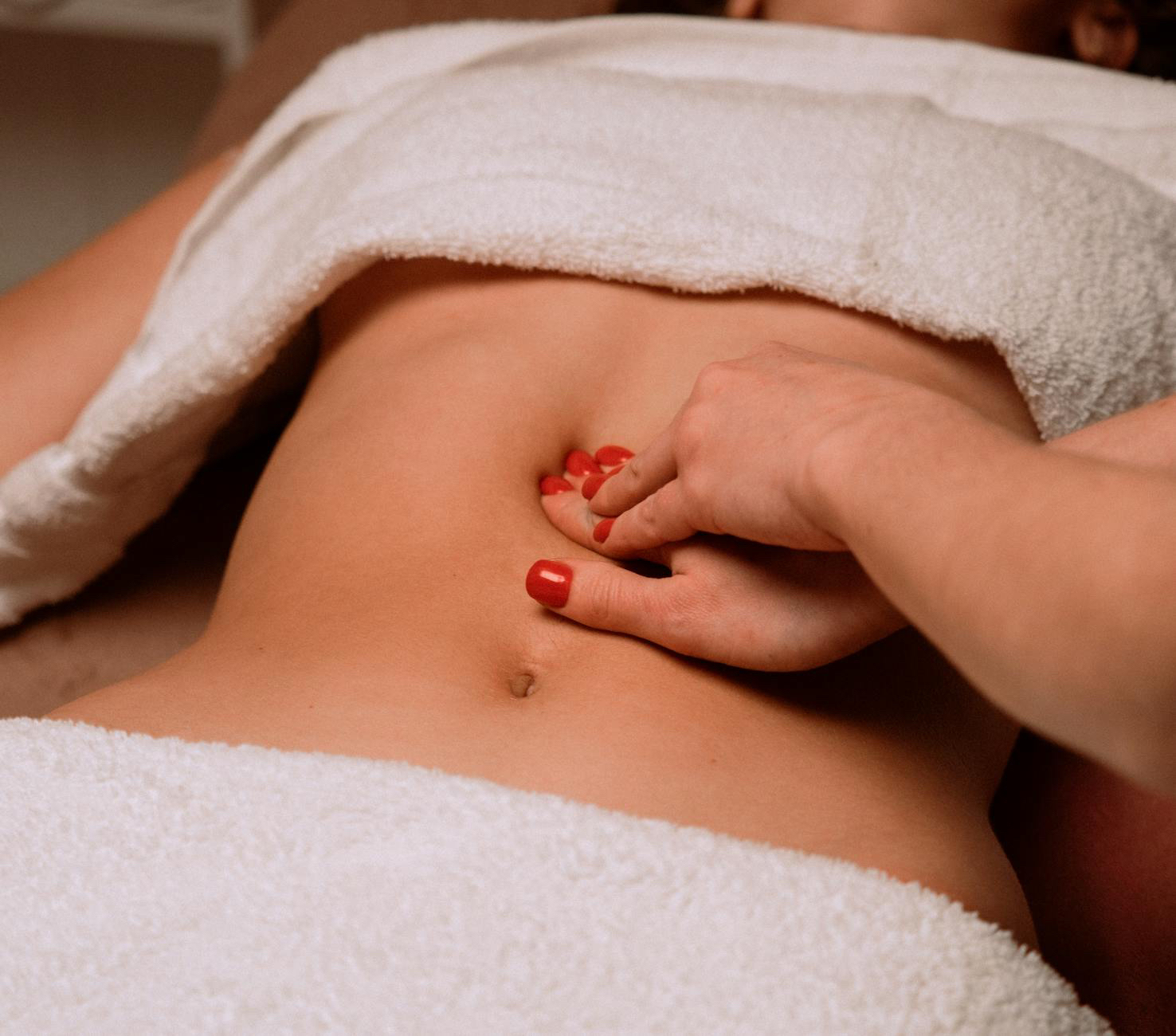
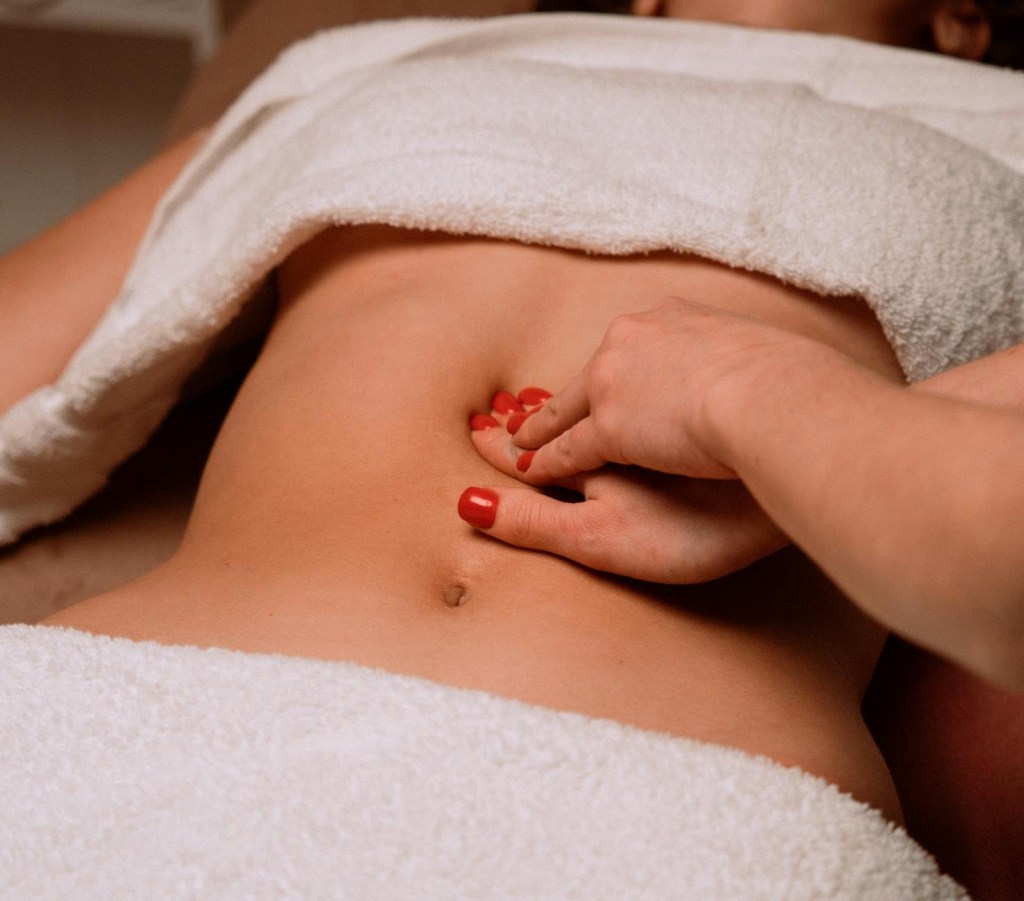
We avoid harm – For example, deep abdominal massage is contraindicated if you have an active ulcer, diverticulitis flare, recent abdominal surgery, or unexplained abdominal pain. We adapt positioning – Acid reflux, hiatal hernia, or pregnancy may mean reclining at a slight angle instead of lying flat. We choose techniques carefully – Gentle abdominal massage may help with constipation, while vigorous pressure in the wrong place could worsen discomfort. We support relaxation – Since stress impacts digestion, massage that calms the nervous system indirectly helps your gut function better.
What Massage Can and Cannot Do
Massage Can:
Help reduce stress, which in turn may reduce IBS flare-ups. Improve circulation and lymph flow to support overall wellness. Ease muscle tension from chronic pain, posture, or guarding around the abdomen. Promote relaxation, which sometimes improves digestion indirectly.
Massage Cannot:
Cure digestive disorders. Replace medical treatment. Directly fix structural or biochemical issues like ulcers, Crohn’s disease, or liver disease.
How Therapists Modify Sessions
Depending on what you share, a massage therapist might:
Avoid direct abdominal work if unsafe. Use gentle abdominal massage only with client consent and when appropriate. Focus on the back, diaphragm, and hip flexors to ease tension affecting digestion. Support parasympathetic activation (“rest and digest”) through relaxation techniques. Offer positioning changes (side-lying, propped up) for comfort.
Your Role in the Session
Your massage is most effective when you:
Share any digestive diagnoses or current flare-ups. Let your therapist know if pressure or positioning is uncomfortable. Stay hydrated and avoid heavy meals right before your session. Keep open communication—your therapist’s goal is to help, not judge.
Closing Thoughts
The digestive system is deeply connected to stress and overall well-being. While massage cannot treat medical conditions, it can be an excellent supportive therapy—especially when your therapist knows what your body is going through. Honest communication keeps you safe, comfortable, and better able to enjoy the benefits of your session.
By Jennifer Richards
When most people think of massage, they picture a relaxing spa environment, soothing music, and gentle pressure that helps melt stress away. While this type of massage is wonderful for calming the nervous system, there is a very different type of massage that goes beyond relaxation: medical massage.
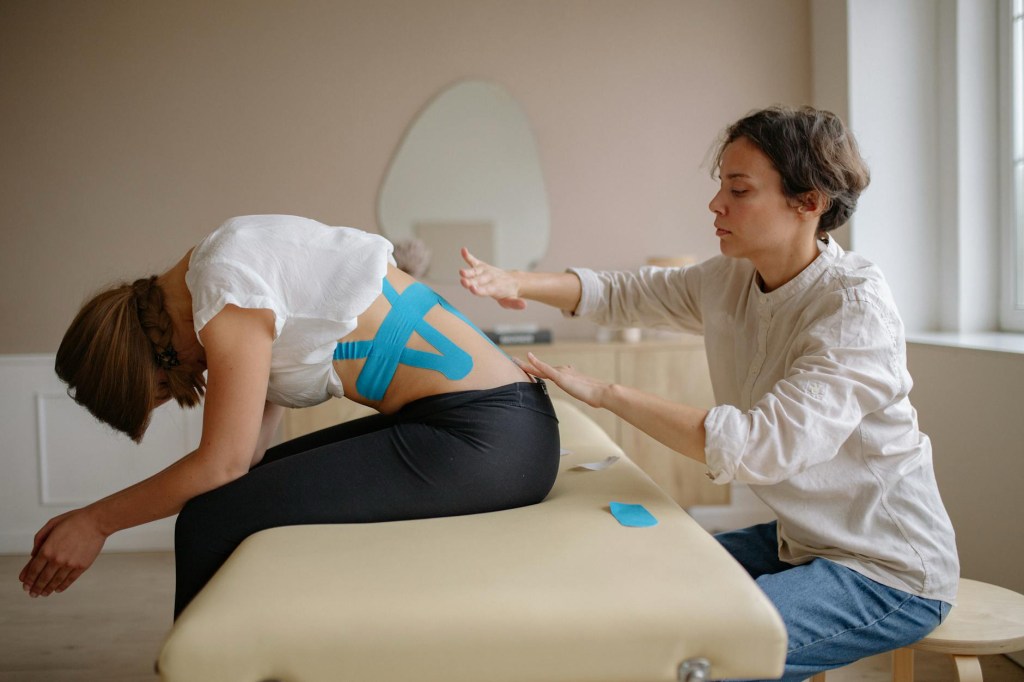
What is Medical Massage?
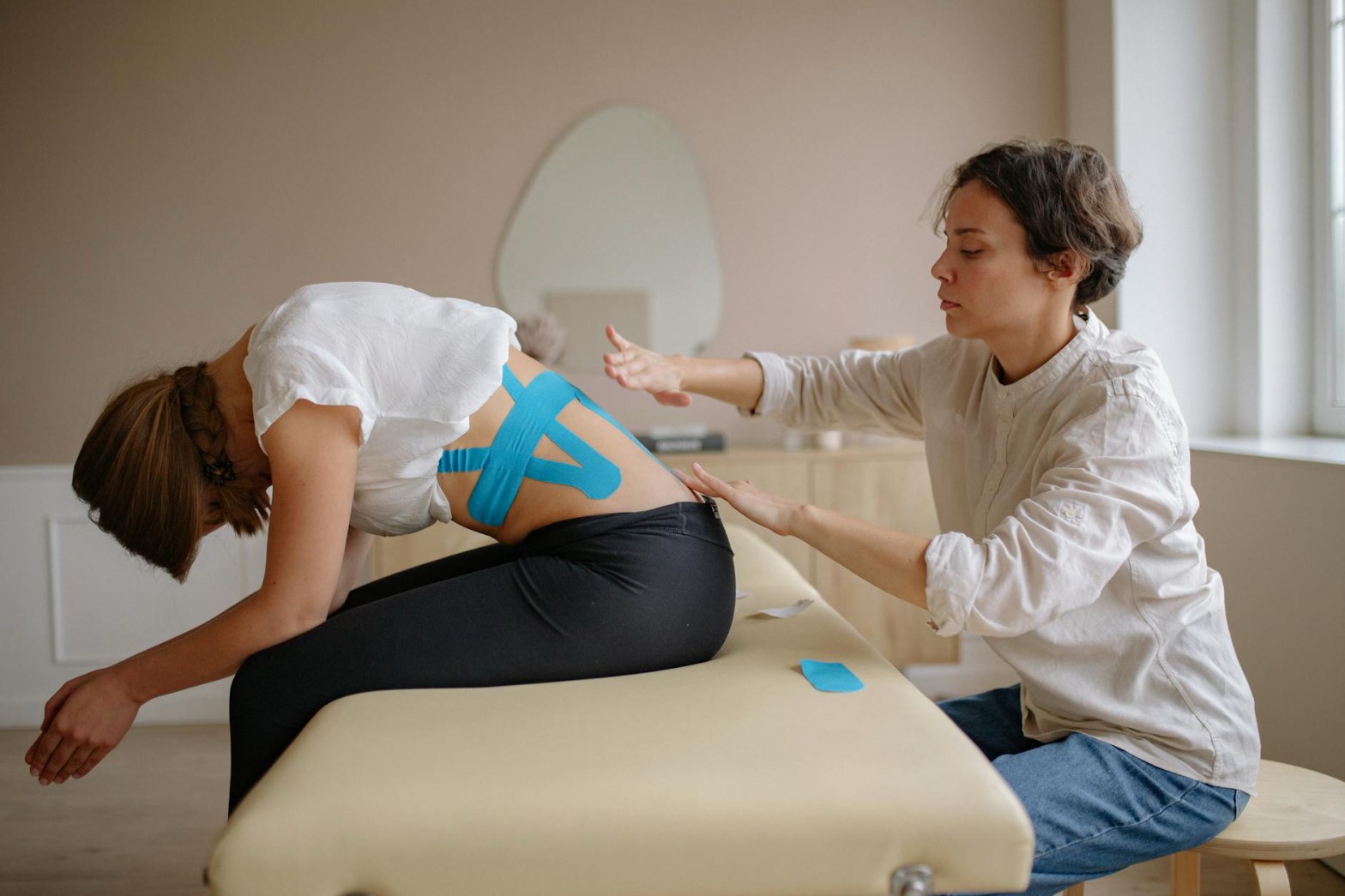
Medical massage is a targeted, therapeutic approach designed to address specific health conditions, injuries, or chronic pain. It isn’t a single “style” of massage, but rather the application of various techniques based on a client’s medical needs. This might include:
Trigger point therapy for muscle knots and referred pain
Myofascial release to ease tension in connective tissue
Neuromuscular therapy to address postural imbalances or nerve compression
Lymphatic drainage to reduce swelling and improve immune function
Unlike a general relaxation massage, medical massage sessions are often goal-oriented. The therapist works closely with you (and sometimes your healthcare providers) to create a plan that supports recovery, pain management, and overall function.
How Do You Find a Skilled Medical Massage Therapist?
Finding the right massage therapist takes a bit of research, but the effort pays off. Here’s what to look for:
Training and Credentials – Ask if the therapist has advanced certifications or continuing education in medical massage, orthopedic massage, or specialized modalities related to your condition.
Experience – A skilled therapist should have hands-on experience working with clients who have similar conditions to yours. Don’t be afraid to ask about their background.
Collaboration – Medical massage therapists often work in tandem with doctors, physical therapists, or chiropractors. A therapist who is comfortable communicating with your healthcare team is a good sign.
Assessment Skills – Before laying hands on you, a qualified therapist should ask questions, observe your posture, and listen carefully to your concerns. Each session should be tailored—not a one-size-fits-all approach.
Client-Centered Approach – The best therapists create a safe space where you feel heard, respected, and supported in your healing process.
How Much Experience Should They Have?
While every therapist has to start somewhere, medical massage requires more than just basic training. Ideally, you want someone who:
Has at least 2–3 years of hands-on practice as a licensed massage therapist (LMT).
Has taken continuing education in modalities such as medical/orthopedic massage, myofascial release, lymphatic drainage, or neuromuscular therapy.
Can share examples of working with clients who have conditions similar to yours.
That doesn’t mean newer therapists can’t be excellent—but experience gives a therapist the ability to quickly recognize patterns in the body, adapt techniques, and know when to refer you to another healthcare professional.
Why Choose Medical Massage?
Choosing a massage therapist skilled in medical massage can be life-changing if you’re dealing with:
Chronic pain (such as fibromyalgia, arthritis, or Ehlers-Danlos Syndrome)
Injury recovery (sprains, strains, or post-surgical support with physician approval)
Postural issues from sitting, standing, or repetitive movements
Stress that is manifesting in the body as tension, migraines, or digestive problems
In short, while a relaxation massage is wonderful for the soul, a medical massage can be just as nourishing while also helping restore your body’s ability to function at its best.
Disclaimer
This article is for informational and educational purposes only and is not a substitute for professional medical advice, diagnosis, or treatment. Always seek the guidance of a qualified healthcare provider with any questions you may have regarding a medical condition.
💬 If you’re curious about whether medical massage could help you, I’d love to hear your story. Feel free to share your questions or experiences in the comments or reach out directly—sometimes a simple conversation is the first step toward relief.
By Jennifer Richards 2025
By now, you’ve explored a range of bodywork traditions from Asia—each one rooted in the belief that the body holds wisdom, and that healing comes through movement, stillness, energy, and intention.
If you’ve read my previous articles on cupping, gua sha, Tui Na, and Jin Qi, you already know there’s more to massage than Swedish or deep tissue. But the world of Asian bodywork goes even deeper. These lesser-known (but highly effective) modalities may not be as mainstream, but they deserve a place in any wellness seeker’s toolkit.
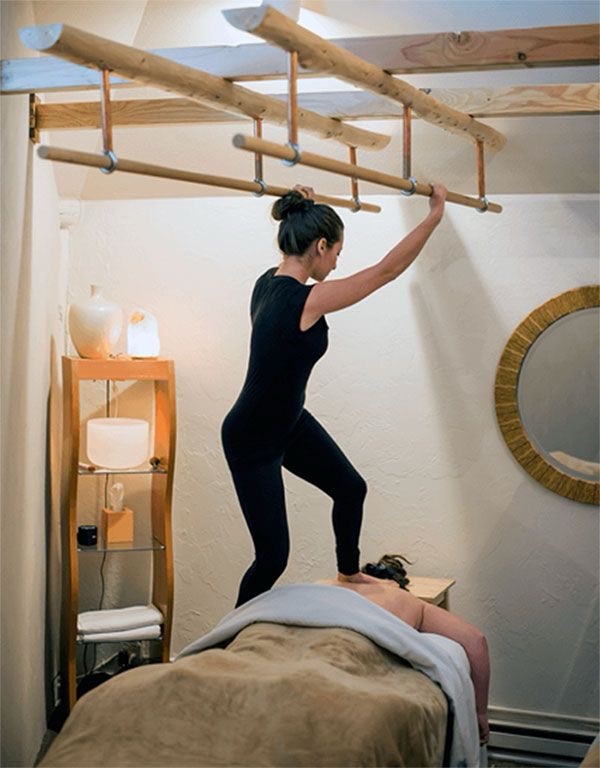
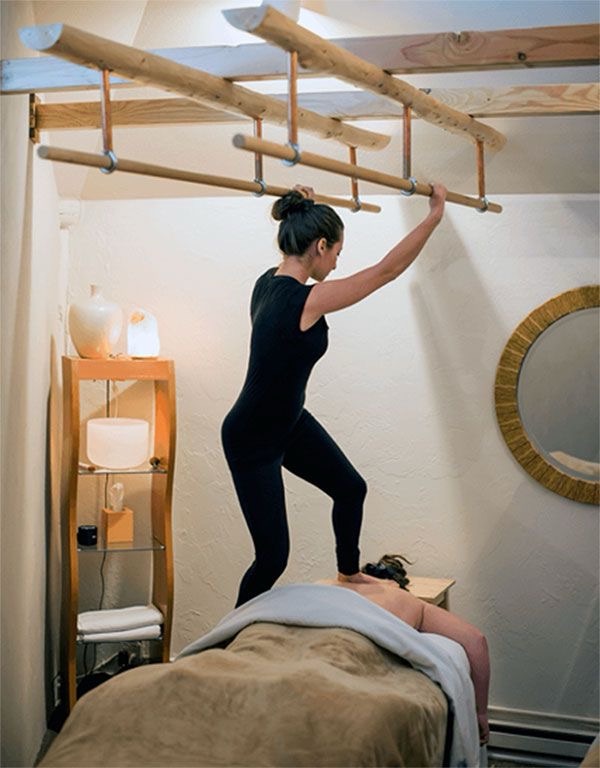
👣 Ashiatsu: Deep Tissue from the Heavens (and Feet)
Origin: Japan, later modernized in the West What it is: “Ashi” means foot, and “atsu” means pressure. Ashiatsu is a form of deep tissue massage where the practitioner uses their feet—not hands—to deliver long, gliding strokes and deep, broad pressure.
The therapist supports themselves using bars on the ceiling while applying weight with their feet, allowing for:
Smooth, compressive pressure Little to no discomfort (thanks to broader surface area) Ideal for large muscle groups like back, hips, and legs
Best for: Clients who love deep work, athletes, and those who want effective pressure without the pointy elbows or soreness.
👐 Shiatsu: Japanese Acupressure for Modern Life
Origin: Japan, influenced by Chinese medicine What it is: A fully clothed treatment that uses finger pressure, stretching, and rhythmic sequences to balance Qi (life force) along the meridians (energy channels).
Shiatsu combines diagnostic intuition with deeply grounding touch. Sessions often feel like a combination of massage, acupressure, and assisted yoga.
Best for: Fatigue, anxiety, digestive issues, and restoring emotional equilibrium. Also great if you prefer clothed sessions and structured touch.
⚡ Other Modalities You May Encounter
💡 Jin Shin Jyutsu
Origin: Japan What it is: A light-touch energy modality that uses specific hand placements on energy “locks” to harmonize body, mind, and spirit. Best for: Stress, chronic illness, and those sensitive to touch
🌀 Amma Therapy
Origin: Traditional Chinese Medicine What it is: Combines deep tissue massage, acupressure, and energy balancing Best for: Integrating muscle work with meridian balancing
🔄 Anma
Origin: Ancient Japan What it is: A predecessor to Shiatsu using rhythmic kneading, percussion, and tapping—often seen in martial arts recovery Best for: Tension relief, circulation, and quick recovery
🧭 How to Find a Practitioner
Most of these modalities require specific, often intensive training, so always seek someone with certifications or licensing relevant to your region. Good places to start:
Massage therapy directories (like AMTA or ABMP)
Licensed acupuncturists or TCM practitioners
Yoga or martial arts studios with holistic wellness offerings
Local Asian medicine schools with student clinics
Ask if they’ve trained in these specific styles—many practitioners incorporate elements of them even if they don’t advertise the full system.
🌿 Final Thoughts
Asian bodywork is not one technique—it’s a philosophy of healing rooted in balance, energy, and the wisdom of the body. Whether you’re receiving foot pressure from above in Ashiatsu, gentle palm placements in Jin Shin Jyutsu, or structured pressure in Shiatsu, each modality offers a new pathway back to center.

By Jennifer Richards 2025
If you’ve ever felt like modern wellness is missing something—like it’s just treating symptoms and not the whole person—you’re not alone. In Ayurveda, the ancient medical system of India, health is about balance, rhythm, and nourishment for the body, mind, and spirit.
Ayurvedic massage and yoga are two powerful tools from this system. They aren’t just about relaxing your muscles or improving your flexibility. They’re about reconnecting you with your natural constitution and helping you thrive, not just survive.
🌿 What Are Ayurvedic Massage & Yoga?
👐 Ayurvedic Massage (Abhyanga)
Ayurvedic massage isn’t “deep tissue” or “Swedish.” It’s an oil-rich, flowing treatment customized to your dosha—your unique mind-body type (Vata, Pitta, or Kapha).
Features of Abhyanga:
Warm herbal oils selected for your dosha or imbalance Long, rhythmic strokes to enhance lymphatic flow and calm the nervous system Marma point stimulation (vital energy points, similar to acupressure) Often part of a detox (Panchakarma) or wellness protocol
Other types of Ayurvedic bodywork include:
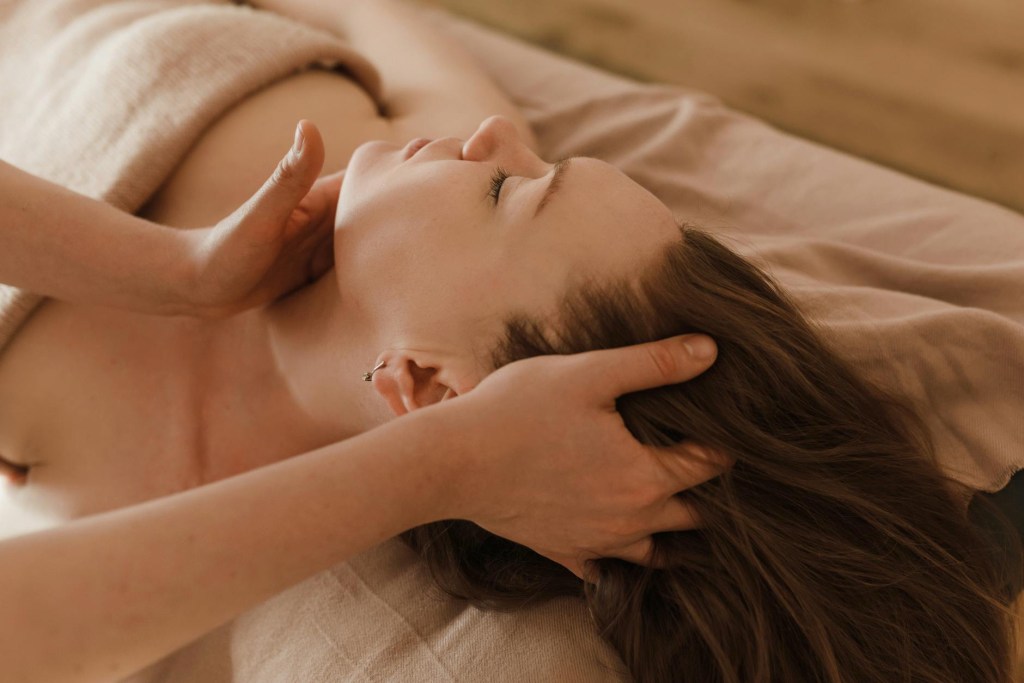
Shirodhara – a stream of warm oil poured on the forehead (deeply calming)
Garshana – dry silk glove massage to stimulate circulation
Pinda Sweda – massage with warm herbal poultices
🧘 Yoga (as part of Ayurveda)
Yoga is more than stretching. In Ayurveda, yoga is prescribed like medicine—specific postures (asanas), breathing (pranayama), and meditation tailored to your dosha.
Vata types need grounding, warming, stabilizing poses Pitta types benefit from cooling, calming, and non-competitive practice Kapha types thrive with energizing, stimulating movement

✨ Benefits of These Practices
✅ Physical
Improves lymphatic flow and immunity Relieves muscle tension without “force” Balances oil production, skin tone, and digestion Supports hormone and nervous system function
✅ Mental/Emotional
Reduces anxiety, anger, and mental fog Enhances sense of groundedness and clarity Calms emotional imbalances based on dosha tendencies
✅ Spiritual & Energetic
Encourages inner awareness and compassion Connects you to your unique nature Clears energetic stagnation and enhances ojas (vitality)
🧭 Where Can I Find It?
You can explore these through:
Ayurvedic spas or wellness centers
Certified Ayurvedic practitioners (look for NAMA or AAPNA accreditation)
Yoga therapists with Ayurvedic training
Some massage therapists trained in Eastern modalities
Yoga studios offering dosha-based classes or Ayurvedic workshops
You can also start at home with self-massage (daily abhyanga), simple dosha quizzes, or guided dosha yoga videos.
🤔 Do I Need It?
Ayurvedic massage or yoga may be right for you if:
You’re overwhelmed, exhausted, or burnt out You want a more nurturing, rhythmic style of bodywork You’re curious about natural, holistic medicine You want to create balance through food, movement, and daily rhythm You’re open to learning your dosha and living more in sync with it
Not ideal if: You want a Western-style massage with deep trigger point work—or prefer fitness-style yoga without the holistic context. But these can complement one another beautifully!
🌸 Final Thoughts
Ayurvedic massage and yoga aren’t just about how you feel on the table or mat. They’re about transforming your relationship with your body—tuning into what it needs, season to season, moment to moment.
This is healing as lifestyle, not just an appointment.
Series Wrap-Up: Ready to explore one of these modalities for yourself? Let’s chat about which one fits your needs—and how to integrate these practices into your healing journey.
By Jennifer Richards 2025
Touch doesn’t always need pressure to be powerful. In fact, some of the deepest healing happens when we go quiet—when we shift from muscle to energy, from doing to being.
Reiki and Polarity Therapy are two gentle, non-invasive practices that work on the body’s subtle energy systems. They aren’t massage in the traditional sense, but they are hands-on modalities that can restore balance, reduce stress, and reconnect you to your inner calm.
If you’ve ever felt “off,” overwhelmed, or energetically drained, these modalities may offer a different kind of reset.
🌿 What Are Reiki and Polarity Therapy?
✋ Reiki (pronounced RAY-kee)
Origin: Japan, early 20th century Meaning: “Rei” = universal, “Ki” = life energy Based on the idea that universal life force flows through us and can be guided for healing
How it works:
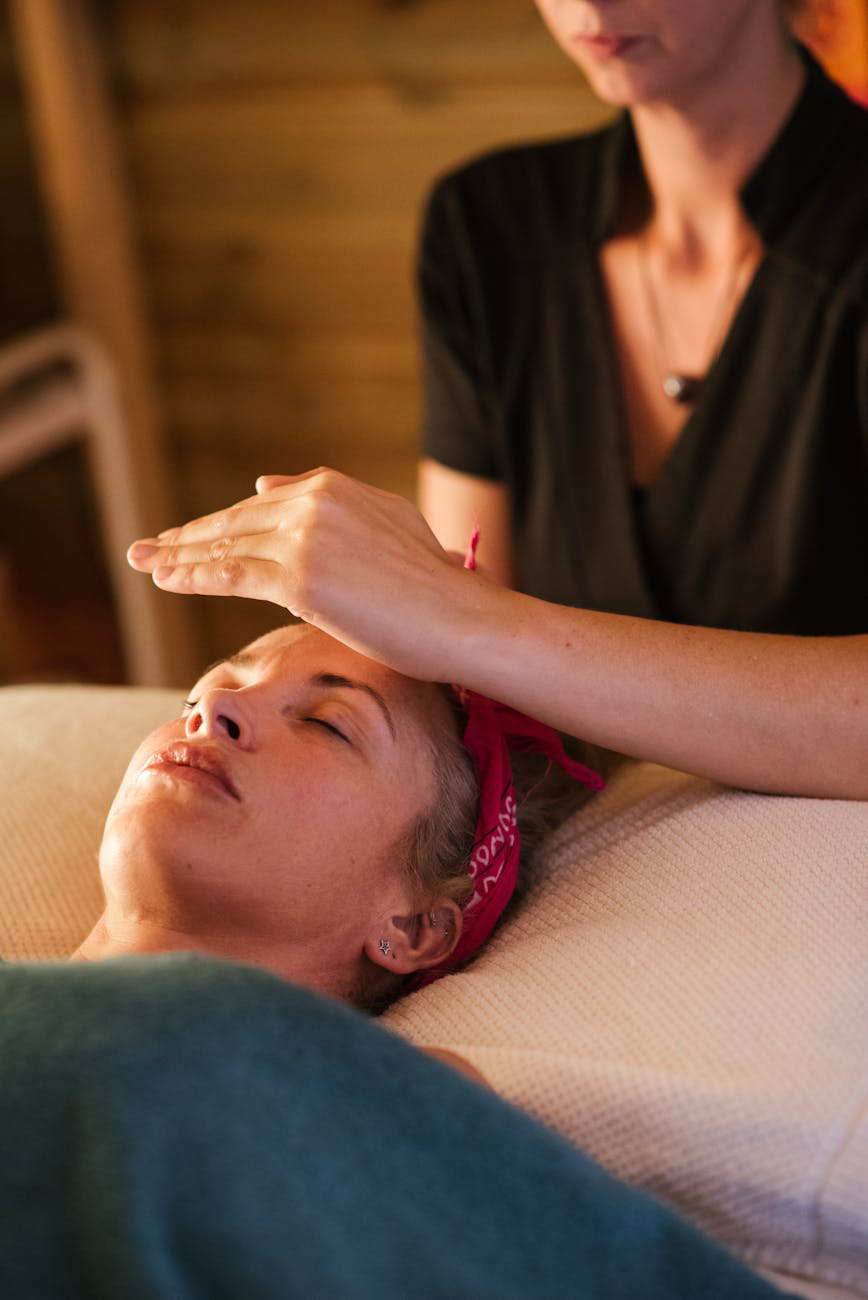
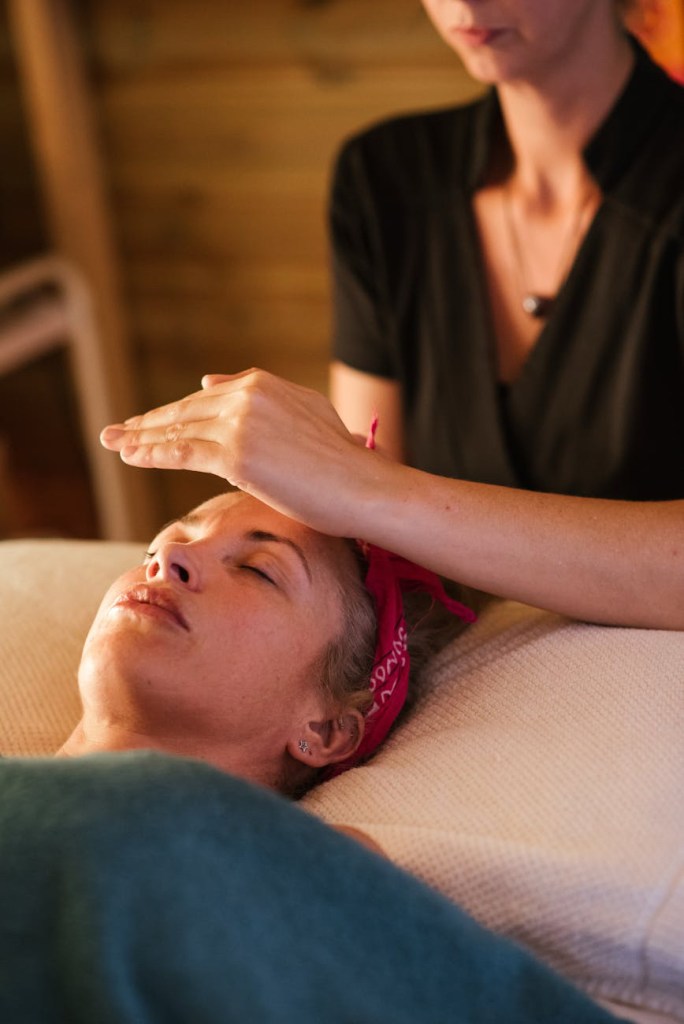
A Reiki practitioner gently places hands on or just above your body in a series of positions. There’s no manipulation—just calm, focused presence. The energy is said to flow where it’s needed, helping release tension and support healing.
🌀 Polarity Therapy
Origin: 20th-century blend of Ayurveda, Chinese medicine, and Western science Based on the principle that positive, negative, and neutral energy currents run through the body, influencing health and mood.
How it works:
A Polarity practitioner uses light touch, energetic awareness, and sometimes stretching or movement to balance energy flows across specific zones (similar to meridians or chakras).
✨ Benefits of Energy Healing Modalities
✅ Physical
Lowers heart rate and blood pressure Eases chronic pain, fatigue, and insomnia Supports immune and nervous system regulation
✅ Emotional & Energetic
Promotes deep relaxation Clears emotional and energetic blocks Supports mental clarity and resilience May help during grief, trauma, or life transitions
✅ Spiritual
Enhances inner peace and mindfulness Helps restore a sense of purpose and connection Encourages trust in the body’s ability to heal
🧭 Where Can I Find Reiki or Polarity Therapy?
You’ll find these services at:
Holistic wellness clinics Massage therapy or acupuncture offices Reiki circles or meditation centers Some yoga studios or metaphysical shops
You can also find distance Reiki offered via Zoom or phone sessions.
🔍 What to Look For:
Reiki practitioners may be certified at levels I, II, or Master Teacher Polarity practitioners often study under a Registered Polarity Educator (RPE) or through APP/CAP programs Ask about their background—many are also licensed massage therapists, nurses, or bodyworkers
🤔 Do I Need It?
Reiki or Polarity Therapy may be perfect if:
You’re emotionally drained or burnt out You’re sensitive to deep pressure massage You’re dealing with chronic illness or trauma You want to explore healing beyond just physical symptoms You want support during a transition (grief, surgery, big life changes)
Not ideal if: You’re looking for structural work like trigger point therapy or specific physical pain relief through manipulation—though these can work well in combination with those.
🌸 Final Thoughts
Reiki and Polarity Therapy remind us that not all healing is loud or linear. Sometimes, it’s the gentle, unseen shifts that ripple through us and create the most change. These practices create space—energetic and emotional—for your body to remember what balance feels like.
Next up in the series: Ayurvedic Massage & Yoga – Indian bodywork and movement to balance your doshas and restore vitality.
By Jennifer Richards 2025
In a world where everything moves fast, Qi Gong and Tai Chi invite us to slow down—not just to rest, but to reconnect. These two practices, rooted in Traditional Chinese Medicine (TCM) and Taoist philosophy, use gentle, intentional movement to harmonize the body, breath, and mind.
They aren’t just “exercise.” They’re healing arts—tools for moving Qi (vital energy), relieving stress, and cultivating deep inner resilience.
If you’re looking for something that’s gentle yet powerful, these ancient practices might be the missing piece in your wellness puzzle.
🌿 What Are Qi Gong and Tai Chi?
💫 Qi Gong (氣功)
“Qi” means energy. “Gong” means work or cultivation.
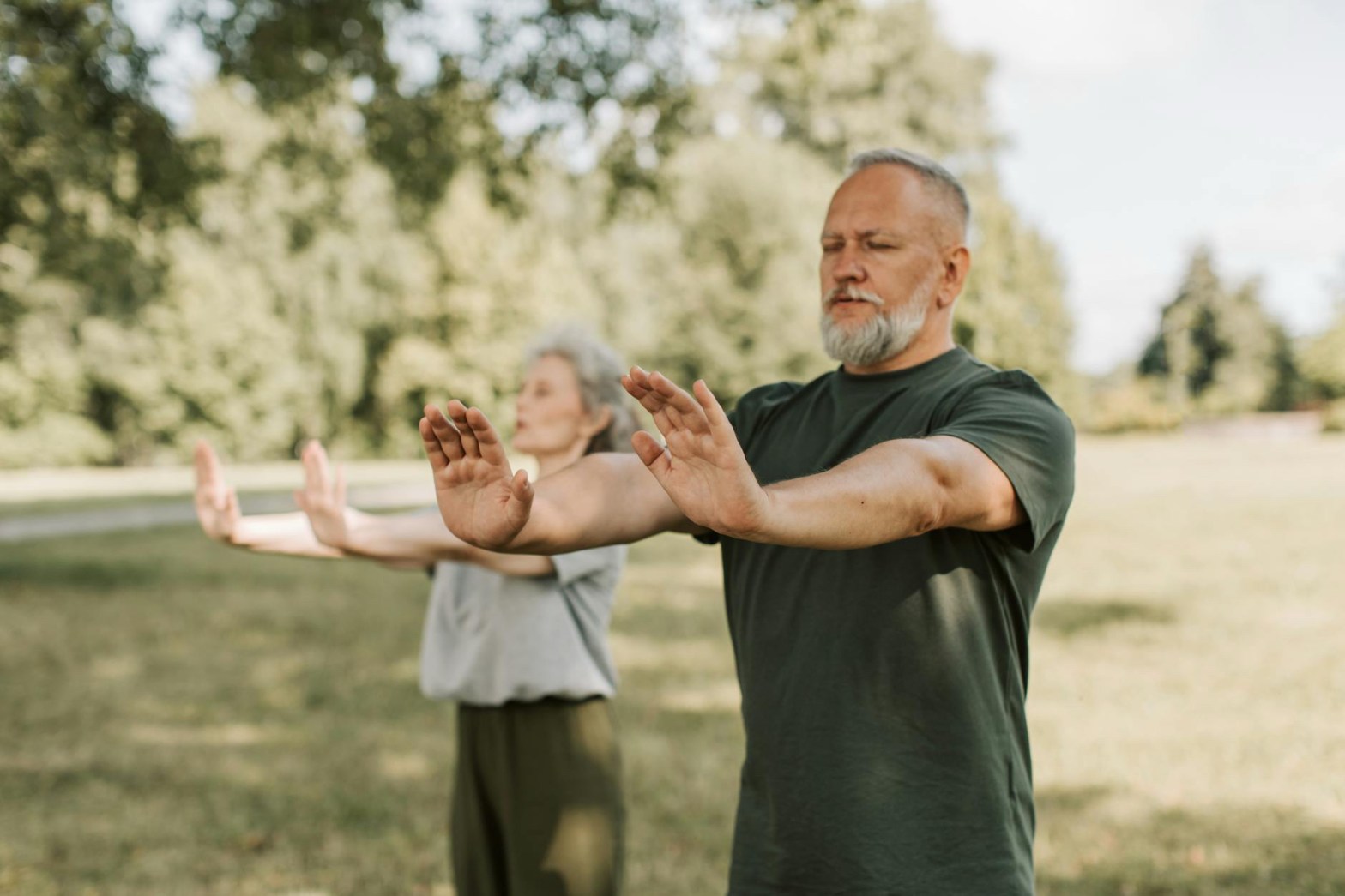
So Qi Gong is the practice of cultivating energy through slow movement, controlled breath, and focused intention.
There are thousands of styles, but most include:
Repetitive movements or postures Breath regulation Visualizations or meditative focus Flowing transitions between forms
Qi Gong is often used in:
Medical settings for pain, cancer recovery, fatigue Martial arts as foundational training Taoist spiritual cultivation
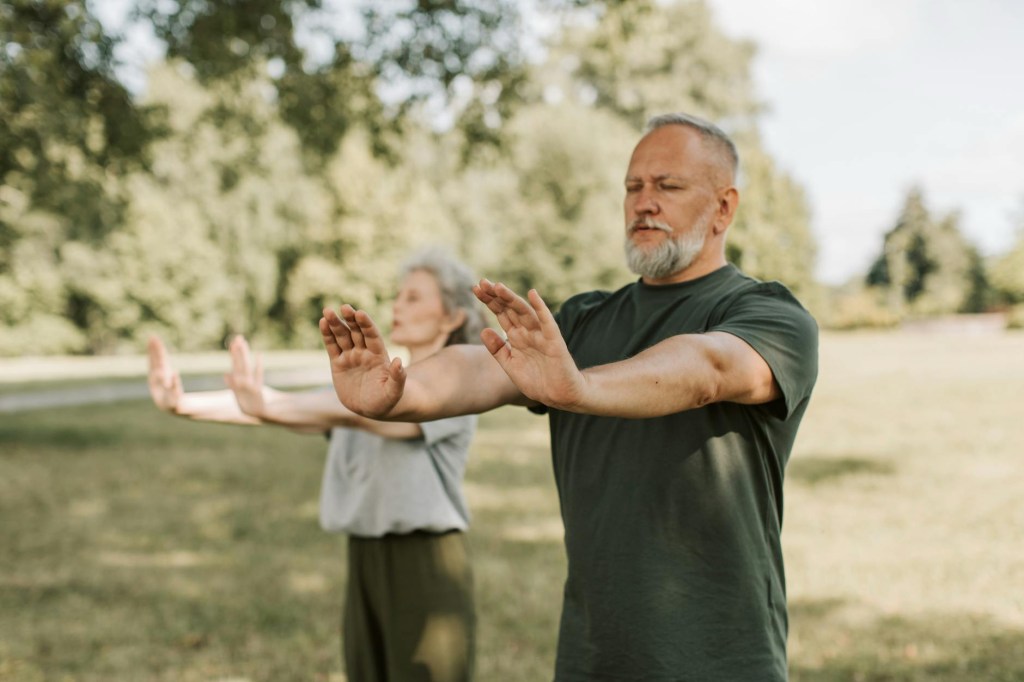
🥋 Tai Chi (太極拳)
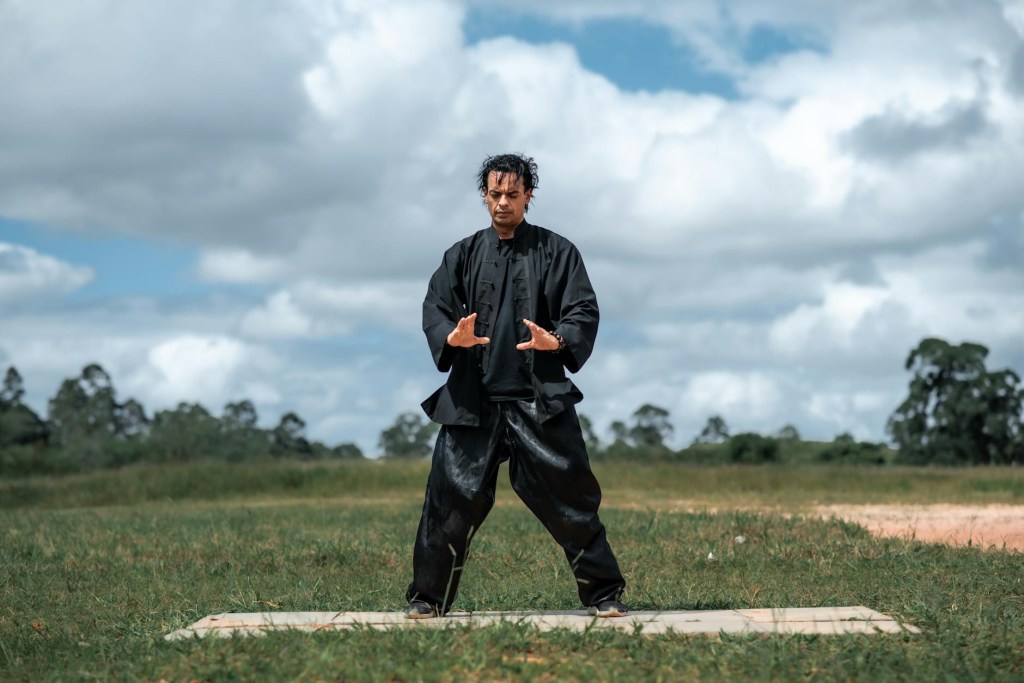
Originally a martial art, Tai Chi is a flowing series of movements done in a set sequence (called a form). It’s sometimes described as “shadowboxing” with grace.” It incorporates all of Qi Gong’s principles—but with structured, defensive movements.
Tai Chi includes:
Standing postures and movement sequences Coordinated breath and motion Strong emphasis on grounding and body awareness
🧠 Benefits of Both Practices
✅ Physical:
Improves balance, posture, coordination Increases flexibility and strength Supports joint health and fall prevention Reduces chronic pain and fatigue
✅ Mental/Emotional:
Calms the nervous system Enhances focus and mental clarity Regulates mood and sleep Increases mind-body connection
✅ Energetic:
Stimulates and balances Qi flow Clears energetic stagnation Supports organ systems (especially lungs, liver, kidneys)
🧭 Where Can I Find It?
You can access Qi Gong and Tai Chi:
At martial arts studios or TCM clinics Through hospital wellness programs (especially for cancer or heart recovery) In community centers, senior centers, or local parks Online (YouTube, courses, Zoom classes) With certified instructors in Eastern medicine or bodywork centers
🔍 Tips for Finding a Class:
Look for certified instructors with training in medical Qi Gong, Yang-style Tai Chi, or Taoist lineage practices Ask if they adapt movements for mobility or chronic illness Try a class that aligns with your goal: relaxation, strength, healing, etc.
🤔 Do I Need It?
These practices may be right for you if:
You’re tired of intense workouts and want something gentler You live with chronic pain, anxiety, or fatigue You feel disconnected from your body or breath You’re recovering from illness or burnout You want to move your Qi but aren’t ready for acupuncture
You don’t need coordination or flexibility to start—you’ll gain those with time.
Not ideal if: You’re looking for a fast-paced cardio or weight-training experience, or you want something hands-on like massage.
🧘♀️ Final Thoughts
Qi Gong and Tai Chi are gifts from a tradition that sees health as flow, not force. Whether you’re dealing with stress, stiffness, or emotional overwhelm, these moving meditations meet you with grace.
Next up in this series: Reiki & Polarity Therapy – Energetic healing through light touch and balance.

 Tranquil Touch Wellness: Jennifer Richards, LMT