The shift from the term “masseuse” to “licensed massage therapist (LMT)” or “certified massage therapist (CMT)” in the United States began in earnest in the 1980s and 1990s, driven by the profession’s efforts to gain legitimacy, standardize education, and distance itself from the sexualized connotations of “masseuse” and “masseur.” In turn, the industry shifted from the term “massage parlor” to “spa” to further separate themselves from the negative connotations.
Timeline & Background:
Pre-1980s: “Masseuse” (female) and “masseur” (male) were the common terms, originating from French. These terms became culturally loaded, especially in the U.S., where they were often associated with illicit or unlicensed activity. 1980s–1990s: Professional organizations like the American Massage Therapy Association (AMTA) and National Certification Board for Therapeutic Massage and Bodywork (NCBTMB) began promoting terms like “massage therapist” and “licensed” or “certified” to emphasize professionalism, ethical standards, and health care alignment. 1992: The NCBTMB was established, offering national certification, which encouraged the use of “certified massage therapist” in states that did not yet have licensure laws. 2000s–present: Most U.S. states adopted licensure for massage therapy, so “Licensed Massage Therapist (LMT)” became the legal and professional standard in most jurisdictions. With a license, you are considered a healthcare professional and need to take continuing education classes to maintain licensure. “Certified Massage Therapist (CMT)” still exists in some states like California, where certification is used in lieu of licensure.
Summary:
The shift away from “masseuse” started in the 1980s and became widespread by the early 2000s. Today, “masseuse” is considered outdated and often inappropriate, while LMT and CMT reflect a respected, regulated profession.
When people think of massage therapy, they often imagine a quiet room, soft music, and soothing scents—and yes, that’s part of it. But for the person giving the massage, it’s a full-body, full-mind effort that takes real energy, training, and endurance.
In fact, 1 hour of massage can feel like 2 hours at a regular job. Why? Because we’re not just rubbing backs—we’re engaging our whole body and mind in a precise, repetitive, and deeply attentive process.
Let’s break it down:
Calories burned per session: On average, a massage therapist burns 200–400 calories per hour, depending on the pressure, pace, and techniques used.
That’s about the same as:
Practicing Tai Chi or slow-flow yoga
Going for a brisk walk
Doing moderate gardening or light construction work
Muscle engagement: Every massage uses our legs, core, shoulders, arms, and hands—not just for applying pressure, but for balance, posture, and long-term injury prevention. We move like dancers, but with resistance training built into every motion.
Mental focus: We’re trained to notice things most people miss—like the subtle shift of a muscle, a change in breath, a twitch or flinch. Each moment requires focus and presence, adjusting pressure, pace, and technique as the body responds.
Emotional holding: Massage releases more than knots. Clients bring in stress, anxiety, grief, pain, or trauma—and we hold space for all of it with calm, compassion, and healthy boundaries. That emotional labor is invisible, but very real.
What does it feel like to give a massage?
“Imagine doing slow, intentional Tai Chi for an hour—while also carrying groceries, listening to someone vent about their bad day, and solving a 3D puzzle with your hands. Then, take a short break… and do it again 4–6 times in a row.”
That’s a day in the life for many massage therapists.
So next time you’re on the table…
Know that we love what we do—but it’s not easy. Massage therapy is physically demanding, emotionally present work. The calm you feel is the result of training, strength, and deep intention.
We’re not just working on your body—we’re working with it.
Long COVID can bring a wide range of lingering symptoms that affect daily life—fatigue, body pain, brain fog, anxiety, sleep disturbances, and more. While there is no single solution, massage therapy may offer gentle, supportive care as part of a broader wellness plan.
Potential Benefits of Massage for Long COVID
Relieving Muscle and Joint Discomfort
Persistent muscle soreness, joint pain, or tension is common among those recovering from COVID-19. Gentle massage techniques like Swedish or myofascial release may help ease this discomfort and promote mobility.
Encouraging Lymph Flow
A sluggish lymphatic system can contribute to fatigue, brain fog, and inflammation. Manual Lymphatic Drainage (MLD) is a light-touch technique that can support detoxification and immune function without overstimulating the body.
Calming the Nervous System
Anxiety, depression, and emotional overwhelm are often part of the Long COVID experience. Massage helps activate the parasympathetic (rest-and-digest) system, encouraging a sense of safety, relaxation, and emotional ease.
Supporting Restorative Sleep
Many clients report improved sleep quality after massage sessions—a key piece of healing for those struggling with insomnia or non-restorative sleep.
Promoting Body Awareness
Long COVID can leave people feeling disconnected from their bodies. Gentle massage helps bring attention to subtle shifts, fostering mindfulness and hope during recovery.
Special Considerations
Start Gently: Pressure and session length should be tailored to your energy levels and symptom sensitivity.
Watch for Post-Exertional Malaise (PEM): Some people experience delayed flares after activity—even massage. Communicate openly about how you feel during and after sessions.
Autonomic Challenges: Conditions like POTS may require extra care with positioning and pacing. Emotional Safety: Touch can stir up unexpected feelings. You are always in control—massage should never feel overwhelming or invasive.
Collaborative Care: Massage is one supportive tool. It works best when integrated with medical guidance, rest, nutrition, and other forms of self-care.
Recommended Techniques
Manual Lymphatic Drainage (MLD)
Craniosacral Therapy
Gentle Swedish Massage
Myofascial Release
Reiki or Energy Work
Reflexology
Disclaimer:
This information is for educational purposes only and is not intended to diagnose, treat, or replace medical care. Always consult with your healthcare provider before beginning any new bodywork or wellness practice—especially if you are living with Long COVID or any complex condition. If you have questions or need support finding a safe approach to massage, I’m here to help.
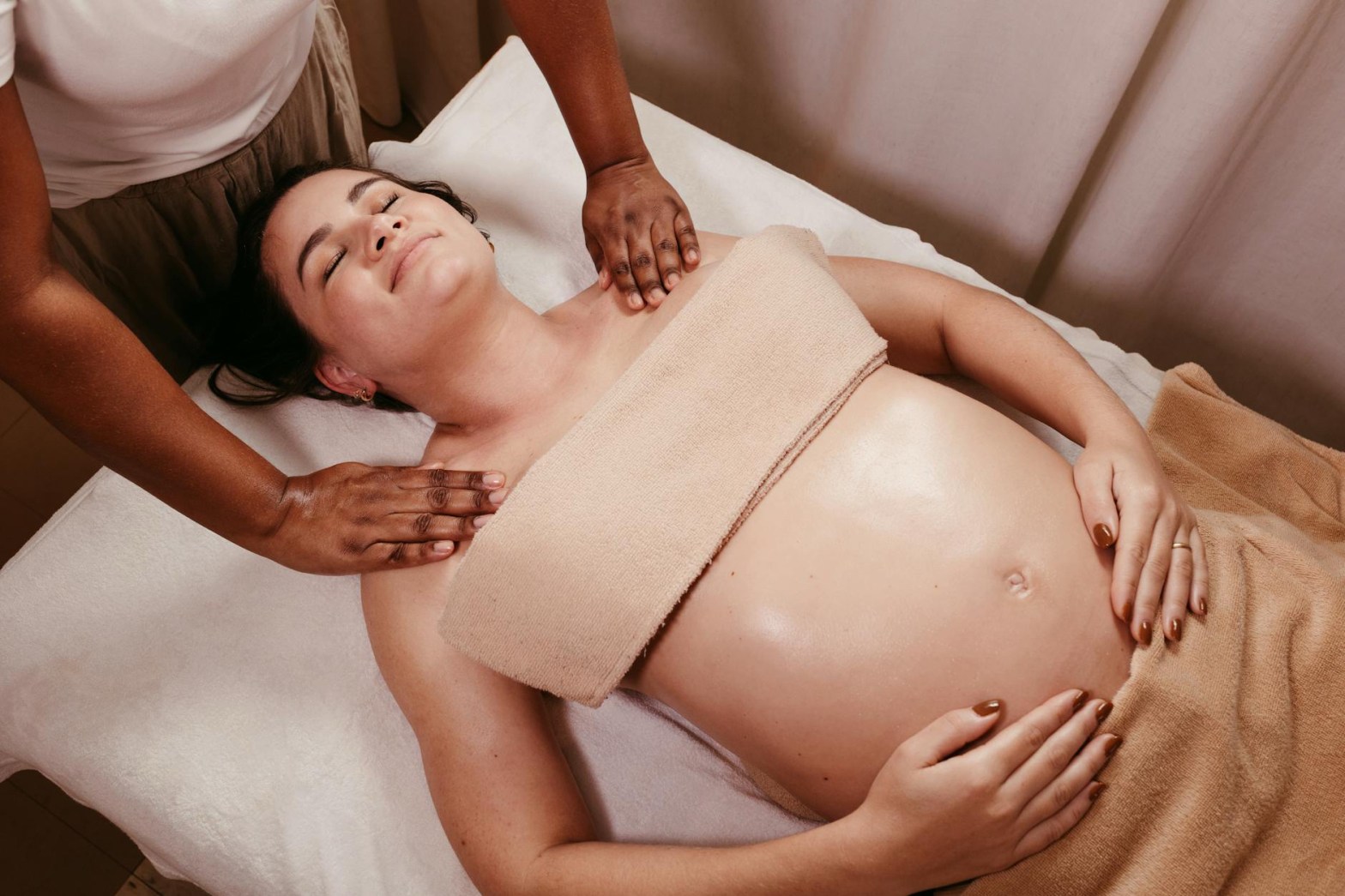
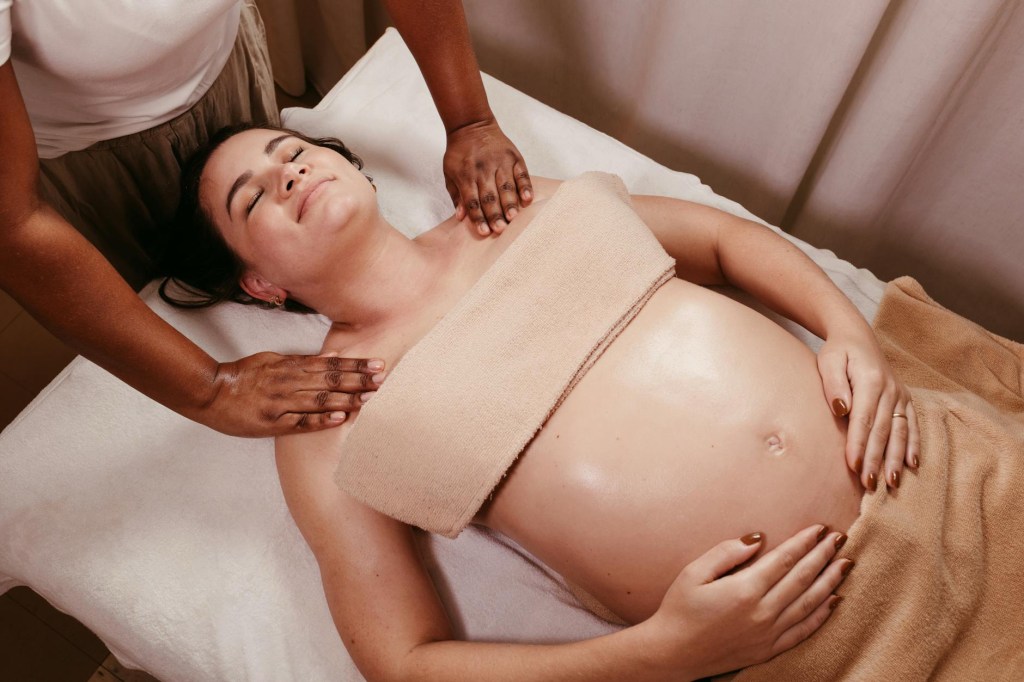
Prenatal massage is a specialized form of therapeutic bodywork tailored to support the changing needs of pregnant individuals. It helps relieve common pregnancy discomforts like back pain, hip tension, swelling, and fatigue, while also promoting relaxation, circulation, and overall well-being.
Who Should Perform a Prenatal Massage—and Why
Only a licensed massage therapist (LMT) with specific training in prenatal massage should provide this service. Pregnancy brings unique physiological changes that require knowledgeable, safe positioning and pressure techniques. A trained professional understands how to adapt each session depending on the stage of pregnancy and individual needs.
How Important is Doctor Approval?
It’s best to get your doctor’s (or midwife’s) OK before booking a prenatal massage—especially in high-risk pregnancies or if you have underlying medical conditions. Some practices or therapists may require a written release depending on how far along you are or if there are any complications. Your provider can help determine whether massage is a safe option for you.
What Does the Massage Therapist Need to Know?
To provide a safe and effective massage, your therapist needs to know:
How far along you are Any complications or risk factors (e.g., preeclampsia, placenta previa, gestational diabetes) If you’re carrying multiples Your comfort level and preferences Doctor or midwife recommendations Any current discomforts or symptoms
How Can the Therapist Help During Your Journey?
Prenatal massage can:
Ease muscle tension and joint pain Reduce stress, anxiety, and insomnia Improve circulation and reduce swelling Support posture changes as your body adapts Help prepare you mentally and physically for labor Offer a calm, nurturing space for relaxation and body awareness
Massage Positions During Pregnancy
After the first trimester, lying flat on your back can reduce circulation to both you and your baby. That’s why prenatal massage typically uses side-lying or semi-reclined positions supported by pillows or bolsters to ensure safety and comfort. A trained therapist knows how to adjust your position to relieve pressure on sensitive areas and keep you fully supported.
When Massage May Not Be Appropriate
While prenatal massage is generally safe, there are times it may need to be postponed or avoided. These include:
Signs of preterm labor or bleeding Severe swelling, especially in the face or hands High blood pressure or preeclampsia Deep vein thrombosis (DVT) or unexplained leg pain Recent trauma or illness Placenta previa (in later pregnancy) In these cases, massage could aggravate symptoms or mask a serious issue. Always inform your therapist of any new developments.
Why It’s Crucial to Share Health Changes During Pregnancy
Pregnancy can shift quickly—what was safe and comfortable one week may not be the next. Be sure to notify your massage therapist about:
Changes in fetal movement New pain, discomfort, or swelling Dizziness or headaches Spotting or unusual discharge Recent medical visits or diagnoses
Your therapist will adjust their techniques and may even refer you back to your provider if needed. Clear communication helps ensure both safety and effectiveness.
Disclaimer:
This content is for educational purposes only and should not be used as a substitute for medical advice, diagnosis, or treatment. Always consult with your doctor, midwife, or healthcare provider before receiving prenatal massage. Licensed massage therapists are not medical professionals and cannot diagnose medical conditions or provide treatment for complications. If you have concerns about your pregnancy or experience any unusual symptoms, seek medical attention promptly.
When you’re navigating the world of cancer treatment—whether you’re newly diagnosed, in the thick of treatment, or adjusting to life afterward—your body and mind go through a lot. Oncology massage offers a way to bring comfort, calm, and connection back into the body during a time when everything can feel uncertain or out of your control.
What Is Oncology Massage?
Oncology massage is a specialized approach to bodywork that’s designed specifically for people living with cancer or with a history of cancer. It isn’t about deep pressure or fixing muscle knots—it’s about safe, compassionate touch that supports the whole person.
Every aspect of an oncology massage is adapted to meet your unique needs: the pressure, the position, the length of the session, even the products used. Therapists trained in oncology massage understand how cancer and its treatments affect the body. They know how to work around ports, lymphedema risk areas, surgical scars, bone fragility, and more.
The goal isn’t to treat cancer—it’s to support the person living with it.
Why Would Someone Want an Oncology Massage?
Cancer treatment can take a toll—not just physically, but emotionally and spiritually too. People often seek out oncology massage to help manage side effects like:
Pain or stiffness Fatigue Anxiety or depression Nausea Neuropathy Sleep disturbances
But beyond symptom relief, massage offers something else that’s hard to quantify: comfort. Safe, nurturing touch can help you feel grounded and more at home in your body, even when that body is going through profound changes. It can be a space where you’re not a patient or a diagnosis—just a person receiving care.
Who Should Perform It?
Oncology massage should only be performed by a licensed massage therapist with specific training in oncology massage. These professionals understand:
The biology of cancer and how treatment affects the body How to modify massage techniques for safety and comfort When massage is safe—and when it isn’t How to communicate with healthcare teams if needed
Always ask about a therapist’s training before booking a session. Programs like those offered by Tracy Walton & Associates, Healwell, or other S4OM-recognized providers are excellent benchmarks.
What Are the Benefits?
The benefits of oncology massage are broad and deeply personal. While every body responds differently, common outcomes include:
Physical
Reduced pain and muscle tension Improved sleep quality Less nausea and constipation Better range of motion
Emotional
Decreased anxiety and emotional overwhelm A sense of peace and presence Feeling cared for and seen
Energetic
A renewed sense of wholeness Reconnection with the body Grounding during a chaotic time
Are There Times When It’s Not Safe?
There are some situations where massage may need to be delayed or modified. These include:
Active blood clots Fever or infection Certain stages of chemotherapy or radiation Recent surgery or open wounds
A properly trained oncology massage therapist will always conduct a thorough intake and may request medical clearance when appropriate. Safety always comes first.
In Closing
Oncology massage is not about fixing anything. It’s about offering compassionate care in a way that honors where you are in your journey. Sometimes, the lightest touch can bring the deepest relief.
Whether you’re seeking support during treatment, recovering from surgery, or simply looking to reconnect with your body, oncology massage can be a powerful ally in your care plan.
You deserve to feel comforted. You deserve to feel supported. You deserve care that meets you exactly where you are.
Disclaimer
This post is intended for educational and informational purposes only. It is not a substitute for medical advice, diagnosis, or treatment. Always consult your healthcare provider before beginning any new therapy, including massage. If you are undergoing cancer treatment or have a history of cancer, be sure to work with a licensed massage therapist who has completed specialized training in oncology massage.
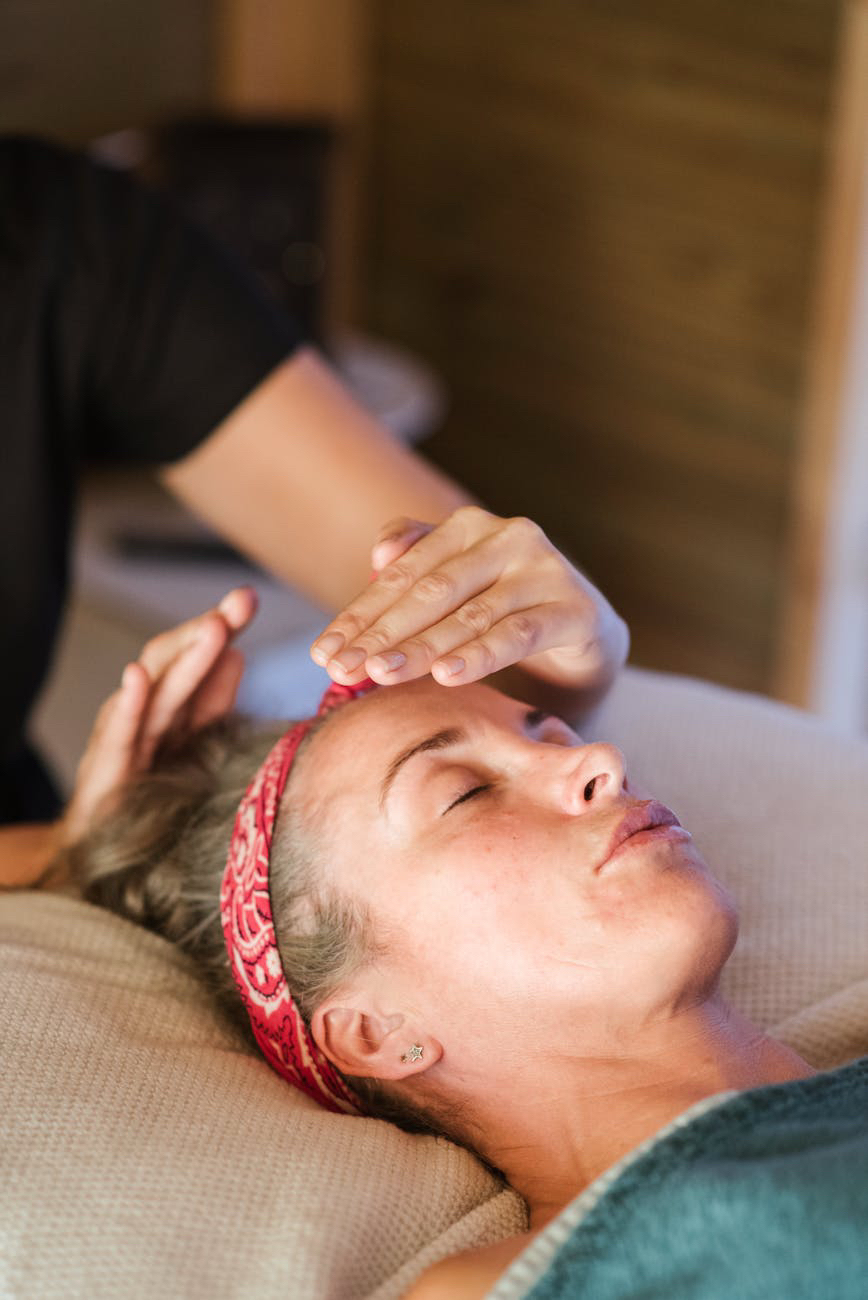
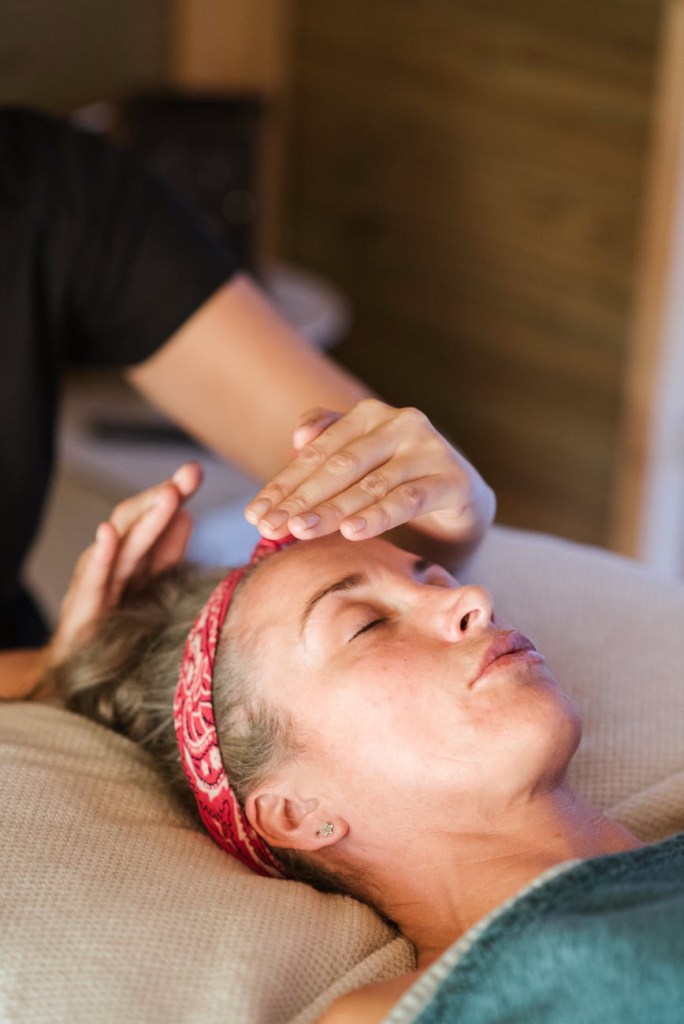
Reiki is a Japanese energy healing technique that promotes relaxation, stress reduction, and overall well-being. The word “Reiki” comes from Rei (universal) and Ki (life energy). Practitioners channel this universal life force energy through their hands to help balance the recipient’s energy. It’s typically performed with the client fully clothed, lying on a massage table or seated in a chair.
What Reiki Is Not
Reiki is not a religion, massage, or a replacement for medical treatment. It’s also not about diagnosing or curing disease. There are no manipulations of muscles or joints, and practitioners do not control or direct the client’s energy—Reiki is believed to flow where it’s needed.
What Reiki Can Do
Promote deep relaxation Help reduce stress and anxiety Support emotional healing Encourage better sleep Complement traditional medical or therapeutic treatments Provide a sense of spiritual or energetic renewal.
What Reiki Doesn’t Do
It doesn’t cure diseases or replace medical care It doesn’t guarantee specific outcomes It doesn’t require belief to “work,” but being open can enhance the experience It doesn’t interfere with other modalities—in fact, it often pairs well with them
Does Reiki Work?
Many people report feeling calmer, lighter, or more balanced after Reiki. Scientific studies are limited but growing—some suggest benefits in pain management, stress reduction, and emotional regulation. Like many holistic practices, its effectiveness can be subjective and depends on the individual’s receptivity and goals.
How Does It Work?
The mechanism behind Reiki isn’t fully understood from a scientific standpoint. It’s often explained through the lens of energy fields, subtle bodies, and vibrational frequency. From a practical standpoint, even if you view Reiki as a deeply intentional and quiet space for rest, that alone has value.
Other Energy Healing Modalities
Reflexology: Focuses on pressure points in the feet, hands, or ears to affect the whole body’s energy. Therapeutic Touch: A nurse-developed modality that involves moving hands just above the body to balance energy. Healing Touch: A heart-centered energy therapy used in clinical and hospital settings. Qi Gong: A Chinese system of movement, breathing, and meditation to cultivate and balance life energy. Crystal Healing: Uses the energetic properties of crystals to influence the body’s energy field. Polarity Therapy: Combines touch, movement, and awareness to align energy flow. Reconnection or Reconnective Healing: A newer modality focused on accessing a broader spectrum of energy frequencies.
What Else Should You Know?
Reiki can be used on people, animals, and even plants. Sessions can be done in person or from a distance. Many people incorporate Reiki into self-care or spiritual practice. It’s gentle, non-invasive, and doesn’t require disrobing. Some massage therapists (like me!) incorporate Reiki into bodywork if the client is open to it.
Disclaimer:
This blog is for educational and informational purposes only. Reiki is not a substitute for medical advice, diagnosis, or treatment. Always consult with a qualified healthcare provider about any health concerns or medical conditions. Reiki can be a supportive complement, but it is not a cure.
Curious or Have Questions?
I’d love to hear your thoughts or experiences with Reiki. Whether you’re skeptical, curious, or already a believer, let’s talk. Holistic wellness is about exploration, and every journey is personal.
Many people seek massage therapy for relaxation, stress relief, or pain management. Yet, something interesting happens when they step into the quiet, safe space of a massage room—instead of unwinding, their mind starts racing. Some clients begin reliving their stresses, talking through their struggles as if they’re in a therapy session. While verbalizing emotions can be cathartic, constantly replaying stress keeps the nervous system in a heightened state, preventing true relaxation.
Massage is more than just bodywork—it’s an opportunity to be present, let go, and allow healing to happen. This is where mindfulness comes in.
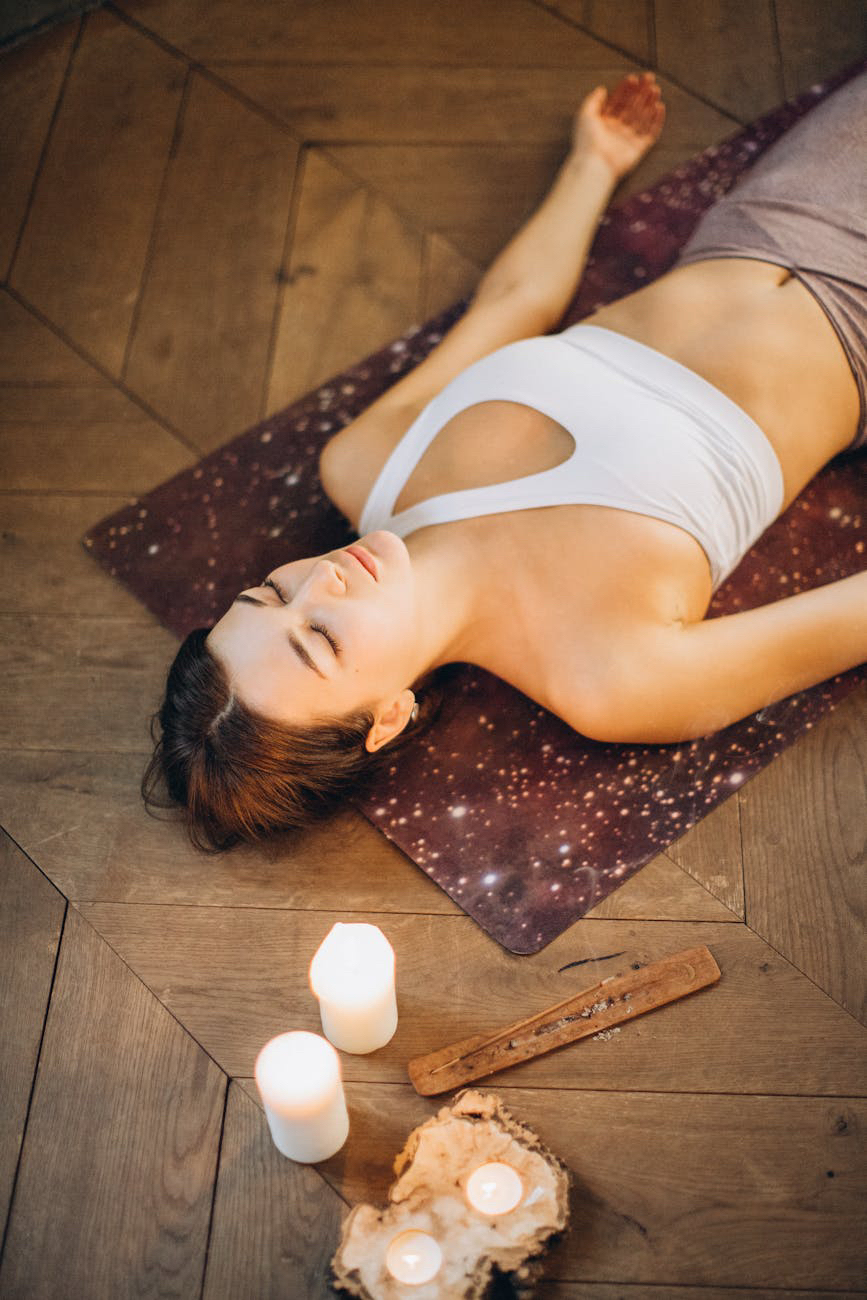
Mindfulness is the practice of staying present and fully engaged in the moment without judgment. It allows you to shift from thinking and analyzing to simply being. In massage, this means experiencing each sensation, breath, and movement rather than getting caught up in mental distractions.
As your therapist, I want to be a safe space for whatever you need—whether that’s quiet, release, or reflection. But I am not a counselor. My role is to support you as part of your healing journey, helping you reconnect with your body in a way that promotes both physical and emotional well-being.
What Is Mindfulness?
Mindfulness is a centuries-old practice rooted in Buddhist meditation, but you don’t need to meditate to experience its benefits. At its core, mindfulness is about:
• Awareness – Noticing your thoughts, emotions, and body sensations.
• Presence – Focusing on what’s happening now rather than the past or future.
• Acceptance – Observing without judgment, just allowing things to be.
Applying mindfulness to massage means fully experiencing the session rather than using it as a space to relive stress.
Why Do People Need Mindfulness?
In today’s world, we are constantly stimulated—notifications, emails, news, endless to-do lists. Our minds rarely get a break. When we finally pause, our thoughts often fill the silence, making it hard to truly relax.
Mindfulness helps because it:
✅ Reduces stress by calming the nervous system.
✅ Eases chronic pain by shifting focus from discomfort to awareness.
✅ Enhances relaxation by allowing the body to fully let go.
✅ Encourages emotional release without overanalyzing or suppressing feelings.
Massage + Mindfulness = A powerful tool for deep healing.
When Relaxation Turns Into Reliving Stress
Many clients come in expecting relaxation but find themselves talking through stress, analyzing problems, or replaying their day. This is completely normal—when we finally stop moving, our brain often catches up with everything we’ve been suppressing.
But if the goal is deep relaxation, this is the perfect time to shift into mindfulness. Instead of letting the mind take over, massage can become a space to simply be.
Here’s how mindfulness can transform your session:
• Instead of thinking and talking, focus on feeling and experiencing.
• Instead of reliving stress, use this time to let go.
• Instead of holding tension in the body, allow it to soften and release.
You don’t need to do anything—just allow the session to be a space for stillness, awareness, and healing.
Grounding Techniques to Stay Present During Massage
If you find your mind wandering or feel the urge to talk through stress, try these mindfulness techniques:
1. Breath Awareness
• Take slow, deep breaths—inhale through the nose, exhale through the mouth.
• Focus on the feeling of air moving in and out of your body.
• If thoughts arise, acknowledge them and gently return to your breath.
2. Body Scan
• Bring awareness to each part of your body, from your feet to your head.
• Notice the sensations—warmth, tingling, pressure, relaxation.
• Pay attention to how your muscles respond to touch.
3. The Five Senses Check-In
• Mentally name:
• 1 thing you hear (soft music, therapist’s hands moving).
• 1 thing you feel (warm oil, firm pressure).
• 1 thing you smell (essential oils, fresh linens).
• 1 thing you see (even with eyes closed, notice the darkness behind your eyelids).
• 1 thing you taste (perhaps a lingering hint of tea or mint).
• This anchors you in the present moment.
4. Mantra or Intention Setting
• Before your session, set an intention, such as:
• “I allow myself to relax and receive.”
• “I am safe, supported, and at ease.”
• If your mind starts to wander, gently repeat your mantra internally.
5. Visualizing Stress Leaving the Body
• Imagine tightness melting away with each exhale.
• Picture stress draining out through your feet, leaving you lighter.
• With each massage stroke, visualize your muscles softening.
Holding Space Without Counseling
As a massage therapist, my role is to hold space for your healing—not to give advice, analyze emotions, or act as a counselor. That said, if you need to release emotions, this is a safe space to do so.
Massage can stir up stored emotions, as the body holds tension from past experiences. Whether it’s sadness, relief, or unexpected tears, there is no need to apologize or suppress what comes up. Just allow it to move through you, knowing that you are supported.
If you ever feel overwhelmed, returning to breath awareness or body scanning can help you stay grounded.
Further Resources for Mindfulness Practice
Recommended Reading
1. The Miracle of Mindfulness – Thich Nhat Hanh
2. Wherever You Go, There You Are – Jon Kabat-Zinn
3. Radical Acceptance – Tara Brach
4. The Body Keeps the Score – Bessel van der Kolk
5. The Untethered Soul – Michael A. Singer
Mindfulness & Mental Wellness Podcasts
1. The Mindful Minute – Meryl Arnett
2. Untangle – Muse & Meditation Studio
3. Ten Percent Happier – Dan Harris
4. On Being – Krista Tippett
5. Tara Brach Podcast – Tara Brach
Hobbies That Promote Mindfulness & Presence
• Journaling – Writing down reflections, gratitude lists, or thoughts.
• Walking in Nature – Mindful walking, paying attention to surroundings.
• Yoga or Tai Chi – Movement-based mindfulness.
• Cooking – Focusing on textures, aromas, and flavors.
• Gardening – Cultivating patience and connection with nature.
• Painting, Drawing, or Crafting – Creative flow as meditation.
• Listening to Music Mindfully – Fully immersing in sounds and emotions.
Bringing Mindfulness Beyond the Table
Your massage is more than just a treatment—it’s an opportunity to pause, reconnect, and recharge. The more present you are, the deeper the benefits.
Before Your Next Session, Consider This:
• Will you allow yourself to fully relax?
• Can you let go of the need to talk through stress and just be?
• What grounding techniques can you try during your massage?
I’d love to hear from you—Have you ever noticed a difference when you focus on being present during a massage? What mindfulness techniques work for you? Feel free to share your thoughts, and let’s continue this journey of healing together.
Final Thought
Massage isn’t just about relieving muscle tension—it’s about creating space for stillness, breath, and awareness. By incorporating mindfulness, you can transform your session from a simple treatment into a deeply restorative experience.
If you’ve ever experienced persistent muscle knots, tightness, or referred pain that just won’t go away, Trigger Point Therapy (TPT) might be the solution you need. This highly targeted massage technique focuses on releasing trigger points—hyperirritable spots in muscle tissue that can cause pain, stiffness, and even discomfort in other areas of the body.
In this post, we’ll cover:
✔ What trigger points are and why they form
✔ Who can benefit from Trigger Point Therapy
✔ How this technique works
✔ What to expect during and after a session
✔ Self-care tips to extend the benefits
Let’s dive in!
What Are Trigger Points?
Trigger points are small, hypercontracted knots within a muscle that can develop from:
• Overuse or repetitive motion
• Poor posture
• Injury or trauma
• Emotional stress and tension
• Nutritional imbalances or dehydration
These points restrict blood flow, limit movement, and can cause pain locally or refer pain elsewhere in the body. For example, a trigger point in your upper trapezius (shoulder area) might cause headaches or pain down your arm.
Who Can Benefit from Trigger Point Therapy?
TPT is highly effective for individuals dealing with:
✔ Chronic pain (neck, shoulders, back, hips, or legs)
✔ Athletes & active individuals recovering from muscle fatigue
✔ People with fibromyalgia or myofascial pain syndrome
By releasing trigger points, muscle function improves, pain decreases, and range of motion is restored.
How Does Trigger Point Therapy Work?
Unlike a relaxation massage, Trigger Point Therapy is precise and targeted. Here’s how it works:
1. Identification: Your therapist locates trigger points by feeling for tight bands of muscle that are tender when pressed.
2. Pressure Application: Sustained pressure is applied directly to the trigger point using the therapist’s fingers, knuckles, or elbows.
3. Release & Reset: This pressure causes the muscle fibers to release and reset, allowing blood flow to return and healing to begin.
4. Stretching & Movement: Gentle stretching or movement may be used to further relax the muscle and prevent the trigger point from reforming.
What to Expect During & After a Session
During the Massage:
✔ You may feel temporary discomfort or a “good hurt” as pressure is applied.
✔ Some trigger points refer pain to other areas, which is completely normal.
✔ Your therapist may ask for feedback to adjust pressure as needed.
After the Massage:
✔ You may feel immediate relief or mild soreness for 24–48 hours (similar to post-workout soreness).
✔ Drinking plenty of water helps flush out metabolic waste released from the muscles.
✔ Light stretching and movement help prevent the trigger points from returning.
Self-Care to Prolong the Benefits
To maintain the effects of TPT, consider these self-care strategies:
✔ Use a lacrosse ball or foam roller to apply gentle pressure to trigger points at home.
✔ Stretch daily to keep muscles flexible and prevent tightness.
✔ Stay hydrated to support muscle function and recovery.
✔ Maintain good posture to reduce unnecessary strain.
✔ Incorporate movement breaks if you have a sedentary job.
Final Thoughts
Trigger Point Therapy is a powerful tool for pain relief and muscle function. Whether you’re dealing with chronic tension, postural issues, or sports-related tightness, this technique can help restore comfort and mobility.
Let’s Continue the Conversation
Have you tried Trigger Point Therapy before? What was your experience? Share in the comments or reach out to schedule a session!
Disclaimer
This article is for educational purposes only and is not a substitute for professional medical advice. If you’re experiencing persistent pain, consult with a healthcare provider.
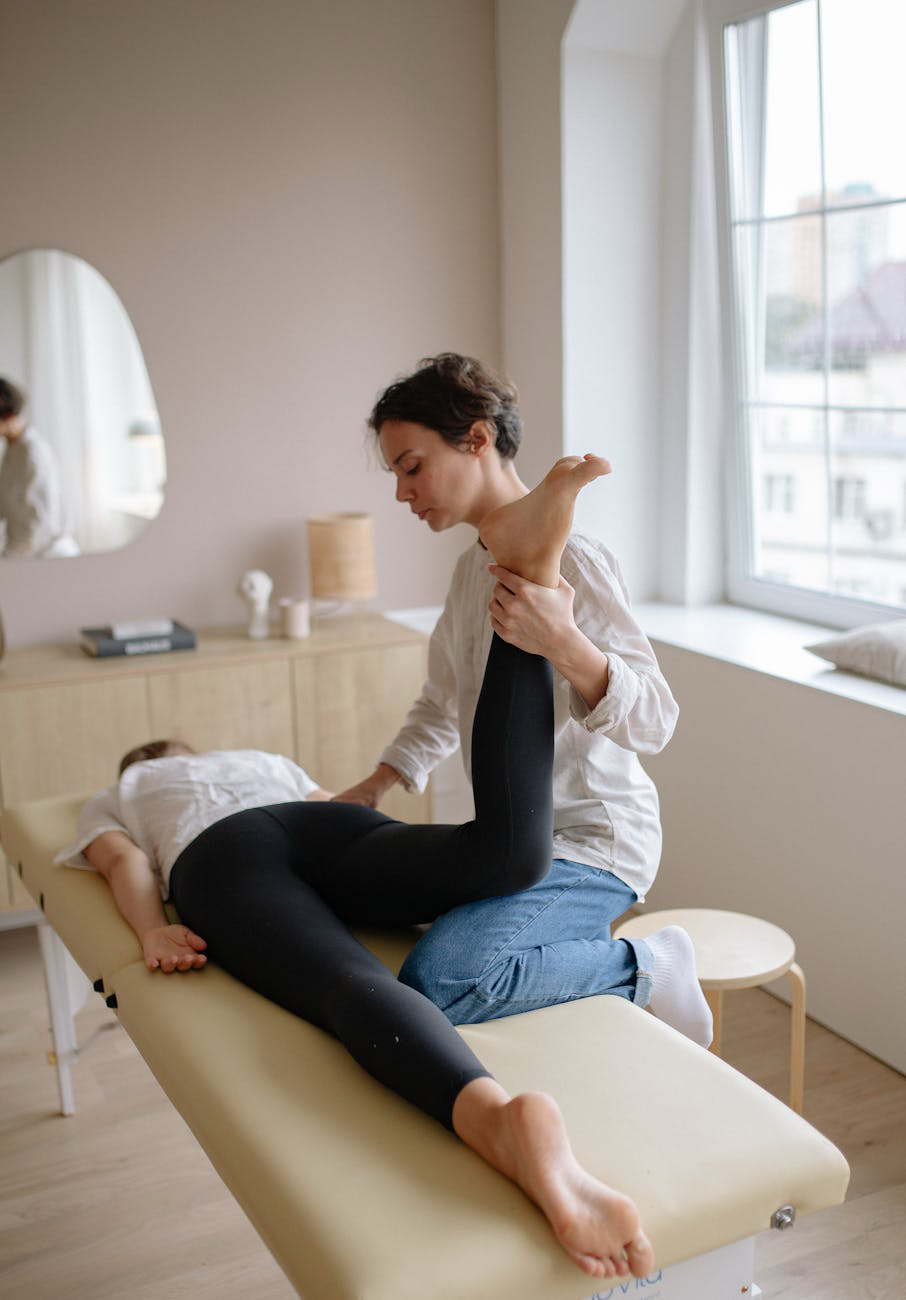
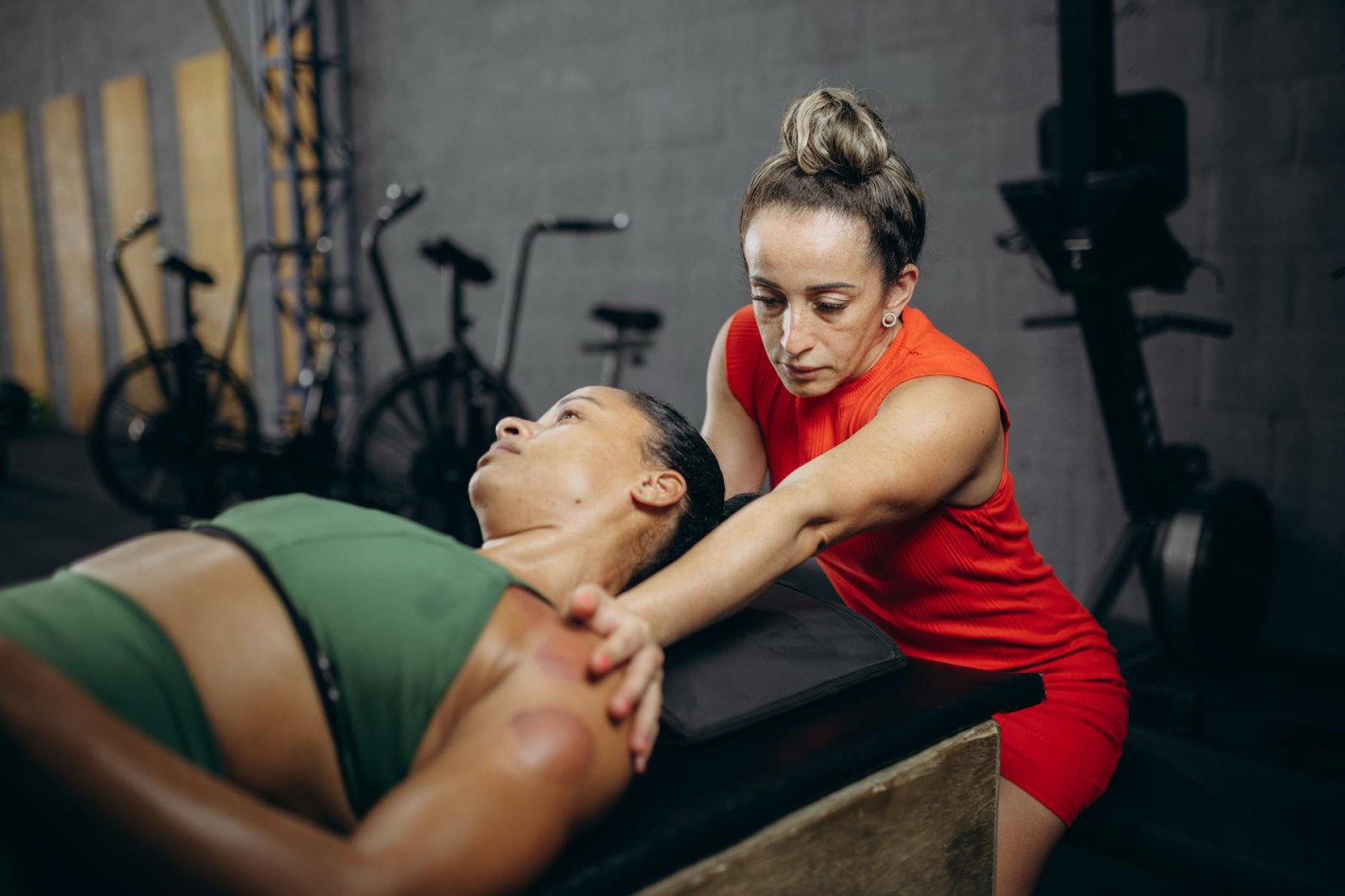
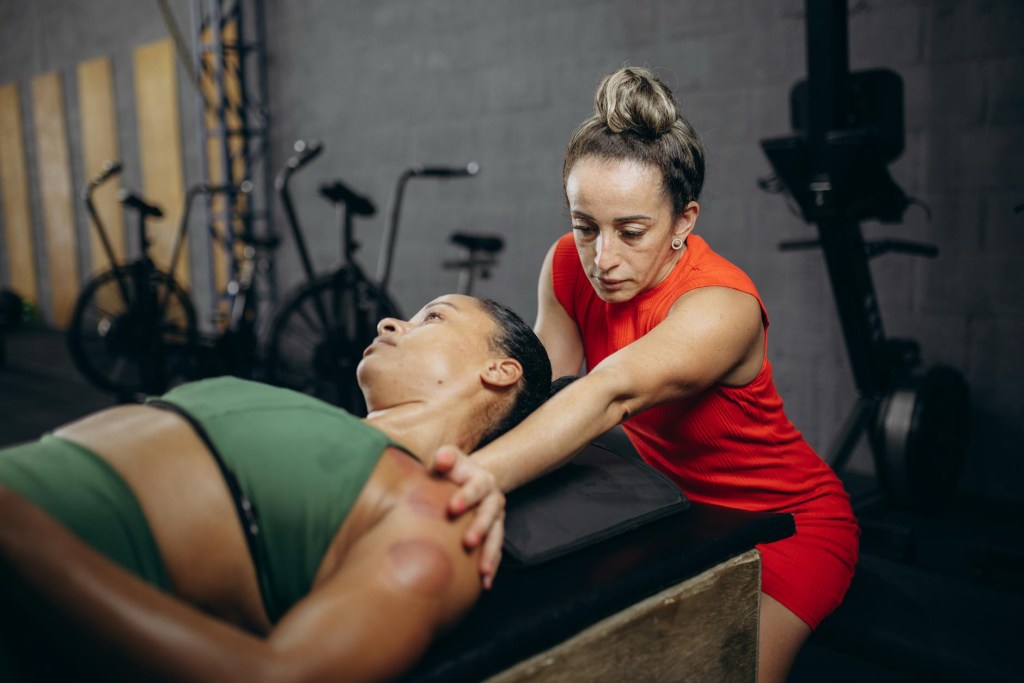
Sports massage is a specialized form of massage therapy designed to help athletes and physically active individuals prevent injuries, enhance performance, and speed up recovery. Whether you’re a professional athlete, weekend warrior, or just someone who exercises regularly, sports massage can be a game-changer in your routine.
What Is Sports Massage?
Sports massage combines techniques from Swedish massage, deep tissue massage, trigger point therapy, and stretching to improve muscle function, flexibility, and circulation. It focuses on areas of the body that experience repetitive stress or strain due to sports and physical activity.
Unlike relaxation massage, sports massage is goal-oriented—whether that goal is preparing for an event, recovering from an injury, or improving overall performance.
Who Needs Sports Massage?
Sports massage is beneficial for:
✔ Athletes of all levels – from casual runners to professional competitors
✔ People with physically demanding jobs – such as construction workers, dancers, and personal trainers
✔ Those recovering from sports injuries – to help speed up healing and reduce scar tissue formation
✔ Anyone with muscle tension or imbalances – even if they’re not actively engaged in sports
If you experience muscle stiffness, joint pain, decreased flexibility, or chronic tension, sports massage can help restore balance and movement.
The Benefits of Sports Massage
1. Injury Prevention
• Identifies tight, overused muscles before they become injuries
• Increases flexibility and range of motion to reduce strain
• Breaks down adhesions and scar tissue
2. Faster Recovery
• Improves circulation, delivering nutrients and oxygen to tired muscles
• Reduces muscle soreness and inflammation after workouts
• Speeds up the removal of metabolic waste like lactic acid
3. Enhanced Performance
• Improves muscle efficiency and endurance
• Helps with neuromuscular coordination
• Allows athletes to train harder and recover quicker
4. Stress and Pain Relief
• Reduces muscle tension and trigger points
• Helps relieve headaches, joint pain, and nerve compression
• Lowers cortisol levels, improving mental focus
Types of Sports Massage Techniques
Depending on your needs, a sports massage session may include:
Pre-Event Massage
• Given before a competition or workout
• Uses quick, stimulating strokes to warm up muscles
• Improves blood flow and reduces the risk of injury
Post-Event Massage
• Given after an event to help muscles recover
• Uses slower, soothing strokes to reduce soreness and swelling
Maintenance Massage
• Regular sessions to keep muscles in top condition
• Addresses muscle imbalances, tension, and overuse injuries
Rehabilitation Massage
• Used when recovering from an injury
• Focuses on scar tissue breakdown, range of motion, and pain relief
How Often Do You Need Sports Massage?
The frequency of sports massage depends on your activity level and goals. Here are general guidelines:
🏋️ Active athletes: 1–2 times per week for maintenance
🏃 Regular exercisers: Every 2–4 weeks for injury prevention
🛌 Injury recovery: Weekly or as needed until healed
💆 General wellness: As needed for tension relief and flexibility
What to Expect During a Sports Massage
• Your therapist will assess your muscles and movement patterns to determine problem areas.
• The massage may involve deep pressure, stretching, and trigger point work.
• You might feel some discomfort, but it should never be unbearable.
• Afterward, you may experience temporary soreness, but this fades within a day or two.
Pro Tip: Stay hydrated after your session to flush out toxins and prevent soreness.
Final Thoughts
Sports massage isn’t just for athletes—it’s for anyone who wants to move better, recover faster, and feel their best. Whether you’re training for a marathon, recovering from an injury, or just want to stay pain-free, sports massage can help you reach your goals.
Let’s Keep the Conversation Going
Have you tried sports massage? How has it helped you? Share your experience in the comments!
Disclaimer
This article is for educational purposes only and is not a substitute for professional medical advice. If you have a serious injury or medical condition, consult with a healthcare provider before receiving sports massage.











 Tranquil Touch Wellness: Jennifer Richards, LMT