By Jennifer Richards 2025
Introduction
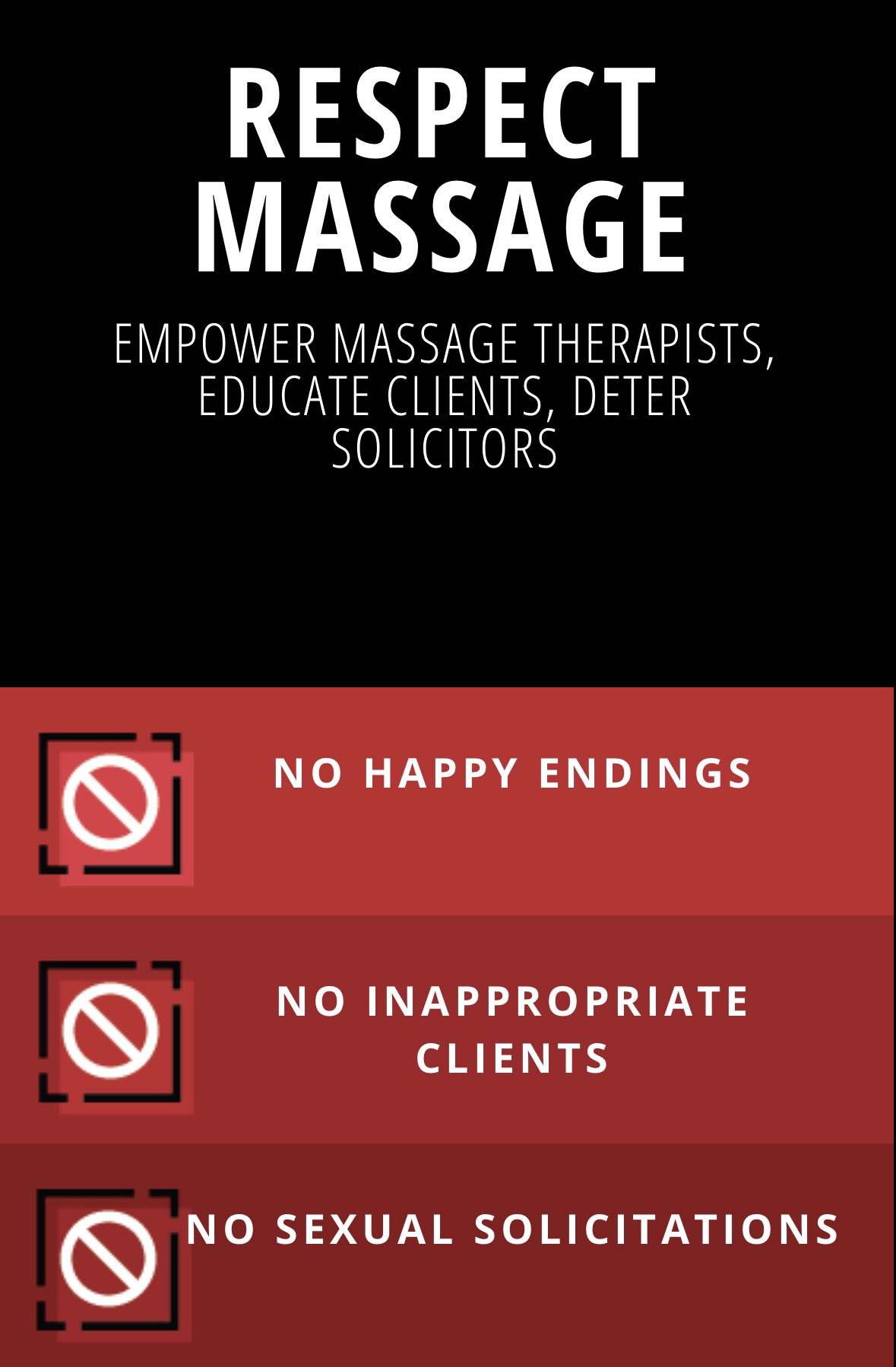
Most people seek massage for stress relief, pain management, or self-care. But not every business advertising massage services is legitimate. Unfortunately, some operate under the guise of “massage” while participating in illegal and dangerous activities—both for clients and for the women working there. Here’s how to protect yourself—and others.
1. The Difference Between a Legitimate Spa and a Massage Parlor
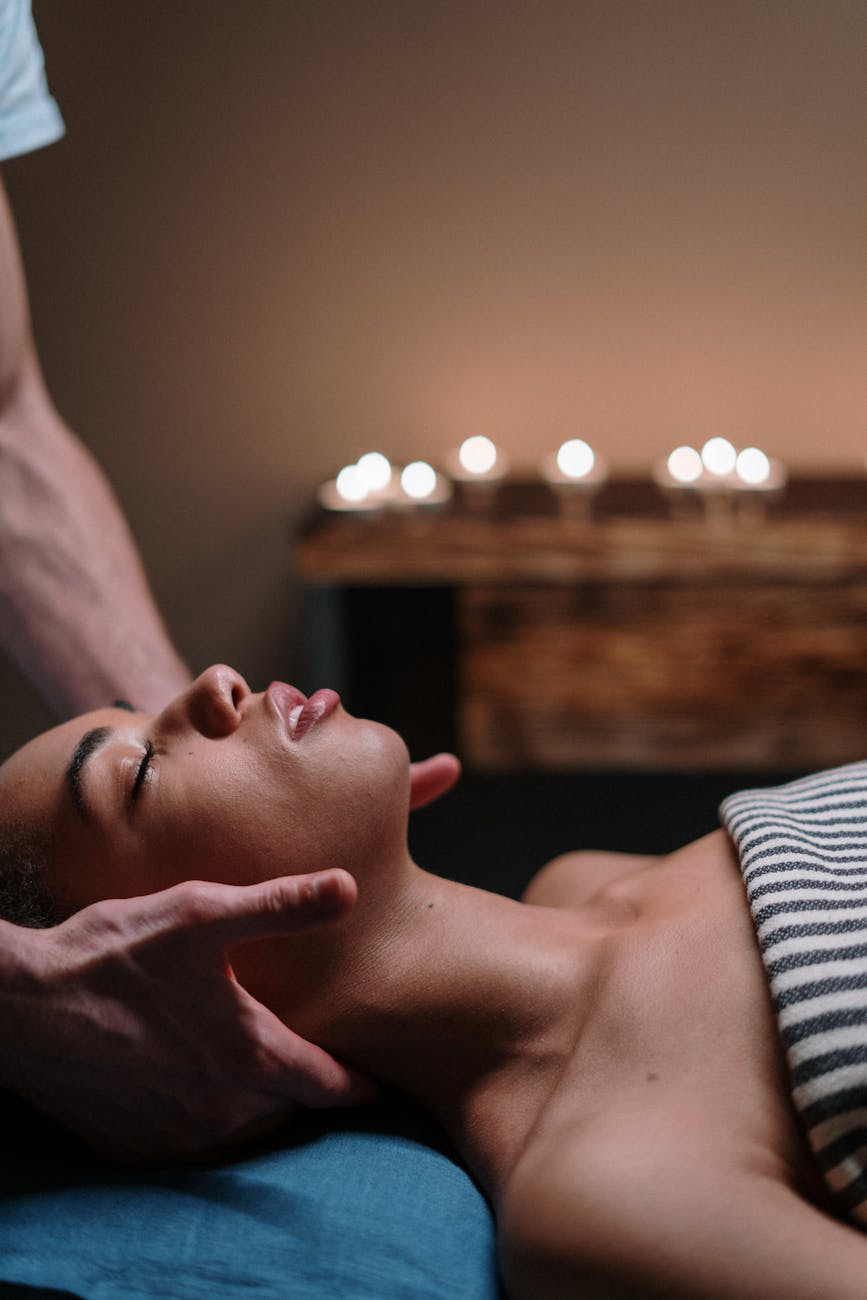
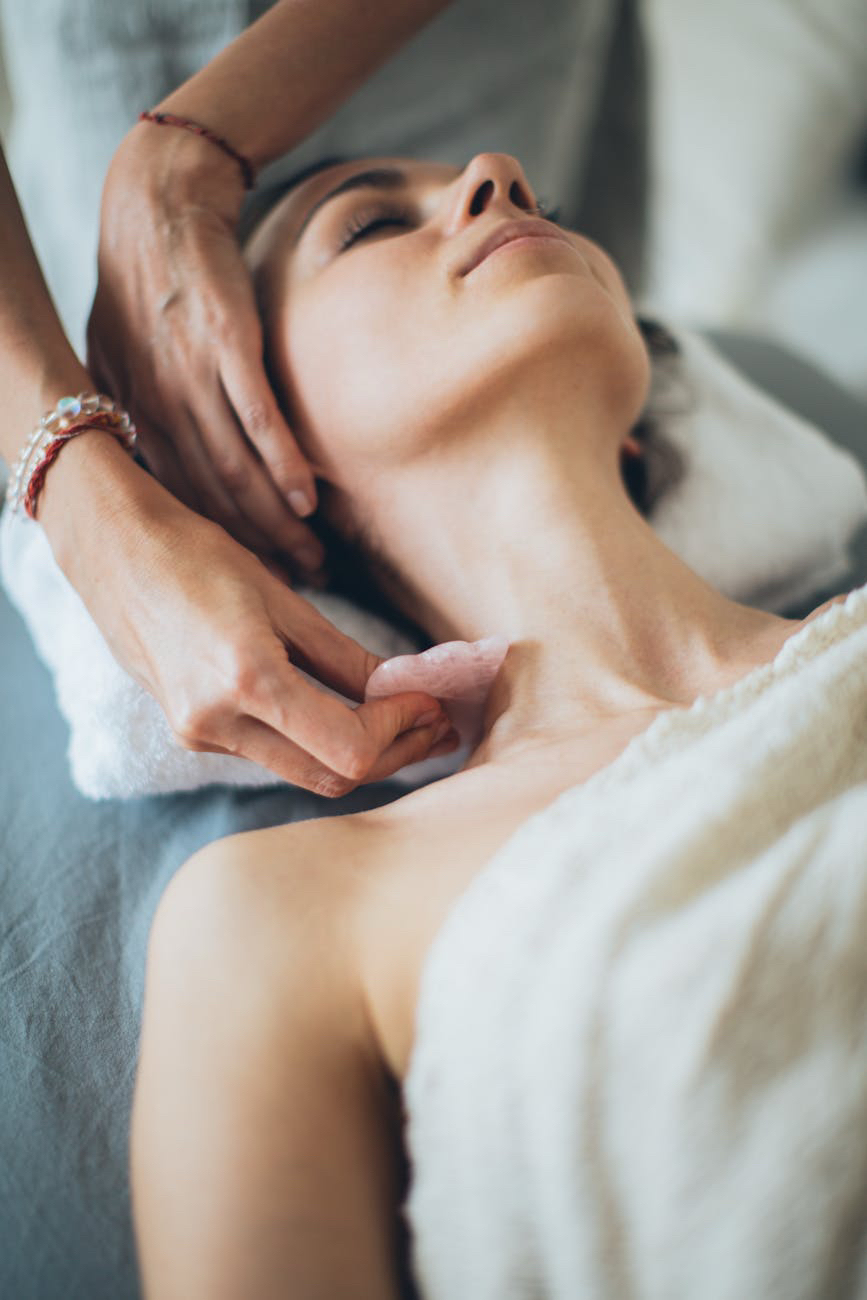
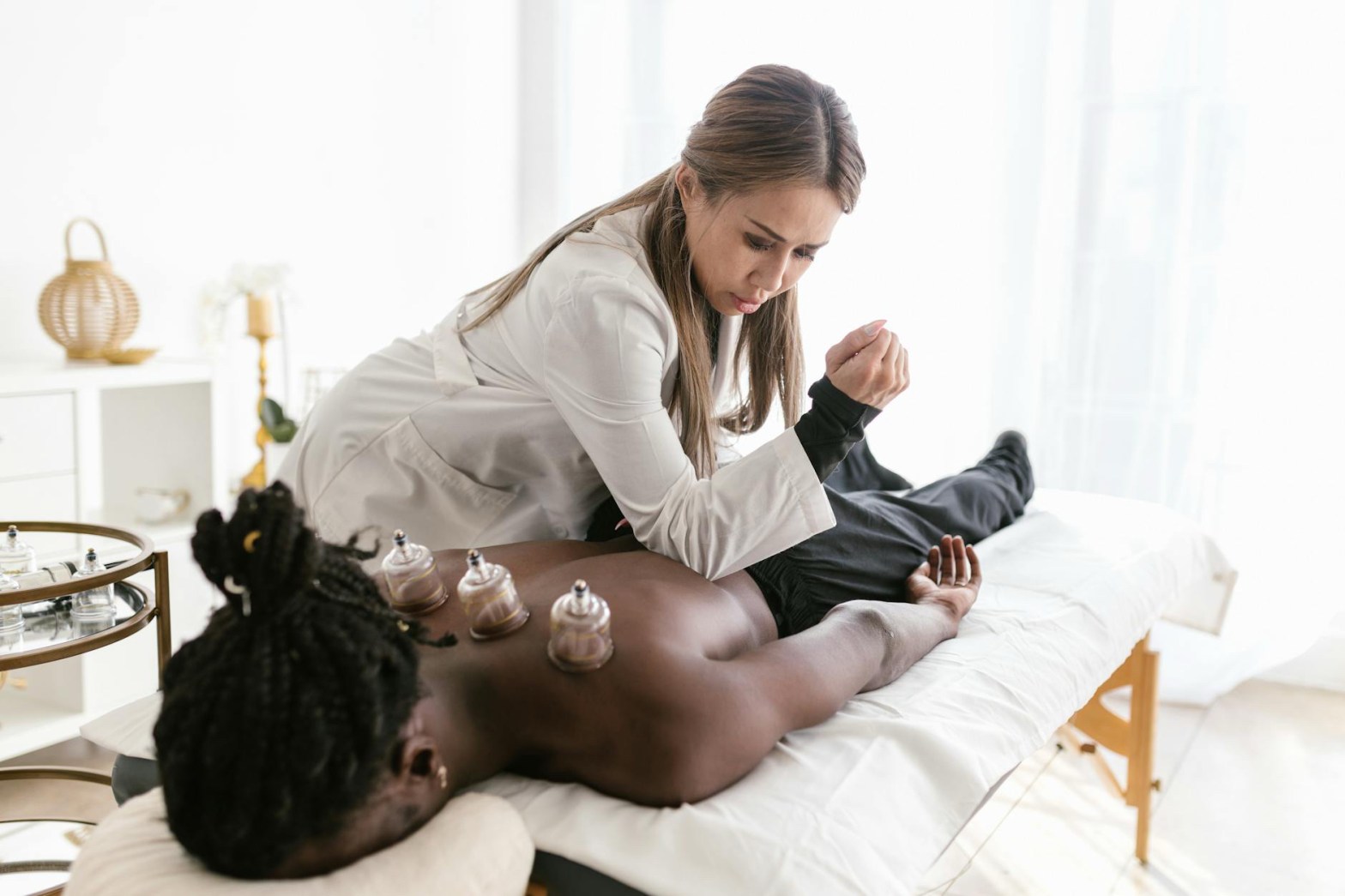
Legitimate massage therapy establishments:
Are licensed and regulated by state boards.
Require therapists to be licensed (verify with your state board).
Conduct intake forms and health history reviews before your first massage. Offer clear menus of services with pricing.
Maintain professional boundaries, draping, and ethical conduct at all times. Are open during standard business hours.
Illegitimate “massage parlors”:
Often advertise using coded language like “Asian massage” or “body rubs.”
May not list the therapist’s names or licenses publicly.
Frequently skip health intake procedures.
Operate late into the night.
May have blacked-out windows or locked doors with buzzers.
Often post ads on illicit directories.
2. The Risks of Receiving Massage Without a Health History Review
Massage is not a one-size-fits-all service. Without proper intake:
Conditions like blood clots, recent surgeries, high blood pressure, or pregnancy may be ignored—posing serious risks.
Medications can affect how you respond to pressure or techniques.
Allergies (e.g., to oils or essential oils) can trigger reactions.
Without knowledge of your history, therapists may unknowingly do harm.
3. The Dark Reality: Sex Trafficking in Massage Parlors
According to the Polaris Project, illicit massage businesses (IMBs) are one of the most common trafficking venues in the U.S. Polaris identified over 9,000 suspected IMBs operating across the country.
Women, often immigrants, are coerced, manipulated, or forced to live on site and provide sexual services. These businesses rely on a cycle of demand, meaning every paying customer sustains the system—whether knowingly or not.
Your money matters. By frequenting these places, you may be unintentionally supporting modern-day slavery.
4. Personal Experience: A Real Conversation That Changed Everything
I’ll never forget the time I went to one of these places—last minute, in pain, and desperate for relief. None of the reputable clinics had openings, so I went to a walk-in spa for a foot massage.
The therapist was kind. She noticed how tense I was and asked what I did for work. I told her I was a massage therapist too. Her face lit up.
She asked, “Do you work 12-hour days too?” I said, “No, I usually see 25 clients a week, spread out.”
She was shocked. She told me she’s expected to massage 10 of her 12 hours every day. Then she asked what I earn. I told her. She looked down and quietly said, “I make six dollars an hour.”
I repeated it, stunned: “Six? Like 1, 2, 3, 4, 5… 6?”
She nodded. “Yes.” She said all the women live in one house and she tries to send money home—but she can’t leave. The owner had all her papers.
I reported the business. It was later shut down. Authorities found it was part of a money laundering scheme. The women weren’t charged with prostitution—because they were being sex trafficked.
5. How to Protect Yourself and Others
Check Licensure: Visit your state’s massage therapy board website to verify both the therapist and the establishment.
Trust Your Gut: If something feels off—too cheap, too private, too vague—walk away.
Ask Questions: Who is the therapist? What type of massage will I receive? Is a health intake form required?
Report Suspicious Businesses: Contact local law enforcement or report to the National Human Trafficking Hotline.
6. Red Flags That May Indicate Illegitimate Practices
No intake forms or health questions.
No professional website or verifiable reviews.
Open unusually late (10 p.m. or later).
Tinted windows or covered entrances.
Extremely low prices.
Therapists not listed by name or credentials.
Suggestive advertising (images, language like “young girls” or “table shower”).
Higher massage prices for men—this often reflects illicit services offered based on assumed gender-based demand.
Ads found on directories linked to sexual services.
7. The Role of Legitimate Therapists and Clients
As a licensed massage therapist, I uphold a strict code of ethics that protects both you and me.
When you choose a legitimate provider:
You’re honoring your body and boundaries. You’re receiving safe, evidence-informed care. You’re helping dismantle an industry that exploits and enslaves women.
Resources and Links
Polaris Project – https://polarisproject.org
National Human Trafficking Hotline – https://humantraffickinghotline.org | Call: 1-888-373-7888 or text “BEFREE” (233733)
American Massage Therapy Association (AMTA) – https://www.amtamassage.org
Associated Bodywork & Massage Professionals (ABMP) – https://www.abmp.com
State Massage Licensing Boards – Find yours via AMTA’s directory: https://www.amtamassage.org/state-regulations/
Disclaimer
This blog is intended for educational purposes only and reflects my professional training and personal experience as a Licensed Massage Therapist. It is not a substitute for legal advice or law enforcement guidance. If you suspect a business is engaging in illegal activity, please contact local authorities or the National Human Trafficking Hotline at 1-888-373-7888.
Invitation to Connect
Have questions or concerns? Want help identifying a legitimate spa near you? I’m here to help. Reach out or leave a comment—let’s protect each other, and the profession I love.







 Tranquil Touch Wellness: Jennifer Richards, LMT